Introduction to Looker Studio and Matomo Analytics
Looker Studio, formerly known as Google Data Studio, is a powerful data visualization tool that enables users to transform raw data into easily understandable and visually appealing reports and dashboards. This platform allows businesses and individuals to create interactive visual representations of their data from various sources, facilitating informed decision-making. Key features of Looker Studio include customizable reports, real-time data updates, and diverse visualization options, making it essential for organizations that prioritize data-driven insights.
On the other hand, Matomo Analytics is an open-source web analytics platform designed to track and analyze website traffic and user behavior. Unlike other analytics tools, Matomo adheres to rigorous data privacy standards, which appeals to businesses focused on safeguarding user information. Its primary features include comprehensive reporting capabilities, advanced segmentation, and goal tracking, all of which provide users with an insightful view of their web performance. Matomo’s flexibility allows it to be tailored to the unique needs of businesses, enabling them to extract valuable insights from their data.
The integration of Looker Studio and Matomo Analytics presents a unique opportunity for organizations to enrich their reporting experience. By combining Looker Studio’s robust visualization capabilities with Matomo’s detailed web analytics, businesses can achieve a synergistic effect that enhances their data reporting processes. This integration empowers users to access structured and visually appealing analytics, allowing for deeper insights into user engagement, behavior, and overall website performance. Ultimately, utilizing both tools ensures that organizations can make data-informed decisions, leveraging their analytics effectively to drive growth and optimize performance.
Benefits of Integrating Looker Studio and Matomo Analytics
The integration of Matomo Analytics with Looker Studio provides a plethora of advantages that significantly enhance the capabilities of data reporting and analysis. One of the primary benefits is improved data visualization. By leveraging Looker Studio’s robust visualization tools, users can create dynamic and intuitive dashboards that transform raw data from Matomo into easy-to-understand visual representations. This facilitates quicker insights, allowing stakeholders to grasp trends and patterns without delving into complex datasets.
Furthermore, the integration allows for real-time analytics, a vital feature for businesses that require up-to-the-minute data to inform their strategies. With Matomo’s powerful tracking capabilities and Looker Studio’s ability to process and display this data instantaneously, decision-makers can access live reports that reflect current website performance and user behaviors. This immediacy enhances the agility of businesses, enabling them to adapt their tactics swiftly based on the latest information.
Moreover, combining Matomo Analytics with Looker Studio enhances decision-making capabilities across organizations. With comprehensive data analysis and customizable reporting options, teams can base their strategic decisions on detailed insights derived from various metrics, including user engagement and conversion rates. By tailoring reports to meet specific business needs, organizations can focus on the most relevant KPIs that align with their objectives, leading to more effective outcomes.
Finally, integrating these two powerful tools can significantly improve website performance tracking. By synthesizing Matomo’s extensive analytics data with Looker Studio’s visualization prowess, businesses can gain a clear understanding of their online presence. This vital information guides necessary improvements to enhance overall website performance, thus fostering a better user experience. Ultimately, utilizing Matomo Analytics alongside Looker Studio optimizes reporting and strategic decision-making in a data-driven environment.
Setting Up Matomo Analytics for Looker Studio Integration
To successfully integrate Matomo Analytics with Looker Studio, it is essential to first set up the Matomo tracking system adequately. This process begins with ensuring that you have an active Matomo account. If you are new to Matomo, create an account by visiting the official website and follow the prompts to set up your analytics instance. Once your account is established, you can download the Matomo tracking code.
The next step involves installing the Matomo tracking code on your website. To do this, navigate to the ‘Administration’ section of your Matomo dashboard and select ‘Settings’ followed by ‘Tracking Code’. Copy the recommended JavaScript code snippet. This code should be embedded in the header section of each webpage you want to track. Ensure that the code is placed just before the closingtag on your HTML files.
After successfully installing the tracking code, the next phase is to configure your tracking settings. In the Matomo dashboard, go to ‘Websites & Apps’ and select ‘Manage’. Here, you can adjust settings for each website you’re monitoring, such as defining goals, setting up custom dimensions, and enabling enhanced E-commerce tracking if applicable. Proper configuration will enable accurate data collection critical for insightful reporting.
It is also important to verify that data is being accurately collected. You can do this by visiting your website while logged into your Matomo account and checking the real-time statistics. This feature allows you to see if visitors are being tracked correctly. Regularly reviewing the data helps to ensure the integrity of your analytics, which is foundational before integrating with Looker Studio.
Following these steps meticulously will ensure that your Matomo Analytics setup lays a solid groundwork for effective integration with Looker Studio, enabling you to create enhanced reports that leverage comprehensive data insights.
Connecting Looker Studio to Matomo Analytics
To successfully connect Looker Studio with Matomo Analytics, one must begin by creating a new data source within Looker Studio. This process is essential for leveraging the capabilities of both platforms, ultimately enhancing reporting efficiency and data analysis methodologies. Start by logging into your Looker Studio account and accessing the home dashboard. From the dashboard, navigate to the ‘Create’ option located in the upper right corner, and select ‘Data Source’ from the dropdown menu. This action initiates the creation of a new data source.
Once you arrive at the data source creation page, Looker Studio will present you with a range of connectors. To connect to Matomo Analytics specifically, look for the Matomo connector option in the list. Selecting this option will direct you to a configuration page, where you are required to input your Matomo server URL and the necessary authentication credentials, which typically include the Matomo API token. This step is crucial in establishing a secure bridge between both platforms.
After entering the requisite information, take a moment to configure the settings that dictate how data will flow between Looker Studio and Matomo Analytics. This includes specifying the metrics and dimensions you aim to draw from Matomo for your reports. Pay attention to data granularity and any relevant filters to ensure that the information retrieved aligns well with your analytical goals. Upon completion of these configurations, click on ‘Connect’ to finalize the integration.
Once connected, Looker Studio will prompt you to save the data source. It’s advisable to give it a descriptive name to facilitate easy identification in the future. By following these steps, you will establish a seamless connection between Looker Studio and Matomo Analytics, paving the way for enhanced reporting capabilities and insights gleaned from your data.
Creating Custom Reports in Looker Studio Using Matomo Data
Leveraging the extensive data collected from Matomo Analytics, users can create custom reports in Looker Studio that cater to specific analytical needs. To begin, one must establish a connection between Matomo and Looker Studio, often utilizing APIs to retrieve the data for visualization. This enables users to harness the full potential of their analytics data, tailoring the insights to align with business objectives.
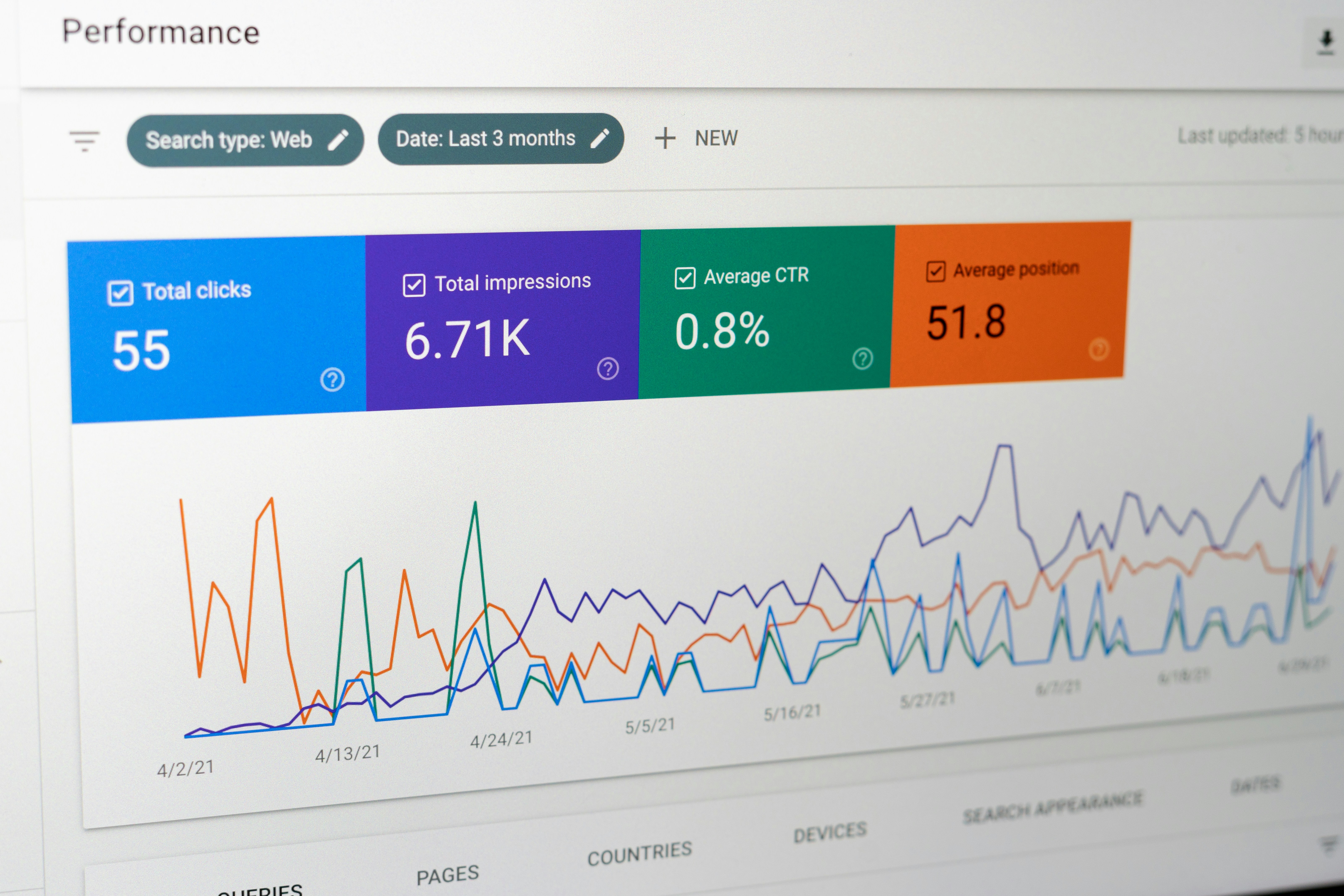
In Looker Studio, there are various visualization options available to depict the Matomo data effectively. Users can choose from charts, tables, and graphs that best represent their desired metrics. For instance, time series graphs can illustrate user engagement trends over time, while pie charts can effectively demonstrate the share of traffic sources. Selecting the right visualization is crucial as it influences how stakeholders interpret the data.
Additionally, incorporating filters and segments allows for a more personalized experience within the reports. Users can refine the data based on specific parameters such as geographical location, device used, or engagement levels. By applying these filters, the reports become not only more targeted but also allow organizations to dive deeper into user behavior and engagement metrics, providing enhanced clarity.
When creating these reports, it is vital to focus on key metrics that communicate the most relevant performance indicators to stakeholders. Consider metrics such as unique visitors, page views, conversion rates, and bounce rates. By effectively illustrating these statistics, stakeholders can quickly assess performance and make informed decisions moving forward. Ensuring that the customization of reports is done thoughtfully will enhance the utility of Looker Studio while maximizing the impact of Matomo Analytics data.
Utilizing Looker Studio Features for Enhanced Data Analysis
Upon integrating Matomo Analytics with Looker Studio, users gain access to a myriad of advanced features that significantly augment data analysis capabilities. One of the most pivotal aspects is data blending, which allows the merging of multiple data sources. By combining Matomo data with other organizational metrics, users can attain a holistic view of their performance. This integration empowers analysts to identify correlations and trends that would otherwise remain concealed within isolated data sets.
Moreover, Looker Studio’s real-time dashboards can provide instantaneous updates on key performance indicators, offering stakeholders immediate insight into how their strategies are performing. With Matomo’s rich analytics, these dashboards can be customized to reflect metrics that are most relevant to an organization’s objectives. As a result, decision-makers can react swiftly to emerging trends or anomalies, optimizing operational efficiency and enhancing responsiveness to market dynamics.
In addition to these features, Looker Studio also permits the establishment of alerts based on specific criteria derived from Matomo data. This ensures that teams are automatically notified when certain thresholds are met or abnormal patterns are detected, facilitating timely intervention where necessary. Such alert mechanisms enhance the agility of reporting processes, allowing teams to focus on more strategic initiatives rather than being bogged down by routine monitoring.
Furthermore, collaboration functionalities within Looker Studio enable teams to share insights seamlessly across various departments. This feature encourages cross-functional dialogue and ensures that marketing, sales, and operations teams are aligned in their decision-making processes. By fostering an environment of shared data understanding, organizations can work towards unified goals, enhancing overall productivity and engagement.
Common Challenges and Solutions During the Integration Process
Integrating Matomo Analytics with Looker Studio can offer significant enhanced reporting capabilities; however, users may encounter various challenges during the integration process. One common issue is data syncing, where the expected data does not reflect accurately in Looker Studio. This can occur due to various reasons, such as incorrect API credentials or misconfigured data sources. It is essential to ensure that the API tokens for Matomo Analytics are correctly inserted in Looker Studio to facilitate smooth communication. Additionally, confirming that the correct site ID is being used can mitigate many data syncing issues.
Another challenge that commonly arises is the data schema mismatch between Matomo and Looker Studio. Different reporting tools often organize data differently, which may lead to confusion. To resolve this, users should take the time to understand Matomo’s data structure thoroughly and ensure that they are mapping fields correctly in Looker Studio. This may involve creating custom fields in Looker to mirror Matomo’s settings accurately, which can simplify reporting and analysis.
Additionally, users may face difficulties with updates or version compatibility between Matomo Analytics and Looker Studio. Regular software updates may introduce new features or alter existing functionalities, which can affect the integration. To counter this, it is advisable to regularly check for updates from both platforms and ensure that compatibility is maintained. Staying informed about both systems’ release notes can be beneficial in avoiding potential issues caused by updates.
Lastly, network or firewall issues may impede connection, particularly if third-party APIs are involved. Users should verify their network settings and ensure that any restrictions allow for data exchange between Matomo and Looker Studio. Through diligent troubleshooting and proactive management, users can successfully navigate these challenges, ensuring a seamless integration experience.
Case Studies of Successful Integrations of Looker Studio and Matomo
The integration of Matomo Analytics with Looker Studio has proven beneficial for various organizations, resulting in enhanced reporting capabilities and improved data-driven decision-making. One prominent example is a leading e-commerce company that sought to optimize its marketing strategies. By integrating Matomo, they gained deeper insights into customer behaviors and preferences. The analytics provided by Matomo allowed them to track user interactions on their website, which were then visualized using Looker Studio. This integration led to a 30% increase in conversion rates, as the marketing team could tailor campaigns based on real-time data.
Another case study highlights a media organization that wanted to improve its audience engagement metrics. By leveraging Matomo’s comprehensive tracking features, they were able to gather data on user interactions across multiple channels. When combined with Looker Studio’s advanced visualization tools, the organization could effectively present this data to stakeholders. The outcome was a notable enhancement in content strategy, resulting in a 25% lift in audience retention over a three-month period. The visualization strengthened their ability to make informed adjustments to their offerings.
Additionally, a non-profit organization integrated Matomo with Looker Studio to monitor the performance of its outreach programs. By analyzing visitor data and engagement patterns, they identified which initiatives were most effective in attracting donations. This analysis, visualized in Looker Studio, permitted them to focus resources on high-impact activities. As a result, the organization reported a significant increase in donations by 40% within six months of implementing this integrated reporting structure.
These case studies exemplify how integrating Matomo Analytics with Looker Studio can yield significant benefits. By adopting best practices observed in these examples, other organizations can enhance their reporting capabilities, improve decision-making, and drive overall performance in their respective fields.
Conclusion and Next Steps
In this blog post, we have explored the integration of Matomo Analytics with Looker Studio, highlighting the significant benefits it offers for enhanced reporting and data visualization. By utilizing both platforms, organizations can gain deeper insights into their website traffic and user behaviors, facilitating informed decision-making. Matomo Analytics, with its robust set of features including real-time tracking and customizable reporting, allows users to delve into detailed metrics. Meanwhile, Looker Studio extends these capabilities by providing intuitive dashboards and interactive visualizations that transform complex data into comprehensible formats.
Throughout the discussion, it has become evident that combining these tools greatly enriches the analytics landscape. The synergy between Matomo’s comprehensive data collection and Looker Studio’s visualization prowess enables organizations to not only track their performance but also to present findings in a way that is easily understandable to various stakeholders. The result is a more strategic approach to data analysis and reporting.
For readers interested in further exploration of this integration, several next steps can be taken. First, consider visiting the official documentation for both Matomo Analytics and Looker Studio, as these resources offer detailed instructions and best practices for setting up and utilizing the integration effectively. Additionally, participating in forums or communities dedicated to these tools can provide invaluable insights and tips from other users. Investing time in webinars or tutorials can also enhance your understanding and provide practical knowledge regarding advanced functionalities.
If you wish to engage professional assistance or seek tailored solutions, do not hesitate to reach out to expert consultants who specialize in analytics and reporting services. They can provide personalized guidance to maximize the benefits of integrating Matomo Analytics with Looker Studio for your unique organizational needs.