Introduction to Looker Studio and Metricool
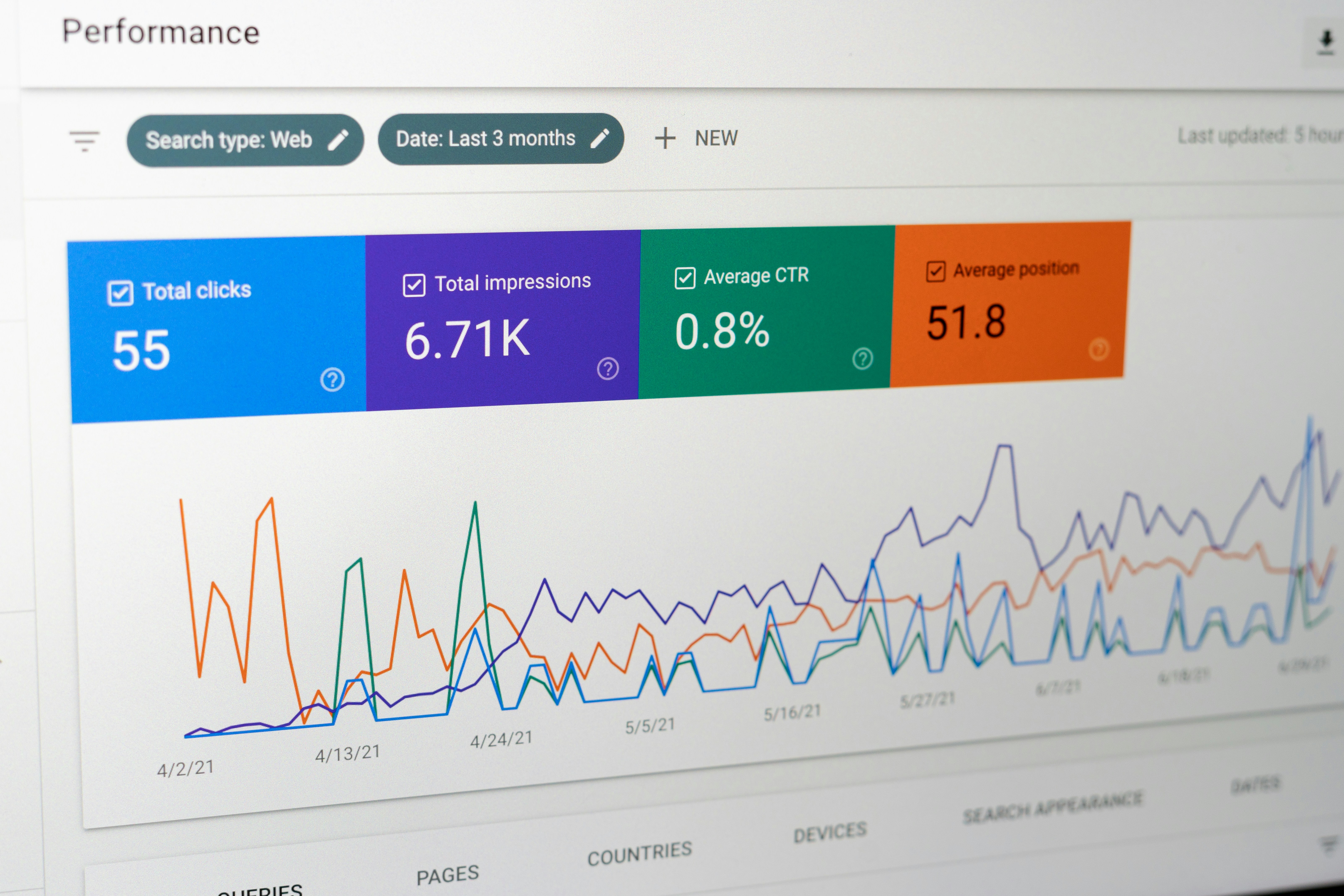
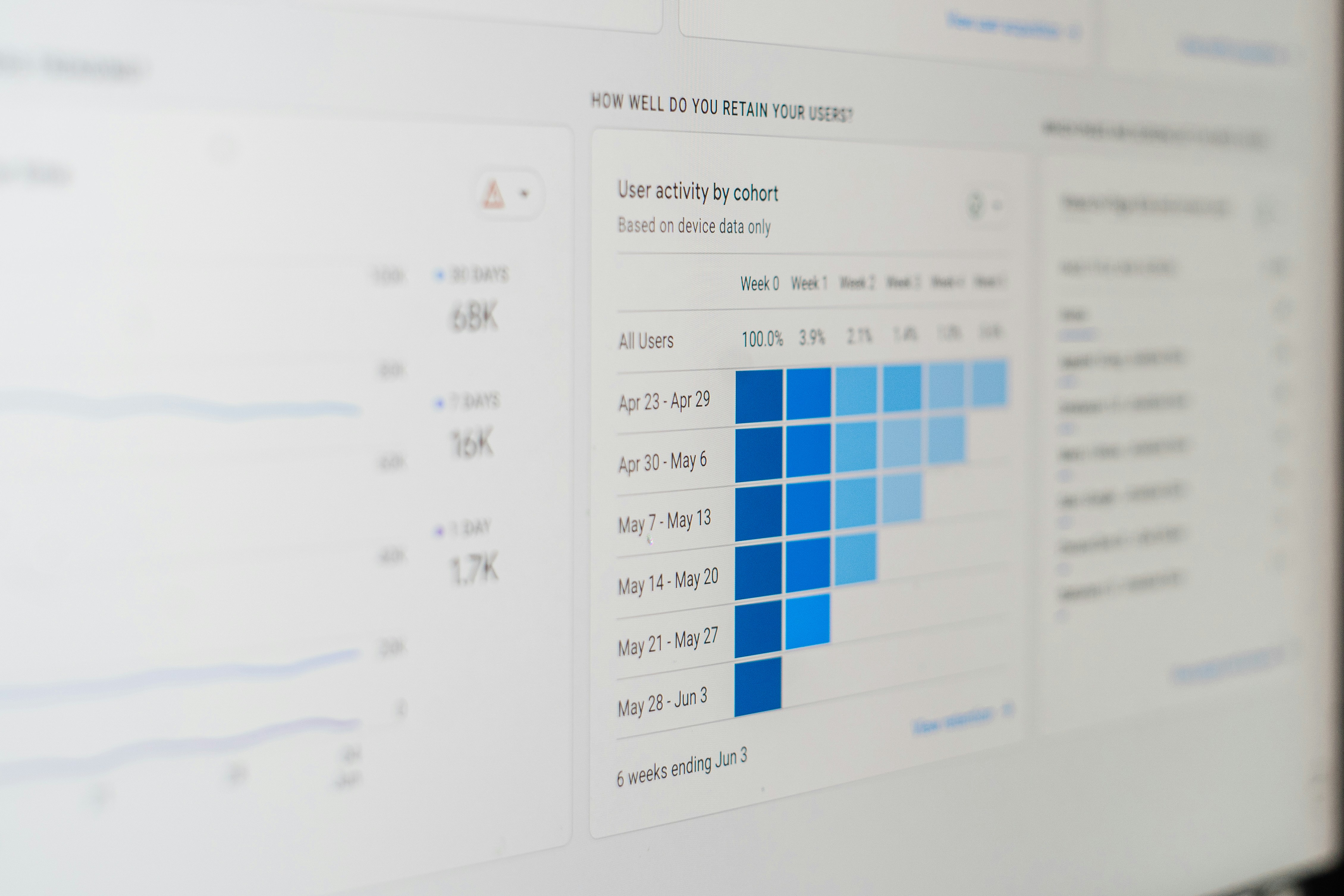
In the rapidly evolving digital marketing landscape, data visualization and analytics have become indispensable tools for businesses seeking to optimize their online presence. Looker Studio, formerly known as Google Data Studio, is a powerful data visualization platform that enables users to create robust, interactive reports and dashboards. By integrating various data sources, Looker Studio facilitates the transformation of complex data sets into easily comprehensible visual insights. This functionality makes it an essential tool for marketers aiming to interpret and present their data effectively.
On the other hand, Metricool is a versatile social media management and analytics tool that allows users to track, analyze, and optimize their social media performance. The platform provides extensive reporting features, allowing marketers to monitor engagement metrics, audience growth, and content performance across multiple social media channels. Additionally, Metricool’s ability to provide in-depth analysis of social sources positions it as a valuable asset for businesses looking to enhance their social media strategies.
The integration of Looker Studio with Metricool offers a synergistic approach to understanding social media analytics. By leveraging the looker studio social sources by metricool API call, users can gather comprehensive data about their social media impact and visualize it seamlessly within Looker Studio. This integration not only enhances the visibility of social sources but also simplifies the reporting process, making analytics more accessible for marketers. Ultimately, combining Looker Studio’s data visualization capabilities with Metricool’s in-depth social media analytics provides businesses with a more holistic view of their online performance, enabling them to make informed decisions based on accurate data-driven insights.
What are Social Sources in Analytics?
In the context of analytics, social sources refer to the traffic and interactions generated from various social media platforms. These sources encompass a range of social networks such as Facebook, Instagram, Twitter, LinkedIn, and others that drive users to a website, landing page, or content hub. Recognizing social sources is essential for understanding the role these platforms play in a comprehensive digital marketing strategy. By analyzing the traffic driven from these channels, businesses can gauge the effectiveness of their social media campaigns and refine their content strategies accordingly.
The significance of tracking social sources cannot be overstated, as social media has increasingly become a vital conduit for engaging potential customers. Metrics derived from social sources provide insights into user behavior, preferences, and interactions. For instance, metrics like the number of visits from social platforms, bounce rates, and conversion rates can all help businesses ascertain how well their content resonates within these communities. As organizations aim to enhance their digital presence, the looker studio social sources by metricool API call offers a sophisticated solution for extracting and analyzing these critical metrics.
Moreover, by leveraging the Metricool API, marketers can seamlessly integrate and visualize data from social sources, thereby simplifying their analytics process. This integration facilitates the tracking of various key performance indicators (KPIs) specific to social media engagement. Understanding these metrics is vital for making data-driven decisions, enabling brands to optimize their outreach efforts and strategically position themselves within the competitive landscape of social media marketing. Thus, the ability to monitor and analyze social sources effectively is an invaluable asset for any organization aiming to thrive in the digital age.
Overview of the Metricool API
APIs, or Application Programming Interfaces, serve as intermediaries that allow different software applications to communicate with one another. They function by defining the methods and data formats that applications can use to request and exchange information. The Metricool API is a powerful tool designed for marketers and analysts seeking to enhance their understanding of social media performance. By leveraging the Metricool API, users can efficiently extract detailed insights from their social media campaigns, ultimately helping to drive better decision-making and strategy development.
The Metricool API provides access to a variety of data points about social sources. It includes metrics such as engagement rates, reach, and impressions, among others, sourced directly from platforms such as Facebook, Twitter, and Instagram. These metrics allow users to track performance across different channels in real time, giving marketers the necessary tools to adjust their strategies based on actionable insights. Moreover, the API supports automated reporting, which minimizes the time spent on manual data collection and enhances the overall reporting capabilities.
Connecting Metricool API to Looker Studio
To effectively integrate the Metricool API with Looker Studio and utilize its functionalities, the process begins with proper authentication. This step is essential as it ensures secure access to the metric data you require from Metricool. First, you must generate an API key from your Metricool account. This key will serve as a unique identifier, allowing your Looker Studio to request and retrieve data securely.
Once you have the API key, the next step involves accessing Looker Studio. Navigate to the ‘Data Sources’ section and select ‘Create New Data Source’. Choose the ‘API Connector’ option where you can input the necessary credentials, including the previously obtained Metricool API key. Make sure to include endpoints that target specific social sources that you wish to analyze.
After setting up the authentication, configure the data requirements by selecting the metrics and dimensions relevant to your analysis. You will need to use the Looker Studio interface to define the data fields that you want to pull in from the Metricool API. Commonly requested data includes engagement metrics, reach, and interactions across different social media platforms.
Once the configurations are complete, Click ‘Connect’. Your Looker Studio will then process the API call and retrieve the relevant data from Metricool. This process may take a few moments, depending on the amount of data you’re requesting. After the connection is established and the data is pulled, you can start creating visualizations, dashboards, and reports based on your social sources metrics. This seamless integration will facilitate more informed decision-making and strategy formulation using the valuable insights gathered from the Metricool API.
Fetching Social Source Data from Metricool API
Integrating social media data into Looker Studio enhances analytical insights for various stakeholders. To fetch social source data, you will need to utilize the Metricool API, which provides a structured approach to retrieve information effectively. The first step in this process involves making an API call to the Metricool service, which requires authentication with a valid API key. This key ensures secure access to the social data you wish to analyze within Looker Studio.
When forming your API call, it is essential to specify the correct endpoint for social source data. Generally, the endpoint will be structured as follows: /api/v1/social_sources. Along with the endpoint, various parameters must be included to tailor the data set to your needs. Key parameters may include start_date, end_date, and specific social_network identifiers, which allow you to filter results by time period and source.
The response from the Metricool API will typically be in JSON format, providing a clear and organized structure for easy parsing. The data returned includes various metrics associated with each social source, such as total reach, engagement rates, and audience demographics. This structured data layout simplifies the integration process, allowing users to incorporate it directly into Looker Studio for comprehensive visual analyses. By utilizing the Metricool API to fetch social source data, you can harness valuable insights about your social media impact, which ultimately aids strategic decision-making.
Incorporating this social source data from the Metricool API into your Looker Studio dashboard not only streamlines reporting but also enhances your ability to derive actionable insights from social media metrics. Consequently, an effective understanding of your social sources becomes possible, allowing for data-driven decisions that enhance marketing strategies.
Visualizing Social Sources in Looker Studio
Visualizing social sources data gathered through the Looker Studio social sources by Metricool API call can transform raw data into insightful graphics that facilitate better decision-making. To effectively present this information, one should consider various visualization types tailored for social media metrics. Bar charts, line graphs, and pie charts are excellent starting points. Each visualization can represent metrics like engagement rates, follower growth, and overall reach, which are vital indicators of performance across social platforms.
Engagement rates can be effectively visualized through line graphs, allowing stakeholders to observe trends over time. Bar charts serve well when comparing metrics across different social platforms, highlighting which sources are driving the most engagement. For instance, displaying the number of clicks or interactions segmented by platform can provide insights into audience preferences and behavior. Pie charts can be utilized to show the proportion of total engagement derived from various social sources, offering a quick glance at the most influential channels.
In addition to selecting the right visualization type, it’s imperative to follow best practices for displaying social media data. Consistency in color schemes and fonts enhances readability and user experience, while using clear labels and legends helps to avoid confusion. Simplifying complex datasets into digestible visual formats is key; avoiding cluttered dashboards ensures that stakeholders can easily identify trends and derive actionable insights from the Looker Studio social sources by Metricool API call data.
Furthermore, incorporating interactive elements into dashboards can significantly enhance user engagement. Filters allow stakeholders to customize their view based on specific timeframes or social platforms, providing a more tailored experience. By combining effective visualization techniques with best practices, users can create dashboards that are not only informative but also visually appealing, making the onboarding process smoother for stakeholders.
Analyzing and Interpreting the Data
Once you have successfully integrated the Metricool API call into Looker Studio and visualized your social sources data, the next step involves thorough analysis and interpretation of this information. At this stage, it is crucial to focus on identifying trends that can reveal valuable insights into user behavior and engagement levels across various social media platforms. By examining metrics such as shares, likes, and comments, you can gauge how effectively your content resonates with your audience.
Begin by organizing the visualizations in Looker Studio to focus on specific social sources. This organization allows you to track and compare the performance of different platforms, thereby enabling a more nuanced understanding of audience preferences. For instance, if your data shows high engagement on Twitter but lower performance on Instagram, it may be beneficial to allocate more resources towards enhancing your Twitter strategy while reevaluating your approach on Instagram.
Moreover, interpreting the data involves recognizing patterns over time. Analyzing seasonal trends or event-driven spikes in user engagement can assist in anticipating future audience behavior, which allows for proactive content planning. For example, if certain topics consistently drive higher engagement, leveraging this information could inform your content calendar.
Furthermore, when analyzing the data sourced from the Metricool API, consider segmenting your audience based on various demographics. Understanding who engages with your content allows for personalized marketing and increased relevance. Metrics obtained from social sources can guide decisions about which demographics to focus your marketing efforts on – ultimately leading to more impactful campaigns.
In conclusion, analyzing and interpreting data visualized in Looker Studio through the Metricool API call can unlock trends and actionable insights that inform your overall digital strategy. By adopting a clear approach to data interpretation, you can enhance audience engagement and drive more informed decisions for future marketing endeavors.
Case Studies: Success Stories from Using Looker Studio with Metricool
The integration of Looker Studio with Metricool has yielded significant benefits for numerous organizations and individuals, providing valuable insights through the analysis of social sources. One notable case is a mid-sized e-commerce company that leveraged this integration to optimize its social media marketing strategy. By utilizing the looker studio social sources by metricool API call, the company was able to comprehensively analyze the performance of various social platforms. The insights gained allowed them to identify which channels yielded the highest engagement and conversion rates, leading to a targeted focus on platforms that demonstrated the most significant return on investment.
In another case, a digital marketing agency adopted the Looker Studio and Metricool combination to enhance its reporting capabilities. The agency had previously struggled with fragmented data from multiple sources, making it challenging to present cohesive reports to clients. With the integration of the metricool API call, they could centralize their social media data, combining it with additional performance metrics. This comprehensive approach enabled the agency to deliver actionable insights to clients, facilitating better strategic decisions and improving overall client satisfaction.
A third example can be observed in a content creator who successfully utilized Looker Studio through the Metricool API to analyze her social media presence. By examining various metrics such as impressions, engagement rates, and follower growth, she was able to pivot her content strategy effectively. Tracking social sources through the integration helped her identify trending topics, allowing her to produce timely content that resonated with her audience. Consequently, she saw an increase in audience engagement and growth in her follower base.
These case studies illustrate how the looker studio social sources by metricool API call can be effectively utilized across various industries, enhancing data-driven decision-making and driving improvements in social media strategies.
Conclusion and Resources
Integrating the Metricool API with Looker Studio provides a comprehensive approach for analyzing social sources and optimizing digital marketing strategies. Throughout this blog post, we have explored the various aspects of this integration, emphasizing the importance of utilizing social media data effectively to drive engagement and increase performance metrics. The ability to pull data from social sources into Looker Studio via the Metricool API call allows marketers to visualize and analyze their social media performance in real-time, granting them the insights needed for informed decision-making.
As we have discussed, the seamless integration enables users to track key performance indicators such as reach, engagement, and conversion rates across different social platforms. By doing so, businesses can better understand which channels are driving traffic and which content resonates best with their audience. This valuable data can then be leveraged to adjust marketing strategies, optimize content distribution, and ultimately enhance overall social media impact.
For those looking to deepen their knowledge of Looker Studio or explore additional features of the Metricool API, several resources are available. The official Metricool documentation provides extensive information on API calls and data retrieval processes. Furthermore, the Looker Studio reporting guide offers insights on creating custom reports and visualizations centered around social media metrics. For additional reading, consider visiting our blog, where we regularly publish articles focused on digital marketing tools and strategies. If readers have any questions or require further assistance, feel free to contact us through our dedicated contact page. This holistic grasp of metric analysis and reporting will undoubtedly aid marketers in their endeavors to refine their approach to social media marketing.