Introduction to SEMrush
SEMrush is an all-in-one digital marketing tool that has become increasingly popular among SEO professionals and businesses looking to improve their online presence. Founded in 2008, this platform provides an extensive range of features designed to assist users in optimizing their digital marketing strategies. Its primary purpose is to empower marketers to conduct in-depth competitive analysis, keyword research, and SEO audits, thereby enhancing their visibility in search engine results.
The tool is well-known for its robust capabilities in keyword research, allowing users to uncover valuable keyword opportunities for their content strategies. Through its comprehensive keyword database, SEMrush enables users to identify search intent, assess keyword difficulty, and even discover seasonal trends. This level of insight is crucial for effective content planning and optimization, providing a solid foundation for businesses aiming to rank higher in search engines.
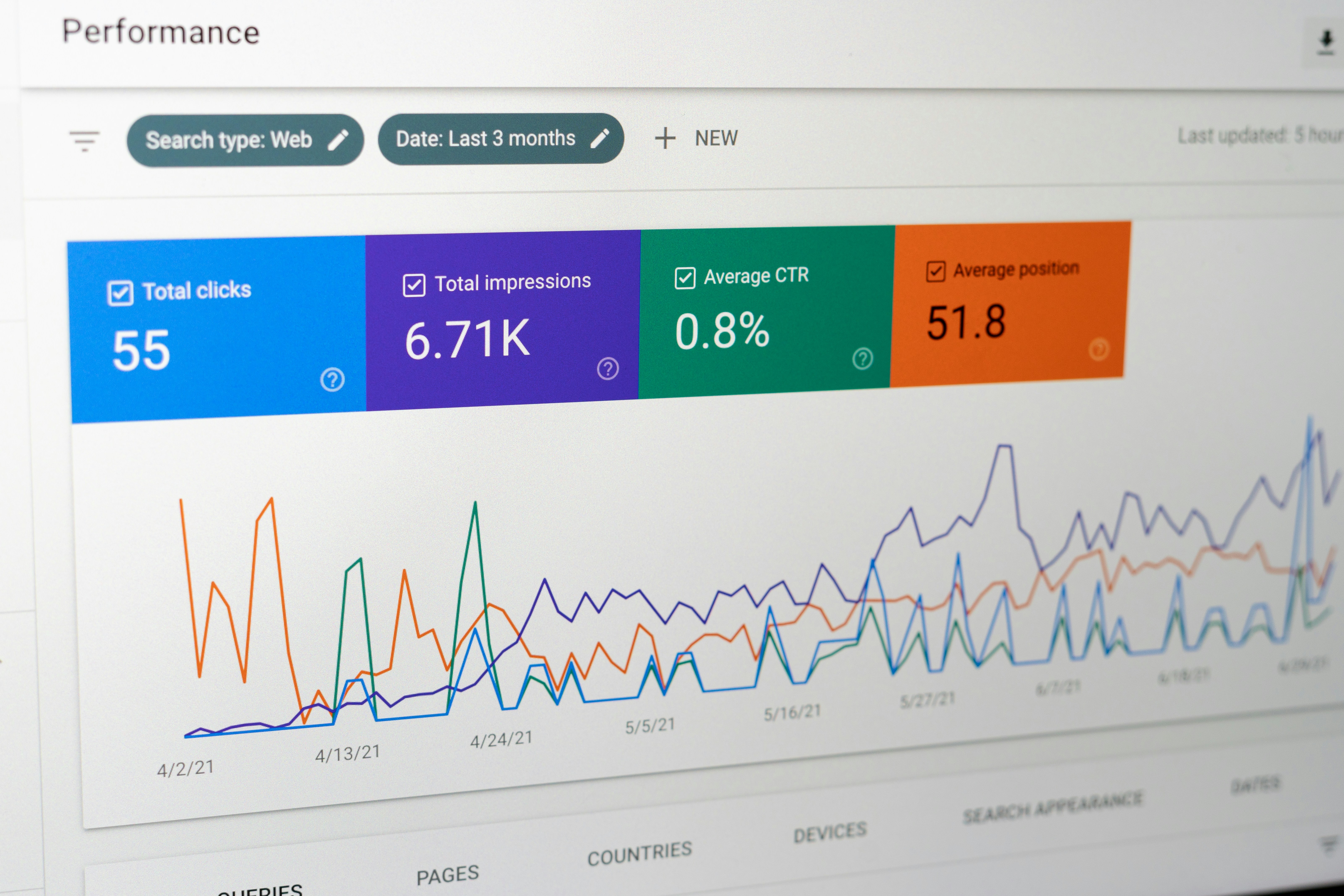
In addition to keyword research, SEMrush offers features such as site audits, backlink analysis, rank tracking, and performance analytics. These functionalities help marketers evaluate their website’s health, identify areas for improvement, and monitor the effectiveness of their SEO efforts over time. One of the reasons for the growing popularity of SEMrush lies in its user-friendly interface, which allows even those with limited technical skills to navigate complex data easily.
As digital marketing continues to evolve, the accuracy of tools like SEMrush becomes more critical for users. Many marketers rely on this platform to make data-driven decisions that inform their strategies. Therefore, examining whether SEMrush is accurate in delivering relevant, actionable insights is essential for anyone considering its use. In this context, understanding the core features and reliability of SEMrush can help businesses evaluate its suitability for their marketing objectives.
How SEMrush Gathers Data
SEMrush employs a multifaceted approach to data collection that ensures users receive comprehensive and actionable insights. At the core of SEMrush’s methodology is its vast array of data sources, which include search engine results pages (SERPs), web crawlers, and partnerships with various data providers. This extensive network allows SEMrush to capture a wide spectrum of online behaviors and digital marketing metrics.
The foundation of SEMrush’s data accuracy lies in its advanced algorithms, which are designed to analyze and interpret the data collected efficiently. These algorithms utilize machine learning techniques to continually refine their analysis, adapting to changes in search engine algorithms and user behavior patterns. This approach enhances SEMrush’s ability to present up-to-date information regarding search rankings, keyword performance, and competitive analysis.
SEMrush also employs a robust web crawler analogous to those used by major search engines. This crawler indexes millions of domains and their respective performance metrics. By doing so, SEMrush can deliver precise data on organic and paid search traffic, backlink profiles, and keyword rankings. Additionally, SEMrush aggregates data from multiple sources, including user-contributed information and competitor insights, to provide a holistic view of the digital landscape.
This rich data collection enables SEMrush to offer various analytical tools, such as the Keyword Magic Tool and Domain Analytics. These tools are specifically designed to aid users in deriving meaningful insights from the data, thus empowering them to make informed decisions for their marketing strategies. As a result, users often inquire, “Is SEMrush accurate?” The methodologies utilized in data gathering and analysis significantly enhance SEMrush’s reputation for delivering reliable analytics.
Comparing SEMrush with Other SEO Tools
When evaluating the accuracy and efficacy of SEMrush, it is essential to compare it to other prominent SEO tools such as Ahrefs, Moz, and Ubersuggest. Each of these platforms offers unique features, strengths, and weaknesses that can enhance or hinder an SEO strategy, impacting the reliability of the insights they provide.
SEMrush is recognized for its extensive database and versatility, serving a wide range of SEO needs from keyword research to site auditing and competitive analysis. Its keyword tracking capabilities are particularly robust, allowing users to monitor their rankings and those of competitors with precision. In contrast, Ahrefs is often lauded for its backlink analysis, showcasing a superior ability to crawl the web for link data, which can provide a more accurate picture of a site’s authority and link profile. However, SEMrush has efficiently expanded its own backlink tools, making it a competitive option in this area as well.
On the other hand, Moz is distinguished by its user-friendly interface and community-driven resources. While it delivers valuable data, some users argue that its keyword volume estimates can be less accurate compared to SEMrush or Ahrefs. This discrepancy can lead to different strategic decisions based on the choice of tool. Meanwhile, Ubersuggest offers a more budget-friendly option, ideal for beginners. However, its feature set may fall short for advanced users. Despite this, it provides good insights for basic keyword research and tracking, albeit not with the same level of detail as SEMrush.
In summary, while SEMrush excels in various areas such as keyword tracking and competitive analysis, its accuracy is context-dependent and should be evaluated alongside competitors like Ahrefs, Moz, and Ubersuggest to ascertain the best fit for specific digital marketing needs.
An Overview of Case Studies and User Experiences
Evaluating the accuracy of SEMrush requires an in-depth analysis of various case studies and user feedback, as these insights reveal how the tool performs in real-world scenarios. Numerous users have reported on the platform’s ability to generate actionable SEO data and analytics, which many regard as reliable for strategic decision-making. For instance, small businesses and digital marketers have claimed that SEMrush can provide precision in tracking keyword rankings, revealing organic traffic estimates, and identifying potential backlinking opportunities, which are vitally important for optimizing online presence.
Known Accuracy Issues
However, it’s important to acknowledge some known accuracy issues linked to the platform. Certain users have commented that the keyword search volume data SEMrush presents may not completely align with actual data seen in Google Analytics. Additionally, discrepancies can occur when comparing SEMrush’s site audit features against other SEO tools. These inconsistencies may lead to varying performance assessments, causing confusion among users regarding their site’s health and optimization needs. Furthermore, there are cases where SEMrush’s competitive analysis data might skew toward under-reporting or over-reporting certain metrics, which can impact user strategies.
User Satisfaction and Data Reliability
In light of these factors, user satisfaction regarding SEMrush’s overall data reliability remains mixed. Many users commend its intuitive interface and extensive database, appreciating the plethora of features available at their disposal. On the other hand, some users report frustration stemming from the occasional inaccuracies associated with specific data points. To navigate these challenges, it is advisable for users to cross-reference SEMrush data with other analytics tools, ensuring a comprehensive understanding of their online performance. Through this process, users can make well-informed decisions that reflect an accurate assessment of their digital strategy.
User Testimonials and Case Studies
To evaluate the accuracy of SEMrush, it is crucial to consider the experiences of real users across various industries. Testimonials reveal how different businesses utilize SEMrush for their SEO and marketing strategies, providing insights into its effectiveness and reliability.
One user, a digital marketing manager at a mid-sized e-commerce company, shared their positive experience with SEMrush’s keyword tracking capabilities. The manager noted that the platform’s keyword database helped them identify high-potential keywords that competitors were ranking for, leading to a substantial increase in organic traffic. According to the manager, SEMrush’s accuracy in tracking keyword positions allowed them to fine-tune their marketing campaigns effectively, underscoring the platform’s reliability.
Conversely, a content creator from a professional blog voiced concerns regarding SEMrush’s data. While they found SEMrush to be an excellent tool for competitor analysis, they observed some discrepancies in organic search traffic numbers compared to Google Analytics. This user emphasized that small businesses should be cautious and corroborate SEMrush’s data with their own analytics tools, suggesting that while SEMrush is generally accurate, variation can occur between tools. This sentiment was echoed by other users who recommended cross-referencing data to achieve a more comprehensive understanding of their performance.
Another case study involved a local service provider who utilized SEMrush for their SEO endeavors. They noted that the site audit features helped them identify crucial areas for improvement, such as on-page SEO issues and backlink opportunities. The clarity and actionable insights generated by SEMrush greatly aided their efforts. This user’s experience indicates SEMrush’s effectiveness in enhancing online visibility, paralleling other positive testimonials.
Overall, user testimonials and case studies reveal a nuanced perspective on SEMrush’s accuracy. While many users have successfully leveraged its features to boost their digital presence, some caution users about potential discrepancies that warrant additional validation. By amalgamating experiences from diverse users, one can discern that while SEMrush is often accurate, context and corroboration play key roles in its application.
Practical Applications of SEMrush Data
SEMrush, a robust tool widely utilized in the realms of digital marketing and SEO, provides valuable data that can significantly enhance various marketing strategies. One of the primary applications of SEMrush is keyword research. By leveraging its extensive database, marketers can identify high-volume, low-competition keywords that are essential for driving traffic to their websites. Accurate data derived from SEMrush allows professionals to understand the search intent behind popular queries, empowering them to devise content strategies that resonate with target audiences.
Competitor analysis is another vital function that SEMrush excels in. Marketers can utilize this tool to evaluate their competitors’ performance, uncovering their marketing strategies, keyword rankings, and backlinks. Such insights reveal lucrative opportunities for marketers to outperform their competitors. Is SEMrush accurate when providing competitor insights? The answer lies in its sophisticated algorithms and extensive data collection methods, which ensure that users receive reliable information that plays a crucial role in shaping their strategic decisions.
Furthermore, content optimization stands out as one of the most practical applications of SEMrush data. By examining website performance metrics and user behavior, marketers can refine their content to enhance visibility and engagement. SEMrush provides tools that allow for the analysis of content effectiveness, enabling marketers to identify underperforming articles, optimize relevant keywords, and ensure their content aligns with search engine algorithms. Such methodologies underscore the importance of accurate data in creating high-quality, engaging content that drives conversions.
In conclusion, leveraging SEMrush for keyword research, competitor analysis, and content optimization is indispensable for digital marketers. The accuracy and reliability of the data it offers make SEMrush an essential component of an effective SEO strategy, enhancing the ability to make informed decisions and drive better marketing outcomes.
Common Challenges When Using SEMrush
When utilizing SEMrush, many users report facing specific challenges that can impact their overall experience with the tool. One of the most prevalent concerns revolves around data accuracy. While SEMrush is generally regarded as a powerful SEO tool, users sometimes perceive discrepancies between its data and their own observations or results. For instance, when comparing traffic estimates or keyword rankings, users may find significant differences that lead them to question whether SEMrush is accurate. This discrepancy can stem from various factors, including the algorithms employed by SEMrush, which might interpret data in a way that differs from the user’s experiences.
Another common challenge pertains to the limitations inherent in SEMrush’s methodology. While the platform provides a wealth of data regarding keyword search volume, backlinks, and competitive analysis, users may overlook the context in which this data was gathered. Many may not realize that SEMrush aggregates data from numerous sources, which can lead to variances that some users find confusing. For example, the keyword difficulty score may not always align with actual market conditions, subsequently leading to misguided strategic decisions.
Moreover, scenarios where users attempt to analyze niche markets often reveal potential weaknesses in SEMrush’s offerings. The tool’s focus on high-traffic keywords can sometimes overshadow less-competitive terms that could be critical for specific businesses. This focus may cause users to feel uncertain about whether they are receiving a comprehensive view of their SEO landscape. Thus, while SEMrush is highly regarded for its capabilities, the complexities involved in understanding and interpreting its data can present challenges, influencing users’ perceptions on whether SEMrush is accurate or not.
Tips for Maximizing the Accuracy of SEMrush Data
To derive the most accurate and beneficial insights from SEMrush, employing best practices is paramount. One of the initial steps users should take is setting up proper tracking for their projects. This includes ensuring that all relevant configurations, such as domain settings, have been accurately inputted. By doing this, users can facilitate precise data collection regarding traffic and ranking, which significantly influences the overall performance measurement.
Furthermore, it is essential to understand the limitations inherent within SEMrush data. While the tool offers a plethora of metrics and analytics, no single-source tool can capture 100% of the digital landscape. Users should be mindful of the metrics provided and recognize that figures such as organic traffic estimates and keyword rankings are approximations rather than definitive values. Acknowledging these limits fosters a more balanced perspective on the information provided by SEMrush, allowing for more informed decision-making.
Moreover, cross-referencing SEMrush data with insights from other analytics tools can substantially enhance accuracy. Utilizing supplementary platforms allows users to validate SEMrush results and draw more comprehensive conclusions. This approach not only corroborates information but may also highlight discrepancies or new insights that SEMrush alone might overlook. As digital marketing is inherently multifaceted, leveraging multiple data sources ensures a broader and more reliable understanding of performance metrics.
Finally, engaging with the SEMrush community can prove beneficial. Many users share their experiences and insights on various platforms, which can serve as valuable guidance for optimizing the use of SEMrush. By following these recommendations, users can significantly improve the accuracy of the insights they derive from SEMrush, leading to better strategic decisions in their marketing endeavors.
Conclusion: Is SEMrush Worth It?
After a thorough examination of SEMrush’s functionalities, features, and the overall impact it has on digital marketing strategies, it is necessary to evaluate its accuracy to ultimately determine its worthiness as a tool in the marketing arsenal. Throughout this blog post, we have analyzed various aspects of SEMrush, including its keyword research capabilities, backlink analysis, site audit features, and competitive analysis.
One of the significant points highlighted is that while many digital marketers and SEO professionals rely on SEMrush for data-driven decisions, there are nuances regarding its accuracy. Users have reported that SEMrush provides a robust set of data for keyword rankings and traffic estimates; however, these metrics can sometimes differ from actual traffic and performance seen in platforms like Google Analytics. The variations can stem from how SEMrush aggregates and interprets data from various sources, leading to differing results based on specific niches or geographical attributes.
Additionally, the usability of SEMrush is notable, as its interface allows users to navigate easily through diverse features, enabling marketers to execute in-depth analyses swiftly. Its extensive database and consistent updates play a vital role in maintaining its relevance in an ever-evolving digital landscape. For professionals who prioritize data accuracy, employing SEMrush alongside other tools to corroborate findings can be an effective approach.
In conclusion, SEMrush is a highly valuable tool for those serious about enhancing their online presence. While questions regarding operational accuracy—such as “is SEMrush accurate?”—may persist, it ultimately stands out due to its comprehensive suite of features that facilitate sound marketing decisions. The insights provided by SEMrush can significantly benefit businesses in driving traffic and improving SEO, making it a worthwhile investment for many.