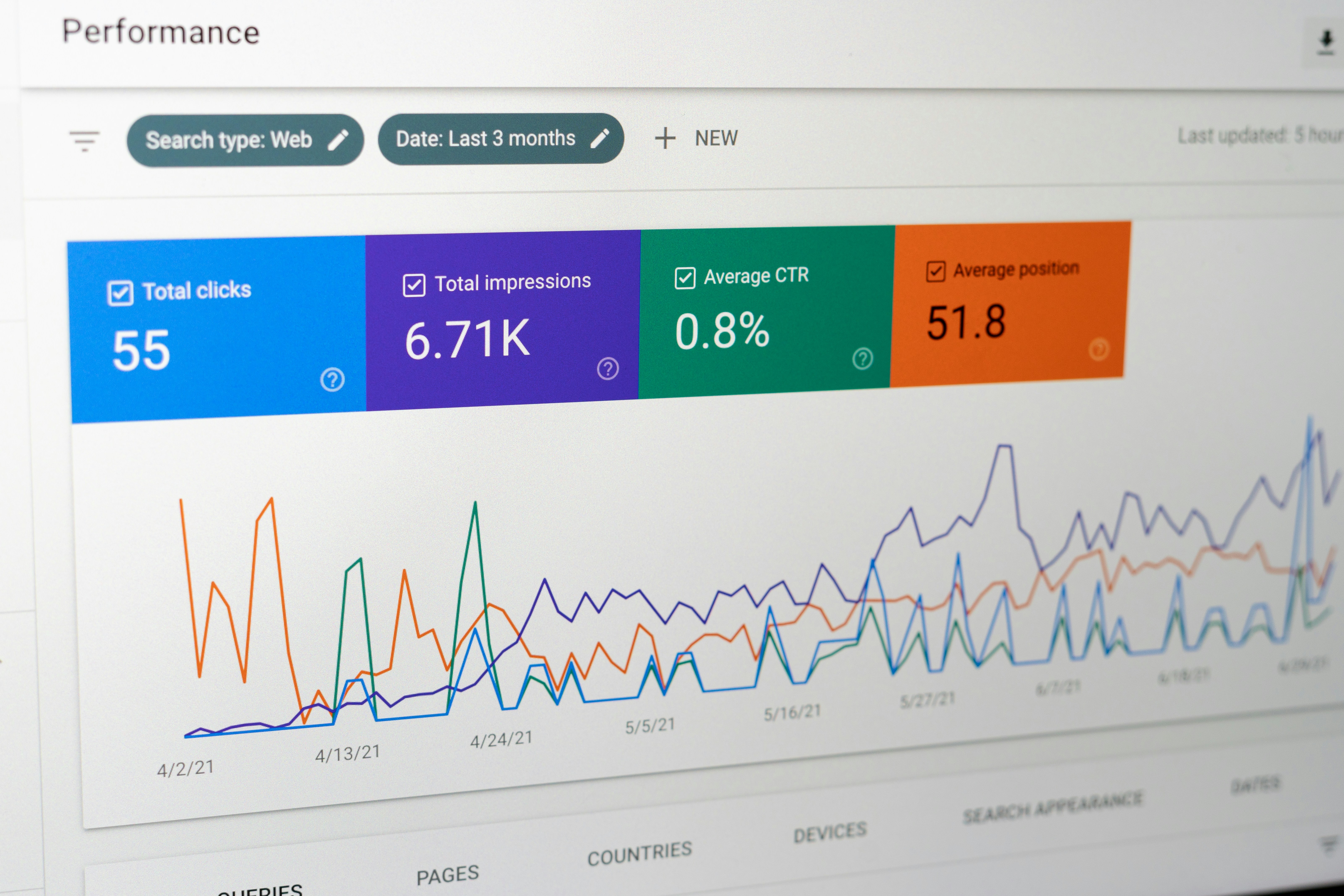
Introduction to SEMrush
SEMrush is a comprehensive digital marketing platform that has gained prominence for its robust suite of tools, designed specifically to enhance online visibility and optimize marketing strategies. As a key player in the field of search engine optimization (SEO) and digital marketing analytics, it provides users with valuable insights into various performance metrics. Its main purposes revolve around assisting marketers in understanding their website’s standing in a competitive online landscape, conducting keyword research, and analyzing competitors’ strategies.
One of the standout features of SEMrush is its ability to conduct thorough traffic analysis. By leveraging its extensive database of web analytics, users can ascertain the effectiveness of their marketing efforts. The platform allows users to track organic search performance, analyze the quality of backlinks, and examine the behavior of website visitors. This functionality is crucial for marketers aiming to refine their strategies and enhance user engagement.
Moreover, SEMrush encompasses a multitude of tools aimed at different aspects of digital marketing. From the domain overview tool that provides essential metrics like organic traffic and paid search traffic, to the site audit feature which identifies on-site issues hindering performance, SEMrush enables marketers to make data-driven decisions. Many professionals rely on SEMrush for its ability to deliver accurate traffic insights, guiding them in the development of effective strategies to boost online performance.
In summary, SEMrush serves as an indispensable tool for digital marketers seeking to optimize their campaigns and improve their website’s performance. Its comprehensive traffic analysis capabilities, among other features, make it a preferred choice for those looking to gain a competitive edge in the ever-evolving digital marketplace.
Understanding Web Traffic Measurement
Web traffic measurement encompasses the processes and methodologies employed to quantify the volume and behavior of visitors engaging with a website. Accurate measurement is fundamental for marketers and businesses, as it allows them to gauge the effectiveness of their digital strategies and optimize their online presence. Various metrics are used to assess web traffic, including page views, unique visitors, session duration, and bounce rates. Each of these metrics offers a unique insight into user interaction and the overall performance of a site.
One of the primary methods utilized in measuring web traffic is the use of tracking scripts embedded within web pages. These scripts collect data on user interactions, essentially acting as a digital fingerprint for each visitor. This method helps in accurately determining how many users are engaging with a site at any given time. Moreover, advanced analytics tools, such as SEMrush, provide further clarity on user behavior, generating reports that can analyze trends and patterns in traffic flow.
Additionally, methodologies such as user agent string tracking allow for the identification of devices and browsers used by visitors, thereby providing deeper insights into the demographics of a website’s audience. This contributes to a holistic understanding of how traffic is distributed across different channels and sources. Getting a comprehensive picture of web traffic is essential for businesses looking to improve their user engagement and conversion rates.
Understanding web traffic measurement is crucial for evaluating a company’s online performance and informing marketing strategies. While tools like SEMrush can provide estimations of web traffic, the accuracy of these figures needs to be considered within the context of the methodology employed. Recognizing the nuances of web traffic measurement enables marketers to make informed decisions, ultimately enhancing their online visibility and effectiveness.
How SEMrush Estimates Traffic
SEMrush employs a multifaceted approach to estimate website traffic, integrating a combination of proprietary algorithms, third-party data sources, and audience segmentation techniques. The foundation of SEMrush’s traffic estimation lies in its sophisticated technology that analyzes various parameters from numerous sources. This proprietary technology aggregates data from millions of domains, delivering insights into website performance and user engagement.
One of the key elements in estimating traffic is the analysis of keywords. SEMrush accurately tracks keyword rankings and search volume, which can indicate potential traffic influx. The platform considers both organic and paid search data, ensuring a comprehensive view of a website’s visibility across search engines. By understanding how many users could potentially land on a site through specific keywords, SEMrush creates a clearer picture of traffic expectations.
Additionally, SEMrush utilizes third-party data to complement its proprietary insights. By leveraging data from related services, the platform gains access to metrics about user behavior across similar websites. This allows SEMrush to refine its traffic estimates further, as it can analyze patterns and trends derived from a broader spectrum of online activity.
Audience segmentation also plays a significant role in optimizing traffic estimates. SEMrush categorizes websites based on their niche and the demographics of their audiences. This segmentation enables the platform to generate tailored traffic predictions by considering the unique characteristics and behaviors of different user groups. Overall, this combination of algorithms, third-party data, and audience insights allows SEMrush to provide robust traffic estimates, while also prompting users to interpret data critically, ensuring a balanced view of the estimated metrics.
Comparing SEMrush Traffic Estimates with Other Tools
When assessing whether SEMrush traffic estimates hold accuracy compared to other tools, it is crucial to evaluate various factors, namely accuracy, usability, cost, and their standings in the industry. Each of these tools employs different methodologies for data collection, which inevitably leads to variations in traffic estimations.
Google Analytics remains the gold standard for traffic measurement due to its direct integration with websites. It offers real-time insights into actual visitor behaviors, making it a preferred choice for many webmasters. However, it is limited to only those sites that have the analytics code implemented, leaving a gap for comparative performance analysis. In terms of accuracy, SEMrush may be less precise since it is based on estimated data derived from a combination of various metrics rather than actual traffic numbers.
Ahrefs, another prominent competitor, specializes in backlink data analysis but also offers traffic estimates. Its model focuses on organic search traffic through keyword rankings. While useful for SEO practitioners, these estimations can vary significantly from real traffic numbers recorded in Google Analytics. Many users note that SEMrush provides more comprehensive digital marketing features compared to Ahrefs, yet accuracy can fluctuate based on the website’s niche and link profile.
SimilarWeb operates on a different premise, aggregating data from various sources, including ISP data, to provide traffic insights. Users often find SimilarWeb to be user-friendly, though concerns about its accuracy have been noted, especially for smaller websites. In this regard, SEMrush tends to offer a more cohesive suite of marketing tools, providing the user with an extensive platform for optimizing their marketing strategies, although its accuracy may also be questioned.
Overall, while SEMrush traffic estimates are a valuable component of a broader digital strategy, users are encouraged to corroborate its findings with additional tools to gain a deeper understanding of their web performance and visitor behaviors.
Common Misconceptions about SEMrush Data
SEMrush has become a widely respected tool for digital marketing professionals, known primarily for its ability to provide estimates on website traffic, keyword rankings, and competitive analysis. However, several misconceptions surround the accuracy of SEMrush traffic data, leading users to misinterpret the provided metrics. One prevalent myth is that SEMrush offers precise traffic numbers comparable to those from analytics tools like Google Analytics. In reality, SEMrush utilizes a unique methodology based on data sources such as clickstream data and estimated search volume, resulting in estimates rather than exact figures.
Another common misunderstanding is that SEMrush does not account for seasonal variations or shifts in user behavior. Users often assume that the traffic estimates are static and fail to recognize that traffic can fluctuate based on numerous factors including seasonal trends, marketing campaigns, and changes in search engine algorithms. While SEMrush provides a valuable snapshot, the data should be interpreted in context and not used solely to anticipate future performance.
Moreover, many users believe that SEMrush traffic data is entirely reliable for benchmarking against competitors. While SEMrush allows users to compare their site’s performance against that of rivals, differences in industry, geographic targeting, and audience behavior can skew these comparisons. Therefore, it is crucial to consider the broader industry landscape when using SEMrush for competitive analysis.
Lastly, there is a misconception that all traffic sources are equally represented in SEMrush’s estimates. While the tool excels in organic search metrics, the accuracy of data related to direct, referral, and social traffic can be less robust. Understanding these limitations and recognizing the scope of SEMrush traffic data enables users to make more informed decisions regarding their digital marketing strategies, ultimately fostering a more comprehensive understanding of their site’s performance.
User Experiences and Case Studies
The reliability of SEMrush traffic metrics has been a subject of discussion among digital marketers and business owners. Numerous case studies and user experiences provide insight into its practical applications and the accuracy of the reported traffic data. Many users have shared their experiences with SEMrush, noting that while the tool’s traffic estimates may not always align perfectly with their actual traffic figures, they often reflect general trends and patterns.
For instance, a mid-sized e-commerce business utilizing SEMrush noted that the platform accurately identified their top-performing pages and keywords. This information enabled them to optimize their content strategy and improve their search engine rankings, ultimately leading to a significant increase in organic traffic. Users have reported that while SEMrush traffic estimates may deviate slightly from analytics tools, they remain valuable for competitive analysis and market research.
Another case study involves a startup in the tech industry, which leveraged SEMrush to analyze competitor traffic. The startup found that SEMrush’s traffic estimates provided a reliable understanding of market positioning and audience behavior. Through this lens, the company gained insights into its competitors’ strengths and weaknesses, allowing for data-driven decision-making about SEO strategies and content development.
Furthermore, many users mention the importance of using SEMrush not as a standalone measure of success but as part of a broader analytics ecosystem. Integrating SEMrush data with tools like Google Analytics resulted in a more comprehensive view of user behavior and traffic sources, confirming that while SEMrush traffic may not be perfectly accurate, it can effectively guide marketers in honing their tactics.
In conclusion, user experiences and case studies indicate that SEMrush traffic aligns closely with real-world applications. While there may be occasional discrepancies in the numbers, the trends identified by the tool can significantly benefit various types of businesses in achieving their marketing objectives.
Tips for Using SEMrush Effectively
To maximize the benefits of SEMrush for traffic analysis, users should adhere to several practical tips that enhance the understanding and interpretation of data. First and foremost, familiarize yourself with the various features and tools SEMrush offers. The platform is equipped with tools for traffic analytics, keyword research, and competitor analysis, each of which serves a unique purpose. By navigating through these tools, users can better understand the nuances of web traffic data and how it contributes to overall digital marketing strategy.
Understanding how to interpret data is crucial. Regularly monitor your website’s traffic metrics, such as sessions, unique visitors, and bounce rate. Utilize SEMrush’s traffic overview feature to gain insights into trends over time. This data will allow you to identify any significant fluctuations and correlate them with your marketing efforts. It is also beneficial to benchmark your performance against competitors. The ‘Traffic Analytics’ section of SEMrush allows users to compare their website with industry standards and competitor metrics, which can inform you of potential areas for improvement.
Optimization of campaigns is another fundamental aspect of using SEMrush effectively. Leverage the Keyword Magic Tool within the platform to identify high-traffic keywords relevant to your niche. Once you have selected appropriate keywords, regularly monitor their performance through the Position Tracking tool. Adjusting your content strategy based on keyword performance can significantly enhance your site’s visibility. Finally, utilize the ‘Site Audit’ feature to identify and resolve issues affecting traffic, ensuring that your website remains optimized for search engines and users alike.
By following these tips, users can gain a comprehensive understanding of how to leverage SEMrush effectively for traffic analysis, ultimately leading to more informed decisions and improved campaign outcomes.
The Importance of Combining Tools
When assessing the accuracy of website traffic, relying solely on one tool may not provide a complete picture of performance. While SEMrush is a powerful platform that offers various features for analyzing traffic data, it is essential to employ a multi-tool approach to achieve a more comprehensive understanding. Combining SEMrush with other analytics platforms, such as Google Analytics and social media analytics tools, can yield valuable insights that could be overlooked if only one source is utilized.
Using multiple tools allows marketers and analysts to triangulate data points. SEMrush offers estimations of traffic based on keyword performance and visibility, which can be beneficial for evaluating organic search potential. However, these estimates may not always accurately reflect actual traffic experienced by a site. Google Analytics, on the other hand, provides robust tracking of user behavior, real-time site engagement, and funnel analysis, ensuring a more precise and detailed account of web traffic. Integrating insights from both SEMrush and Google Analytics reinforces the accuracy of traffic assessments.
Furthermore, each analytics tool may provide unique metrics and perspectives on traffic that can enhance overall performance strategies. For instance, social media tools may dive deep into user engagements and referral traffic, illustrating how social platforms contribute to a site’s visitor numbers. By amalgamating these varied tools, marketers can better understand user journeys, pinpoint areas for improvement, and adapt their SEO and content strategies accordingly.
Incorporating a combination of analytics tools is essential for producing a balanced and accurate view of website performance. The question, “is SEMrush traffic accurate?” is more easily answered with the help of other resources that validate and support SEMrush’s findings, ultimately leading to more informed marketing decisions and improved outcomes.
Conclusion and Final Thoughts
The accuracy of SEMrush traffic estimates has been a focal point of discussion among digital marketers and SEO professionals. Through our analysis, it becomes evident that while SEMrush provides valuable insights into web traffic and competitor analysis, the precision of its traffic estimates can vary. SEMrush employs a methodology that incorporates historical data, site performance metrics, and search trends to generate its figures; however, these estimates should be viewed as approximations rather than exact numbers. Users should be aware of the inherent limitations of the tool, as its traffic data may not account for all factors affecting website performance.
Additionally, it is important to highlight that SEMrush traffic estimates work best when used in conjunction with other analytics tools. Relying solely on SEMrush can result in an incomplete picture of a website’s performance. Therefore, for those seeking to achieve a comprehensive understanding of traffic dynamics, integrating SEMrush with other source data, such as Google Analytics or proprietary traffic measurement tools, is advisable. This multi-faceted approach will provide a more robust understanding of web performance and competitor positioning.
In summary, SEMrush is indeed a powerful tool that can enhance one’s digital marketing strategy by offering valuable insights into website traffic patterns. However, users must approach the data with a critical eye and employ additional resources to validate findings. SEMrush can guide marketing efforts when used correctly, making it a beneficial asset in any digital marketing toolkit. We encourage readers to explore SEMrush further and leverage the insights it offers to refine their strategies and enhance their online presence.