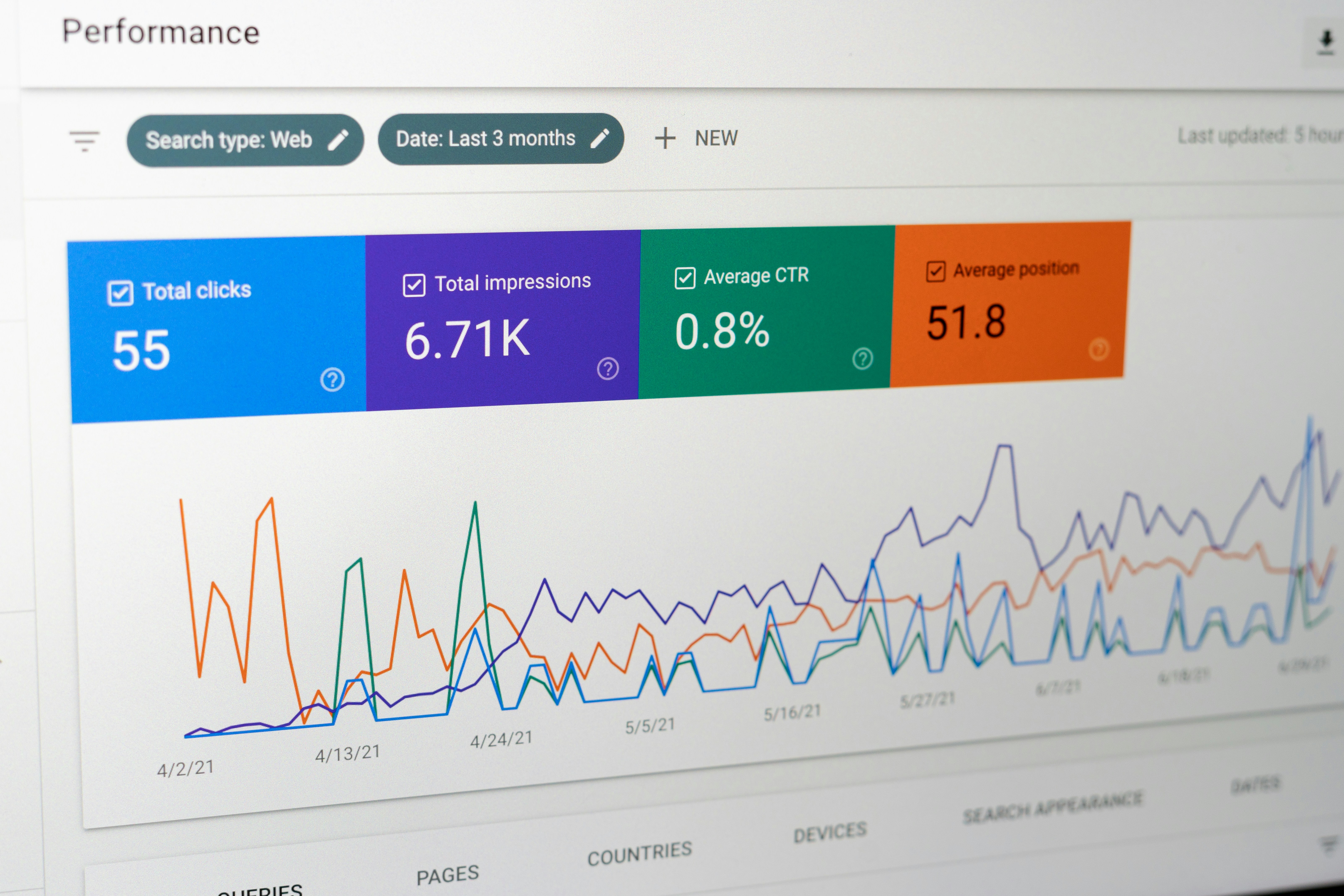
Introduction to Looker Studio
Looker Studio, formerly known as Google Data Studio, serves as a powerful data analytics and visualization tool that allows users to transform raw data into actionable insights. Its primary purpose is to assist businesses and analysts in making data-driven decisions by providing a comprehensive platform to visualize, analyze, and share data. By aggregating datasets from various sources, Looker Studio enables users to create interactive reports and dashboards tailored to their specific needs.
The user interface of Looker Studio is designed to be intuitive and user-friendly, accommodating both technical and non-technical users. The drag-and-drop functionality allows for easy customization of reports, making it accessible to individuals across different business sectors. Users can incorporate a range of visual elements, including charts, graphs, and tables, to represent their data effectively. The tool also offers collaboration features, enabling teams to work together in real-time and share insights seamlessly.
Looker Studio can connect to a wide variety of data sources, ensuring versatility in data management. It supports connections to Google products like Google Sheets and Google Analytics, alongside external databases such as BigQuery, PostgreSQL, and MySQL. This diverse connectivity allows organizations to aggregate data from multiple platforms, enhancing the robustness of their analyses and reports.
The evolution of Looker into Looker Studio reflects the growing importance of data analytics in today’s business landscape. Originally launched as a business intelligence platform, Looker was acquired by Google in 2019, marking a significant milestone in its journey. With enhanced capabilities and integration with Google’s ecosystem, Looker Studio is poised to play a critical role in helping businesses harness the full potential of their data, fostering a culture of data literacy and informed decision-making.
The Importance of Data Analytics
Data analytics has emerged as a transformative force in the modern business landscape, driving strategic decision-making and enhancing operational efficiency across a variety of sectors. In an era characterized by information overload, the ability to analyze and interpret data effectively is vital for organizations seeking a competitive edge. Leveraging data analytics allows businesses to uncover valuable insights that inform their strategies, optimize processes, and refine customer experiences.
One of the primary advantages of data analytics is its capability to facilitate data-driven decision-making. Organizations that implement robust data analytics frameworks can rely on empirical evidence rather than intuition to guide their strategic choices. For instance, in the retail industry, businesses utilize analytics to understand customer preferences, track purchasing behaviors, and predict future trends. This enables retailers to tailor their offerings and marketing strategies, ultimately resulting in increased sales and customer satisfaction.
Additionally, data analytics plays a crucial role in improving operational efficiency. By analyzing workflows and performance metrics, organizations can identify bottlenecks and inefficiencies within their processes. This is particularly evident in the manufacturing sector, where companies harness analytics to monitor production lines’ performance, optimize inventory levels, and reduce waste. Implementing such insights leads to streamlined operations, cost savings, and enhanced productivity.
Moreover, the significance of data analytics extends to improving customer experiences. Service-oriented industries, such as hospitality and healthcare, are leveraging data to gain insights into customer feedback and behavior. By analyzing this information, these organizations can enhance service delivery and personalize offerings, ultimately fostering customer loyalty. For instance, hotels utilize guest data to personalize stays, ensuring that amenities align with individual preferences.
In essence, data analytics serves as a critical tool for organizations across various industries. By leveraging data insights, businesses can drive strategic decisions, improve operational efficiency, and enhance customer experiences, positioning themselves for success in a data-driven world.
Understanding Looker Studio Analytics Components
Looker Studio Analytics is an advanced analytics platform that aids users in transforming raw data into actionable insights. To fully appreciate the functionality of Looker Studio, it is crucial to understand its various components, which include metrics, dimensions, measures, filters, and data visualizations.
Metrics are the quantitative aspects of your data, reflecting performance outcomes that can be measured, such as revenue, user engagement, or the number of transactions. They are critical indicators that help businesses interpret data trends and evaluate their performance against set objectives.
Dimensions, on the other hand, serve as the categorical variables that provide context to the metrics. They represent characteristics or attributes of the data, such as time, location, or product type. By categorizing the data, dimensions allow for deeper analysis and the ability to break down metrics by various segments.
Measures are akin to metrics but are typically used to denote calculations derived from one or more metrics. For instance, a measure might include average sales per customer or percentage conversion rates. This distinction is important as it highlights different ways data can be interpreted and analyzed.
Filters empower users to refine their analytics by excluding or including specific data sets based on chosen criteria. By applying filters, organizations can focus their analysis on particular demographics, time frames, or other relevant characteristics, yielding more precise insights.
Lastly, data visualizations are the graphical representations of data, such as charts and graphs, that enhance understanding by presenting complex information in a digestible format. Effective visualizations enable stakeholders to quickly grasp trends and patterns, facilitating informed decision-making.
Each of these components plays a vital role in the analytical process within Looker Studio. Their combined functionality provides a robust framework for analyzing data, empowering users with comprehensive insights to drive business strategies effectively.
Introduction to Canvas in Looker Studio
Looker Studio has significantly evolved the way performance metrics and data insights are visualized. One of its standout features is the Canvas, a powerful tool that allows users to craft personalized dashboards and reports seamlessly. The Canvas feature is designed with user-friendly functionality, enabling drag-and-drop simplicity that enhances accessibility for both novice and seasoned data analysts.
The versatility of Canvas empowers users to curate their visualizations, which can be tailored to meet specific analytical needs. By offering a customizable environment, users can engage with their data more intuitively, selecting from a variety of components such as charts, tables, and other visual elements that best represent their insights. This level of flexibility not only streamlines the data presentation process but also significantly improves the overall user experience.
Additionally, the Canvas’ drag-and-drop functionality allows users to rearrange their data visualizations with ease, facilitating a more straightforward way to emphasize critical metrics and findings. This feature ensures that users can readily adapt their reports to highlight the most pertinent information, making it easier for stakeholders to grasp complex data sets quickly. Furthermore, through Canvas, users can implement various customization options such as adjusting colors, labels, and formats, which contribute to creating a visually appealing and coherent representation of data.
Overall, Looker Studio’s Canvas feature stands out as an essential tool for anyone looking to enhance their data storytelling. It not only simplifies the process of creating personalized dashboards but also invites users to explore their data creatively. With its myriad customization options and intuitive interface, Canvas is redefining how users interact with and interpret their data in Looker Studio.
Utilizing Google Apps Script in Looker Studio
Google Apps Script is a powerful tool that allows users to extend and automate various Google Workspace applications, including Looker Studio. By integrating Apps Script with Looker Studio, users can significantly enhance their analytics capabilities, streamline workflows, and automate repetitive tasks. This section explores how Apps Script can be utilized effectively within Looker Studio to improve productivity and user experience.
One of the primary advantages of using Google Apps Script in Looker Studio is the ability to automate data fetching. Often, users need to gather data from multiple sources to create comprehensive reports. With Apps Script, it is possible to write custom scripts that automatically pull data from Google Sheets, Google Analytics, or other APIs. This integration saves time and ensures that users always work with up-to-date information when generating reports in Looker Studio.
In addition to data fetching, Apps Script can facilitate report scheduling. Users can schedule automated generation of reports at regular intervals, ensuring stakeholders receive the information they need without manual intervention. This functionality helps maintain a consistent flow of insights, allowing teams to make informed decisions based on the latest data trends.
Moreover, Apps Script can be employed to set up custom notifications within Looker Studio. For instance, users can create triggers that send email alerts to specific team members when certain metrics exceed predefined thresholds. This proactive approach enhances responsiveness and allows businesses to react swiftly to changes in their data landscape.
Overall, the integration of Google Apps Script with Looker Studio opens up numerous opportunities for improving data management and reporting processes. By automating tasks, improving efficiency, and providing timely insights, users can significantly enhance their analytics experience and drive better decision-making outcomes.
Building Custom Reports Using Looker Studio
Creating custom reports in Looker Studio can significantly enhance the way data is analyzed and communicated within an organization. To begin, the first step involves selecting the appropriate data sources. Looker Studio supports various data connectors that can interface with sources such as Google Sheets, BigQuery, and other databases. Choosing the right data source is crucial, as it sets the foundation for accurate and insightful reporting.
After selecting the data source, applying filters is essential to focus your report on specific metrics. Filters allow users to refine the dataset to include only the relevant information, which increases the report’s clarity and impact. Using the filter section effectively enables the customization of reports according to departmental needs or specific project goals. It is advisable to keep filters intuitive and straightforward to enhance user experience.
Once the data is filtered, leveraging the available visualizations comes next. Looker Studio provides a variety of chart types, tables, and graphs that can be tailored to illustrate the data effectively. Visual representation assists in quickly conveying insights and trends that may be difficult to express through raw numbers alone. It is beneficial to choose visualizations that best represent the data type—bar charts for comparisons, line charts for trends, or pie charts for distributions.
Best practices in report design should also be observed. This includes ensuring that the layout is clean and uncluttered, using a consistent color palette, and maintaining a logical flow of information. Reports should be actionable, enabling end-users to derive insights easily and make informed decisions. Incorporating a summary section or key takeaways at the end of the report can help in highlighting the most significant findings, guiding readers toward actionable steps based on the analysis presented.
Best Practices for Analytics with Looker Studio
Utilizing Looker Studio analytics effectively requires adherence to best practices that ensure data quality, governance, and optimization. First and foremost, data governance is essential. Organizations must establish comprehensive guidelines governing data access, usage, and integrity. By designating data stewards who oversee data management, organizations can enhance reliability and trust in the analytics produced. Furthermore, utilizing metadata and documentation allows team members to understand the context of data, improving overall data quality.
Ensuring data quality is paramount for accurate analytics insights. This can be achieved through regular data audits that identify inconsistencies and inaccuracies. Data cleansing techniques should be implemented to remove duplicates, correct errors, and validate sources. Collaborating with team members to share data quality findings encourages a culture of accountability in maintaining high standards. It’s also beneficial to leverage Looker Studio’s built-in features for monitoring data freshness and integrity.
Collaboration plays a crucial role in maximizing analytics capabilities. Looker Studio fosters a collaborative environment by allowing multiple users to create, modify, and analyze reports simultaneously. Establishing clear communication channels among team members facilitates knowledge sharing and ensures alignment on analytics objectives. Regular meetings to discuss analytics findings and strategies for improvement can lead to enhanced outcomes across projects.
Continuous optimization of reports is vital for keeping analytics relevant and actionable. Periodic evaluations of existing reports and dashboards enable teams to identify outdated metrics and adjust visualizations accordingly. Incorporating user feedback ensures that analytics outputs address the evolving needs of stakeholders. Additionally, investing in training sessions fosters skill development among team members, empowering them to effectively leverage Looker Studio’s features and functionalities.
By focusing on these best practices, organizations can enhance their data-driven decision-making capabilities and maximize the value generated from Looker Studio analytics.
Common Challenges and Solutions
Working with Looker Studio can offer valuable insights through data analytics; however, users may encounter several common challenges that can hinder their experience. One of the primary issues is data integration. Organizations often utilize diverse data sources, which can complicate the process of unifying this information within Looker Studio. Inconsistent data formats, varying update frequencies, and system compatibility can lead to data integration issues, making it challenging to derive accurate insights. To address these concerns, users should establish an efficient data pipeline that ensures compatibility between sources. Employing tools such as ETL (Extract, Transform, Load) processes can significantly streamline data integration.
Another notable concern is performance bottlenecks, especially when dealing with large datasets. Users may experience slow loading times or delayed report generation, which can impact project timelines and decision-making processes. To mitigate performance issues, it is essential to optimize queries within Looker Studio. This may involve refining SQL queries to enhance efficiency, reducing the dataset size by filtering irrelevant data, or utilizing aggregations when possible. Regularly monitoring performance metrics can also help identify and resolve slow-downs promptly.
User adoption can also pose a challenge, particularly in organizations where stakeholders may be resistant to change or are unfamiliar with Looker Studio’s features. To facilitate user adoption, organizations should consider providing comprehensive training sessions and resources. Creating a supportive environment that encourages experimentation without fear of failure can also significantly boost user confidence. Establishing a user community where individuals can share their experiences and offer helpful tips can further enhance user engagement. Addressing these common challenges with practical solutions enables users to maximize the benefits of Looker Studio analytics and improve their overall experience.
Conclusion and Future of Looker Studio Analytics
Throughout this blog post, we have explored the robust capabilities of Looker Studio Analytics and its integration with technologies like Canvas and Apps Script. Key functionalities such as data visualization, collaboration, and report generation have been highlighted, showcasing how organizations can leverage these tools to enhance their data-driven decision-making processes. By utilizing Looker Studio Analytics, teams can not only generate insightful reports but also foster an environment of collaborative analytics where data is easily accessible and understandable.
Looking ahead, the future of Looker Studio and data analytics appears promising, as emerging trends such as artificial intelligence (AI) and machine learning (ML) are becoming increasingly integrated into analytics platforms. These technologies are poised to revolutionize the way data is analyzed, enabling organizations to uncover deeper insights, automate routine tasks, and enhance the accuracy of predictions. Furthermore, the role of real-time analytics is becoming more crucial as businesses require instant insights to remain competitive in a fast-paced market. The ability to make data-driven decisions grounded in real-time information can significantly influence operational efficiency and strategic planning.
It is essential for organizations to keep abreast of these developments in Looker Studio Analytics and the broader analytics landscape. As tools continue to evolve, adopting a proactive approach to learning and integrating new analytics strategies will be vital for success. Organizations that embrace these changes are likely to gain a competitive edge, leveraging advanced analytics to optimize performance and drive growth. By investing in knowledge around these emerging trends, businesses will be better equipped to make informed decisions and achieve long-term success.