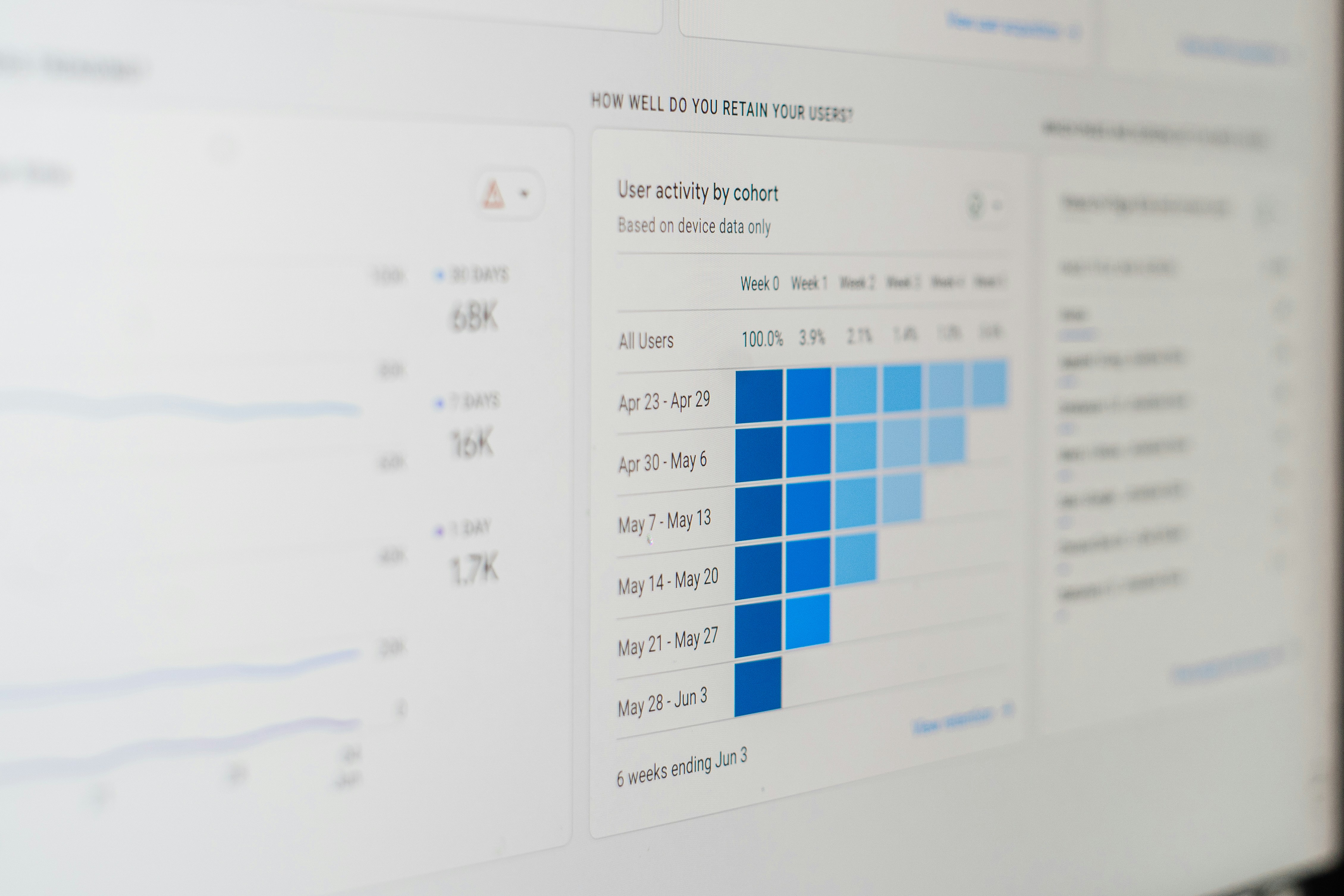
Introduction to Looker Studio
Looker Studio is a powerful data analytics and visualization platform designed to empower businesses to make data-driven decisions. As organizations increasingly rely on data to drive their strategies and operations, Looker Studio emerges as a vital tool that facilitates the efficient analysis of diverse datasets, including social data. This platform allows users to convert raw data into insightful visual representations, thereby enhancing their analytics capabilities.
The primary purpose of Looker Studio is to provide intuitive interfaces for exploring and visualizing complex datasets. Users can create custom dashboards, reports, and visualizations that reflect their unique business needs. By integrating various data sources, Looker Studio enables organizations to comprehensively assess their social data in the context of overarching business objectives. This functionality is particularly beneficial as it allows users to glean actionable insights from their analytics, fostering informed decision-making.
Furthermore, Looker Studio integrates seamlessly with other tools and platforms, ensuring that organizations can pull in data from multiple sources for a holistic view. This feature is crucial for those looking to analyze social data alongside other metrics, thereby providing a richer context for digital strategies. The platform employs advanced analytics capabilities, which empower users to conduct in-depth analysis of their social media performance and audience engagement.
In a rapidly changing business environment, Looker Studio stands out as an essential solution for organizations committed to leveraging their data assets. By providing robust visualization and analytical capabilities, Looker Studio facilitates an understanding of social data trends and performance metrics. Its user-friendly design and powerful functionality make it an indispensable tool for modern businesses aiming to derive meaningful insights from their analytics efforts.
Importance of Analytics in Social Data
In the contemporary business landscape, the significance of analytics in social data cannot be overstated. The rise of social media platforms has created a vast reservoir of data that, if leveraged correctly, can provide invaluable insights into consumer behavior, market trends, and overall brand performance. By employing analytics, businesses can decode this information, translating raw data into actionable intelligence that drives informed decision-making.
One of the primary advantages of analyzing social data is its ability to inform marketing strategies. By examining how consumers interact with brand content across various social channels, businesses can identify which types of messages resonate most effectively with target demographics. This enables the creation of tailored campaigns that enhance engagement and conversion rates. Moreover, metrics derived from social media interactions can guide future content creation and optimize resource allocation, ensuring that marketing efforts yield maximum return on investment.
Customer insights derived from social data analytics play a pivotal role in understanding clientele preferences and behaviors. This heightened awareness helps in crafting personalized experiences that enhance customer loyalty and satisfaction. Furthermore, social data serves as a real-time feedback mechanism, allowing businesses to gauge public sentiment towards a brand or product, enabling them to adjust their offerings to better align with consumer expectations.
Brand engagement, facilitated through analytics, fosters a deeper connection between businesses and their audiences. Through continuous monitoring of social interactions, brands can identify trends and themes within their communities, fostering a two-way dialogue that enhances brand loyalty. Consequently, leveraging analytics in social data not only aids in understanding the present landscape but also empowers businesses to anticipate future changes and prepare effectively.
In conclusion, the strategic importance of analytics in social data is evident. Through its application, businesses can refine their marketing strategies, deepen customer insights, and enhance brand engagement, ultimately leading to better decision-making and sustained competitive advantage.
Setting Up Looker Studio for Social Data Analytics
To effectively leverage Looker Studio for enhanced analytics of social data, it is essential to begin with a solid setup. The first step involves accessing Looker Studio, which can be done through your Google account. Once you are logged in, you will find the option to create a new report. This report serves as the foundation for your analytical endeavors.
After initiating a new report, you need to connect your desired social data sources. Looker Studio supports integration with various platforms such as Facebook, Twitter, Instagram, and LinkedIn. To start this integration, click on the ‘Add Data’ button and then search for the connector that aligns with your social media platform. The connector facilitates the transfer of social data into Looker Studio, enabling you to analyze content performance, audience engagement, and other key metrics.
Upon selecting the appropriate connector, follow the prompts to authenticate your account. This process may include entering your login credentials for the selected social media platform and granting Looker Studio access to your data. It is crucial to ensure that the necessary permissions are granted for the analytics to be comprehensive and accurate.
Once the connection is established, you can customize your data selection by choosing specific metrics and dimensions relevant to your analysis. Looker Studio provides an intuitive interface to filter and select data fields that matter most to your social media strategy. For instance, you can focus on metrics such as impressions, clicks, likes, and shares.
Finally, after data integration and customization, you are ready to create visualizations that represent your social data analytics effectively. Looker Studio offers various chart types and layout options to tailor the presentation of analytics to your audience. By following these steps, you will have successfully set up Looker Studio for an insightful analysis of social data.
Key Features of Looker Studio for Social Data
Looker Studio offers several distinctive features designed to optimize the analysis of social data, making it a powerful tool for organizations looking to leverage analytics for improved decision-making. One of its standout attributes is the advanced visualization tools, which enable users to create interactive and visually appealing dashboards. These dashboards can be customized to highlight key performance indicators (KPIs) relevant to social media campaigns, allowing stakeholders to easily identify trends and monitor performance at a glance. By providing various chart types and visualization options, Looker Studio ensures that the data can be comprehensively understood and insights can be derived quickly.
Another notable feature of Looker Studio is its robust data modeling capabilities. It simplifies the process of integrating disparate data sources, such as social networks, web analytics tools, and customer relationship management (CRM) systems. This integration allows users to build a cohesive dataset that offers a holistic view of social performance. The seamless connectivity to various data sources ensures that the analytics developed from social data are not only accurate but also actionable. Furthermore, Looker Studio supports derived tables and user-defined metrics, empowering analysts to create tailored reports that suit specific marketing objectives.
Real-time reporting functions further set Looker Studio apart in the realm of social data analytics. Users can create live dashboards that reflect real-time performance metrics, enabling them to react promptly to shifts in social media engagement or trends. This immediacy is crucial for making informed decisions, particularly in time-sensitive marketing environments. With the ability to publish objective reports that stakeholders can access instantly, organizations can foster a data-driven culture by ensuring that everyone has access to the most current social analytics available.
Building Effective Dashboards for Social Data
Creating effective dashboards in Looker Studio for social data requires a thoughtful approach that aligns visual presentation with the analytical goals of the users. A well-structured dashboard can significantly enhance the decision-making process by delivering key insights drawn from analytics. The first step is to define the primary metrics that are valuable to your audience. Metrics such as engagement rates, reach, and impressions are critical for understanding social performance.
Once the key performance indicators (KPIs) have been established, the next step is selecting appropriate visualization types that convey the data effectively. Bar charts can be useful for comparing performance across different social platforms, while line graphs can illustrate trends over time, making it easier for users to detect patterns. Additionally, pie charts may be applicable for showing the distribution of engagement types among various content pieces. Combining different visualization types within a single dashboard can provide a comprehensive view of the social analytics landscape.
Moreover, the layout of the dashboard plays an essential role in user engagement. Adopting a clean and intuitive design ensures users can navigate the dashboard effortlessly. It is advisable to organize the information hierarchically, placing the most critical metrics at the top and subsequently introducing detailed views. Consideration of color coding can also enhance the visual appeal and help in quickly identifying performance levels, with color gradients representing varying degrees of success.
To maximize user engagement, dashboards should be interactive, allowing users to filter by date ranges or specific social platforms. Such interactive features create an engaging experience, enabling users to delve deeper into the analytics and extract insights tailored to their needs. By implementing these strategies, users can optimize their utilization of Looker Studio to gain a clearer perspective on social data.
Using Looker Studio for Social Media Campaign Analytics
In the current digital landscape, businesses are increasingly relying on data-driven decisions to optimize their social media strategies. Looker Studio, with its robust capabilities, enables organizations to analyze and enhance the performance of their social media campaigns effectively. This platform provides tools that facilitate in-depth tracking of campaign performance, audience engagement metrics, and overall return on investment (ROI).
To begin with, Looker Studio allows users to create comprehensive dashboards that consolidate various social data inputs. By integrating data from multiple social media platforms, businesses can gain a holistic view of their campaign performance. These dashboards can be customized to reflect specific metrics relevant to the business objectives, such as impressions, clicks, and conversions. With these insights, marketers can easily identify which campaigns resonate with their audience and which require adjustments.
Furthermore, analyzing audience engagement becomes more streamlined through Looker Studio’s analytics capabilities. The platform enables users to delve into engagement metrics, such as likes, shares, comments, and click-through rates. By segmenting this data by demographics, time frames, or content types, businesses can uncover actionable insights that drive engagement. Such in-depth analysis is crucial in understanding what type of content prompts interaction and which channels are most effective in reaching target audiences.
Lastly, the ROI of social media campaigns can be effectively monitored using Looker Studio. By correlating social media performance data with sales or lead generation metrics, businesses can ascertain the financial impact of their campaigns. Regularly updating this data helps in making informed decisions regarding budget allocations and strategy refinements. Looker Studio combines powerful analytics with an intuitive interface, making it an indispensable tool for any business seeking to leverage social media for enhanced marketing performance.
Interpreting Social Data Insights
Analyzing social data in Looker Studio provides critical insights that can drive strategic decisions for marketing and engagement. One of the primary metrics analyzed in social data includes engagement rates, which measure how actively users respond to various posts. Engagement can be quantified through likes, shares, comments, and overall interactions, offering a comprehensive view of audience interest. Additionally, reach and impressions are essential metrics to consider, as they illustrate the breadth of content visibility among target demographics.
Once these metrics are extracted from Looker Studio, translating them into actionable strategies becomes paramount. For instance, if a specific type of content—such as video posts—demonstrates higher engagement, marketers can focus on creating more video content to capitalize on this success. Prioritizing the content format that resonates most with the audience can lead to improved brand loyalty and higher conversion rates.
Moreover, the analytics feature in Looker Studio allows for the evaluation of various campaigns over time, enabling businesses to identify trends in social media performance. Understanding these trends aids in refining content strategies, optimizing posting times, and targeting specific audience segments more effectively. These insights are crucial for crafting a robust social media plan that aligns with overall business objectives.
Integrating the insights derived from Looker Studio ad analytics ensures that decision-making is data-driven. By basing marketing strategies on solid data analysis, organizations can mitigate risks associated with guesswork and instead, leverage concrete information to inform their social initiatives. In summary, interpreting social data insights from Looker Studio effectively translates metrics into comprehensive strategic plans that can significantly enhance overall engagement and success in social media campaigns.
Case Studies: Success Stories with Looker Studio
Organizations across various sectors have harnessed Looker Studio to enhance their analytics capabilities, particularly concerning social data. One notable case study involves a leading retail brand that faced challenges in understanding consumer behavior in real-time. The company utilized Looker Studio to integrate data from their social media platforms and transactional data to gain a comprehensive view of customer interactions. By implementing a Looker Studio ad campaign, they were able to dive into rich analytics that revealed insights about customer preferences and shopping tendencies, allowing for personalized marketing strategies. As a result, the brand reported a 25% increase in engagement rates within just three months.
Another compelling example comes from a nonprofit organization focused on community engagement. Before employing Looker Studio for their analytics needs, they struggled with disparate data sources, which made it difficult to assess the effectiveness of their outreach initiatives. By centralizing their social data with Looker Studio, they were able to analyze interactions on social media platforms, track campaign performance, and measure community impact effectively. The organization implemented dashboards that provided real-time insights, leading to improved decision-making and a 40% increase in volunteer registrations after just two campaigns.
A technology firm also leveraged Looker Studio to enhance its social data analytics. The firm had previously encountered difficulties in tracking the success of its branding campaigns across various social channels. By utilizing Looker Studio’s robust analytics features, they managed to consolidate metrics across different platforms seamlessly. This allowed them to evaluate the direct impact of their social media presence on customer acquisition. Ultimately, through these analytics insights, the firm achieved a 30% reduction in customer acquisition costs, demonstrating Looker Studio’s value in driving effective strategies.
These case studies illustrate the transformative potential of Looker Studio in social data analytics, showcasing how various organizations have leveraged structured insights to overcome unique challenges and achieve substantial, measurable outcomes.
Conclusion and Next Steps
In leveraging Looker Studio for enhanced analytics of social data, we have explored various facets that underscore its significance in making data-driven decisions. The integration of Looker Studio into your analytical framework allows organizations to consolidate social data efficiently, enabling deeper insights into audience engagement and behavior. By utilizing this platform, users can visualize complex datasets and derive meaningful trends that can inform strategic initiatives.
Through the comprehensive analysis of social media metrics, Looker Studio assists organizations in understanding the dynamics of their audience interactions. This tool not only aids in identifying key performance indicators but also streamlines the reporting process, facilitating a more informed approach to social media strategy. As we discussed, the visual representation of data helps demystify analytics, making it accessible to a broader audience within the organization.
For those looking to implement Looker Studio for their own analytics journey, there are several actionable next steps to consider. First, familiarize yourself with the Looker Studio interface and its capabilities by exploring its user documentation and available tutorials. Engaging with community forums can also provide valuable insights and share best practices from experienced users. Additionally, consider conducting pilot projects to assess the tool’s effectiveness in analyzing your specific social data needs.
Moreover, continue your education on data analytics by reviewing supplementary resources, such as white papers or webinars focusing on social media analytics. As you incorporate Looker Studio into your analytics strategy, remember that consistent review and adaptation of your approach will enhance your ability to respond to market changes effectively.
By taking these steps, you will be well on your way to harnessing the full potential of Looker Studio for social data analytics, driving informed decision-making and ultimately improving your organization’s performance.