Introduction to Looker Studio
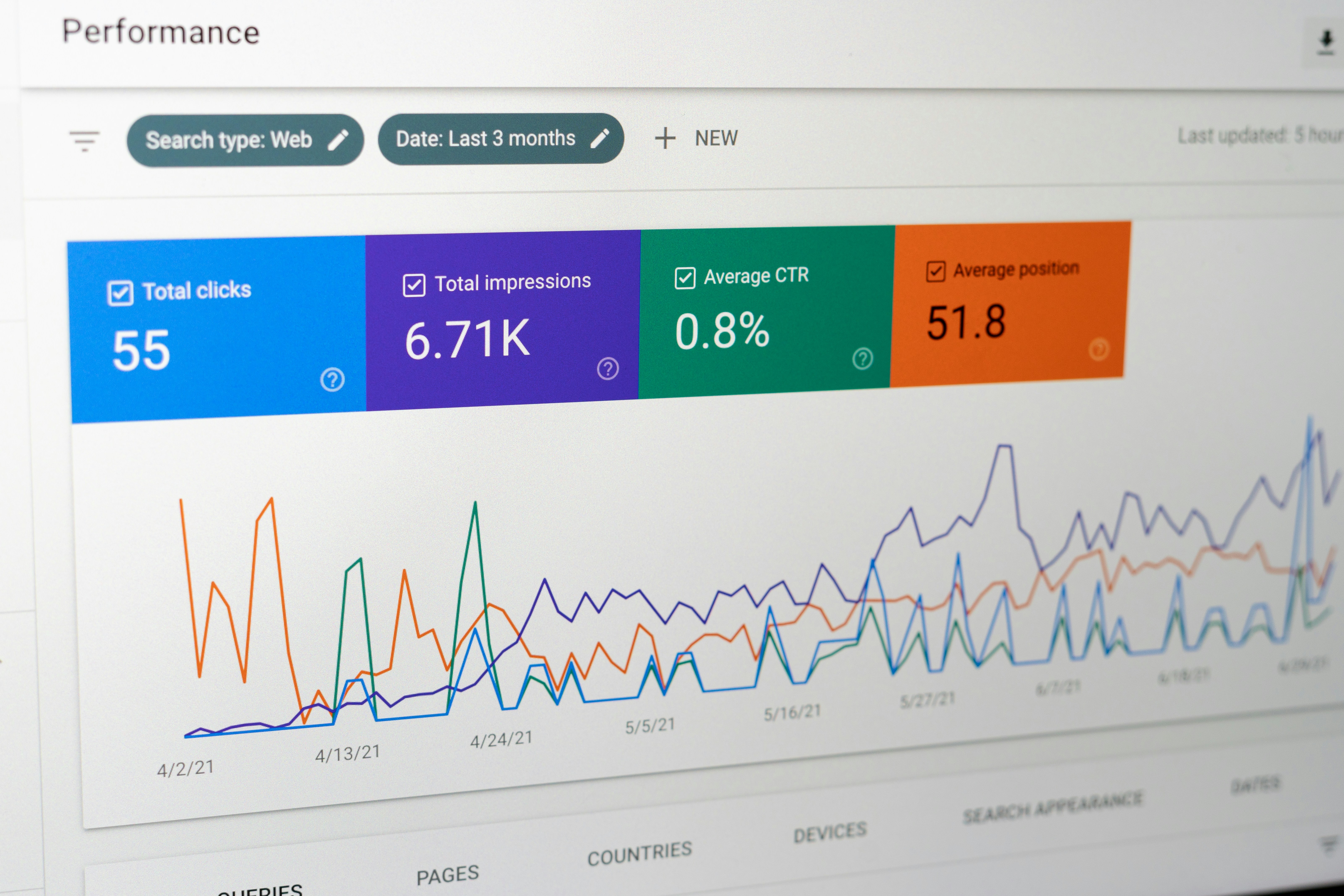
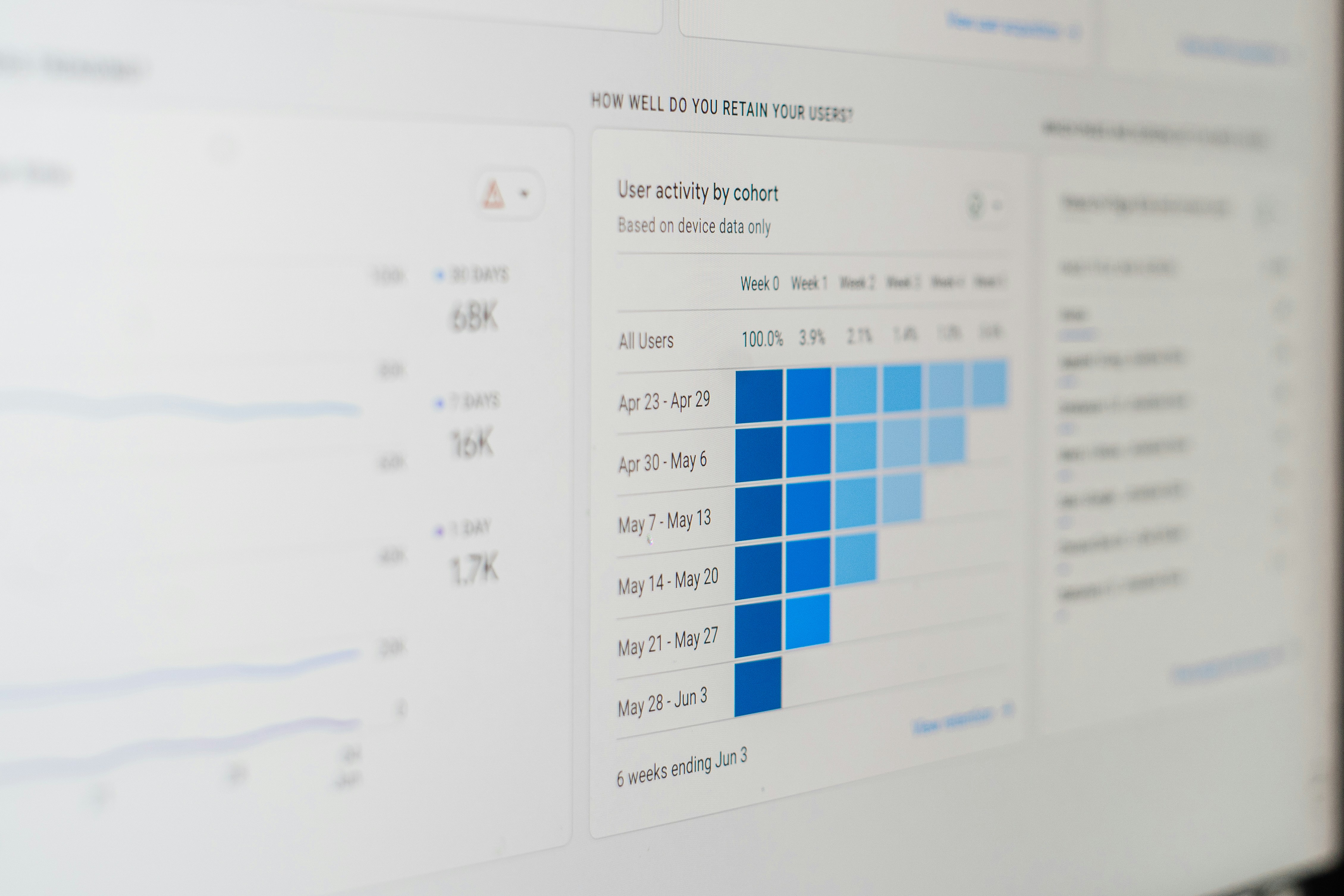
Looker Studio is a powerful data visualization and reporting tool that empowers organizations to analyze their data efficiently and effectively. Designed to unify data from various sources, it provides businesses with the capability to create comprehensive dashboards and detailed reports, thereby facilitating data-driven decision-making. With the increasing importance of data in achieving business objectives, Looker Studio plays a pivotal role in visualizing complex datasets in a manner that is accessible and understandable.
One of the primary purposes of Looker Studio is to enable users to connect to multiple data sources seamlessly. This integration process simplifies the analysis by allowing users to pull relevant metrics from various platforms, including social media sites like LinkedIn. By leveraging Looker Studio, businesses can gather insights from their LinkedIn pages alongside other critical data sets, thus providing a holistic view of their performance across different channels.
The importance of utilizing Looker Studio is particularly evident in the realm of reporting. Organizations can create custom dashboards that highlight key performance indicators, trends, and patterns, which are crucial for identifying opportunities and challenges. The platform’s capability to transform raw data into visual formats not only enhances comprehension but also fosters collaboration among team members, who can share insights and findings easily.
In today’s competitive landscape, the ability to make informed decisions based on granular data insights is essential. Looker Studio equips businesses with the necessary tools to monitor their LinkedIn engagement and marketing effectiveness, ultimately supporting strategic planning and execution. By utilizing capabilities in Looker Studio, organizations can drive growth, improve their marketing strategies, and ensure their resources are allocated efficiently across various initiatives.
Understanding LinkedIn Pages
LinkedIn Pages serve as the digital storefronts for businesses, organizations, and individual professionals on the LinkedIn platform. These pages are distinct from personal profiles as they enable companies and brands to present themselves to a wider audience, facilitating the establishment of their identity and online presence. The core functionalities of LinkedIn Pages encompass sharing updates, promoting products or services, posting job openings, and engaging with followers through comments and messages. This suite of tools is essential for organizations looking to enhance their visibility and foster connections with potential customers, partners, and employees.
For personal branding, LinkedIn Pages provide an avenue for professionals to showcase their expertise and build a network of contacts within their industry. By curating content relevant to their field, individuals can position themselves as thought leaders, attracting followers who share similar interests or career goals. For businesses, maintaining an active and engaging LinkedIn Page is crucial for staying relevant in today’s digital landscape where online presence directly correlates to business success.
To gauge the success of a LinkedIn Page, businesses should focus on key performance metrics that illuminate connectivity and engagement with their audience. These metrics include follower growth rate, engagement rate of posts (likes, comments, and shares), impressions, and website traffic generated from the page. Analyzing these data points aids companies in refining their content strategy, ensuring that they resonate with their target audience. Furthermore, tracking lead generation metrics, such as conversion rate from LinkedIn campaigns, can provide insights into how effectively the page is driving business outcomes. In this way, understanding LinkedIn Pages and their importance is essential for leveraging them effectively to enhance both personal and business branding efforts.
Setting Up Looker Studio for LinkedIn Data
To effectively leverage Looker Studio for your LinkedIn page insights, it is essential to follow a structured setup process. The first step involves ensuring you possess the necessary user permissions within your LinkedIn account. Before proceeding, validate that you are an administrator of the LinkedIn page from which you wish to extract data. This role provides you the level of access required to fetch detailed metrics essential for analysis.
Once you are certain of your admin status, the next step is to connect your LinkedIn account to Looker Studio. This entails logging into your LinkedIn account and navigating to Looker Studio. Here, you will be greeted with options to add various data sources. Look for the option to integrate LinkedIn. You may need to authorize Looker Studio to access your LinkedIn data, which confirms your intent to share the metrics from your page.
With the connection established, you are now positioned to create an engaging dashboard that presents relevant insights from your LinkedIn page. To do this, start by selecting the specific metrics you want to track, which could include engagement rates, follower demographics, post performance, and more. Utilizing Looker Studio’s visualization tools, you can organize these metrics into various charts and graphs that will not only enhance comprehension but also make your data more visually appealing.
As you design your dashboard, consider the narrative you want to convey through the data. Utilize filters to refine your insights further and ensure that the dashboard remains user-friendly. This process not only improves accessibility but also allows stakeholders to derive meaningful conclusions from the LinkedIn data presented. Following these structured steps will provide a comprehensive overview of your LinkedIn page performance, setting the groundwork for data-driven decisions.
Key Metrics to Track for LinkedIn Pages
When utilizing Looker Studio to analyze LinkedIn pages, several key metrics emerge as critical indicators of performance. Understanding these metrics not only aids in assessing the effectiveness of your LinkedIn strategy but also provides insights that can be leveraged to refine marketing efforts.
One of the primary metrics to monitor is follower growth. This metric reflects the increase in your page followers over time and is useful in evaluating the effectiveness of your content and engagement strategies. A steady growth in followers indicates that your content resonates with your target audience, thereby enhancing brand visibility and engagement potential.
Engagement rates are another crucial metric. This includes likes, shares, and comments on your posts. High engagement rates signify an active audience, suggesting that your content is not only reaching viewers but also prompting them to interact. Tracking engagement helps identify which types of content generate the most interaction, allowing for better optimization of future posts.
Clicks and impressions serve as critical indicators of interest. Clicks measure the number of times users have accessed specific content, while impressions denote how many times your posts were displayed to users. A high number of impressions coupled with a low click-through rate may indicate that while your content is visible, it might not be compelling enough to drive traffic. Monitoring these metrics can inform necessary adjustments in content strategy.
Finally, lead generation metrics are essential for assessing the direct impact of your LinkedIn efforts on business outcomes. Whether through contact form submissions, newsletter sign-ups, or inquiries, tracking leads derived from LinkedIn can highlight the platform’s effectiveness in converting engagement into actionable business results. By analyzing these metrics collectively through Looker Studio, organizations can devise data-driven strategies that enhance their LinkedIn presence.
Creating Comprehensive Reports in Looker Studio
Creating detailed reports in Looker Studio that effectively highlight LinkedIn page performance can greatly aid in decision-making for businesses and professional networking strategy. The process begins with integrating LinkedIn data into Looker Studio, which involves connecting the necessary data sources. Navigate to the data source section of Looker Studio, select LinkedIn as a connector, and grant the required permissions. Once connected, the platform will provide you with a wealth of data related to your LinkedIn page, including engagement metrics, follower demographics, and post-performance statistics.
After establishing the connection, the next step is to tailor the report to suit specific needs. Users can choose to create blank reports or utilize prebuilt templates, which can save time and effort. Customizing the report involves selecting relevant metrics and dimensions that provide insights into LinkedIn page performance. This may include metrics such as impressions, clicks, interactions, and audience growth. By strategically selecting and organizing these components, users can gain a clearer understanding of trends and patterns in their LinkedIn activity.
Data visualization plays a crucial role in making reports compelling and easily interpretable. Looker Studio offers various visualization options such as bar charts, line graphs, and tables, allowing users to present their insights in an accessible format. Highlighting significant data trends visually can lead to better comprehension among stakeholders. It is essential to ensure that the visuals align with the intended message of the report, facilitating discussions around growth opportunities and areas requiring improvement.
Lastly, sharing the report with stakeholders is simplified through Looker Studio’s collaborative features. Users can grant access or export the report in multiple formats, ensuring that all relevant parties can review the insights generated. By following these steps, organizations can create comprehensive reports that provide valuable insights into their LinkedIn page performance, fostering informed decision-making and enhanced marketing strategies.
Using Looker Studio to Drive Content Strategy
In the realm of digital marketing, understanding audience engagement is paramount, and Looker Studio offers robust tools to gain insights into this critical area. By utilizing Looker Studio, brands can effectively analyze LinkedIn page performance and adapt their content strategies accordingly. The platform allows for the segmentation of audience data, enabling users to identify trends in preferences and behaviors.
One of the significant advantages of leveraging Looker Studio is its ability to provide detailed analytics on how various content types resonate with different segments of the audience. Businesses can analyze which posts garner the most likes, shares, and comments, which in turn informs future content creation. For instance, if video posts consistently outpace text-based updates in terms of engagement, brands may choose to prioritize video content going forward.
Additionally, Looker Studio facilitates the identification of engagement patterns across different times and days. This information is invaluable for informing posting schedules to maximize visibility and interaction. By analyzing peak engagement periods, brands can fine-tune their posting times, ensuring that their content reaches the largest possible audience.
Furthermore, the platform’s ability to delve into demographic information allows for a better understanding of audience characteristics. This data can help shape not only the content itself but also the tone and messaging used. For instance, if the data shows a significant portion of the audience is composed of industry professionals, the brand might opt to produce more thought leadership pieces rather than casual lifestyle content.
Ultimately, by harnessing the insights gained from Looker Studio, brands can craft a data-driven content strategy that aligns more closely with the interests and behaviors of their LinkedIn audience. This strategic approach not only enhances engagement but also fosters stronger connections with the community at large.
Best Practices for Leveraging Looker Studio Insights
Utilizing Looker Studio effectively can significantly improve LinkedIn page management. One primary best practice is conducting regular performance reviews. By routinely assessing the data collected through Looker Studio, page managers can identify patterns and trends over time. This allows for a deeper understanding of follower engagement and content performance. Establishing a regular schedule for these reviews, such as weekly or monthly, can help maintain an ongoing evaluation process that keeps the content relevant and engaging.
Another critical aspect is adjusting strategies based on the insights derived from Looker Studio. The data provided can reveal which types of posts resonate most with the audience, from articles to videos or polls. By analyzing metrics such as engagement rates, impressions, and audience demographics, page managers can fine-tune their content strategy. For example, if Looker Studio indicates that video content garners significantly more engagement, consider increasing the frequency of video posts while decreasing less effective formats. This iterative approach fosters a dynamic and responsive content strategy that aligns with follower preferences.
Furthermore, engaging with followers based on reported trends is essential. Insights from Looker Studio can highlight peak engagement times, popular topics, and follower feedback. Utilizing this information gives page managers the opportunity to create timely content, respond to comments proactively, and participate in discussions that matter most to their audience. For instance, if data shows that followers engage more during specific events or trends, scheduling relevant posts or discussions around those periods can enhance user interaction.
In summary, leveraging Looker Studio for LinkedIn page insights involves a strategic approach that includes regular performance reviews, data-driven strategy adjustments, and proactive engagement with followers. By applying these best practices, organizations can enhance their LinkedIn presence and foster a more engaged community.
Case Studies: Successful Applications of Looker Studio and LinkedIn
Numerous organizations have effectively harnessed the capabilities of Looker Studio to extract invaluable insights from their LinkedIn pages. These case studies illustrate how strategic analysis can lead to improved engagement and overall business performance.
One notable example is a leading technology firm that employed Looker Studio to analyze its LinkedIn presence. By integrating data from various sources, they developed a comprehensive dashboard that showcased key metrics, including post engagement rates, follower growth, and audience demographics. By categorizing their content into industry news, product announcements, and thought leadership posts, they were able to identify which types resonated most with their audience. As a result, engagement on their LinkedIn page increased by 35% over a three-month period, significantly enhancing their brand visibility.
Another success story comes from a multinational consumer goods company that utilized Looker Studio to monitor their LinkedIn interactions on a global scale. The team implemented a robust data tracking strategy to analyze the performance of localized content across different markets. By utilizing Looker Studio’s visualization capabilities, they identified regional preferences and engagement patterns. This data drove targeted content strategies, leading to a 50% increase in interactions from the top-performing markets. Their case demonstrates how tailored content strategies, informed by data analysis, can yield significant improvements in audience engagement.
Additionally, a non-profit organization leveraged Looker Studio to boost their LinkedIn outreach for fundraising efforts. By analyzing the success of various campaigns and donor engagement metrics, they discovered that storytelling posts related to their initiatives garnered the highest response rates. This insight allowed them to recalibrate their content strategy, focusing more on impactful narratives. The outcome was a successful fundraising drive that exceeded its goals by 20%, highlighting the potent synergy between Looker Studio analytics and effective LinkedIn storytelling.
Conclusion and Future Trends
Leveraging Looker Studio for LinkedIn page insights represents a significant advancement in data analytics for businesses seeking to enhance their digital marketing strategies. By utilizing Looker Studio, organizations can transform raw data from their LinkedIn pages into meaningful visualizations, enabling better decision-making processes. The ability to gain insights into audience engagement, content performance, and overall page analytics facilitates targeted strategies that align with user preferences and behaviors. This approach not only enhances the visibility of a brand but also promotes effective communication with the target audience through tailored content.
As social media platforms continue to evolve, the demand for sophisticated analytics tools, such as Looker Studio, will rise. Businesses that capitalize on these tools will have a competitive edge in understanding their audience and accurately measuring their marketing effectiveness. Future trends indicate an increased integration of artificial intelligence and machine learning in data visualization tools, allowing for more proactive insights and predictive analytics. This capability will enable brands to anticipate trends, optimize content strategies, and ultimately increase engagement rates.
Furthermore, the growing emphasis on data-driven marketing necessitates a strong understanding of analytics and insights derived from social media platforms like LinkedIn. Companies must focus on harnessing these technological advances to remain relevant and driven by actual user data. By adopting comprehensive analytical approaches, organizations can refine their marketing strategies, resulting in improved customer satisfaction and loyalty. In conclusion, as the landscape of digital marketing shifts toward more data-centric approaches, leveraging Looker Studio for LinkedIn page insights will be crucial for enterprises aiming to thrive in an increasingly competitive marketplace.