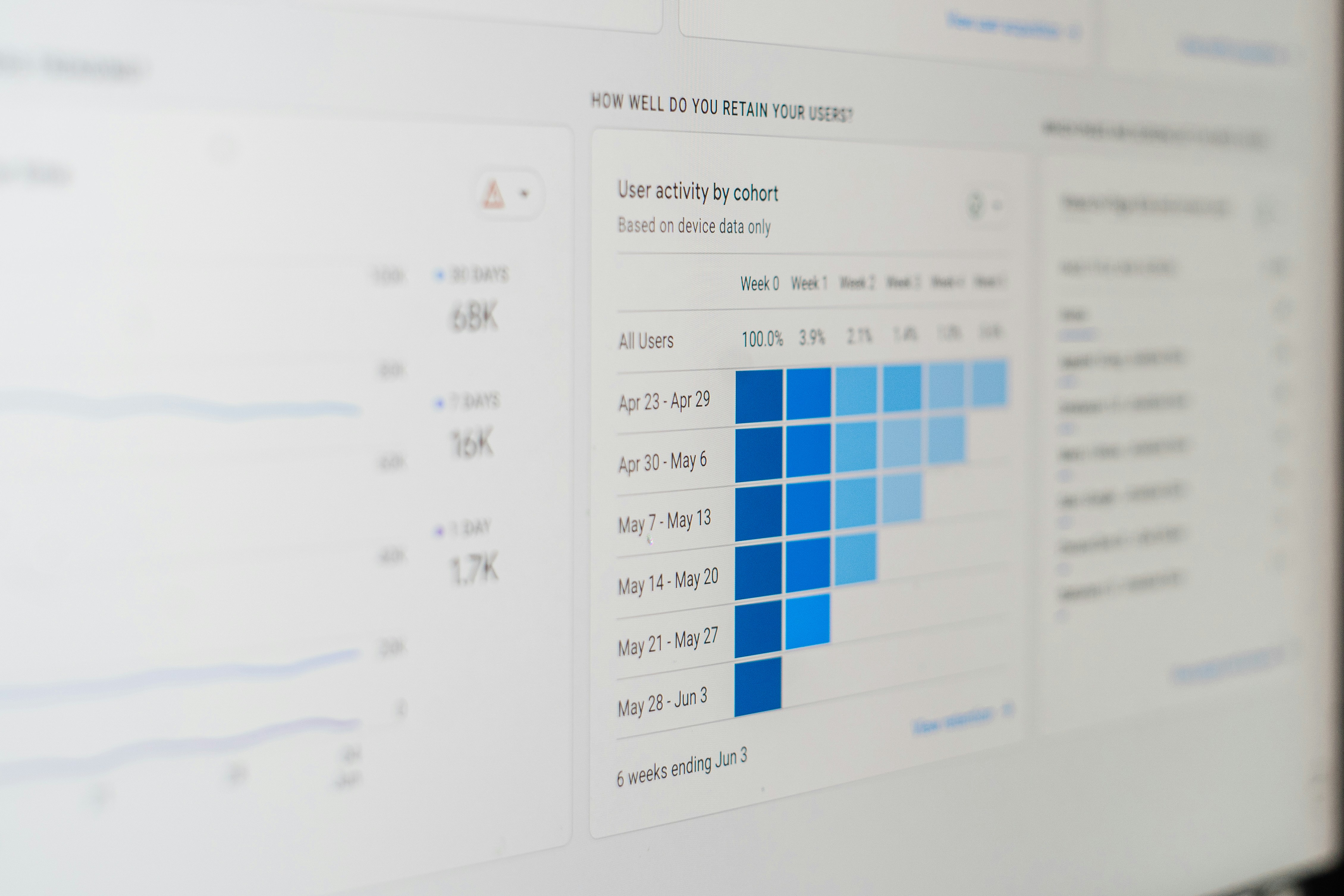
Introduction to Looker Studio and AI in Data Analysis
Looker Studio is a cutting-edge platform designed to facilitate data analysis and visualization for businesses of varying sizes. By enabling users to explore data in a more intuitive manner, Looker Studio empowers organizations to make informed decisions using real-time information. The integration of Artificial Intelligence (AI) within Looker Studio not only enhances the capabilities of data analysis but also aligns with the growing trend of utilizing AI in the domain of data management. With AI’s ability to process vast amounts of information and identify patterns, organizations can optimize their data strategies significantly.
The transformative potential of AI in data management has garnered considerable attention across multiple industries. By automating data collection, cleansing, and analysis processes, AI can reduce the workload on data teams and enhance the efficiency of decision-making. Looker Studio, with its robust interface and integration of AI capabilities, paves the way for organizations to harness this potential seamlessly. Users can benefit from predictive analytics, which enables them to forecast trends based on historical data, thus enhancing business intelligence.
Moreover, the integration of AI within Looker Studio allows for a more advanced data interpretation, providing actionable insights that can drive strategic initiatives. The platform promotes data equity by making complex data sets more accessible and understandable to users, regardless of their technical expertise. As data continues to grow in volume and complexity, the exploration of AI’s integration with tools like Looker Studio becomes increasingly relevant.
This introduction sets the stage for a deeper exploration of the opportunities and challenges presented by AI integration in Looker Studio, allowing organizations to leverage data more effectively and respond proactively to the dynamic business landscape.
Understanding the Capabilities of Looker Studio
Looker Studio, a powerful business intelligence tool developed by Google, offers a range of capabilities that significantly enhance data handling and insight generation for organizations. One of its core functionalities is its data modeling capabilities, which allow users to define and manage data relationships through a user-friendly modeling layer. This layer enables organizations to create a centralized model that serves as a single source of truth for their data, ensuring that all stakeholders have access to consistent information. By utilizing Looker’s LookML language, users can build complex data relationships and aggregate metrics, thereby facilitating deep analytics tailored to specific business needs.
In addition to robust data modeling, Looker Studio excels in customization options. The platform allows organizations to create personalized dashboards and reports that cater to various user roles within the organization. With drag-and-drop functionalities and extensive visualization options, users can design dashboards that not only present data clearly but also highlight key performance indicators vital for informed decision-making. This level of customization allows teams to focus on the specific metrics that matter most to them, improving the overall effectiveness of their analyses and visual storytelling.
Collaboration features are another crucial aspect of Looker Studio. The tool supports real-time collaboration among teams, enabling users to share insights effortlessly and work together on data projects. By implementing user-managed permissions and roles, organizations can control access to sensitive data while still fostering a culture of shared knowledge. These collaboration capabilities are essential, especially in modern work environments where teams often operate remotely or in hybrid settings. The synergy of data modeling, customization, and collaborative features empowers organizations to enhance their data-driven strategies, leading to more effective and informed decision-making processes.
Opportunities Presented by AI in Looker Studio
Integrating artificial intelligence (AI) with Looker Studio provides businesses with a myriad of opportunities that can significantly enhance their data analytics capabilities. One of the most prominent advantages is the improved data predictions that AI algorithms can facilitate. These advanced predictive analytics tools allow organizations to analyze historical data and forecast trends with greater accuracy. This predictive capability empowers companies to make informed decisions that can lead to increased operational efficiency and profitability.
Another significant opportunity offered by AI in Looker Studio is the ability to deliver personalized insights. With the integration of machine learning, businesses can tailor their data reports to meet the specific needs of different users or departments. For instance, marketing teams can receive insights related to customer behavior, while finance teams can focus on revenue forecasts. This level of customization ensures that stakeholders receive relevant information, enabling them to take actions that directly align with their goals.
Automated reporting is yet another transformative aspect of AI within Looker Studio. By leveraging intelligent automation, organizations can streamline the report generation process, reducing the amount of time and resources spent on manual data compilation. Smart algorithms can ensure that reports are generated regularly, with the most up-to-date data, thereby enhancing the speed at which teams can react to changing market dynamics.
Lastly, AI enhances data visualization within Looker Studio. Advanced techniques, such as automated chart generation and augmented data storytelling, help users interpret complex datasets more intuitively. These enhanced visualizations provide deeper insights and facilitate better communication of findings across the organization. In essence, the fusion of AI with Looker Studio not only facilitates improved decision-making but also drives business growth through enhanced data-driven strategies.
Challenges of Implementing AI in Looker Studio
The integration of artificial intelligence (AI) within Looker Studio presents various challenges that organizations must navigate carefully. One of the paramount concerns is data privacy. As businesses leverage AI to analyze vast amounts of data, they must ensure compliance with data protection regulations such as GDPR or CCPA. This requirement necessitates robust data governance frameworks that not only protect sensitive information but also maintain customer trust. Failure to address these privacy concerns can lead to significant legal repercussions and brand damage.
Another critical challenge relates to the quality of data. AI systems rely heavily on accurate and high-quality data to produce reliable insights. Any inconsistency, bias, or gaps in data can lead to skewed results, hindering decision-making processes. Organizations must invest in comprehensive data management strategies to ensure the integrity and reliability of the datasets being utilized in Looker Studio. This includes regular data cleansing and validation practices, which can be resource-intensive but are essential for effective AI integration.
The complexity of AI algorithms presents yet another hurdle for businesses. Implementing AI technologies often involves sophisticated algorithms that require a deep understanding of both the technology and its application within a business context. This complexity can create barriers to adoption, as organizations may struggle to interpret AI outputs or fail to align them with business objectives. Effective training programs and resources are essential for empowering teams to navigate these complexities and harness the full potential of AI.
Finally, the need for skilled personnel to manage AI technologies cannot be understated. There is a growing demand for data scientists, machine learning engineers, and AI specialists who are equipped to work with Looker Studio and its integrations. Organizations may face challenges in recruiting and retaining such qualified professionals, which can impede their AI adoption efforts. Additionally, upskilling existing staff is crucial but can require considerable time and investment.
Case Studies: Successful Integration of AI in Looker Studio
Several organizations across diverse industries have successfully integrated artificial intelligence (AI) with Looker Studio, showcasing significant benefits in data analysis and decision-making. One notable example is a major retail chain that adopted AI-driven analytics to optimize inventory management. By combining Looker Studio’s powerful data visualization capabilities with machine learning algorithms, the retailer could predict customer demand with remarkable accuracy. This integration minimized excess stock and reduced wastage, ultimately increasing overall profitability by enhancing supply chain efficiency.
In the financial services sector, a leading bank utilized Looker Studio’s AI features to enhance risk assessment processes. By implementing predictive analytics, the bank analyzed vast amounts of transaction data in real-time, identifying fraudulent activities more effectively. The AI algorithms continually learn from historical data, allowing the institution to adapt its risk management strategies dynamically. This shift not only improved the bank’s security measures but also bolstered customer trust, positioning the bank as an industry leader in safe, reliable financial services.
Another case can be observed in the healthcare industry, where a prominent hospital network employed Looker Studio along with AI analytics to optimize patient care services. By leveraging patient data and advanced AI algorithms, healthcare professionals were able to identify trends in patient admissions and predict potential outbreaks of diseases. This proactive approach allowed the hospital network to allocate resources more effectively, ultimately enhancing patient outcomes while reducing operational costs.
These examples illustrate how various industries harness the capabilities of Looker Studio combined with AI to tackle complex data challenges. The seamless fusion of these technologies not only streamlines operations but also fosters informed decision-making, paving the way for improved performance and growth.
Future Trends in AI and Data Analytics with Looker Studio
The integration of artificial intelligence (AI) with data analytics tools like Looker Studio is anticipated to reshape various industries in the coming years. As organizations increasingly rely on data-driven decision-making, advancements in machine learning will become paramount. Machine learning algorithms are set to evolve, offering enhanced predictive analytics capabilities that allow businesses to glean deeper insights from their data. This evolution will enable Looker Studio users to generate more accurate forecasts and trends, thus optimizing operations and driving strategic decisions.
Moreover, the trend towards automation in data analytics cannot be overlooked. With AI integration, Looker Studio is expected to streamline workflows and reduce the manual intervention required for data analysis. Automation will allow users to spend less time on routine tasks such as data collection and cleaning, and more time on interpreting insights and developing actionable strategies. As automated processes become more sophisticated, they will likely include functions such as automated reporting and real-time data updates, enhancing the user experience and the value derived from analytics.
Another significant trend is the evolution of data storytelling. The rise of AI in data analytics is likely to facilitate richer narratives around data insights. By using AI-generated visualization tools within Looker Studio, users will be able to craft compelling stories that resonate with stakeholders. These developments may also contribute to a more democratized data environment, empowering non-technical users to engage with complex datasets and derive impactful conclusions. This trend highlights the importance of blending technical capabilities with creative storytelling techniques in order to transform raw data into understandable, actionable insights.
In summary, the future of AI and data analytics with Looker Studio appears promising, characterized by advancements in machine learning, enhanced automation processes, and an evolution in the way data is communicated through compelling narratives.
Best Practices for Integrating AI into Looker Studio Workflows
Integrating artificial intelligence (AI) into Looker Studio workflows presents organizations with significant opportunities to enhance data analysis and decision-making processes. However, to harness these benefits, it is essential to follow best practices that facilitate effective AI adoption. One fundamental approach is the careful selection of appropriate AI tools. Organizations should evaluate various AI technologies based on their specific data needs, compatibility with existing systems, and scalability. This ensures that the chosen AI tools effectively complement Looker Studio’s capabilities, enhancing the overall efficiency of workflows.
Another key practice is to foster a data-driven culture across the organization. This involves encouraging team members to leverage data analytics in their daily tasks, promoting transparency in data usage, and supporting open communication about data insights. By empowering employees to embrace a data-centric mindset, organizations can create an environment where AI implementations can thrive, leading to improved decision-making and increased operational efficiency.
Continuous training for teams is also vital when integrating AI into Looker Studio workflows. Organizations should invest in regular training sessions to keep team members updated on the latest AI technologies and methodologies. This not only enhances their skills but also ensures that the entire team is aligned with the organization’s objectives related to AI. Training should encompass both technical skills and an understanding of how AI can be applied in real-world scenarios, thereby maximizing the impact of AI initiatives.
Lastly, it is crucial for organizations to establish clear objectives for their AI initiatives. By defining specific, measurable goals, teams can better gauge the effectiveness of their AI integration efforts within Looker Studio. This focus on objectives facilitates accountability and allows organizations to pivot their strategies as needed, ensuring that the integration of AI remains aligned with overall business goals and delivers tangible results.
The Role of Human Expertise in AI-Driven Data Analysis
As organizations increasingly turn to AI-driven tools such as Looker Studio for data analysis, the role of human expertise remains pivotal in the interpretation and application of data insights. Although AI systems can efficiently process vast datasets and identify patterns, the nuanced understanding required to make informed decisions often necessitates human intervention. The integration of AI in data analytics does not diminish the need for skilled professionals; rather, it enhances the value of their expertise.
One of the key aspects that highlight the importance of human involvement in AI-driven data analysis is critical thinking. While AI algorithms can automate data processing and generate insights, they lack the ability to grasp context or underlying assumptions inherent in the data. Human analysts possess the analytical skills necessary to evaluate these insights critically, asking pertinent questions that AI may not consider. This critical inquiry is essential to ensure that conclusions drawn from data are valid, actionable, and aligned with the strategic objectives of the organization.
Moreover, domain knowledge plays a significant role in maximizing the benefits of AI-driven analytics. Professionals who are well-versed in their respective fields can contextualize data within the specific challenges and nuances of their industry. This deep understanding enables them to discern the relevance and applicability of the insights yielded by AI. By recognizing potential biases in data or limitations of the AI model, human experts can steer data-driven decisions in a more strategic direction.
Finally, human intuition complements AI’s capabilities, allowing analysts to recognize patterns or trends that may not be immediately obvious through data alone. The interplay between AI algorithms and human intuition fosters a collaborative approach to data analysis, where each entity brings its strengths to the table. While AI provides efficiency and computational power, the human touch ensures that analysis remains grounded, insightful, and meaningful.
Conclusion: Balancing Opportunities and Challenges
As organizations seek to harness the power of artificial intelligence within Looker Studio, it is essential to reflect on the myriad opportunities and inherent challenges associated with this integration. AI’s potential to transform data analytics is evident, offering insights and predictive capabilities that can significantly enhance decision-making processes. Through automated data visualization and advanced analytics, businesses can uncover patterns and trends that were previously difficult to detect, leading to improved operational efficiencies and a competitive edge.
However, this transformation does not come without its challenges. The complexity of integrating AI into existing workflows, coupled with concerns over data privacy and algorithmic bias, necessitates a careful and strategic approach. Organizations must ensure that they have the necessary infrastructure in place to support AI technologies while also investing in the training and development of their workforce. This dual focus on technology and human capital is crucial for maximizing the benefits of AI in data analytics.
Moreover, organizations should be mindful of the ethical implications surrounding AI usage. It is imperative to approach AI integration with a framework that promotes transparency, accountability, and fairness. By doing so, businesses can build trust among stakeholders and mitigate potential risks associated with AI deployment.
In conclusion, while the integration of AI into Looker Studio offers significant opportunities for enhancing data analytics, it is vital for organizations to strike a balance between these opportunities and the accompanying challenges. A thoughtful and strategic adoption of AI technologies will not only optimize analytics processes but also pave the way for sustainable growth and innovation in an increasingly data-driven world.