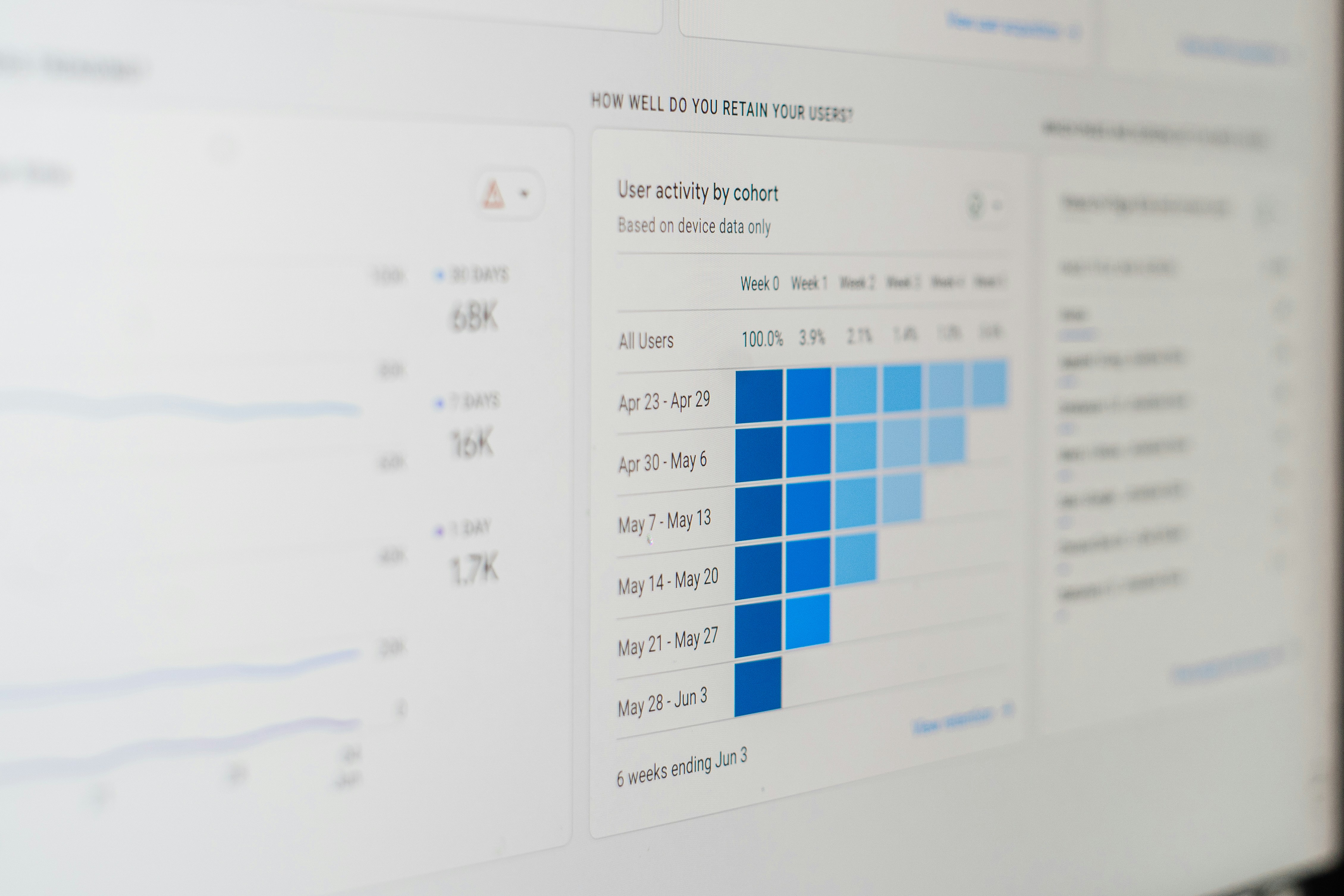
Introduction to Looker Studio and AdRoll
In the evolving landscape of digital marketing, businesses often seek efficient tools to harness data and enhance their advertising strategies. Looker Studio and AdRoll have emerged as pivotal components in this domain, serving distinct yet complementary functions. Looker Studio is a powerful data visualization and business intelligence tool that empowers organizations to transform raw data into insightful reports and interactive dashboards. By providing an intuitive interface for data analysis, Looker Studio facilitates the exploration of complex datasets, enabling users to derive actionable insights that inform business decisions. Companies can visually represent their data, allowing teams to identify trends, track performance metrics, and make more informed choices regarding their marketing initiatives.
On the other hand, AdRoll is a comprehensive advertising platform renowned for its capabilities in retargeting and managing online ad campaigns. It enables businesses to track user interactions across their websites and target those users with personalized ads. This retargeting functionality is essential for nurturing consumer interest and increasing conversion rates. AdRoll’s robust tools also facilitate the creation and optimization of ad campaigns across various channels, providing brands with the flexibility to engage their target audiences effectively.
The integration of Looker Studio with AdRoll represents a strategic enhancement for businesses looking to improve their marketing insights. By combining the data visualization strengths of Looker Studio with the advanced advertising capabilities of AdRoll, organizations can streamline their analytics processes. This synergy allows companies to better understand campaign performance, track ROI, and fine-tune their advertising efforts based on solid data-driven insights. Ultimately, the collaboration between these platforms elevates the overall efficiency and effectiveness of digital marketing strategies.
Understanding the Benefits of Integration
Integrating Looker Studio with AdRoll offers significant advantages that can enhance the reporting capabilities of any business. One of the primary benefits of this integration is the improved data transparency it provides. By consolidating advertising data from AdRoll into Looker Studio, organizations can gain a clearer view of their marketing performance. This transparency allows stakeholders to dissect the data more easily, understanding where their advertising dollars are being allocated and the impact those expenditures have on various business objectives.
In addition to data transparency, enhanced performance tracking is another critical advantage of this integration. Looker Studio enables users to visualize and analyze their AdRoll campaign metrics in real time. This immediate access to performance data empowers businesses to make timely adjustments to their strategies. By recognizing trends and patterns, organizations can optimize their campaigns proactively rather than reactively, leading to better results and increased return on investment (ROI).
Furthermore, the ability to create comprehensive reports is a game-changer for many organizations. By integrating Looker Studio with AdRoll, businesses can merge advertising data with other vital business metrics. For instance, organizations can juxtapose customer acquisition costs against lifetime value, thereby illustrating the overall effectiveness of their marketing efforts. Such holistic reporting fosters a deeper understanding of not just the performance of advertising campaigns but also how these campaigns influence broader business objectives, enabling leaders to make informed decisions based on real-time data.
In essence, the integration of Looker Studio with AdRoll enriches the data reporting experience, fostering improved transparency, facilitating enhanced performance tracking, and providing a comprehensive view of business metrics. This integration ultimately equips businesses with the necessary tools to make strategic decisions that drive growth and success.
Setting Up Looker Studio with AdRoll
To leverage Looker Studio effectively with AdRoll, a systematic setup process is required. Begin by ensuring that you possess active accounts on both platforms: Looker Studio and AdRoll. This is essential, as you will need credentials from both services to create a seamless integration.
Once your accounts are active, the first step is to log into Looker Studio. Navigate to the ‘Data Sources’ section by selecting the appropriate option from the main menu. From there, click on ‘Add Data Source’ and choose ‘AdRoll’ from the list of available connectors. At this point, Looker Studio will prompt you to authorize the connection to your AdRoll account. You will need to input your AdRoll account credentials and grant the necessary permissions for Looker Studio to access your data.
After completing the authentication process, you will be redirected back to the Looker Studio interface. Here, it is crucial to select the specific data fields you intend to analyze. AdRoll provides various metrics and dimensions, such as campaign performance, audience engagement, and conversion rates. Tailor your selections based on your reporting needs. Once you finalize your choices, you can save the data source settings.
The final step involves building your reports. Go back to Looker Studio’s main interface and create a new report by clicking on ‘Create New Report.’ You can then choose the connected AdRoll data source as the foundation of your report. This allows you to visualize your AdRoll data through a variety of charts, graphs, and tables. Remember to frequently save your progress to avoid data loss.
By following these steps, you can successfully set up Looker Studio with AdRoll, enabling enhanced data reporting capabilities. This integration will not only streamline your data analysis but also provide deeper insights into your advertising performance.
Creating Custom Reports and Dashboards
Creating custom reports and dashboards in Looker Studio using AdRoll data is a transformative process that can significantly enhance data visibility and decision-making. The initial step is to connect Looker Studio to your AdRoll account. This integration allows access to a myriad of metrics such as campaign performance, audience insights, and ad engagement statistics, providing a strong foundation for your reports.
When designing these reports, it is essential to select relevant metrics that align with your business objectives. Focusing on key performance indicators (KPIs) such as conversion rates, click-through rates, and return on ad spend will provide valuable insights into your advertising efficacy. Consider using a combination of primary metrics alongside secondary metrics to capture a holistic view of your marketing efforts, which can help in identifying trends and areas for improvement.
Visualizations play a crucial role in the interpretation of data. Utilize various chart types such as line charts, bar graphs, and pie charts to present your metrics effectively. It is advisable to choose visualizations that not only complement the data but also enhance understanding. For instance, a line chart may be ideal for showcasing trends over time, while a pie chart is useful for representing the composition of a single metric.
Organizing your reports for clarity is paramount. Design your dashboards to guide viewers through the data seamlessly. Group related metrics together, utilize headings and subheadings, and maintain consistency in design elements to facilitate easier navigation. Additionally, including annotations or tooltips can provide extra context, ensuring that viewers can derive meaningful insights from the data presented.
By adhering to best practices in report creation and dashboard design, you can ensure that your Looker Studio reports not only present data but also communicate insights powerfully, enhancing overall marketing effectiveness.
Analyzing Ad Performance Metrics
In the realm of digital marketing, understanding key performance metrics is essential for gauging the effectiveness of advertising campaigns. When leveraging Looker Studio with AdRoll, businesses can access a wealth of data that helps elucidate the performance of their advertisements. Among the crucial metrics to analyze are click-through rates (CTR), conversion rates, and return on ad spend (ROAS).
Click-through rate is a fundamental metric that measures the percentage of users who click on an ad after viewing it. A higher CTR often indicates that the advertisement is compelling and relevant to the target audience. In Looker Studio, tracking CTR allows marketers to discern which ad creatives perform best, facilitating data-driven optimizations. By utilizing this metric, businesses can refine their messaging and targeting strategies, ultimately enhancing overall campaign performance.
Conversion rate is another vital metric that reflects the percentage of users who take a desired action after interacting with an ad, such as making a purchase or signing up for a newsletter. Monitoring conversion rates in Looker Studio provides insight into the effectiveness of the ad funnel. If conversion rates are low despite a high CTR, it may signal issues with the landing page or the relevance of the offer. Thus, analyzing this metric is essential for identifying areas needing improvement.
Return on ad spend is a critical indicator of profitability, illustrating the revenue generated for every dollar spent on advertising. By evaluating ROAS, businesses can assess the overall success of their AdRoll campaigns. This metric serves not only to evaluate current performance but also to inform future budgeting and strategy decisions.
In conclusion, by meticulously analyzing these key performance metrics within Looker Studio, businesses can gain valuable insights into their AdRoll campaigns. This ongoing analysis enables marketers to optimize advertising strategies, bolster campaign efficacy, and ultimately drive business growth.
Using Data for Strategic Decision Making
In today’s competitive business environment, leveraging data for strategic decision-making has become essential for organizations aiming to optimize their marketing strategies. Looker Studio offers in-depth insights that can significantly enhance the reporting capabilities of various businesses. By integrating analytical findings from Looker Studio with AdRoll, companies can achieve a solid framework for making informed choices regarding their advertising campaigns.
Data-driven decision-making facilitates a more targeted approach to marketing efforts, allowing organizations to analyze metrics such as customer engagement, conversion rates, and ROI. For instance, if a certain ad campaign yields a lower-than-expected conversion rate, a company can turn to Looker Studio reports to scrutinize user behavior and identify trends. This analysis can lead to strategic pivots, such as reallocating the advertising budget toward more effective channels or altering the messaging to better resonate with the target audience.
Moreover, organizations can harness the insights from Looker Studio to refine their audience targeting strategies. By examining demographic data, firms can segment their market more efficiently and tailor their campaigns accordingly. An example of this is when a retail brand discovered, through insightful data analysis, that a significant portion of its sales were stemming from a previously overlooked demographic. The company subsequently adjusted its advertising strategy to cater to this group, resulting in increased brand engagement and sales.
Furthermore, a strengths and weaknesses analysis, fueled by the data gathered in Looker Studio, enables businesses to assess their performance in relation to their competitors. This contextual understanding empowers firms to innovate and adapt proactively rather than reactively, ensuring long-term growth and success. Ultimately, organizations that fully leverage Looker Studio insights are likely to stay ahead of the curve in their marketing endeavors, solidifying the importance of data-informed decision-making in strategic planning.
Case Studies: Success Stories
Numerous businesses have successfully integrated Looker Studio with AdRoll, leading to improved reporting capabilities and enhanced marketing strategies. One notable case study is that of a mid-sized e-commerce retailer specializing in outdoor gear. Faced with challenges in tracking customer engagement across multiple platforms, they struggled to consolidate and analyze customer data effectively. By implementing Looker Studio in conjunction with AdRoll, the retailer was able to unify their data sources, enabling real-time insights into customer behavior.
The implementation involved configuring Looker Studio to visualize data from AdRoll campaigns, thus allowing the marketing team to better gauge campaign performance. They utilized Looker’s customizable dashboards to create a single source of truth for their marketing metrics, which included ad performance, customer conversions, and return on ad spend. As a result, the retailer saw a 30% increase in their ad ROI within three months, showcasing the effectiveness of this integration.
Another exemplary case is a B2B SaaS company that faced difficulties in measuring the impact of their marketing efforts on lead generation. By incorporating Looker Studio with AdRoll, they were able to visualize complex datasets and track leads more efficiently. The process included establishing key performance indicators (KPIs) that aligned with their business objectives, which were then integrated into Looker Studio for comprehensive analysis.
Post-implementation, the SaaS company reported a 40% improvement in lead quality and a significant reduction in the time spent generating reports. This success story emphasizes the value of using Looker Studio together with AdRoll to enhance reporting and analytics. The ability to pull insights from various marketing channels allows companies to make data-driven decisions that ultimately drive growth and efficiency.
Common Challenges and Troubleshooting Tips
Integrating Looker Studio with AdRoll undoubtedly enhances reporting capabilities; however, users may encounter several common challenges that could hinder smooth operation and data accuracy. Recognizing these issues and understanding how to troubleshoot them can significantly improve the overall experience and effectiveness of the integration.
One prevalent problem is data inconsistencies. Users may notice discrepancies between the data reported in Looker Studio and what is displayed in AdRoll. This issue often arises from time zone differences, mismatched data fields, or incorrect filtering settings. To resolve such inconsistencies, ensure that data parameters—including time zones—are aligned across both platforms. Additionally, regularly audit the field mappings to verify that the data sources in Looker Studio correspond correctly to those in AdRoll.
Connection issues are another significant obstacle that users might face. Problems connecting Looker Studio to AdRoll can stem from various factors, such as expired authentication tokens or firewall restrictions. To troubleshoot connection problems, double-check the authentication process, ensuring that all credentials are up to date. It can also be beneficial to review any firewalls or security settings that might prevent Looker Studio from accessing AdRoll.
Lastly, users may encounter difficulties in creating and generating reports. This can result from improper data aggregations or configurations within Looker Studio. To address these issues, refer to the documentation for both Looker Studio and AdRoll, which provides guidance on best practices in report design. Utilizing the template reports available can also serve as a valuable starting point to ensure accurate reporting.
By being aware of these challenges and employing effective troubleshooting measures, users can maximize the benefits of integrating Looker Studio with AdRoll, ultimately achieving enhanced reporting and insights.
Conclusion and Best Practices
In summary, integrating Looker Studio with AdRoll presents an invaluable opportunity for marketers seeking to enhance their reporting and strategic insights. This partnership allows for the seamless visualization of data, enabling better decision-making and providing a comprehensive view of marketing performance. By leveraging Looker Studio’s powerful data analysis capabilities alongside AdRoll’s robust advertising tools, users can gain clear insights into their audience engagement, campaign effectiveness, and overall return on investment.
To maximize the potential of this integration, it is essential for users to adhere to several best practices. First, ensuring accurate data mapping between Looker Studio and AdRoll is crucial for achieving reliable reporting. Users should regularly verify that metrics and dimensions align correctly to avoid discrepancies that could hinder analysis.
Next, creating customized dashboards tailored to specific business objectives can significantly enhance data visibility and usability. Utilizing Looker Studio’s features, such as filters and drill-downs, empowers users to focus on relevant metrics that drive actionable insights, fostering a data-driven culture.
Moreover, maintaining a consistent review process is fundamental to adapting marketing strategies effectively. Regularly assessing reports generated through Looker Studio will keep teams informed of emerging trends and performance gaps, allowing for timely adjustments in campaigns. It is advisable to schedule periodic reviews—monthly or quarterly—depending on business dynamics.
Furthermore, training team members on how to interpret the data presented can lead to more informed decisions across departments. By fostering a deeper understanding of analytics, teams can engage in productive discussions about performance metrics, ultimately leading to enhanced collaboration.
By embracing these best practices, users not only streamline their reporting processes but also amplify the strategic value derived from the integration of Looker Studio and AdRoll, driving marketing success in an increasingly data-centric landscape.