Introduction to Looker Studio and Bing Webmaster Toolbox
In the ever-evolving landscape of digital marketing, gaining actionable insights into website performance is crucial for success. Two powerful tools that facilitate this process are Looker Studio and Bing Webmaster Toolbox. Each tool offers unique features that serve distinct aspects of website analytics and search engine optimization (SEO).
Looker Studio, formerly known as Google Data Studio, is a robust data visualization platform that allows users to transform complex data sets into accessible and understandable reports and dashboards. By leveraging Looker Studio, businesses can aggregate data from various sources, including Google Analytics, social media platforms, and even direct databases. This integration enables a holistic view of online performance, allowing marketers to identify trends and make data-driven decisions that enhance their SEO strategies. With customizable reporting options, Looker Studio empowers users to visualize essential metrics, facilitating a clearer understanding of how well their websites are performing in terms of user engagement and organic search visibility.
On the other hand, Bing Webmaster Toolbox is an essential resource for those aiming to optimize their online content specifically for the Bing search engine. This tool provides a multitude of features that help website owners track their site’s health and performance within the Bing ecosystem. Key functionalities include keyword research tools, site diagnostic tools, and insights into how users interact with a website via Bing. By utilizing Bing Webmaster Toolbox, marketers can gain valuable insights into their audience’s search behavior and optimize their website content accordingly to improve rankings on Bing.
When combined, Looker Studio and Bing Webmaster Toolbox facilitate a comprehensive approach to SEO and website performance analysis. The integration of rich data visualizations from Looker Studio with actionable insights from Bing Webmaster Toolbox creates a powerful synergy, ultimately leading to improved optimization strategies and better overall search engine performance.
Setting Up Looker Studio
Establishing Looker Studio for your SEO analysis begins with creating an account, which is a straightforward process. Visit the Looker Studio website and select the option to sign up. You can use your existing Google account, which helps streamline the integration with various data sources later. After entering your details and accepting the terms of service, your Looker Studio account will be created, granting you access to its powerful analytics tools.
Once your account is active, the next step involves setting up data sources. Click on the ‘Create’ button and select ‘Data Source.’ Looker Studio supports multiple data connections, making it easy to integrate platforms such as Google Analytics, Google Sheets, and Bing Webmaster Toolbox. For SEO insights specifically, connecting the Bing Webmaster Toolbox will provide valuable metrics and information regarding your website’s performance on Bing. After selecting a data source, follow the prompts to authenticate and connect your data accurately.
After successfully linking your data sources, customizing your dashboard layout is essential for effective reporting. Looker Studio offers various templates and layout options to help users design a dashboard tailored to their unique needs. Consider what specific SEO metrics are most relevant for your reporting; for instance, focusing on keywords’ performance, click-through rates, and organic traffic can provide critical insights. Use widgets and charts to visualize this data dynamically, allowing for easier interpretation. Remember to save your layout preferences to ensure a consistent experience every time you access your Looker Studio account.
By following these initial steps, you can set up Looker Studio effectively, creating a foundation for comprehensive SEO analysis that leverages the data from Bing Webmaster Toolbox and other platforms, ultimately enhancing your decision-making process.
Integrating Bing Webmaster Toolbox with Looker Studio
Integrating Bing Webmaster Toolbox with Looker Studio can significantly enhance your SEO analytics capabilities, as it combines the strengths of both platforms. To initiate the integration process, one of the primary requirements is obtaining an API key from the Bing Webmaster Toolbox. This key acts as a secure token that allows Looker Studio to access the data housed in your Bing account. To generate the API key, log in to your Bing Webmaster account, navigate to the settings, and find the API access section. This straightforward process typically involves a few clicks.
Once you have acquired the API key, the next step involves configuring Looker Studio to connect to Bing Webmaster Toolbox. Open Looker Studio and create a new data source. Select the appropriate API connector and input your API key when prompted to establish the connection. It is crucial to accurately input any additional parameters, such as site verification details, to ensure that Looker Studio can retrieve data specific to your managed sites. For a seamless connection, check if you are connected to the internet and if your API key has the necessary permissions to access the required data sets.
After establishing the connection, a data transfer process begins, allowing Looker Studio to pull relevant SEO metrics directly from Bing Webmaster Toolbox. Custom configurations may also be applied to tailor the data output based on specific SEO metrics needed for your analysis. By selecting the desired fields and metrics, users can create comprehensive reports that reflect performance indicators such as crawl stats, search impressions, and keyword performance from Bing. This integration ultimately provides a holistic view of your site’s SEO health, leveraging data from both platforms effectively.
Exploring Key SEO Metrics in Looker Studio
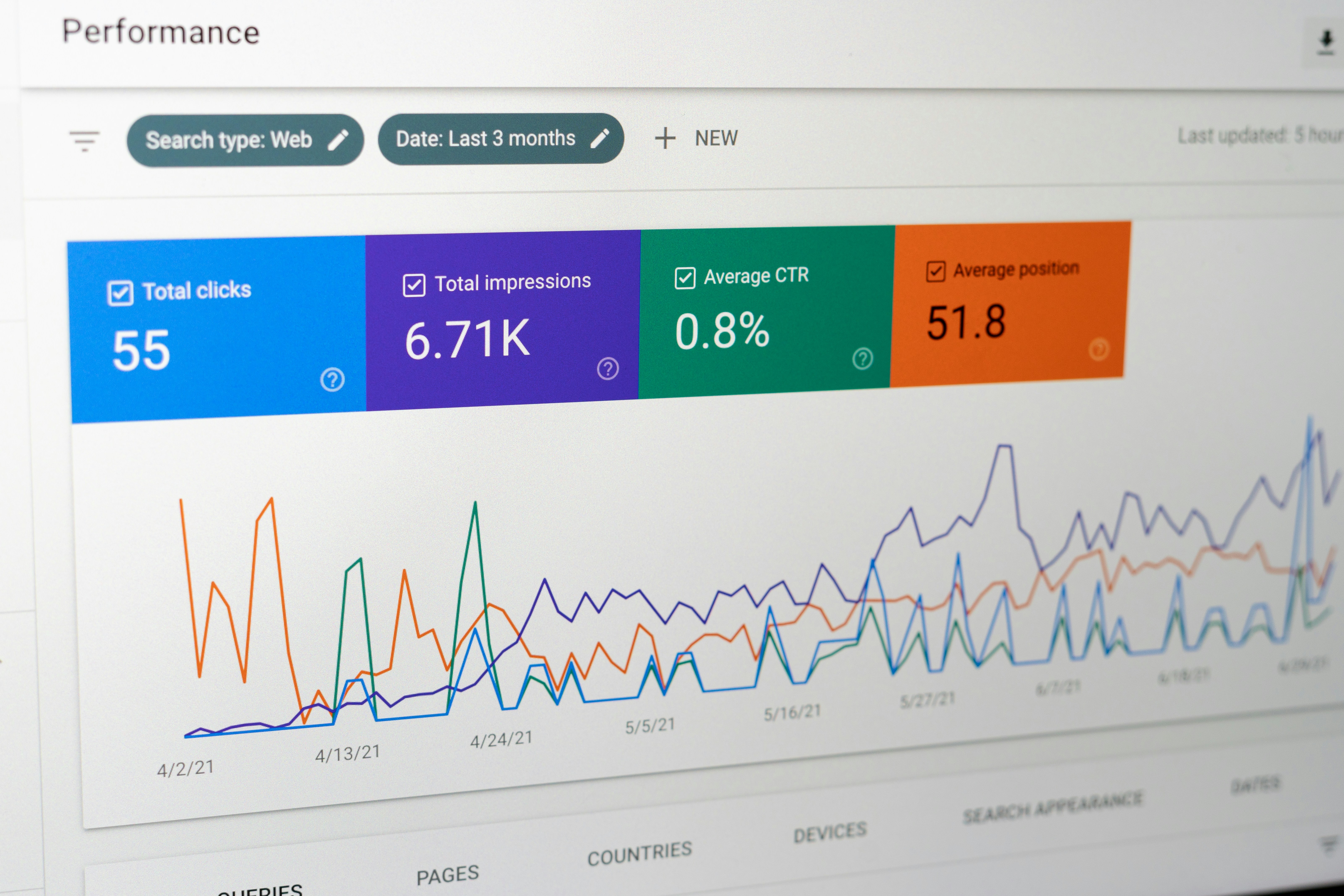
Leveraging Looker Studio in conjunction with Bing Webmaster Toolbox can significantly enhance your understanding of essential SEO metrics. At the core of this integration are key performance indicators (KPIs) such as impressions, clicks, click-through rates (CTR), and keyword performance. Each of these metrics provides valuable insights that can inform and refine your SEO strategies.
Impressions represent the number of times your website appears in search results. This metric is crucial as it reflects the visibility of your content within search engines. In Looker Studio, tracking impressions over time allows you to identify trends in visibility and monitor the effectiveness of your content optimization efforts. A decline in impressions may signal the need for further keyword research or content refinement.
Clicks indicate the actual number of visitors that have followed through to your website from search engine results. This metric is particularly important as it measures the engagement and appeal of your content. By analyzing click data in Looker Studio, you can evaluate how any changes you’ve made affect user behavior. High click numbers coupled with a significant number of impressions often suggest that your titles and descriptions are effective at attracting users’ attention.
The click-through rate (CTR) is another crucial metric that provides insights into your website’s performance. Calculated as the ratio of clicks to impressions, a high CTR indicates that users find your content relevant to their searches. Tracking this metric in Looker Studio allows you to assess the effectiveness of title tags and meta descriptions, providing a basis for devising strategies to improve user engagement.
Lastly, keyword performance metrics offer insights into which search queries are driving traffic to your site. By understanding how specific keywords perform, you can optimize your content for better reach and engagement. Using Bing Webmaster Toolbox allows you to gather information on keyword rankings and associated traffic, which can be thoroughly analyzed within Looker Studio. Overall, these insights equip you to make informed decisions to enhance your overall SEO performance.
Creating Effective SEO Reports
Creating effective SEO reports is crucial for understanding and improving your digital marketing strategies. Looker Studio provides a dynamic platform for visualizing SEO data, enabling users to extract actionable insights that can guide decision-making. To craft impactful reports, one should leverage various data visualization techniques that enhance clarity and facilitate comprehension.
First, it is essential to select the right key performance indicators (KPIs) that align with your specific SEO goals. Commonly used KPIs include organic traffic, bounce rate, keyword rankings, and conversion rates. These metrics provide users with a comprehensive overview of website performance in search engine results pages (SERPs). By presenting these KPIs in an easily digestible format, stakeholders can quickly ascertain the effectiveness of their SEO efforts.
When utilizing Looker Studio, data visualization techniques such as bar graphs, line charts, and heat maps can significantly elevate the presentation of your reports. For example, a line chart may effectively illustrate organic traffic trends over time, while a heat map could highlight pages that yield high engagement rates. Each visual representation should be carefully chosen to convey specific information clearly and accurately.
Furthermore, interpretation of the presented data is vital. Rather than merely reporting numbers, analysts should contextualize the findings to facilitate actionable insights. This might involve identifying patterns, drawing comparisons, or linking KPI performance to recent updates or changes in SEO strategy. By doing so, stakeholders can understand the implications of the data and make informed decisions regarding future actions.
In conclusion, creating effective SEO reports using Looker Studio involves a strategic approach to selecting KPIs, employing data visualization techniques, and interpreting results for actionable insights. This comprehensive analysis not only enhances reporting efficacy but also drives continuous improvement in SEO initiatives.
Using Looker Studio for Data Visualization
Looker Studio stands out as a powerful tool for visualizing data, particularly for professionals seeking to enhance their search engine optimization (SEO) strategies. With its advanced capabilities, Looker Studio allows users to transform raw SEO data into compelling visual narratives, enabling stakeholders to grasp performance metrics effectively. By employing various forms of visualizations, including charts, graphs, and dashboards, users can convey complex information in a more digestible format.
One of the significant benefits of Looker Studio is its ability to create interactive dashboards. These dashboards serve as a centralized hub for SEO-related metrics, displaying essential information such as organic traffic, keyword rankings, and conversion rates. By integrating data from Bing Webmaster Toolbox, users can automatically populate these dashboards, ensuring that stakeholders have access to up-to-date insights. This real-time data visualization facilitates timely decision-making, which is crucial for responding to changes in SEO performance swiftly.
Additionally, Looker Studio supports various chart types, enabling users to select the most effective format for presenting their data. For example, line graphs can illustrate trends over time, while bar charts are effective for comparing keyword performance across different campaigns. By selecting the appropriate visualization, SEO professionals can highlight significant patterns and correlations, making it easier for stakeholders to identify areas that require improvement or further investment.
Moreover, Looker Studio’s user-friendly interface allows for seamless customization and filtering of data. Users can tailor their visualizations according to specific criteria, which enhances the audience’s understanding of the information presented. For instance, filtering by date range or geographical location can unveil insights that are particularly pertinent to specific campaigns or markets. Overall, leveraging Looker Studio for data visualization not only improves stakeholder engagement but also empowers SEO teams to articulate their findings clearly and effectively.
Case Study: Optimizing an SEO Strategy with Looker Studio and Bing Tools
In the competitive landscape of digital marketing, businesses continuously seek innovative ways to enhance their Search Engine Optimization (SEO) strategies. A notable case study involves a mid-sized e-commerce company struggling with poor organic search visibility. Despite investing in various SEO initiatives, the company experienced stagnation in traffic growth. To tackle this challenge, the firm decided to integrate Looker Studio with Bing Webmaster Toolbox, aiming to utilize data visualization and insights for a more effective SEO approach.
The first step in this process involved utilizing Bing Webmaster Toolbox to identify critical areas of improvement. The company analyzed metrics such as click-through rates, crawl errors, and keyword rankings. However, raw data insights did not provide a comprehensive understanding of the underlying issues. Therefore, the organization turned to Looker Studio for enhanced data visualization. The platform allowed the SEO team to create interactive dashboards that combined Bing’s performance metrics with additional data sources, enabling a more robust analysis of SEO performance.
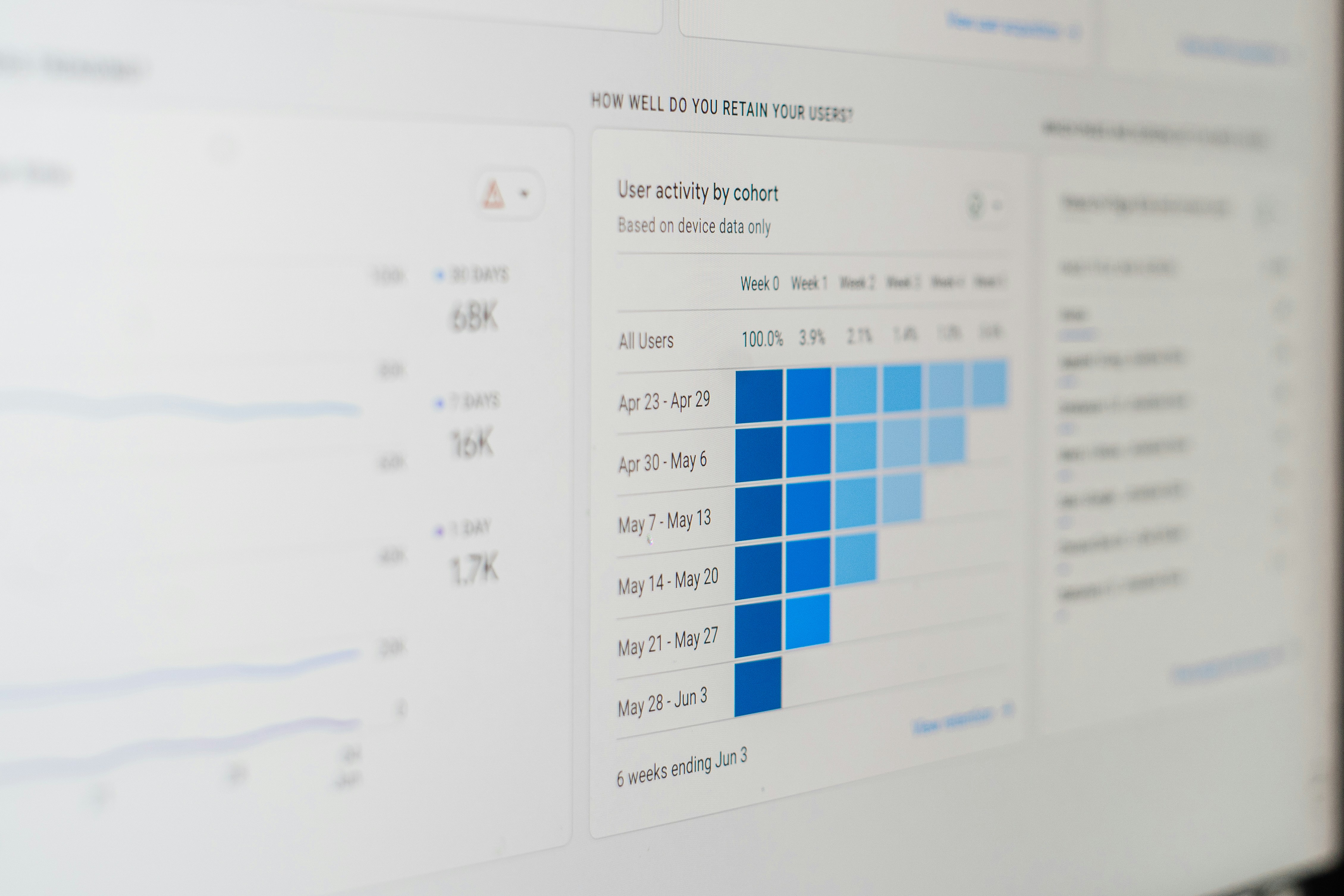
By transforming the data into visual representations, the SEO team could identify patterns and trends more readily. The integration highlighted underperforming keywords that required optimization, as well as pages that could benefit from content enrichment. Additionally, Looker Studio enabled user segmentation analytics, allowing the team to tailor their strategies toward different audience profiles. This holistic approach resulted in a more informed strategy that leveraged insights from both tools.
Over the next three months, the company implemented the recommendations derived from their combined analysis. As a result, organic traffic saw an increase of 45%, while conversions improved by 30%. This case study effectively illustrates how the strategic integration of Looker Studio with Bing Webmaster Toolbox can amplify an SEO strategy, facilitating data-driven decisions that lead to significant business growth.
Common Challenges and Troubleshooting
Using Looker Studio in conjunction with Bing Webmaster Toolbox can lead to a range of challenges some users encounter. Understanding these challenges and knowing how to troubleshoot them effectively is essential for leveraging the full potential of these tools. One common issue is the integration process itself. Users may find it difficult to connect Looker Studio with Bing Webmaster Toolbox, often due to incorrect configuration settings or API access problems. To resolve this, users should ensure that they have the correct API keys and have granted Looker Studio permission to access data from Bing Webmaster Toolbox. Following the step-by-step setup guides available online can also simplify this process.
Another challenge pertains to data accuracy. Users may notice discrepancies in the metrics reported by Looker Studio compared to those displayed in the Bing Webmaster Toolbox. Such differences can arise from a variety of factors, including time zone settings, data update frequency, or filter applications. Regularly reviewing and standardizing the settings across both platforms can greatly enhance data consistency and reliability. Additionally, cross-verifying data during the initial stages of integration can help establish a benchmark for future comparisons.
Reporting discrepancies can also pose a problem, particularly when users rely on visual reports for SEO decision-making. Sometimes, data visualized in Looker Studio may not accurately reflect real-time analytics from Bing Webmaster Toolbox. To troubleshoot these issues, users should verify that the data sources are correctly linked and that the intended metrics are selected for reporting. Utilizing the built-in tools in Looker Studio to refresh data and preview reports can also aid in identifying any underlying issues before they affect overall analysis.
Conclusion: Maximizing the Value of Your SEO Efforts
In our exploration of leveraging Looker Studio and Bing Webmaster Toolbox, it becomes evident that utilizing both tools can significantly enhance your SEO efforts. Looker Studio offers robust data visualization capabilities, allowing you to create comprehensive reports that distill complex information into actionable insights. By integrating data from Bing Webmaster Toolbox, you gain a wealth of information regarding your website’s performance, search visibility, and user engagement. This synergistic approach not only streamlines the analysis process but also enables marketers and webmasters to make informed decisions based on real-time data.
The insights gathered from Bing Webmaster Toolbox can help identify keywords driving organic traffic, track website health, and analyze competition. When these insights are fed into Looker Studio, they can be visualized in a way that highlights trends and patterns, emphasizing areas needing improvement. This ensures that your SEO strategies are data-driven rather than speculative. Moreover, the ability to customize reports means you can focus on metrics that matter most to your specific goals, making it a highly flexible solution tailored to your needs.
Implementing the strategies discussed can indeed maximize your SEO efforts. As you utilize Looker Studio alongside Bing Webmaster Toolbox, it is crucial to remain agile and responsive to the data generated. Continuous monitoring and optimization based on these insights are essential for maintaining a competitive edge. Emphasizing the importance of these tools in conjunction will empower you to refine your digital marketing strategies effectively, leading to enhanced online visibility and improved audience engagement. Ultimately, the combined power of these platforms is instrumental in navigating the complexities of SEO, ensuring that your efforts yield maximum value.