Introduction to Looker Studio
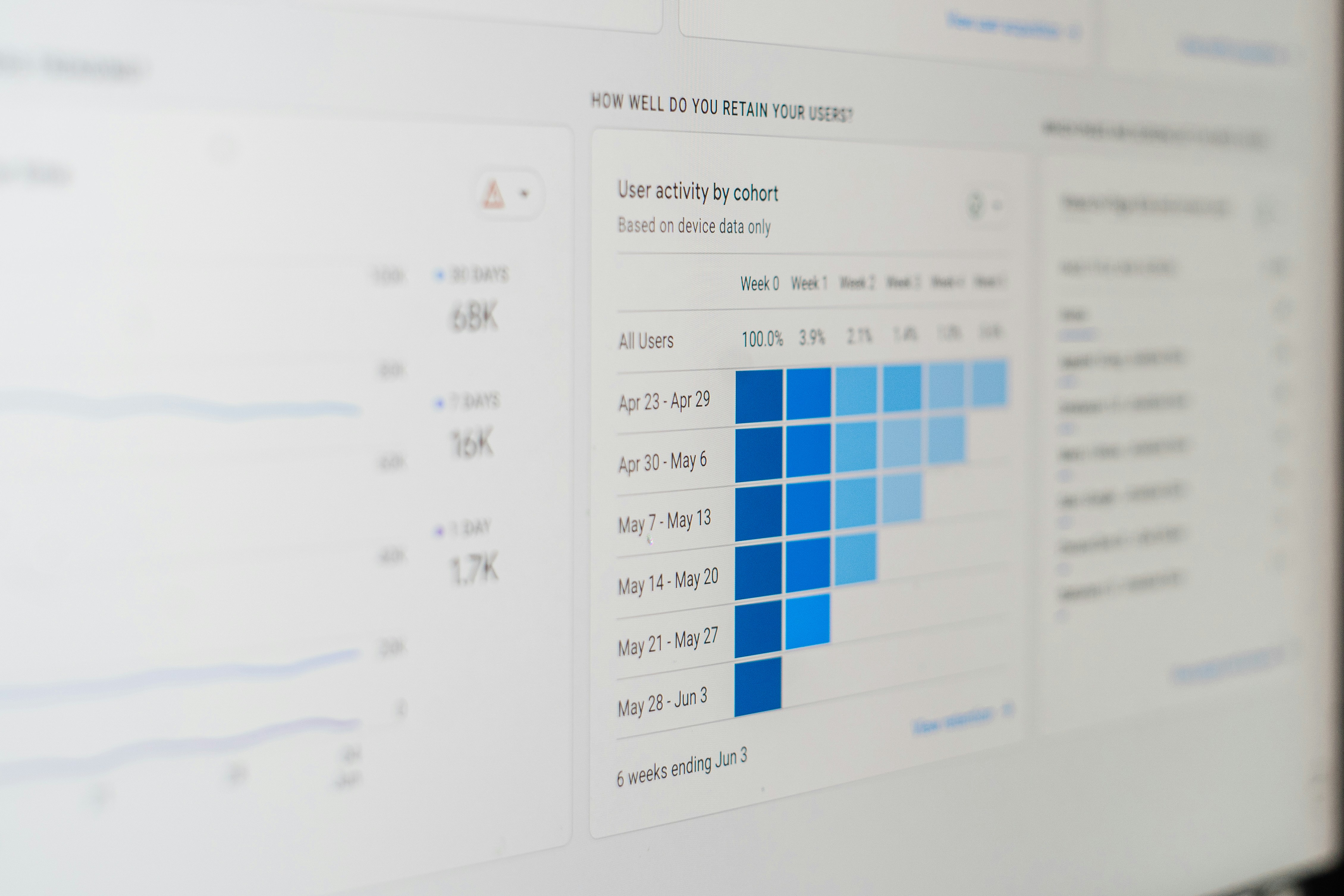
Looker Studio is an innovative data analytics platform designed to empower users with the ability to visualize and analyze large datasets efficiently. As businesses increasingly rely on data-driven decision-making, Looker Studio stands out by offering a robust suite of tools that facilitate deep insights into data. The platform is renowned for its user-friendly interface, making it accessible to users with varying levels of technical expertise.
One of the primary features of Looker Studio is its powerful data visualization capabilities. Users can create interactive dashboards and reports that enable them to comprehend complex datasets effortlessly. With a variety of charts, maps, and tables, Looker Studio facilitates the presentation of data in formats that are meaningful and easy to understand. Moreover, the platform supports real-time data updates, ensuring that users always have the most current information at their fingertips.
Another significant aspect of Looker Studio is its integration capabilities. It can seamlessly connect to various data sources, enabling users to pull in data from different platforms. Notably, its compatibility with Kaggle datasets enhances its functionality, allowing users to leverage Kaggle’s extensive repository of public datasets for deeper analysis. This integration allows data scientists and analysts to mix the rich datasets found on Kaggle with their internal organizational data, thereby enriching their analyses and insights.
Furthermore, Looker Studio supports collaborative features that enable teams to work together more effectively on data projects. Users can share reports and dashboards, ensuring that insights are accessible across the organization. In an era where collaborative data analysis is critical for informed decision-making, this feature significantly enhances the value of Looker Studio.
Understanding Kaggle Datasets
Kaggle is a widely recognized platform that provides access to an extensive collection of datasets ranging across various domains, including finance, healthcare, social sciences, and more. This vast repository allows data scientists, researchers, and enthusiasts to explore real-world problems and hone their analytical skills. Each dataset on Kaggle is often accompanied by a description, potential use cases, and community-driven discussions, making it a rich resource for those looking to perform data analysis.
The types of datasets available on Kaggle are diverse, including structured data, unstructured data, and time-series data. Structured datasets generally comprise tabular data with clearly defined rows and columns, enabling straightforward analysis using statistical methods. Unstructured datasets, such as text or images, require more advanced techniques in natural language processing or computer vision. Additionally, time-series datasets enable users to analyze trends over time, which can be crucial for predictive modeling.
Leveraging these datasets for data analysis projects in Looker Studio can yield insightful results. However, before importing any dataset, it is essential to engage in data cleaning and preparation. Raw data often contains errors, missing values, or irrelevant information, which can significantly impact the analysis outcome. Cleaning the dataset may involve handling null values, correcting inconsistencies, and transforming the data into a suitable format for analysis. Furthermore, exploratory data analysis should be conducted to understand the underlying patterns and distributions, fostering a more targeted approach when building models or visualizations in Looker Studio.
In summary, Kaggle represents a valuable asset for anyone looking to enhance their data analysis capabilities. By understanding the types of datasets available and the importance of proper data preparation, users can effectively leverage the power of data in Looker Studio, making significant strides in their analytical endeavors.
Connecting Looker Studio to Kaggle
Connecting Looker Studio to Kaggle datasets can significantly enhance your data analysis capabilities. This step-by-step guide will walk you through the necessary actions required to import data from Kaggle into Looker Studio seamlessly. To begin, ensure that you have a Kaggle account and are familiar with the dataset you wish to analyze.
The first step involves obtaining an API key from your Kaggle account, which is essential for accessing datasets programmatically. To generate the API key, navigate to your Kaggle account settings and find the “API” section. Here, you can create a new API token, which will be downloaded as a JSON file. This file contains your credentials, including the username and key that you will use for authentication.
Next, it is vital to have the Kaggle API client installed on your local machine or environment. This can be easily achieved using Python’s package manager, pip. Simply run the command pip install kaggle in your terminal or command prompt. Once you have the Kaggle API installed, you need to configure the API to recognize your credentials. Move the downloaded JSON file to the directory ~/.kaggle/ on Linux or Mac, or to C:Users\.kaggle on Windows. Ensure the file has the correct permissions to keep your credentials secure.
Now that your Kaggle API is set up, you can use it to download datasets directly into your working environment. Utilize the command kaggle datasets download -d , wherecorresponds to the dataset’s unique name on Kaggle. Once the dataset is downloaded, you can import it into Looker Studio by using the data source connector function within the platform, allowing for a robust data visualization and analysis process.
Data Visualization Techniques in Looker Studio
Data visualization plays a crucial role in transforming raw data into meaningful insights. Looker Studio offers a diverse array of data visualization techniques that can be effectively utilized, particularly when leveraged with datasets sourced from Kaggle. This section will discuss several prominent methods for creating effective dashboards, charts, and reports, underscoring the best practices necessary for impactful visualizations.
One of the fundamental techniques available in Looker Studio is the creation of interactive dashboards. These dashboards allow users to easily navigate through various datasets, providing a comprehensive overview of key performance indicators. By integrating Kaggle datasets, users can enrich their dashboards with real-time data, enabling stakeholders to make informed decisions promptly. It is vital to maintain simplicity and clarity in design to prevent overwhelming the audience with excessive information.
Another effective visualization technique is the use of charts, such as bar charts, line charts, or pie charts, to illustrate trends and patterns within the data. For instance, utilizing a line chart to depict data trends over time can highlight significant fluctuations, allowing for predictive analyses. When designing charts, it is essential to select colors that are not only visually appealing but also assist in distinguishing between different data sets. Furthermore, incorporating appropriate labels and legends enhances overall readability.
Reports generated in Looker Studio can also benefit from a systematic approach to data visualization. By structuring reports to feature summaries, detailed charts, and analyses side by side, users can provide a holistic view of their findings. Ultimately, best practices such as maintaining consistency in design, employing correct scales, and choosing the right visualization type for specific data types will contribute to the clarity of insights derived from Kaggle data.
Case Study: Analyzing Kaggle Data with Looker Studio
This case study focuses on leveraging Looker Studio to analyze a specific dataset from Kaggle, aiming to illustrate the analytical capabilities and insights that can be derived through this powerful combination. The dataset in question involves a public health dataset cataloging various health indicators across different regions. First, we initiate the process by importing the Kaggle data into Looker Studio. This can be achieved by downloading the dataset in CSV format from Kaggle and then uploading it to Looker Studio, where the data is appropriately structured for analysis.
Once the data is successfully imported, the next step involves preparing it for analysis. This consists of data cleansing and transformation processes, ensuring that any missing values are addressed and the data types align with the anticipated analyses. Looker Studio provides robust tools for data manipulation, including support for calculated fields that can derive new insights from existing data points, such as trends in health indicators by demographic criteria.
After the data preparation phase, we proceed to create visualizations that highlight key insights from the dataset. Looker Studio offers various visualization options, including bar charts, pie charts, and heat maps. These visual representations of data allow for efficient identification of health trends, potential disparities across demographics, and geographical anomalies. For instance, a heat map can unveil regions with significantly high or low health indicators, guiding further investigation.
Ultimately, this case study showcases how integrating Looker Studio with Kaggle data can render compelling insights, assisting stakeholders in making informed decisions. Through this process, users can efficiently visualize complex datasets and explore the narratives behind the numbers, facilitating a deeper understanding of public health contexts and their implications.
Best Practices for Reporting in Looker Studio
When it comes to reporting in Looker Studio, a few best practices can significantly enhance the clarity and effectiveness of data presentations. Understanding the audience is crucial, as reports should be tailored to meet their specific needs and level of expertise. Knowing whether the audience is composed of data analysts, executives, or non-technical stakeholders influences the complexity of the visualizations and language used throughout the report.
Data storytelling is a central aspect of creating impactful reports. It involves not just presenting data, but weaving a narrative that guides the audience through insights derived from Kaggle datasets. Start by establishing a clear goal for the report. What significant findings do you want to communicate? Utilize visualizations such as charts and graphs to highlight key data points while ensuring that they are straightforward and visually appealing. Avoid cluttered visuals that may lead to misinterpretations.
Consistency is another important factor in reporting. Use a uniform color scheme, font style, and layout throughout the report to invoke a sense of professionalism and encourage easier navigation. When incorporating content from Kaggle, clearly label datasets and reference them appropriately to maintain transparency and allow for further exploration. Additionally, consider the placement of critical information; important metrics should be positioned prominently, capturing the users’ attention quickly.
Lastly, gather feedback on drafts from a sample of your intended audience. This feedback can highlight areas of confusion and help refine the report to better meet expectations. Effective communication of findings requires iterative improvement, making audience input invaluable. By implementing these best practices, one can create reports in Looker Studio that are not only informative but genuinely engaging for all stakeholders involved.
Common Challenges and Troubleshooting
Working with Looker Studio and Kaggle can present several challenges for users, particularly when it comes to data integration, visualization, and deployment. Being aware of these common issues is a critical step toward effectively leveraging both platforms. One frequent problem encountered involves establishing a data connection between Looker Studio and Kaggle datasets. Users may face difficulties in authenticating their Kaggle API or incorrectly configuring the data query settings, which can lead to errors or incomplete data visualizations.
For users experiencing connection issues, it is advisable to double-check the API key used for authentication. Ensuring the key is accurate and has the appropriate permissions can alleviate many connection challenges. Additionally, confirming that the dataset is publicly available or that necessary sharing permissions are granted can help in smoothly retrieving data from Kaggle into Looker Studio. Furthermore, reviewing the data format is essential, as incompatible data types may lead to visualization errors.
Another common challenge arises when creating visualizations within Looker Studio. Users may encounter discrepancies between the expected and actual outputs, often due to incorrectly configured dimensions and metrics. To address visualization errors, it is beneficial to revisit the data settings and ensure that all fields are correctly mapped. Previewing the data prior to creating a chart can be an effective step, allowing users to identify any potential issues in advance.
Finally, deploying reports can also pose obstacles, particularly regarding sharing settings and user permissions. These issues can prevent stakeholders from accessing the content. It is crucial to verify that the report sharing settings are configured to accommodate the intended audience. By following these troubleshooting tips and techniques, users can navigate common challenges associated with Looker Studio and Kaggle, ultimately enhancing their data analysis experience.
Future Trends in Data Analysis with Looker Studio and Kaggle
As the fields of data analysis and visualization continue to evolve, Looker Studio and Kaggle are positioned to play vital roles in shaping future trends. The integration of Looker Studio with extensive datasets from Kaggle allows data analysts to derive insights that were once challenging to obtain. With advancements in artificial intelligence and machine learning, new features are likely to emerge within Looker Studio, enhancing its analytic capabilities and simplifying the user experience.
One anticipated trend is the increased automation of data visualization. As organizations seek efficiency, Looker Studio may introduce functionalities that automate routine visualization tasks, allowing analysts to focus on deriving insights rather than preparing data for analysis. This aligns with broader industry trends towards automated data processing and analytics, driven by the ever-expanding volume of data generated daily.
Moreover, the collaborative aspects of Kaggle’s platform are expected to enhance. As more data professionals contribute to and share datasets, the possibilities for advanced analyses and model-building will multiply. Looker Studio may leverage this by providing features that facilitate real-time collaboration on visualizations and reporting. This synergy between collaborative tools and rich datasets could lead to groundbreaking discoveries and insights that propel industries forward.
Furthermore, integrating advanced machine learning models into Looker Studio will be essential for predictive analytics. As contributors on Kaggle experiment with different algorithms and share their results, Looker Studio could enable users to directly incorporate these models into their visualizations, providing a seamless transition from data analysis to actionable insights.
As we look towards the future, the adaptations and innovations in Looker Studio, driven by developments within Kaggle, are likely to redefine the landscape of data analysis and visualization, making it accessible and actionable for a broader audience.
Conclusion: The Power of Combining Looker Studio and Kaggle
Throughout this comprehensive guide, we have explored the significant advantages of integrating Looker Studio with Kaggle for data analysis. The alliance of these two powerful tools enhances the analytical capabilities of users, allowing for a more robust exploration of data and generation of insights. By employing Looker Studio’s dynamic visualization features in tandem with Kaggle’s rich datasets and machine learning resources, users can maximize their data-driven decision-making processes.
One key takeaway is the streamlined workflow that emerges from leveraging these platforms together. Looker Studio provides an intuitive interface for creating insightful dashboards and reports, while Kaggle offers a vast array of data sources, competitions, and community interactions that fuel learning and projects. This symbiotic relationship fosters an environment where users can not only analyze existing data but also experiment and innovate with new data approaches and methodologies.
Additionally, the combined use of Looker Studio and Kaggle allows for accessibility to a diverse audience, ranging from beginners in data science to seasoned analysts. This accessibility ensures that users of all skill levels can harness analytical complexity without being overwhelmed. As data continues to play a critical role in decision making across various industries, understanding how to effectively utilize tools such as Looker Studio and Kaggle is essential for achieving actionable insights.
In summary, the synergy between Looker Studio and Kaggle is powerful. By merging the visualization prowess of Looker Studio with the analytical and data resources provided by Kaggle, users can uncover deeper insights and foster data-driven strategies that lead to informed decisions and successful outcomes. Embracing this integration not only enhances analytical tasks but also encourages continuous growth in data literacy and conceptual understanding.