Introduction to Looker Studio
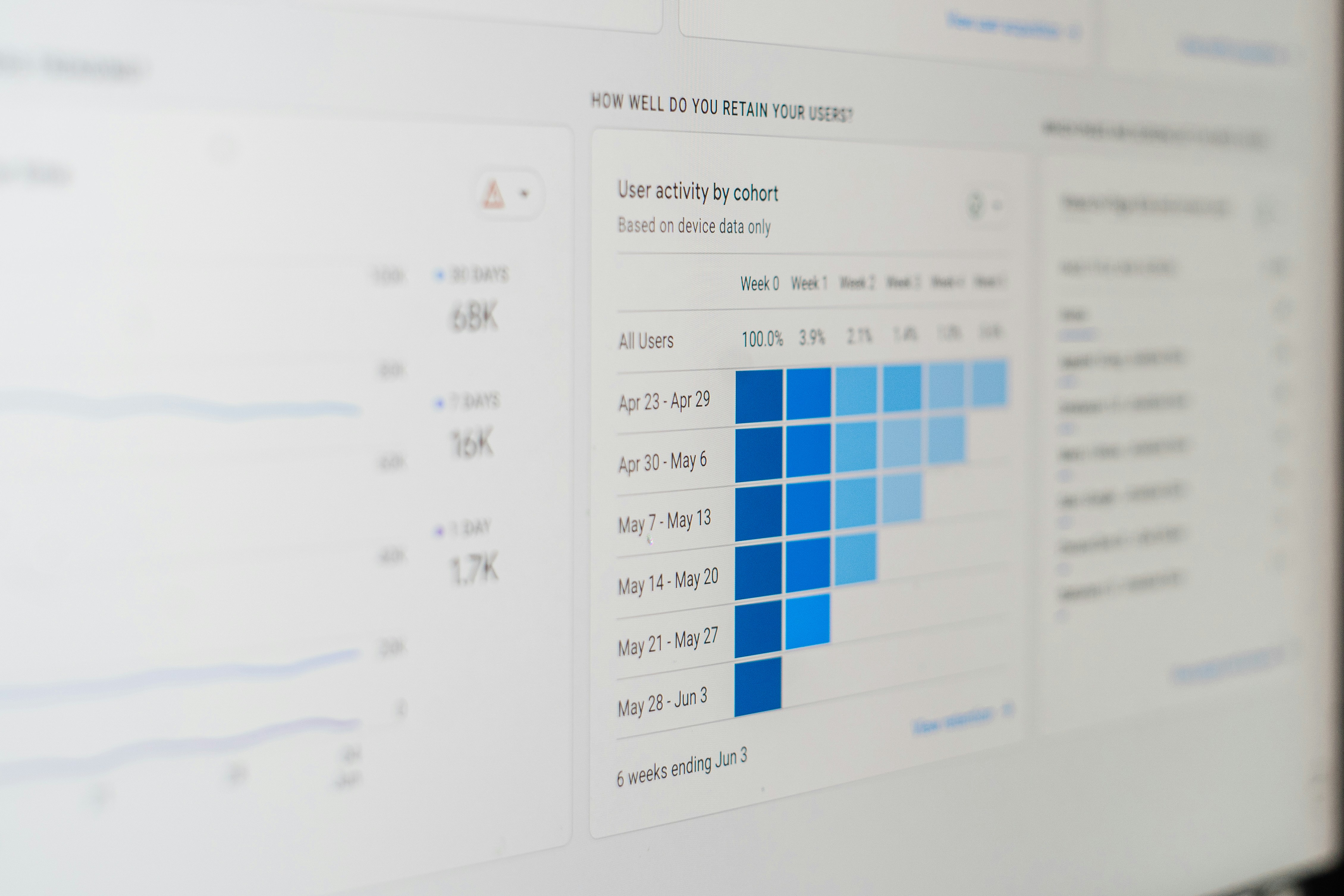
Looker Studio is a powerful data analytics and business intelligence platform designed to transform raw data into actionable insights. By integrating seamlessly with various data sources, Looker Studio enables organizations to visualize and analyze their information effectively. This flexibility is crucial for businesses aiming to make data-driven decisions, as it allows users to uncover trends, track performance, and optimize strategies.
One of the key features of Looker Studio is its robust data modeling capabilities. Users can create sophisticated models that not only simplify complex datasets but also enhance collaboration across departments. This function ensures that stakeholders from different business areas can access the metrics that matter most to them, fostering a culture of informed decision-making. Additionally, Looker Studio supports real-time data integration, which means that organizations can make timely decisions based on the most current data.
Another significant advantage of Looker Studio is its customizable reporting features. The platform offers a wide range of visualization options, allowing businesses to tailor their reports to their specific needs. This customization enhances the clarity and impact of the presented information, whether shared with internal teams or stakeholders. Furthermore, Looker Studio’s ability to automate report generation saves time and reduces the risk of human error, contributing to more efficient reporting processes.
The platform also promotes ease of use, with an intuitive interface that caters to users of varying technical expertise. This accessibility democratizes data analysis within organizations, empowering even non-technical users to derive meaningful insights. As a result, Looker Studio is an essential tool for businesses looking to harness the potential of their data for enhanced performance and competitive advantage.
Understanding the Facebook Public API
The Facebook Public API, more formally known as the Facebook Graph API, serves as a robust interface for developers and businesses seeking to interact with the extensive data hosted by Facebook. This application programming interface allows users to access a wealth of information ranging from user data to page insights and engagement metrics. By leveraging the Facebook Public API, organizations can obtain valuable insights that can drive decision-making, enhance marketing strategies, and inform content creation.
At its core, the Facebook Public API operates on a structure that facilitates seamless requests for data. Developers can utilize different endpoints to request specific sets of data, such as user profiles, posts, comments, and shares, as well as metrics associated with various pages. Each request is made with standardized HTTP methods, allowing for efficient data retrieval. The API also employs versioning, ensuring that users can adapt their applications based on the latest updates provided by Facebook.
The significance of the Facebook Public API lies not only in its ability to offer valuable information but also in how it empowers organizations to connect more effectively with their audience. For instance, businesses can analyze interactions with their content, identify trends in user behavior, and personalize their marketing initiatives based on demographic insights. Furthermore, the API enables businesses to aggregate data across multiple pages or user interactions, providing a comprehensive view of their presence on the platform.
In essence, the Facebook Public API is an indispensable tool for any developer or organization aiming to harness the potential of Facebook’s extensive dataset. By accessing and analyzing this information, businesses can enhance their reporting capabilities, shape their strategies, and ultimately achieve greater engagement within a competitive landscape.
Integrating Facebook Public API with Looker Studio
Integrating the Facebook Public API with Looker Studio is a multistep process that enhances data reporting capabilities. To initiate this integration, the first critical step involves authentication. You must secure access to the Facebook API by creating an app within the Facebook Developer Portal. This app serves as a bridge between Looker Studio and Facebook, allowing data retrieval. After setting up the app, obtain the necessary access tokens and permissions that permit Looker Studio to fetch data from the Facebook Public API efficiently.
Once authentication is successfully completed, the next step involves utilizing connectors. Looker Studio supports various data connectors that facilitate the integration with external APIs, including the Facebook Public API. Select an appropriate connector tailored for Facebook, which could be an official or third-party option. These connectors simplify the process of fetching data without needing extensive coding knowledge. Following the selection, configure the connector using the credentials and access tokens acquired during the authentication phase.
Subsequently, configuring data sources is crucial for ensuring a smooth data flow between Facebook and Looker Studio. Begin by defining the data fields that you wish to import from the Facebook Public API. This can include metrics such as page insights, post engagement, and audience demographics. It’s essential to ensure that the data fields mapped in Looker Studio align with those provided by the Facebook API. This step guarantees that Looker Studio can accurately interpret and visualize the data. Once the data source is established, test the integration to verify that data flows correctly, enabling effective reporting and insightful analysis.
The integration of the Facebook Public API with Looker Studio not only streamlines the data gathering process but also enhances the overall reporting experience, allowing users to derive actionable insights from their social media data.
Creating Custom Reports in Looker Studio using Facebook Data
In today’s data-driven landscape, having the ability to create customized reports is paramount for businesses looking to harness insights from their data. Leveraging data from the Facebook Public API within Looker Studio allows organizations to construct tailored reports that meet specific analytical requirements. The process begins by establishing a connection between Looker Studio and the Facebook Public API, ensuring that the relevant data is accessible.
When creating reports, it is essential to identify the key metrics and dimensions that will provide meaningful insights for stakeholders. Metrics such as engagement rate, reach, impressions, and conversion rates are crucial indicators of performance on Facebook. Additionally, consider integrating dimensions like demographic data, time frames, and ad placements, as these can help in drilling down to more granular insights. Carefully selecting these elements will enable a comprehensive view of the Facebook data, facilitating in-depth analysis.
Once the data is imported into Looker Studio, visualization plays a pivotal role in making the information easily digestible. Various chart types, such as bar graphs, line charts, and pie charts, can be utilized to represent data effectively. Consider using color schemes that align with the company’s branding, which not only enhances the visual appeal but also improves clarity. Furthermore, incorporating filters allows users to interact with the report, making it versatile for different business needs.
By utilizing the capabilities of Looker Studio alongside the Facebook Public API, organizations can generate insightful reports tailored to specific objectives. As teams iterate on their reporting processes, they can continually refine their metrics and visualizations to stay aligned with evolving business requirements. This synergy not only bolsters data reporting but also empowers informed decision-making across the organization.
Best Practices for Data Visualization in Looker Studio
Effective data visualization is crucial for deriving insights from the vast amounts of data available through the Facebook Public API. When utilizing Looker Studio for this purpose, adhering to best practices ensures that the visualizations are not only aesthetically pleasing but also communicative and insightful. One of the fundamental principles in data visualization is selecting the appropriate chart type according to the nature of the data being presented. For instance, when comparing distinct categories, bar charts may serve as a clear method of representation, while line charts are ideal for illustrating trends over time. This strategic selection aids viewers in quickly grasping the intended message without unnecessary confusion.
Another integral practice is maintaining consistency throughout the visuals. Consistency applies to color schemes, fonts, and chart designs. Uniform styles across reports help reinforce branding and enhance user familiarity, making it simpler for stakeholders to interpret the data. Furthermore, consistent use of colors to represent specific metrics or categories minimizes cognitive overload and enables quicker recognition of patterns and anomalies within the data.
Providing contextual information is equally essential in data visualization. Each visual should be accompanied by relevant details that clarify the data being represented. This may include annotations, descriptive titles, and legends that explain what the viewer is looking at. For instance, in reports generated from Facebook data regarding audience engagement, adding context such as timeframe and geographic location can significantly enhance the quality of insights drawn. Such elucidation empowers users to make informed decisions backed by a comprehensive understanding of the data.
In conclusion, by employing these best practices—choosing the right chart types, ensuring design consistency, and providing clear context—data visualization in Looker Studio can become a powerful tool for effectively communicating insights derived from the Facebook Public API.
Automating Data Refresh and Reporting
To harness the full potential of Looker Studio alongside the Facebook Public API, it is pivotal to automate data refreshes. This ensures that the reporting reflects real-time updates, allowing organizations to make informed decisions based on the latest data. Automation promotes effective data management, setting a foundation for timely insights that drive strategic actions.
One effective strategy for scheduling automated data refreshes is to utilize Looker Studio’s built-in scheduling features. Users can configure the refresh rate according to their reporting needs—daily, weekly, or even more frequently depending on the urgency of the data. It is essential to balance refresh frequency with the need for system resources; overly frequent updates may strain the system and lead to performance issues. Mapping out a refresh schedule aligned with business objectives will optimize resource utilization while maintaining data relevance.
While automating data refreshes can significantly enhance reporting accuracy, there are potential pitfalls to consider. Connectivity issues, for example, can interrupt the data flow from the Facebook Public API to Looker Studio, resulting in incomplete or stale reports. To mitigate this risk, organizations should implement monitoring systems that alert administrators if a scheduled refresh fails. Such proactive measures enable immediate troubleshooting, thereby upholding data accuracy and integrity.
Another crucial aspect of effective automation is the maintenance of data accuracy over time. Regularly reviewing the API’s data model and ensuring alignment with Looker Studio is vital. This will not only help in recognizing any changes in the API structure but also safeguard against discrepancies in the reporting metrics. Furthermore, conducting periodic audits on the automated processes can uncover underlying issues, ensuring that the system remains reliable and efficient.
Automating data refreshes in Looker Studio, with insights drawn from the Facebook Public API, is not merely about the convenience of real-time reporting; it is a strategic imperative that supports sound decision-making. Through diligent planning and oversight, organizations can maximize the effectiveness of their reporting systems.
Analyzing Facebook Data: Key Metrics to Consider
As businesses increasingly rely on data-driven decision-making, understanding essential metrics in Facebook data becomes crucial for enhancing marketing and advertising strategies through Looker Studio. The primary metrics to consider include engagement, reach, and user demographics, among others. Each of these metrics provides valuable insights that can help businesses tailor their campaigns to better reach their target audiences.
Engagement is one of the most important metrics to analyze. It encompasses likes, shares, comments, and interactions on posts. High engagement indicates that your content resonates with your audience, fostering stronger connections and potentially driving conversions. By examining engagement rates over time, businesses can identify trends and optimize their content strategies accordingly.
Reach is another critical metric that reflects the total number of unique users who have seen a post. Understanding reach helps businesses gauge the effectiveness of their campaigns in attracting new audiences. It is essential to distinguish between paid and organic reach to assess the impact of both advertising efforts and organic content in driving visibility. Tracking reach in Looker Studio can equip businesses with the data needed to enhance their marketing efforts.
Demographics provide a clear view of your audience segments, including age, gender, and location. By analyzing demographic data, businesses can tailor their advertising strategies to align with the preferences and behaviors of different segments. This metric enables marketers to create personalized campaigns that resonate with specific audiences, thereby increasing the likelihood of conversions.
Additional metrics, such as click-through rates (CTR), conversion rates, and retention metrics, should also be considered in conjunction with engagement, reach, and demographics. These metrics give a holistic picture of how well marketing strategies are performing. By leveraging Looker Studio to analyze these critical metrics effectively, businesses can enhance their decision-making processes and improve the overall performance of their advertising campaigns.
Case Studies of Successful Implementations
The integration of Looker Studio with the Facebook Public API has proven beneficial for numerous organizations. By exploring various case studies, we can identify common challenges encountered and the solutions that enabled organizations to effectively leverage data reporting capabilities.
One notable example is a mid-sized e-commerce company that faced difficulties in analyzing user engagement across their Facebook campaigns. Initially, the company struggled with disparate data sources, leading to fragmented reporting and inadequate insights into their marketing performance. After implementing Looker Studio in conjunction with the Facebook Public API, the company unified their data sources. This allowed for comprehensive dashboards showcasing real-time metrics on ad performance, click-through rates, and audience demographics. The integration facilitated a more granular understanding of user interactions, ultimately enhancing their marketing strategies.
Another case involves a non-profit organization that sought to improve its outreach efforts through social media analytics. The client encountered challenges regarding data visualization and reporting accuracy, making it difficult to track the effectiveness of their campaigns. By utilizing Looker Studio with the Facebook Public API, they succeeded in creating custom reports that detailed engagement levels and audience reach. This enabled them to allocate resources more efficiently, significantly increasing community engagement through tailored content. The non-profit reported a 30% increase in event participation after refining their social media strategies based on insights garnered from the enhanced data reporting.
A tech startup also benefited from this integration as they aimed to evaluate the performance of their new app launch through targeted advertising on Facebook. Initially, they faced challenges extracting meaningful insights from the data. The application of Looker Studio helped them visualize complex datasets with ease, allowing for informed decision-making. The startup noted a rise in download rates by 25%, attributed directly to the data-driven adjustments made possible through effective reporting.
These case studies exemplify the tangible advantages organizations can achieve by leveraging Looker Studio with the Facebook Public API, enhancing their data reporting efforts and driving significant improvements in performance and engagement.
Conclusion and Next Steps
In summarizing the insights presented in this blog post, it is clear that leveraging Looker Studio in conjunction with the Facebook Public API can significantly enhance data reporting capabilities. By integrating these powerful tools, users can access and visualize data more effectively, allowing for improved decision-making and strategic insights. Looker Studio provides a flexible environment that facilitates the transformation of raw data into actionable reports while the Facebook Public API offers robust access to a wide array of social media metrics. Together, they represent a synergistic approach to data analysis.
For those interested in implementing Looker Studio with the Facebook Public API, the initial step involves familiarizing oneself with both platforms. Users should explore the documentation available for Looker Studio to understand its capabilities and capabilities extensively. Additionally, gaining a solid grasp of the Facebook Public API’s endpoints, authentication methods, and data structures is essential to ensure a smooth integration process.
Furthermore, readers are encouraged to engage with additional resources provided by both Looker and Facebook, including community forums, webinars, and tutorial videos. These resources can offer invaluable insights and practical tips from other users who have successfully integrated these tools. It may also prove beneficial to connect with professional service providers who specialize in data analytics. Consulting with experts can help accelerate the implementation process and provide tailored support to meet specific business needs.
Overall, the combination of Looker Studio and the Facebook Public API presents a compelling opportunity for organizations looking to optimize their data reporting strategies. By taking proactive steps to explore further tools and resources, companies can harness the potential of data-driven insights, ultimately leading to more informed business decisions and improved performance.