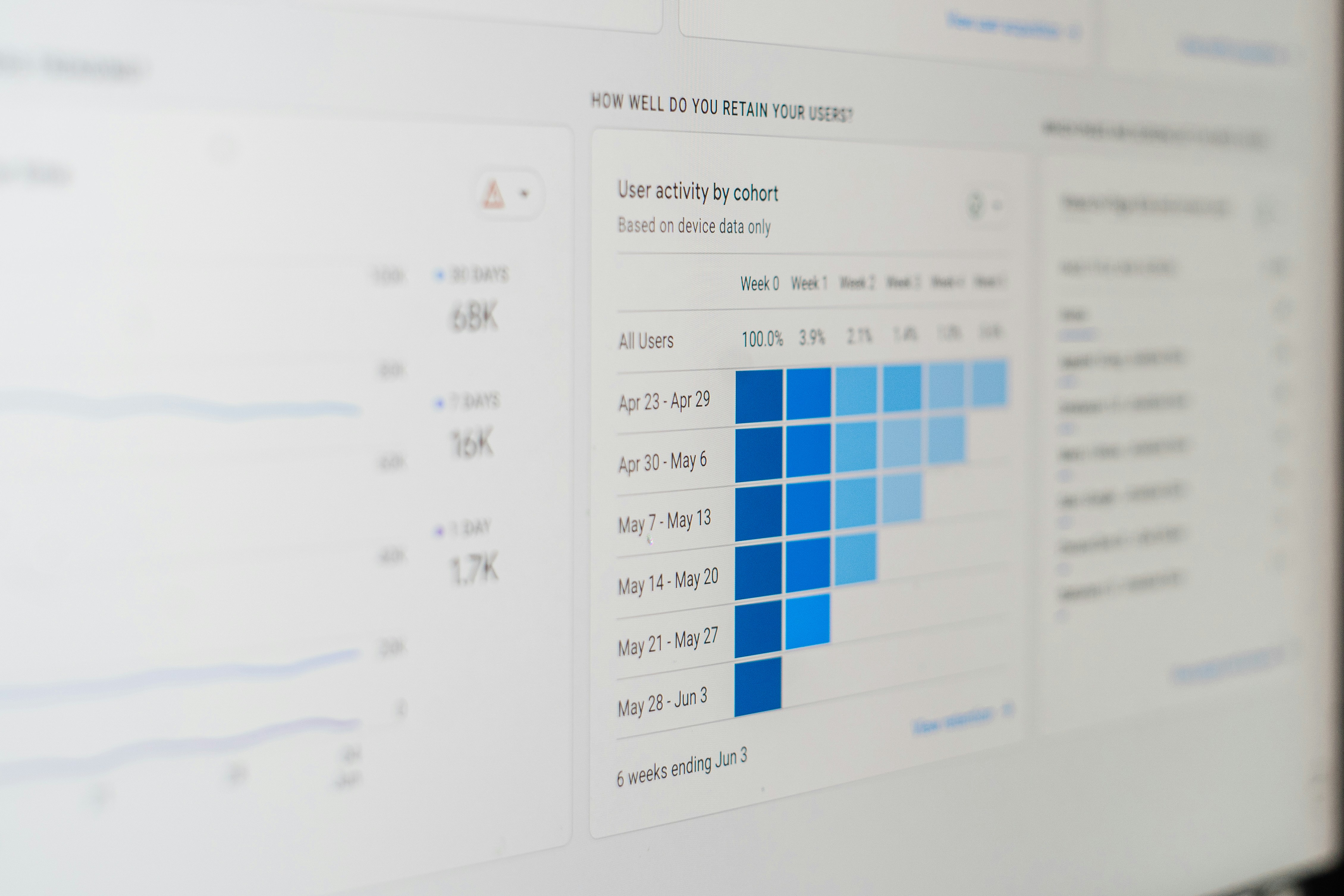
Introduction to Lead Generation in Excel
Lead generation is a critical component of any successful business strategy, as it focuses on attracting potential customers and fostering initial interest in products or services. In an increasingly competitive market, organizations seek effective strategies to optimize their lead generation processes. One such tool that has garnered significant attention is Microsoft Excel. This powerful spreadsheet application not only serves as a data management platform but also assists businesses in efficiently tracking and analyzing leads.
Utilizing Excel for lead generation offers various advantages, one being its accessibility and versatility. Almost every business, regardless of size or industry, has some level of familiarity with Excel. This means that training staff to leverage Excel for lead generation can often be accomplished without extensive additional resources. Furthermore, Excel allows users to create customized dashboards, enabling the visualization of critical data related to leads generated. Dashboards can showcase key performance indicators (KPIs), making it easier for decision-makers to assess the effectiveness of marketing campaigns and allocate resources accordingly.
Another significant benefit of using Excel for lead generation is the ability to incorporate formulas for data analysis. Users can build complex formulas to automate repetitive tasks, such as calculating conversion rates or segmenting leads based on specific criteria. This automation helps streamline the lead generation process, freeing up valuable time for sales teams to focus on engagement and relationship building. Additionally, Excel’s capability to handle large datasets makes it an excellent choice for businesses looking to collate information from various sources, ensuring a comprehensive overview of all potential leads in one place.
In summary, the integration of Excel into lead generation strategies can drastically enhance overall efficiency and effectiveness. By utilizing dashboards and formulas, businesses can gain deeper insights into their lead generation processes, leading to improved outcomes and increased opportunities for success.
Understanding Excel Dashboards
Excel dashboards serve as a powerful tool for visually summarizing and analyzing complex data sets. They are interactive, often consisting of graphs, charts, and tables meticulously arranged to present critical business metrics at a glance. Their primary function is to enable users to make informed decisions quickly by providing a clear and concise visual representation of data. In the context of lead generation, these dashboards can track essential metrics that inform marketing strategies and sales performances.
The key components of an Excel dashboard typically include various visualizations such as bar charts, pie charts, line graphs, and tables, each representing different aspects of the data. For instance, a lead generation dashboard might contain a bar chart showing the number of leads acquired over specific time periods, and a pie chart demonstrating the conversion rates of these leads into sales. Additionally, tables can provide granular data, allowing users to drill down into specific lead sources or demographic information. This multi-faceted approach enhances the comprehensibility of the data presented.
The benefits of utilizing Excel dashboards for tracking lead generation metrics are manifold. Firstly, they facilitate the quick identification of trends and patterns, enabling businesses to spot successful lead sources or underperforming channels. Secondly, dashboards enhance collaboration among team members, as they provide a shared visual reference that can be easily updated with real-time data. This shared understanding is crucial for aligning team efforts in lead acquisition and conversion strategies. Lastly, Excel’s familiarity and accessibility make it a preferred choice for many organizations, allowing teams to efficiently create and customize dashboards to fit their specific needs without the necessity of advanced technical skills.
Key Formulas to Use for Lead Generation
Excel is a powerful tool that can enhance your lead generation efforts through various formulas designed to analyze data effectively. Understanding and utilizing critical formulas can significantly improve your productivity and decision-making processes in lead generation. Below, we explore several essential formulas that serve distinct purposes in calculating lead generation metrics.
The SUM formula is fundamental in Excel for aggregating numerical data. By utilizing this formula, you can easily sum up total leads, sales conversions, or other relevant metrics over a given period. For instance, if your lead data is in cells A2 through A10, the formula =SUM(A2:A10) will yield the total number of leads generated within that range.
Next, the AVERAGE formula provides insight into typical performance metrics by calculating the mean of selected data points. This helps in understanding trends over time. For example, if you wanted to assess the average number of leads generated per month, the formula =AVERAGE(B2:B12) would provide the average from cells B2 to B12, which could represent monthly lead totals.
Another invaluable formula is COUNTIF, which enables users to count cells that meet specific criteria. This is particularly useful in lead generation to filter potential customers based on certain conditions, such as lead status or source. For example, if you want to count the number of leads from a specific region, the formula =COUNTIF(C2:C10, “Region_Name”) will retrieve the count of leads from that defined region.
Lastly, the VLOOKUP formula is instrumental in data retrieval. It allows users to search for a specific value in one column and return a corresponding value from another column in the same row. This is particularly beneficial when cross-referencing lead data or integrating multiple spreadsheets. The formula syntax =VLOOKUP(lookup_value, table_array, col_index_num, [range_lookup]) enables seamless data management, thus optimizing your lead generation processes.
By integrating these formulas into your daily Excel routines, you can enhance your lead generation capabilities, make data-driven decisions, and streamline your analysis efforts.
Designing Effective Excel Dashboards for Lead Tracking
Creating an effective Excel dashboard for lead tracking requires a structured approach to design and data presentation. To begin with, it is crucial to establish a clear layout that allows users to quickly access relevant information. Organizing the dashboard into distinct sections can help highlight different aspects of lead generation, such as lead source, conversion rates, and follow-up status. Utilizing a grid layout provides a visual hierarchy that guides the viewer’s eye, ensuring that critical metrics are easily discernible.
Color schemes play a significant role in the overall effectiveness of an Excel dashboard. A well-thought-out palette can enhance readability and draw attention to essential data points. It is advisable to use contrasting colors for different sections to create visual separation, while also ensuring that the color choices are not overwhelming. For example, using shades of blue and green may evoke a sense of calmness, while red can signal an area requiring immediate attention. Consistency in color usage across the dashboard fosters a professional appearance, aiding stakeholders in interpreting the data intuitively.
Moreover, clarity and accessibility should be at the forefront of any dashboard design. This means that presenting data in a straightforward manner is imperative. Utilizing charts, graphs, and visual indicators facilitates quick comprehension of complex datasets. It is beneficial to provide tooltips or data descriptions for added context, assisting users who may need additional information to interpret the metrics. Furthermore, including filters and slicers enhances interactivity, empowering stakeholders to customize their view according to specific needs or preferences.
In conclusion, a well-designed Excel dashboard for lead tracking enables efficient monitoring and analysis of critical data. By focusing on layout, color schemes, and clarity, users can create an effective tool that not only enhances lead tracking processes but also supports informed decision-making. Implementing these best practices will ultimately contribute to improved lead management strategy.
Data Cleaning and Preparation Techniques
In the pursuit of generating valuable leads, the significance of data integrity cannot be overstated. It is crucial to ensure that the data entered into Excel is clean and well-prepared, as this directly impacts the accuracy of tracking leads. One of the first steps in data cleaning involves identifying and resolving duplicates. Duplicate entries can arise from various sources, such as multiple data imports or manual entry errors. Utilizing Excel’s built-in ‘Remove Duplicates’ feature allows users to efficiently eliminate these redundant entries, thus preserving the integrity of the data set.
Another vital aspect of data preparation is managing missing values. Incomplete data can skew analyses and lead to misguided decisions in lead generation strategies. Excel offers several techniques to address this issue. For example, users can either remove rows with missing values or employ data imputation techniques, which involve replacing missing entries with estimates derived from existing data. Choosing an appropriate method largely depends on the context of the data and the importance of the missing values.
Furthermore, standardizing data formats plays a crucial role in ensuring uniformity throughout the dataset. Discrepancies in data formats can result from different data sources being merged into one spreadsheet. For example, dates may be formatted inconsistently, where some are in ‘MM/DD/YYYY’ while others are in ‘DD/MM/YYYY’. This inconsistency can create confusion during data analysis and reporting. To resolve this, users should apply Excel’s formatting tools to standardize all entries according to predefined formats, ensuring seamless integration of data.
Overall, effective data cleaning and preparation techniques in Excel lay the groundwork for successful lead generation endeavors. By addressing duplicates, handling missing values, and standardizing formats, businesses can significantly enhance data integrity, fostering informed decision-making processes and optimized lead tracking.
Automating Lead Generation Processes with Excel
Automation is a powerful feature in Excel that can significantly enhance lead generation processes, helping businesses to streamline their workflow and minimize human error. Utilizing macros, which are sequences of instructions that can be triggered to automate repetitive tasks, enables users to handle complex lead management with ease. For instance, by recording a macro to automate the inputting of lead information from various sources into a central database, a user can save valuable time and ensure data consistency.
Additionally, Excel provides various built-in functionalities that can complement macros for a more effective lead generation strategy. Advanced features such as data validation and conditional formatting can assist users in identifying high-priority leads at a glance. For example, applying conditional formatting to highlight leads that fall within a specific sales target range can immediately draw attention to potential opportunities without the need for extensive manual filtering. This level of automation allows sales teams to focus on converting leads rather than merely tracking them.
Another exemplary automation technique involves the utilization of Excel functions such as VLOOKUP or INDEX-MATCH to collaborate with external databases. By linking Excel spreadsheets directly to CRM systems or lead generation tools, these functions can pull real-time data, ensuring that the lead tracking information remains up-to-date and reliable. For instance, a VLOOKUP function can search for relevant customer details based on a lead’s email address, significantly speeding up the retrieval process and reducing the likelihood of errors that may occur during manual entry.
In conclusion, automating lead generation in Excel not only saves time but also enhances the accuracy of data tracking and reporting. By effectively employing macros and leveraging other Excel features such as data validation and advanced functions, businesses can master the art of lead generation, resulting in improved sales outcomes and a more efficient operational model.
Visualizing Lead Data for Better Insights
In the realm of lead generation, the ability to visualize data plays an essential role in comprehending lead performance. Data visualization tools, such as charts and graphs in Excel, allow users to display data in a more accessible manner, facilitating the identification of trends and patterns that may otherwise remain obscured within raw numerical data. This capability becomes particularly vital when managing multiple leads and tracking various metrics.
Excel offers a variety of charting options, each suited for different types of lead data analysis. For instance, line charts can effectively illustrate lead performance over time, allowing businesses to track fluctuations in leads generated and conversions. Bar charts, on the other hand, can be employed to compare different lead sources, providing insights into which channels yield the best results. By employing these visual tools, stakeholders can quickly ascertain the roadmap of their lead generation efforts and make informed decisions accordingly.
Moreover, incorporating color-coded elements into the visuals enhances their readability and effectiveness. For example, a dashboard featuring a pie chart to display lead distribution among various sources can be enriched with colors that correspond to performance metrics. Such enhancements not only make the dashboard visually appealing but also accelerate the comprehension of data insights. Engaging layouts and thoughtful designs can invite viewers to explore the data in-depth, ultimately leading to operational improvements based on observed patterns.
Furthermore, creating interactive elements, such as slicers and filters in Excel, allows users to dynamically interact with lead data, further enriching their analyses. Through these methods, businesses can transform their approach to lead generation, leveraging data visualization to gain deeper insights and drive more effective lead management strategies.
Integrating Excel with Other Tools for Enhanced Lead Generation
Integrating Excel with various marketing tools and customer relationship management (CRM) systems can significantly enhance a lead generation strategy. Excel serves as a powerful platform for data analysis and visualization, but when combined with other specialized tools, it can create a robust ecosystem that maximizes lead generation efforts. Several tools work effectively alongside Excel, enabling users to improve their productivity and efficiency.
For instance, integrating Excel with a CRM system such as Salesforce or HubSpot allows for seamless data transfer and management. By exporting lead data from these CRMs to Excel, marketers can utilize advanced formulas and pivot tables to analyze lead behavior and trends. This integration not only streamlines the lead tracking process but also facilitates more informed decision-making when it comes to targeting and nurturing leads.
Moreover, tools like Mailchimp can be paired with Excel to automate email marketing campaigns. By exporting segmented lead lists from Excel directly into Mailchimp, users can ensure that their email marketing efforts are both targeted and effective. By analyzing the performance of these campaigns within Excel using key metrics, marketers can make necessary adjustments to improve engagement rates.
Another useful integration is with Google Analytics. By importing website and campaign performance data into Excel, businesses can analyze lead sources and conversion rates with greater detail. This analysis can help identify the most effective lead generation channels and inform strategic marketing decisions. Furthermore, tools such as Zapier can facilitate automated workflows between Excel and various applications, reducing manual data entry and increasing efficiency.
Incorporating these tools with Excel can transform a traditional lead generation strategy into a more comprehensive and data-driven approach. By leveraging the strengths of each tool, businesses can create a unified lead generation strategy that not only enhances their marketing efforts but also ultimately drives growth.
Conclusion and Next Steps
In summary, effectively generating leads using Excel dashboards and formulas can significantly enhance your marketing strategies and data management practices. Throughout this blog post, we have explored various techniques that leverage the power of Excel, including the creation of user-friendly dashboards and the utilization of dynamic formulas. These tools not only streamline the lead generation process but also provide insightful data analysis that can inform future marketing efforts.
To recap, the key takeaways include the importance of structuring your data for optimal analysis, employing formulas for automated calculations, and designing dashboards that visualize critical metrics. By mastering these skills, you will be equipped to create a comprehensive lead generation system that can adapt to the ever-evolving business landscape. Utilizing Excel not only facilitates the tracking of potential customers but also aids in making data-driven decisions that can elevate your marketing campaigns.
As you embark on the journey to enhance your Excel skills, it is crucial to take actionable steps towards implementation. Begin by practicing the strategies discussed in this post. Create your dashboards, experiment with formulas, and customize your data to suit your specific lead generation goals. Engage with online resources, such as tutorials, courses, and forums, where you can seek assistance and share your progress with a community of fellow learners. Furthermore, consider exploring advanced Excel functionalities, such as pivot tables and macros, which can further automate your processes and increase efficiency.
By applying these strategies and continuously honing your Excel skills, you will position yourself to effectively generate leads and gain a competitive edge in your industry. Start today, and watch how your proficiency with Excel transforms the way you handle lead generation.