
Introduction to Facebook and Instagram Advertising
In today’s digital age, mastering Facebook and Instagram advertising is crucial for businesses aiming to thrive in a competitive market. These platforms, boasting billions of active users, present a unique opportunity for brands to reach their target audience effectively. Facebook’s sophisticated algorithms and Instagram’s visually appealing format enhance the ability of businesses to create tailored ad campaigns that resonate with potential customers.
Facebook ads allow brands to connect with users based on demographics, interests, and behaviors, thus ensuring that the content is shown to those most likely to engage with it. Similarly, Instagram advertising leverages the platform’s focus on imagery and storytelling, allowing brands to showcase their products in an engaging context. This targeted approach not only increases brand visibility but also fosters a sense of personal connection between the audience and the brand.
The significance of mobile advertising has surged dramatically, as more users access these platforms via their smartphones. Statistics indicate that a large portion of social media interactions occurs on mobile devices, making it imperative for businesses to develop ads that are optimized for mobile viewing. A well-structured ad campaign that considers both mobile and desktop users can significantly enhance user engagement and conversion rates.
Moreover, effective Facebook and Instagram advertising can drive sales by channeling potential customers directly to a brand’s website or online store. Engaging ad formats, such as carousel ads, video ads, and stories, enable brands to craft compelling narratives that capture attention and influence purchasing decisions. To maximize results, brands must not only focus on creating visually appealing content but also implement strategic planning and regular performance analysis.
Understanding Looker Studio: A Tool for Data Visualization
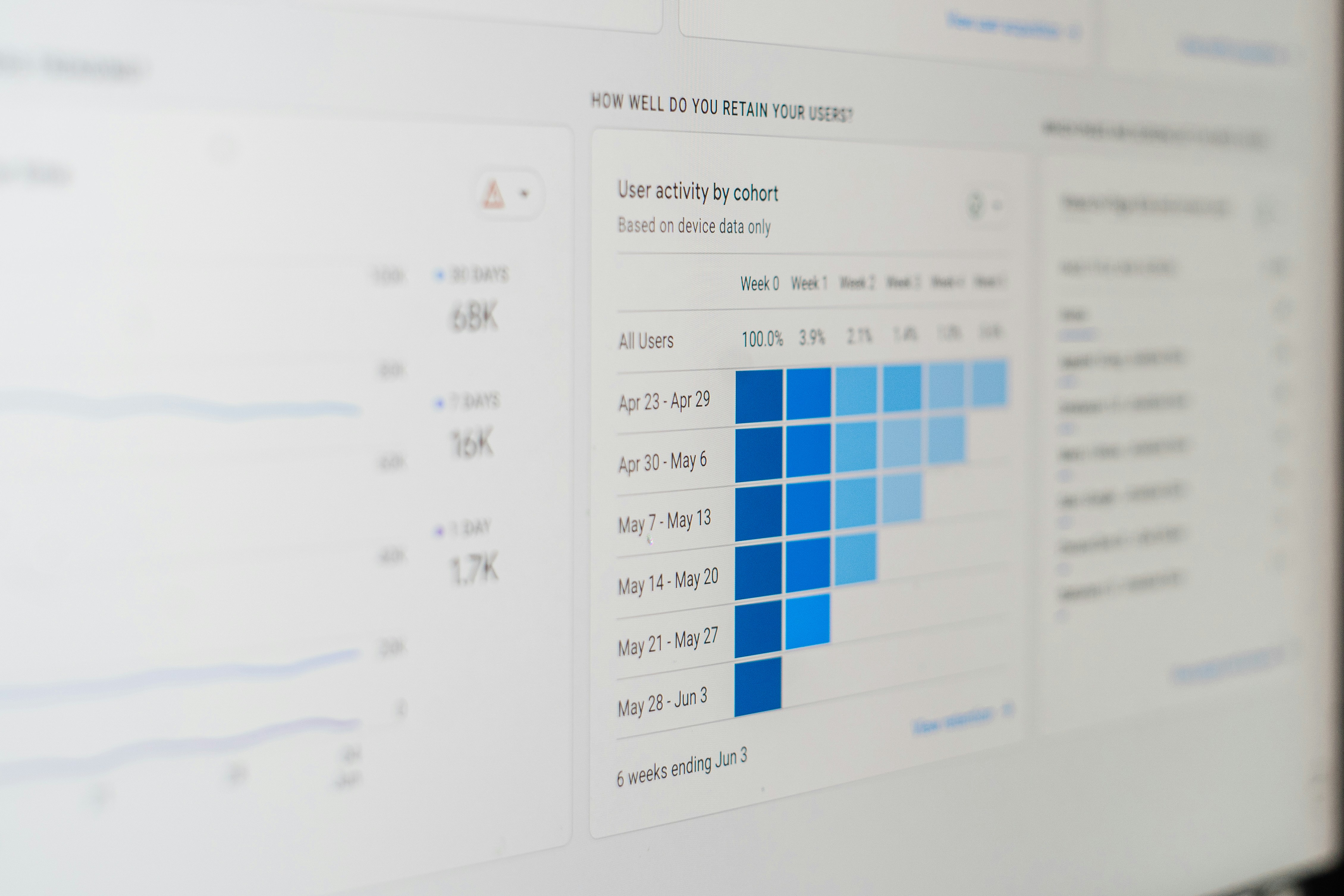
Looker Studio is an advanced data visualization platform that allows users to create comprehensive reports and dashboards. As a crucial tool for advertisers, it helps in extracting actionable insights from large data sets, making it particularly beneficial for managing advertising strategies on platforms like Facebook and Instagram. By integrating Looker Studio into advertising efforts, marketers can gain a clearer understanding of their campaigns’ performance.
This tool provides an array of features that enhance the visualization of data, such as customizable dashboards, real-time data updates, and the ability to share insights seamlessly among team members. For Facebook and Instagram advertisers, the ability to visualize metrics—such as engagement rates, impressions, and conversion rates—can illuminate trends and patterns that inform more effective targeting and creative strategies.
Moreover, Looker Studio supports the integration of various data sources, including Google Analytics, social media analytics tools, and customer relationship management (CRM) systems. This capability enables advertisers to compile data from multiple platforms into a single cohesive view, facilitating a holistic approach to understanding audience behavior and ad effectiveness. By leveraging the insights available through Looker Studio, advertisers can adjust their campaigns in real time, optimizing for better results.
Another significant advantage of Looker Studio is its user-friendly interface, which allows individuals with limited technical skills to easily generate insightful reports. This ease of use ensures that team members can focus on analysis rather than data management, leading to enhanced productivity. In essence, Looker Studio not only aids in data visualization but also transforms complex data into understandable insights, empowering advertisers to make informed decisions that drive campaign success.
Setting Up Your Facebook and Instagram Ads
Setting up your first Facebook and Instagram ad campaigns is a systematic process that involves several key steps. The first crucial component is audience targeting, which allows you to specify who sees your ads. Facebook and Instagram offer extensive targeting options including demographics, interests, behaviors, and location. Utilizing these features effectively ensures that your ads reach the right group, increasing the likelihood of engagement and conversion.
Budget allocation is the next important element to consider. Facebook provides various budgeting options, allowing you to set a daily or lifetime budget. It is advisable to start with a modest budget and gradually increase it as you analyze performance metrics. By closely monitoring your ad spend in relation to the results achieved, you can optimize your budget allocation to maximize return on investment.
Ad formats are another significant aspect of setting up your campaigns. Facebook and Instagram offer a variety of ad formats including image ads, video ads, carousel ads, and stories. Each format has its unique advantages and can be utilized based on your campaign objectives. Choosing the right ad format is essential for capturing attention and conveying your message effectively.
Additionally, aligning your ad objectives with your overall business goals cannot be overlooked. Whether your aim is to drive traffic, generate leads, or increase brand awareness, defining clear objectives will guide your ad creative and targeting strategies. Furthermore, it is beneficial to utilize Facebook’s Ad Manager tools to analyze your campaign’s performance regularly, allowing you to make data-driven adjustments that enhance your results.
Creating Compelling Ad Content
Creating compelling ad content is crucial for driving engagement on platforms like Facebook and Instagram. The first step is selecting images that resonate with your target audience. High-quality visuals are essential, as they act as the first point of contact with potential customers. Use images that align with your brand’s voice and appeal to the emotions of your audience. Additionally, eye-catching graphics or videos can significantly improve your ad’s performance, capturing attention amidst the vast amount of content available.
Next, the written copy accompanying your images plays a pivotal role in conveying your message effectively. Writing effective ad copy requires clarity and brevity. Engage your audience by addressing their pain points or desires directly within the text. Utilize the power of storytelling where appropriate; relatable narratives can create a connection that encourages more clicks. Emphasizing the benefits of your product or service will make your message memorable, encouraging users to act rather than simply scroll past.
Equally important is the inclusion of a strong call-to-action (CTA). CTAs guide your audience on what action to take next, whether it’s visiting your website, signing up for a newsletter, or making a purchase. Effective CTAs typically use action-oriented language that creates a sense of urgency or excitement. Position your CTA prominently within the ad to ensure it captures the user’s attention. Tailoring your ad content for each platform can greatly impact performance. For instance, ads on Instagram tend to perform better with more visually driven content, while Facebook ads may benefit from a slightly more detailed approach.
In conclusion, mastering the art of ad content creation is essential for maximizing engagement on Facebook and Instagram. By focusing on high-quality images, concise and impactful copy, and strong calls-to-action, advertisers can significantly enhance their ad effectiveness, leading to better results and achieving marketing goals.
Analyzing Ad Performance with Looker Studio
In the realm of digital advertising, understanding ad performance is paramount for optimizing campaigns. Looker Studio offers a robust environment for analyzing critical metrics such as click-through rate (CTR), conversion rate, and return on investment (ROI). With its versatile tools, advertisers can track these metrics in real-time, enabling timely adjustments to campaigns based on data.
To effectively analyze ad performance using Looker Studio, the first step involves integrating your advertising platforms, such as Facebook Ads and Instagram Ads, into the Looker environment. This integration allows for seamless data extraction and visualization, forming the backbone of your performance analysis. Once integrated, you can explore various metrics, starting with CTR, which indicates the percentage of viewers who click on your ad. A high CTR is often a sign of an effective ad that resonates with its target audience.
Next, conversion rate is a crucial metric to evaluate, as it measures the ratio of users who complete a desired action after clicking through the ad. Understanding this metric helps identify the effectiveness of both the ad copy and the landing page. Furthermore, ROI is a vital consideration for any advertising strategy, as it evaluates the efficiency of your ad spend in generating revenue. Looker Studio allows users to customize dashboards, enabling the visualization of these metrics in one consolidated view.
By creating tailored reports in Looker Studio, advertisers can focus on the specific metrics that align with their campaign goals. This capability supports data-driven decision-making, helping businesses to refine their ad strategies, allocate budgets more effectively, and improve overall campaign performance. Ultimately, leveraging Looker Studio for analyzing ad performance fosters a more strategic approach to digital marketing.
Optimizing Your Ads for Better Results
In the realm of Facebook and Instagram advertising, optimizing your campaigns is crucial for maximizing results. One effective method to ensure that your ads resonate with your target audience is through A/B testing. This technique involves creating two variants of your ad—differing in elements such as headlines, images, or calls to action—and running them simultaneously. Analyzing the performance metrics of these variations will provide valuable insights into which version performs better, allowing for informed adjustments in future campaigns.
Another pivotal strategy is to regularly adjust audience targeting. Facebook and Instagram offer robust targeting options based on demographics, interests, and behaviors. By monitoring the performance of your ads and reviewing audience engagement data, you can refine your targeting criteria. This may involve narrowing down your focus to more specific demographics or expanding it to reach a broader audience, depending on the results you observe. Continuous evaluation of how well your ads perform with different segments will help optimize overall campaign effectiveness.
Additionally, revising ad content based on performance insights is essential. Analytics tools available on both platforms provide metrics related to clicks, conversions, and engagement rates. By interpreting this data, you can identify which components of your ads are underperforming. For instance, if specific images or ad copies lead to lower engagement, consider experimenting with more compelling visuals or persuasive text. The goal is to create ads that not only attract attention but also drive desired actions from potential customers.
In conclusion, optimizing your Facebook and Instagram ads through A/B testing, adjusting audience targeting, and revising ad content is a cycle of continuous improvement. Each campaign provides learning opportunities that inform future strategies, ultimately leading to better results in your advertising efforts.
Understanding Facebook and Instagram Advertising Costs
When delving into the realms of Facebook and Instagram advertising, it’s crucial to comprehend the various factors that affect advertising costs. Primarily, budget management plays a significant role in defining how much a business is willing to allocate for specific campaigns. Establishing a reasonable budget not only helps businesses avoid overspending but also allows them to strategically plan their advertising efforts across these platforms.
Bidding strategies are another key element influencing advertising costs. Facebook and Instagram utilize auction systems to determine ad placements, where advertisers can opt for different bidding methods. Two common strategies are cost-per-click (CPC) and cost-per-impression (CPM). CPC refers to the amount paid when a user clicks on an ad, while CPM measures the cost for every 1,000 impressions of the advertisement. Understanding these options is essential for marketers looking to maximize the effectiveness of their ad spend while ensuring a positive return on investment.
Furthermore, there are several considerations for optimizing advertising costs. Ad relevance is crucial; the more relevant an ad is to its target audience, the lower the cost may be attributed to it. Advertisers should aim to create compelling and engaging ads that resonate well with users. Additionally, continuous testing and optimization of ad campaigns can reveal valuable insights into what elements work best for reducing costs. By analyzing performance metrics such as click-through rates and engagement, businesses can fine-tune their ads to enhance effectiveness without overspending.
Ultimately, a thorough understanding of the factors influencing advertising costs on Facebook and Instagram—combined with strategic management of budgets and continuous evaluation of campaigns—can empower marketers to achieve optimal results without breaking the bank.
Case Studies: Successful Campaigns Using Looker Studio
In the realm of digital marketing, brands continue to explore innovative tools to maximize their advertising potentials. Looker Studio has emerged as a favored analytics platform among advertisers using Facebook and Instagram ads. Several case studies demonstrate how brands have successfully leveraged Looker Studio to enhance the effectiveness of their campaigns.
For example, a well-known fashion retailer utilized Looker Studio to analyze customer engagement metrics on both platforms. They monitored key performance indicators such as click-through rates and conversion figures, enabling them to identify their target audience’s preferences accurately. By tailoring their ad content based on these insights, the retailer achieved a remarkable 35% increase in sales over a quarter. This success was largely attributed to their ability to make data-driven decisions, underscoring the importance of comprehensive analytics in digital advertising.
Another notable case involved a tech startup that sought to launch a new gadget. By using Looker Studio, they conducted a detailed analysis of their advertising campaigns. They explored different demographics, placement strategies, and creative formats. This approach allowed them to pinpoint the most effective channels, ultimately achieving a 50% reduction in customer acquisition costs. Their experience illustrates how deep dives into analytics can lead to significant improvements in advertising strategies.
These examples highlight critical insights for other advertisers considering Looker Studio. Such learning emphasizes the value of continuous analysis and adaptation in campaign management. By harnessing the power of detailed analytics provided by Looker Studio, brands can not only improve the performance of their Facebook and Instagram ads but also craft more personalized marketing experiences that resonate with their audience.
Final Thoughts and Next Steps
As we conclude this exploration into harnessing the potential of Facebook and Instagram ads through the Looker Studio course, it is important to reflect on the essential components covered throughout the discussion. We have examined the significance of understanding audience targeting, the intricacies of ad creation, and the dynamic nature of performance tracking. Mastery of these elements is crucial for any marketer striving to optimize their advertising strategies on these platforms.
To deepen your knowledge and ensure you can apply these tactics effectively, we strongly encourage you to enroll in the Looker Studio course. This comprehensive program is designed to provide you with hands-on experience and insights into leveraging Facebook and Instagram ads to achieve remarkable campaign success. By participating, you will be empowered with practical skills and strategies that can elevate your marketing efforts.
Furthermore, ongoing learning is vital in the rapidly evolving landscape of social media advertising. We recommend exploring additional resources such as online webinars and industry-related blogs that focus on the latest trends and innovative practices surrounding Facebook and Instagram advertising. These platforms continually change algorithms and features, making it imperative to stay informed and adapt your strategies accordingly.
Together with the Looker Studio course, these resources will help you stay ahead in the competitive digital marketing environment. Embrace the opportunity to enhance your skills and expertise, ensuring that your advertising dollars are well spent, and your campaigns yield the outcomes you desire.
In summary, by investing in your knowledge and abilities through education like the Looker Studio course and supplementary readings, you position yourself as a proficient marketer ready to tackle the challenges and opportunities presented by the world of Facebook and Instagram ads.