Introduction to Google Analytics 4
Google Analytics 4 (GA4) represents a significant advancement in the realm of digital analytics, providing marketers and businesses with an enhanced tool to understand user behavior across various platforms. Launched as a successor to Universal Analytics, GA4 features a more comprehensive data model focused on event-driven tracking rather than session-based data. This fundamental shift allows for better insights into user interaction and engagement.
One of the key enhancements of GA4 is its ability to track interactions across websites and mobile applications seamlessly. This adaptability is crucial in today’s multi-channel digital landscape where users engage with brands through various touchpoints. With GA4, users can gain insights into how customers interact with different elements of their digital properties, leading to more informed marketing decisions.
Additionally, GA4 incorporates advanced machine learning models to provide predictive insights, helping businesses forecast user behavior and optimize marketing strategies accordingly. The updated interface and reporting features also enable users to generate tailored reports that align closely with business objectives. Furthermore, GA4 is built with privacy considerations in mind, addressing the growing concerns about data collection and user consent in the digital landscape.
The introduction of GA4 also comes with evolving measurement principles to accommodate the shift towards a privacy-focused internet. This includes the ability to leverage first-party data while minimizing reliance on third-party cookies. Overall, GA4 is designed to be future-proof, positioning organizations to thrive in an increasingly complex digital measurement environment.
Navigating the GA4 Interface
Google Analytics 4 (GA4) presents a modernized interface designed for ease of use, especially for new users and those transitioning from Universal Analytics. Upon logging in, users are greeted with a streamlined dashboard that emphasizes key metrics such as user engagement, event tracking, and acquisition sources. The layout is intuitive, allowing for a seamless navigation experience, which is essential when learning Google Analytics 4 and Looker Studio.
The left-hand side of the screen features a navigation menu that categorizes reports into distinct sections such as ‘Real-Time,’ ‘Life Cycle,’ and ‘User.’ Each of these sections is invaluable for conducting detailed analyses of user behavior and conversion rates. Within the ‘Life Cycle’ category, for instance, users can explore sections such as ‘Acquisition,’ where traffic sources are evaluated, and ‘Engagement,’ which provides insights into how users interact with the website.
Customizing dashboards in GA4 is another compelling feature that enhances the user experience. By selecting the ‘Customization’ tab, users can create tailored reports that align with specific metrics important to their business objectives. The interface allows for easy integration of visual elements such as charts and graphs, which enhances data comprehension. It’s advisable to familiarize oneself with available metrics and report options by spending time exploring the various features offered by GA4.
Moreover, users should utilize the search functionality within the interface to quickly locate specific reports or analysis tools. Understanding how to navigate these capabilities will significantly facilitate the learning process of Google Analytics 4 and Looker Studio, contributing to more effective data utilization. Additionally, practical tips include regularly reviewing analytics reports to become more adept at interpreting the insights they provide. This hands-on approach is critical for mastering the tool effectively.
Setting Up Your Google Analytics 4 Account
Establishing a Google Analytics 4 (GA4) account is the foundational step for tracking user interactions on your website or app effectively. To begin, navigate to the Google Analytics website and sign in using your Google account. If you do not have an account, create one by following the prompts. Once logged in, you can start by clicking on the “Admin” gear icon located at the lower left corner of the interface.
The next step involves creating a new property within your account. Click on “Create Property,” where you will be required to enter details such as the property name, reporting time zone, and currency settings. These elements play a crucial role in ensuring accurate reporting results. After entering this information, select the option to create a GA4 property to access the latest features available in Google Analytics 4.
Once your property is set up, you will need to configure your data streams. Begin by selecting the data stream type that aligns with your needs—either a Website or a Mobile App. For website tracking, simply enter your site’s URL and stream name. It is also advisable to enable optional settings, including enhanced measurement features, which help track events such as page views automatically.
Moreover, don’t miss out on linking your GA4 property to other Google products, such as Google Ads or Looker Studio. This integration allows for comprehensive data sharing, providing superior insights into user behavior and campaign performance. During the setup process, beware of common pitfalls such as overlooking data stream configurations or failing to implement the tracking code correctly on your platform. Ensuring these steps are meticulously followed will provide a robust foundation for data analysis.
Key Metrics and Reports in GA4
Google Analytics 4 (GA4) provides a comprehensive framework for understanding user behavior and performance across digital platforms. With its event-based data model, GA4 offers critical insights into user engagement, retention, and conversions. These key metrics are indispensable for businesses seeking to optimize their marketing strategies and improve overall user experience.
One of the essential metrics in GA4 is Engagement Rate, which measures the percentage of engaged sessions on your site. An engaged session is one that lasts longer than 10 seconds or involves a conversion event. By monitoring the Engagement Rate, businesses can assess the effectiveness of their content and optimize it to enhance user experience. A high engagement rate indicates that users find the content valuable, prompting businesses to invest further in similar content or campaigns.
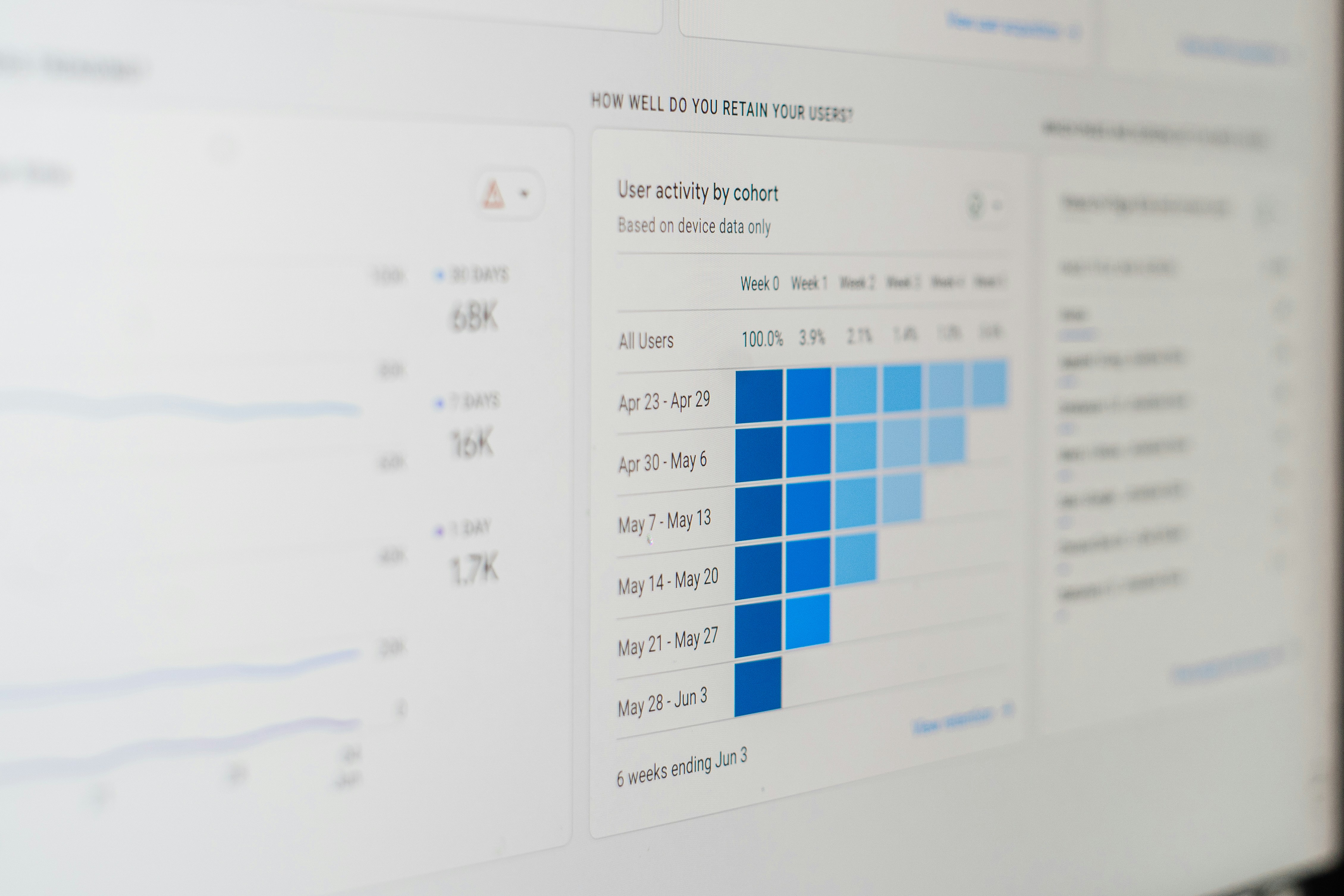
Additionally, the User Retention metric highlights how well a business retains users over time. It’s crucial for businesses to analyze retention rates to identify loyal customers and understand the factors that contribute to repeat visits. Retention impacts revenue potential and helps businesses tailor their offerings according to user needs. By integrating this metric into marketing strategies, organizations can focus on nurturing relationships with returning users.
Conversions are another critical metric in GA4 that indicate the desired actions users take, such as completing a purchase or signing up for a newsletter. Understanding conversion rates allows businesses to evaluate the success of their marketing campaigns and adjust tactics accordingly. Integrating metrics from Looker Studio enhances this analysis, providing visual reports that make it easier to track performance and derive actionable insights.
In conclusion, mastering the key metrics in Google Analytics 4, alongside utilizing Looker Studio, empowers businesses to make data-driven decisions that enhance user engagement, retention, and conversions, ultimately leading to improved business outcomes.
Introduction to Looker Studio
Looker Studio is a powerful data visualization and reporting tool that simplifies the process of transforming raw data into meaningful insights. It enables users to create visually compelling dashboards that highlight key metrics and trends, facilitating informed decision-making. By utilizing Looker Studio, organizations can effectively communicate their data stories to various stakeholders, enhancing overall engagement and understanding.
One of the standout features of Looker Studio is its ability to integrate seamlessly with Google Analytics 4 (GA4) and a multitude of other data sources. This integration allows for a holistic view of data, combining web analytics from GA4 with other business intelligence tools and platforms. Users can generate comprehensive reports that pull in data from diverse origins, whether it be social media channels, customer databases, or enterprise resource planning systems. This integration capability ensures that all relevant data can be visualized in one coherent format, making it easier for businesses to analyze performance across different dimensions.
In addition to its integration features, Looker Studio also champions the concept of data storytelling. The platform equips users with the tools necessary to illustrate complex data in an understandable and engaging manner. Through its customizable visualization options, users can present intricate datasets in formats that are both easily digestible and visually appealing. This capability not only aids in understanding trends and outliers but also fosters a culture of data-driven decision-making within organizations.
As organizations increasingly focus on the importance of data, mastering tools like Looker Studio becomes essential. By learning Google Analytics 4 and Looker Studio, individuals can enhance their analytics skills, thereby becoming invaluable assets in their respective domains. This comprehensive guide aims to equip readers with the knowledge necessary to leverage these powerful tools effectively.
Creating Reports in Looker Studio
Creating reports in Looker Studio using data from Google Analytics 4 (GA4) is a systematic process that enables users to visualize and interpret data effectively. To initiate this process, users first need to select the appropriate data source. Looker Studio offers seamless integration with GA4, allowing for powerful data analyses. Navigate to the ‘Data Source’ section and choose ‘Google Analytics’ from the list of available options, ensuring that you are connected to the correct GA4 property.
Once the data source is selected, the next step is to choose the visualization types that best convey the insights you wish to communicate. Looker Studio provides a variety of visualization tools, including tables, bar charts, line graphs, and pie charts, among others. Each visualization type serves a distinct purpose: for instance, line graphs are ideal for depicting trends over time, while bar charts may be better suited for comparing different segments of data.
After selecting the appropriate visualizations, the next critical step involves designing your report. This step focuses on organizing data clearly and effectively to ensure it is easily interpretable by stakeholders. It is essential to consider the placement of visuals, the use of headings, and the overall layout of the report. A well-designed report not only enhances readability but also ensures that the analytical findings derived from GA4 data are communicated succinctly. Hence, attention to detail during this phase is paramount for an impactful presentation.
Integrating Google Analytics 4 (GA4) data into Looker Studio reports allows for dynamic reporting capabilities, facilitating the identification of key performance indicators and actionable insights. By following these systematic steps, users can create reports that not only inform but also drive strategic decision-making based on robust data analysis.
Advanced Features and Customization in Looker Studio
Looker Studio has gained significant recognition among data analysts and marketers for its robust suite of features that facilitate advanced reporting. One of the most compelling aspects of Looker Studio is its ability to support custom metrics and calculated fields. This functionality allows users to tailor their data analysis by deriving new metrics that may not be readily available in standard reports. For instance, businesses can create a unique metric that combines revenue and conversion rates, providing deeper insights into their customer engagement strategies.
Another notable feature worth exploring is thematic styling. Thematic styling options empower users to modify the visual representation of their reports, ensuring that the reports not only convey the necessary data but also appeal to the target audience. Users can apply colors, fonts, and layout styles that align with their corporate branding or personal preferences. This level of customization aids in making the data more digestible for stakeholders, thereby fostering a better understanding of the insights presented.
Furthermore, calculated fields can be extremely useful when handling specific use cases. For example, a marketing team may want to track the average session duration of users by segmenting this data based on demographics. By creating a calculated field, users can dissect their audience into distinct segments, thereby allowing targeted strategies for different groups.
In essence, delving into the advanced features of Looker Studio equips users with the necessary tools to master their reporting endeavors, thereby enhancing their ability to learn Google Analytics 4 and Looker Studio. By leveraging custom metrics and thematic styling, professionals can generate reports that are not only informative but are also tailored to meet specific audience needs effectively.
Integrating Google Analytics 4 with Looker Studio
Integrating Google Analytics 4 with Looker Studio is a pivotal step for businesses aiming to leverage data insights effectively. This integration allows users to visualize their GA4 data within Looker Studio, facilitating a more comprehensive understanding of user interactions and campaign performance. The synergy between these two powerful platforms enhances data analysis and reporting capabilities, leading to more informed decision-making.
To initiate the integration process, users can choose between several methods. The most straightforward approach is to connect Looker Studio directly to Google Analytics 4 through the built-in connectors. By selecting the GA4 data source within Looker Studio, users can establish an immediate connection to their analytics data. This connection allows for the visualization of various metrics and dimensions available in GA4, ensuring that users can analyze the performance of their digital properties with ease.
In addition to the direct connection, Looker Studio also supports the importing of GA4 data through Google Sheets, enabling advanced data manipulation before visualizations are created. This method is particularly useful for those who require customized reports that incorporate additional contextual data from other sources. Users can leverage Google Sheets to clean, prepare, and organize their GA4 data before transferring it to Looker Studio, ensuring a more tailored analysis.
The benefits of integrating Google Analytics 4 with Looker Studio extend beyond mere data visualization. This combination empowers businesses to uncover deeper insights into user behavior, identify trends over time, and monitor the effectiveness of marketing strategies. By harnessing the power of both platforms, organizations can make data-driven decisions that drive growth and enhance overall performance.
Conclusion and Next Steps
As we conclude our comprehensive exploration of Google Analytics 4 (GA4) and Looker Studio, it is essential to recap the fundamental concepts discussed throughout this guide. We started with the transition from Universal Analytics to GA4, emphasizing its enhanced capabilities for event tracking, user-centric metrics, and real-time data analysis. These features empower users to gain deeper insights into their audience’s behavior, ultimately guiding more effective marketing strategies.
Furthermore, Looker Studio complements GA4 by providing a robust visualization tool that allows users to interpret their analytics data more effectively. The combination of these two platforms equips organizations with the tools needed to make informed decisions driven by data. This guide has provided a solid foundation for understanding how to implement these tools but is just the beginning of your learning journey.
To further deepen your knowledge, consider exploring additional educational resources about how to learn Google Analytics 4 and Looker Studio. Online courses, webinars, and community forums can provide valuable insights and hands-on experience. Additionally, connecting with professionals in the field can open doors for advanced learning opportunities, such as mentorship or collaboration on projects that utilize GA4 and Looker Studio.
Finally, we invite you to visit the author’s website for further content on mastering data analytics. There, you will find links to additional articles, tutorials, and resources tailored for both beginners and advanced users eager to enhance their proficiency in GA4 and Looker Studio. By actively engaging with these resources, you can transition from theoretical understanding to practical application, enabling you to leverage data effectively within your business or professional environment.