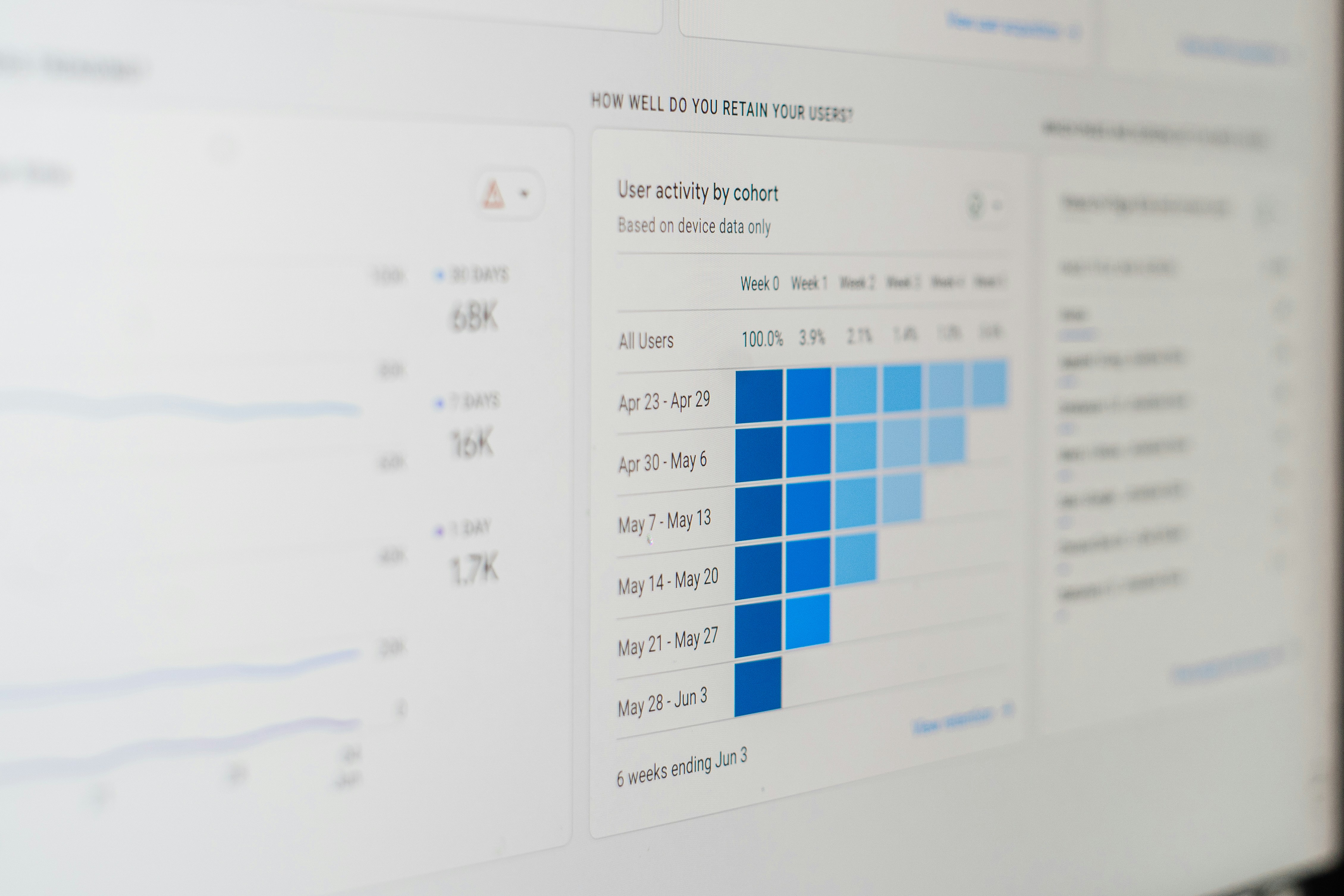
Introduction to Looker Studio
Looker Studio is an innovative platform that allows organizations to transform data into insightful reports and interactive dashboards. Its primary function is to facilitate data analysis, enabling users to visualize and harness the information at their disposal efficiently. The digital landscape continues to evolve, and organizations of all sizes are recognizing the importance of data-driven decision-making. Looker Studio emerges as a pivotal tool in this transition, offering capabilities that cater to a diverse range of users.
Professionals across various sectors, including marketing analysts, data scientists, and business executives, can benefit from utilizing Looker Studio. By enabling deep insights into business activities, it empowers users to make informed decisions based on real-time data. Additionally, Looker Studio seamlessly integrates with various data sources, whether relational databases, cloud services, or spreadsheets.
The types of data Looker Studio can manage are vast, encompassing everything from website analytics to financial performance metrics. This versatility is what makes Looker Studio a powerful ally for organizations aiming to consolidate their reporting processes. By customizing dashboards to reflect their unique operational needs, companies can streamline their data analysis and reporting efforts.
Custom reporting dashboards are essential as they provide a tailored view of pertinent data, ensuring that stakeholders can easily digest critical information. Organizations can visualize current trends, track performance against objectives, and identify areas needing improvement. Ultimately, Looker Studio helps organizations leverage their data more effectively, highlighting the necessity for users to consider building their own dashboards, thereby reinforcing their commitment to an evidence-based approach in their decision-making processes.
Understanding the Basics of Looker Studio
Looker Studio is a powerful data analytics tool that allows users to create custom reporting dashboards by integrating various data sources. The interface is designed to be user-friendly, enabling both novice and experienced users to navigate their way through the platform with ease. Understanding the different components of Looker Studio is essential for effective reporting.
The navigation layout of Looker Studio is typically divided into several key sections. On the left pane, users can find the available data sources, which can be added through simple drag-and-drop actions. This intuitive arrangement enhances the user experience by allowing for quick access to data without disrupting the workflow. Users can also create and manage projects from the main dashboard, ensuring that all relevant reports are organized in one place.
A crucial concept within Looker Studio is the utilization of data sources. Users can connect to various databases, spreadsheets, and even web-based data platforms, allowing for a broad range of data analysis possibilities. Familiarity with the types of data that can be imported is essential for users aiming to leverage the full power of Looker Studio.
Additionally, understanding key terminology is vital when getting started with Looker Studio. Terms such as ‘dimensions’, ‘metrics’, and ‘filters’ are integral to effectively constructing reports. Dimensions refer to the qualitative values that break down the data, while metrics represent quantifiable measures, allowing users to analyze performance across different categories. Filters enable users to refine data views, ensuring that they focus on the most relevant information. As users become accustomed to this terminology, they will find it easier to utilize the functionalities of Looker Studio.
Setting Up Your Data Sources
To effectively utilize Looker Studio for reporting and analysis, a critical first step is establishing connections with your data sources. Looker Studio allows integration with a variety of data sources, including but not limited to Google Sheets, SQL databases, BigQuery, and other cloud-based platforms. Understanding this process can enhance the usability of your reporting dashboard considerably.
To start connecting data sources, first navigate to the Looker Studio interface and select the appropriate option to add a new data source. If you are connecting a Google Sheets document, ensure that the sheet is organized with clear headers and consistent data types, as these factors directly impact visualizations and calculations within your dashboard. For SQL databases, it is important to have the necessary credentials, including host information, database names, user accounts, and passwords readily available for seamless integration.
Once you select your desired data source, Looker Studio will guide you through the connection steps. Always take the time to verify that the data being imported is accurate and relevant for your analysis. This not only ensures the integrity of your reports but also minimizes errors in your visualizations. It is advisable to sanitize your data prior to uploading it to Looker Studio; this includes removing duplicates, filling in missing values, and standardizing formats. Ultimately, the quality of your insights will directly correlate to the clarity and cleanliness of the data you provide.
In conclusion, setting up data sources in Looker Studio is straightforward, yet it requires attention to detail to ensure high-quality reporting. Properly connecting and maintaining your data sources will facilitate a more productive experience, optimizing your reporting dashboard for effective decision-making.
Designing Your Dashboard Layout
Creating an effective reporting dashboard in Looker Studio involves thoughtful consideration of its layout and visual elements. The primary goal of any dashboard is to present data in a clear and interactive manner while enabling users to derive insights effortlessly. Choosing the right charts and graphs is paramount, as different data types benefit from different visual representations. For instance, line graphs work well for displaying trends over time, while bar charts are ideal for comparing quantities across categories.
In addition to selecting appropriate visualizations, layout strategy plays a crucial role in dashboard effectiveness. It is advisable to prioritize the most important metrics and place them prominently at the top of the dashboard. This approach ensures that users can quickly access essential information without scrolling excessively. Grouping related data points together can also aid in creating a cohesive visual narrative that flows logically. Utilizing white space effectively is another key aspect; it reduces clutter, enabling users to focus on critical elements without distraction.
User-friendliness should always be at the forefront of dashboard design. Interactive components such as filters, dropdowns, and data drill-down options can significantly enhance the user experience. Implementing these features allows users to customize their view, catering to their specific needs and facilitating deeper data exploration. Furthermore, ensuring that the dashboard is responsive and accessible across devices will enhance usability, providing a consistent experience for all users.
Lastly, while focusing on functionality, the aesthetics of the dashboard should not be overlooked. Adopting a consistent color scheme aligned with your branding can elevate the overall appeal of the dashboard. Utilizing complementary colors ensures that the visualizations stand out, making data interpretation easier and more engaging. Proper typography choices can improve readability, further enhancing the user experience.
Building Your Custom Reports
Creating custom reports in Looker Studio is essential for tailoring performances to meet specific business needs. The first step in this process involves selecting appropriate dimensions and metrics relevant to the data you wish to analyze. Dimensions are the attributes or categories you want to break down your data by, while metrics represent the values being measured or analyzed. For example, if you are examining sales performance, dimensions may include product categories and regions, whereas metrics might comprise total sales and number of units sold.
Once you have determined the dimensions and metrics, the next vital step is to apply filters. Filters allow you to refine your reports by excluding certain data points that may not be relevant to your analysis. For instance, you could filter out data from a specific region to understand performance in other markets better. Applying these filters can lead to more focused and actionable insights.
To illustrate how these elements work together, consider a common scenario where a business wants to analyze monthly sales performance across different product categories. You could create a report that uses ‘Month’ as a dimension, ‘Sales Volume’ as a metric, and apply filters by ‘Product Category.’ This would produce a clear and informative report displaying sales trends over time, categorized by product lines, allowing stakeholders to identify top-performing offerings or those requiring attention.
Looker Studio also offers various templates to streamline the reporting process, facilitating easier customization. By utilizing these templates, users can generate credible reports quickly while retaining the flexibility to adjust specific metrics or dimensions according to their needs. Employing these strategies will enable you to build meaningful and insightful reports that drive data-informed decision-making for your organization.
Utilizing Advanced Features
Looker Studio offers a suite of advanced features that are essential for users aiming to build interactive and complex reporting dashboards. One of the most powerful aspects of Looker Studio is its capability to create calculated fields. Calculated fields allow users to extend their data analysis by generating new metrics based on existing data. For instance, you can create a calculated field that combines sales volume and revenue to evaluate performance metrics more comprehensively. This feature enables the customization of reports to meet specific analytic needs, thereby enhancing insights derived from the data.
Furthermore, Looker Studio supports blending data from various sources. This functionality is particularly advantageous for organizations that utilize multiple data platforms. By blending data, users can create a cohesive view of their metrics to better understand overall performance. For example, blending Google Ads data with Google Analytics provides visibility into how marketing efforts translate into website traffic and conversions. This merging of disparate datasets simplifies the reporting process and facilitates more informed decision-making.
Another noteworthy feature of Looker Studio is the implementation of dynamic controls. These controls allow report viewers to interact with the data visually, making it possible to filter information in real-time. Users can add dropdowns, sliders, or date range selectors, enabling them to customize their view according to their requirements. By utilizing dynamic controls, reports become more engaging and user-friendly, driving better comprehension of the presented data. Each of these advanced features—from calculated fields and data blending to dynamic controls—empowers users to harness the full potential of Looker Studio, transforming raw data into actionable insights.
Sharing and Collaborating on Dashboards
In today’s data-driven environment, sharing dashboards and collaborating effectively with team members are vital components for successful reporting in Looker Studio. By utilizing its sharing features, organizations can foster teamwork and facilitate informed decision-making based on real-time data.
Looker Studio provides several options for sharing dashboards, which cater to different levels of access and collaboration needs. Users can choose to share reports with specific team members via email invitations, ensuring that only selected individuals can access sensitive information. Alternatively, dashboards can be made public, providing wider visibility for stakeholders while maintaining control over designated access levels.
Access control is a crucial aspect of sharing dashboards. Looker Studio allows dashboard owners to define who can view, edit, or manage the report, thereby ensuring that sensitive data is safeguarded. Users can set permissions based on roles, specifying access for editors, viewers, or any other custom roles defined within the organization. This feature is particularly important in larger teams where multiple users require different levels of interaction with the data.
Collaboration tools within Looker Studio further enhance teamwork. Functionalities such as comments, direct messaging, and notification alerts empower users to engage in conversations regarding data findings, insights, and necessary adjustments. By using these tools, team members can collectively analyze data, address questions, and align on decision-making processes, ultimately leading to more robust outcomes.
In this manner, Looker Studio not only streamlines the sharing process but also creates a collaborative atmosphere that encourages active participation among team members. It is essential for organizations to harness these capabilities effectively to maximize the value of their data and support informed decisions.
Common Challenges and Solutions
Building a reporting dashboard in Looker Studio can be a rewarding experience, yet it is often fraught with challenges. One prevalent issue users encounter is related to data connections. In some cases, individuals may find that their data sources are not properly integrated, leading to discrepancies in the analysis. To mitigate this, it is advisable to double-check the connection settings for each data source—ensuring that the right credentials are used and that the connection parameters are accurately defined.
Another common hurdle is dealing with visualizations. Users might have specific insights they wish to represent, but the available visualization options may not always meet their needs. In such instances, it is beneficial to explore custom visualization options provided by Looker Studio. Additionally, considering the integration of third-party visualization tools that allow for more tailored representations of data can help bridge this gap.
Report sharing is another area where users often face difficulties. Ensuring that all stakeholders have appropriate access can be complicated, especially when collaborating across teams. To address this, it is recommended to effectively manage sharing settings by categorizing user access levels. Utilize Looker Studio’s built-in permissions features to customize who can view or edit the reports, thus safeguarding sensitive data while allowing for collaboration.
Lastly, users may experience performance issues, particularly with large datasets. Optimizing queries and limiting the number of visual elements on a dashboard can drastically improve loading times and enhance user experience. Regularly reviewing and refining the data being fetched can also contribute to quicker performance.
Conclusion: Taking Your Reporting to the Next Level
Mastering Looker Studio not only equips you with the ability to create customized reporting dashboards but also significantly enhances the overall reporting capabilities of your organization. By implementing tailored dashboards, you empower your team to visualize data more effectively, leading to informed decision-making based on clear insights. The versatility of Looker Studio allows for integration of various data sources, ensuring that your reports are comprehensive and relevant to your specific needs.
Furthermore, the benefits of mastering this tool extend beyond simple data presentation. Users can leverage Looker Studio to track performance metrics, analyze trends, and generate real-time reports that align with business objectives. This transformation in reporting methodology can drive greater engagement from stakeholders, as they are presented with accessible and actionable insights.
With Looker Studio, the opportunity for collaboration increases as well. Multiple team members can work simultaneously on dashboards, sharing perspectives and fostering an environment of teamwork. This collaborative approach not only improves the accuracy of data interpretation but also encourages innovation in reporting practices.
To maximize the potential of Looker Studio, organizations are encouraged to explore additional resources such as webinars, tutorials, and communities of users. Engaging with experts in the field can provide advanced learning opportunities, assisting users in navigating challenges as they create more complex and effective dashboards.
In conclusion, by mastering Looker Studio and building custom reporting dashboards, organizations can unlock significant benefits for data reporting and analysis. As one continues to explore the depth of this powerful tool, the potential for improved data-driven strategies becomes boundless, paving the way for future growth and success.