Introduction to Looker Studio and Amazon Ads
Looker Studio, a pivotal business intelligence and data visualization platform, is instrumental for marketers seeking to derive actionable insights from their advertising efforts. This powerful tool enables users to transform complex data sets into visually comprehendible reports, helping them make informed decisions based on real-time analytics. Specifically, for Amazon Ads, Looker Studio offers unique capabilities that facilitate the parsing of large volumes of advertising data, enabling brands and businesses to optimize their marketing strategies effectively.
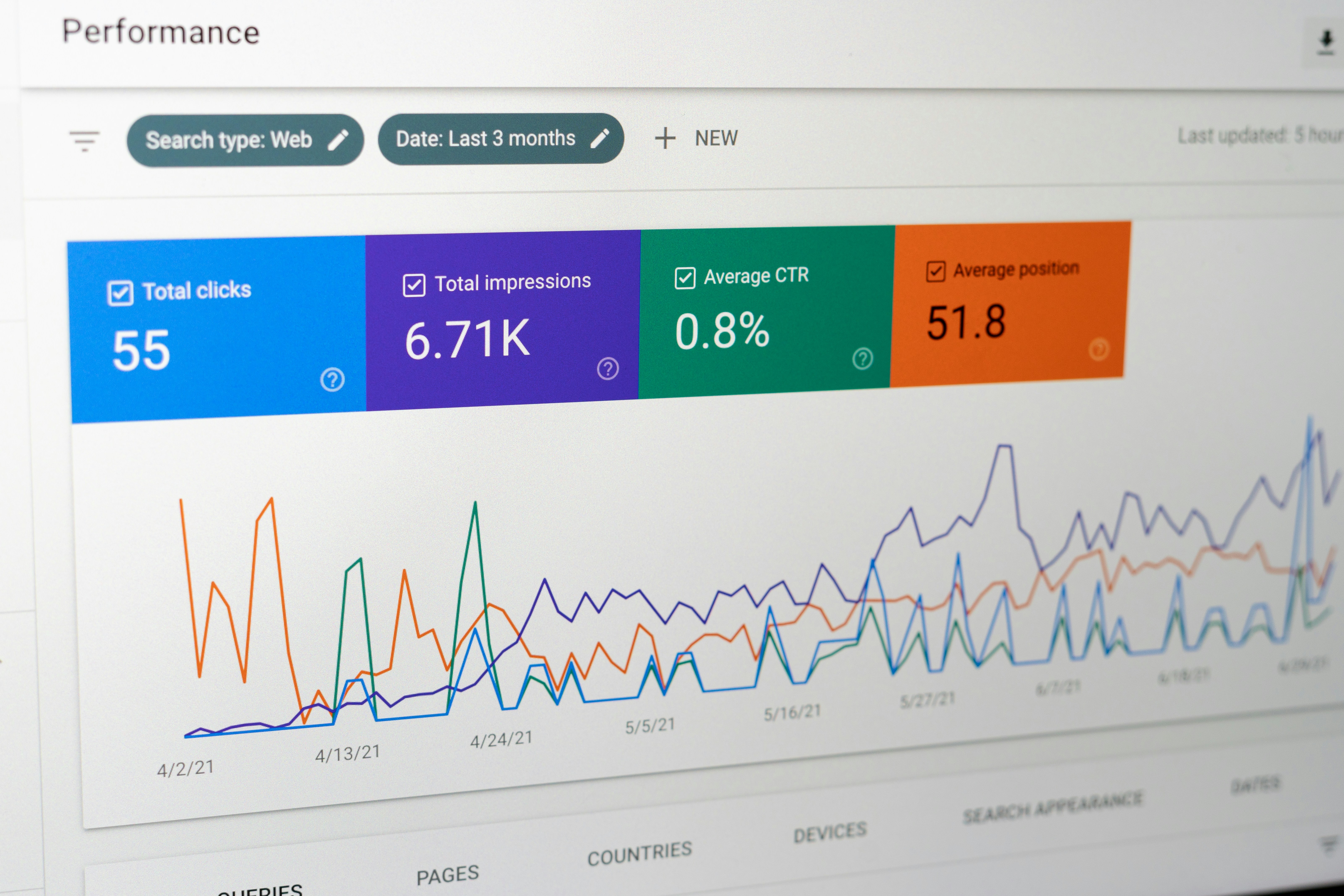
The integration of Looker Studio with Amazon Ads allows marketers to monitor key performance indicators (KPIs) closely. Key aspects such as click-through rates, conversion rates, and cost-per-click metrics can be visualized in an intuitive manner. This can significantly enhance the ability to assess which advertisements are yielding the best return on investment. As competition in the marketplace intensifies, the need for robust reporting tools like Looker Studio becomes paramount; they equip businesses with the necessary means to adapt and thrive in a rapidly changing digital landscape.
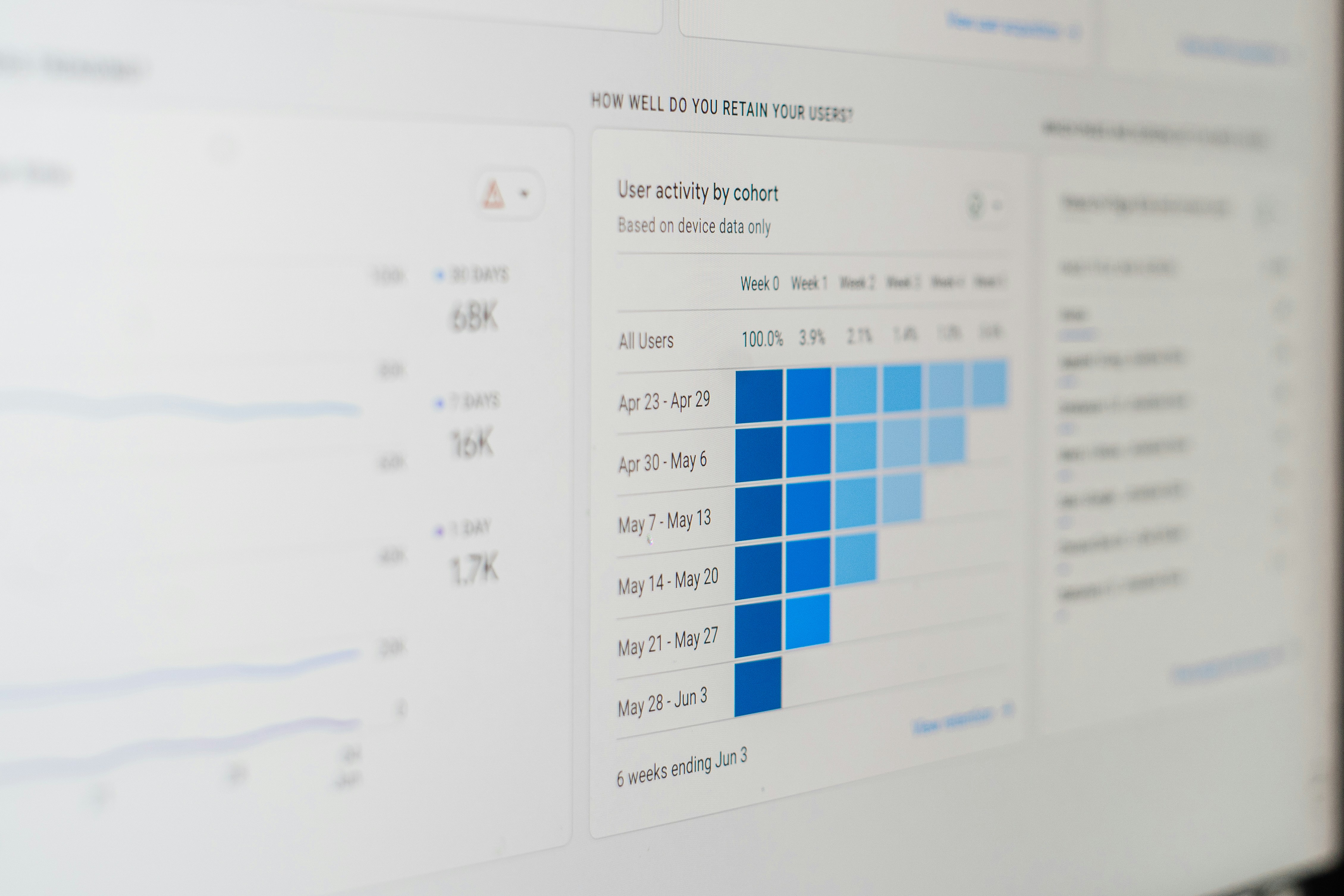
Utilizing Looker Studio for Amazon Ads empowers advertisers to confront challenges head-on by uncovering trends and anomalies in their advertising data. The platform offers customizable dashboards that allow users to dissect metrics according to various parameters such as time frames, demographics, or product categories. In addition, the collaborative features of Looker Studio make it easier for teams to share insights and align their advertising strategies across departments. By harnessing these advanced reporting functionalities, businesses are better positioned to drive higher engagement and ultimately achieve their marketing objectives.
Why Use Looker Studio for Amazon Ads?
In the rapidly evolving landscape of digital advertising, Looker Studio emerges as a powerful tool for optimizing Amazon Ads. By integrating Looker Studio, advertisers can harness the full potential of their data, enabling them to make informed decisions and enhance their advertising strategies. One of the most significant advantages of Looker Studio is its ability to conduct improved data analysis. This platform allows users to dive deep into their advertising metrics, identifying trends and patterns that may not be apparent through standard reporting tools on Amazon. With Looker Studio, users can create custom reports that blend different data sources, providing a comprehensive view of campaign performance.
Moreover, real-time reporting is a critical feature of Looker Studio that greatly benefits those managing Amazon Ads. This capability ensures that advertisers can access up-to-the-minute data on their campaigns, facilitating rapid adjustments to enhance effectiveness. With the ability to view live performance metrics, businesses can swiftly react to changes in consumer behavior or market conditions, optimizing their ad spend to maximize return on investment. The importance of timely insights cannot be overstated in today’s fast-paced advertising environment.
Another compelling reason to utilize Looker Studio alongside Amazon Ads is the platform’s capacity for creating customized dashboards. Each advertiser has unique needs and objectives, and Looker Studio caters to this by enabling the development of tailored dashboards. Users can select specific metrics to monitor, arrange visualizations according to their preferences, and provide stakeholders with clear and concise insights into advertising performance. This customization fosters a more strategic approach to managing Amazon Ads, as stakeholders can focus on relevant data that directly impacts business goals.
Overall, the integration of Looker Studio with Amazon Ads offers substantial benefits, including enhanced data analysis, real-time reporting, and personalized dashboards. These features equip advertisers with the tools necessary to refine their strategies, thereby improving overall campaign effectiveness.
Setting Up Looker Studio for Your Amazon Ads
Creating an effective dashboard in Looker Studio for Amazon Ads begins with a systematic approach to connecting the necessary data sources. First and foremost, it is crucial to integrate your Amazon Ads API with Looker Studio. To do this, you will need to generate an access token through your Amazon advertising account. This grants Looker Studio permission to fetch your advertising data. Navigate to the “Data Sources” section in Looker Studio, select “Create,” and then choose “Data Source.” From the available connectors, pick the one corresponding to Amazon Ads. Input your access token when prompted and verify the connection.
Once the data connection is established, the next step is to configure the required variables that will help you effectively analyze your Amazon Ads performance. Looker Studio allows you to define custom metrics and dimensions that align with your advertising objectives. For instance, you may want to create fields for calculated metrics such as return on ad spend (ROAS) or cost per acquisition (CPA). These custom variables can be set up in the “Fields” section of your data source, where you can manipulate existing fields to derive insightful metrics relevant to your campaigns.
The final component of your initial setup involves structuring your dashboard layout strategically. A well-structured dashboard should allow for easy navigation and interpretation of your Amazon Ads data. Consider adding various data visualization components such as tables, scorecards, and charts. Organizing these elements based on priority—placing key performance indicators (KPIs) at the forefront—will enhance user experience. Utilize filter controls to facilitate data segmentation, enabling you to analyze specific campaigns or time frames effortlessly. By following these steps, you will have a robust Looker Studio dashboard that optimally represents your Amazon Ads analytics and facilitates informed decision-making.
Key Metrics to Track in Looker Studio for Amazon Ads
In the realm of digital advertising, particularly when leveraging platforms like Looker Studio for Amazon Ads, it is essential to monitor various performance metrics to assess the effectiveness of your campaigns. Three of the most critical metrics that marketers should focus on include click-through rates, conversion rates, and return on ad spend (ROAS). Each of these metrics provides valuable insights into different stages of the advertising funnel, aiding in informed decision-making.
First and foremost, the click-through rate (CTR) is a fundamental metric that indicates how effectively your ads attract potential customers. It is calculated by taking the number of clicks your ads receive and dividing it by the number of times those ads are shown. A high CTR generally signifies that your ad copy and targeting are resonating with your audience, leading them to take the desired action of clicking. By consistently tracking CTR in Looker Studio, you can make necessary adjustments to enhance visibility and engagement.
Next, conversion rate measures the percentage of users who take a specific action after clicking on your ad, such as making a purchase or signing up for a newsletter. This metric is crucial as it directly correlates with the revenue generated from your campaigns. By optimizing your landing pages and ensuring a seamless transition from ad click to conversion, you can significantly improve this rate. Looker Studio provides the tools necessary to visualize and analyze conversion trends over time, facilitating data-driven advancements.
Finally, return on ad spend (ROAS) is an essential metric that evaluates the financial effectiveness of your Amazon Ads. ROAS is calculated by dividing the revenue generated from ads by the amount spent on those ads. Monitoring this metric in Looker Studio allows advertisers to determine whether their campaigns are profitable or if adjustments are needed for better budget allocation. A solid understanding of these key metrics ensures a comprehensive approach to maximizing the impact of Amazon Ads through Looker Studio.
Creating Dashboards for Amazon Ads in Looker Studio
Designing effective dashboards for Amazon Ads in Looker Studio involves a strategic approach to data visualization. The key to a successful dashboard lies in its layout, the selection of appropriate charts and graphs, and the arrangement of information that facilitates easy comprehension. A well-organized dashboard can enable stakeholders to quickly grasp campaign performance, making it an essential tool for data-driven decisions.
Firstly, when considering the layout of your dashboard, aim for a clean, intuitive design. Use a grid format to help position your elements systematically, allowing viewers to naturally flow from one metric to another. Prioritize the most critical data points by placing them prominently at the top or center of the dashboard. This ensures that key performance indicators (KPIs) are immediately visible, thus minimizing the time taken to assess performance.
Next, the selection of charts and graphs should align with the nature of the data being presented. For instance, time-series data such as ad spend over time is best visualized with line charts, while pie charts can effectively show the percentage distribution of clicks across various campaigns. Additionally, bar charts can be useful for comparing the performance of multiple ads side by side. Ensure that the chosen visualizations are easy to interpret and avoid cluttering the dashboard with excessive or complex graphics.
Finally, the arrangement of information plays a crucial role in enhancing comprehension. Group related metrics together, such as impressions, clicks, and conversions, to provide context that drives insights. Use headings and subheadings to define sections and guide viewers through the dashboard. Consistent use of colors can also assist in categorizing different data points, making it easier to identify trends and anomalies.
By following these best practices for creating dashboards for Amazon Ads in Looker Studio, you will foster better data analysis and enable effective decision-making processes based on clear insights drawn from the data.
Customizing Reports in Looker Studio
Customizing reports in Looker Studio is essential for effectively managing and analyzing Amazon Ads data. By tailoring reports to meet specific business needs, users can extract valuable insights that drive decision-making. A few key elements of customization include filters, segments, and date ranges, which enhance the analytical capabilities of Looker Studio.
Filters allow users to focus on particular subsets of data, such as specific campaign types or target audiences within Amazon Ads. This targeted approach helps eliminate irrelevant information, ensuring that the analytics are both actionable and relevant. In Looker Studio, filters can be easily applied by selecting the corresponding options within the report settings. This step is critical for businesses that require segmented data analysis.
Additionally, segments further refine the data presentation within reports. Users can categorize their Amazon Ads data by various dimensions, such as geographical location, performance metrics, or demographic characteristics. Segmenting data within Looker Studio not only offers richer insights but also aids in understanding the performance of specific ads or campaigns effectively.
Date ranges are another critical aspect of report customization. By selecting specific periods—whether daily, weekly, or monthly—users can perform trend analyses and measure the effectiveness of advertising strategies over time. Looker Studio allows users to set dynamic or fixed date ranges, enabling a tailored view of how Amazon Ads perform within various time frames.
Furthermore, Looker Studio offers automation and scheduled reporting options that streamline the process of data reporting. By automating regular reports, marketers can ensure that stakeholders receive timely insights without the need for manual updates. Scheduled reports can be managed within Looker Studio’s settings, allowing for seamless communication of Amazon Ads performance data. This combination of manual customization and automation makes Looker Studio a powerful tool for businesses looking to leverage their advertising data effectively.
Sharing and Collaborating on Looker Studio Reports
Sharing and collaborating on Looker Studio reports is a vital aspect of maximizing the potential of your Amazon Ads data. Effectively sharing insights allows team members and stakeholders to engage with the data, fostering a data-driven decision-making culture. Looker Studio provides various sharing settings to facilitate this process, which can be tailored to meet the specific needs of your organization.
To initiate sharing, you can use the “Share” button located within the report interface. This feature enables you to invite users by entering their email addresses. You can configure settings that allow viewers to either edit or simply view the reports. This flexibility is essential to maintaining control over the data while permitting collaboration among different team members. Additionally, Looker Studio allows you to share reports through links, which can be distributed via email or messaging platforms, simplifying access to the content.
For effective collaboration, it is beneficial to utilize Looker Studio’s commenting feature. Users can leave remarks directly on charts or sections of the report, which promotes ongoing communication regarding the data presented. This real-time feedback loop ensures that all stakeholders are aligned and can contribute their insights, enhancing the overall quality of the report.
When presenting your Looker Studio Amazon Ads reports, consider using the integrated presentation mode. This mode allows you to showcase your data in a clean, distraction-free environment, increasing focus and engagement from your audience. Best practices recommend having a clear agenda, utilizing visual storytelling techniques, and tailoring your presentation to the audience’s level of expertise with the data.
By effectively sharing and collaborating on Looker Studio reports, teams can streamline their workflows and develop a richer understanding of the performance of Amazon Ads campaigns, ultimately leading to more informed strategic decisions.
Real-World Examples of Looker Studio in Action
Businesses across various industries have begun integrating Looker Studio into their Amazon Ads strategies, yielding impressive returns on investment (ROI). One notable example is a mid-sized electronics retailer that utilized Looker Studio to optimize its ad spend on Amazon. By leveraging Looker Studio’s advanced data visualization capabilities, the retailer was able to analyze customer engagement metrics and sales conversions effectively. This analysis revealed that specific product categories had higher conversion rates when targeted during promotional periods. Consequently, the retailer adjusted its campaign schedules, focusing on peak shopping times, which led to a 25% increase in sales over three months.
Another compelling case involves a beauty brand that embraced Looker Studio to refine its Amazon Ads campaigns. By implementing Looker Studio, the brand could segregate data on customer demographics and purchasing behaviors. This insight enabled them to create tailored advertising content that resonated with their audience. The brand also employed A/B testing through Looker Studio to compare different ad formats and discover which generated higher engagement. Ultimately, their careful analysis resulted in a 40% improvement in click-through rates (CTR), demonstrating the efficacy of targeted advertising through data-driven strategies.
A third example is a home goods retailer that implemented Looker Studio for a comprehensive overview of its advertising efficiency on Amazon. This retailer had previously struggled to align its inventory with customer demand, but by utilizing Looker Studio, they could track sales performance alongside ad expenditure. The insights gleaned from this analysis prompted the retailer to adjust inventory management practices and allocate resources toward more profitable ad campaigns. As a result, they realized a marked reduction in excess inventory and a 30% increase in profit margins.
These examples illustrate how Looker Studio’s powerful analytical tools can transform Amazon Ads campaigns, offering businesses the opportunity to maximize their marketing efforts and ultimately achieve significant financial gains.
Conclusion and Next Steps
In this comprehensive guide on mastering Looker Studio for Amazon Ads, we have explored various strategies and practices that can enhance your advertising efforts on the Amazon platform. Effective utilization of Looker Studio enables users to leverage analytics, optimize campaigns, and make data-driven decisions, ensuring a more profitable advertising experience. Key elements of using Looker Studio include setting up data sources, customizing dashboards, and continuously analyzing ad performance metrics.
Throughout this blog post, we highlighted the importance of integrating your Amazon Ads data into Looker Studio, allowing for a streamlined approach to visualization and reporting. By employing these visual tools, advertisers can better understand the effectiveness of their campaigns, pinpointing areas ripe for improvement. Furthermore, utilizing features such as customized metrics and segments ensures that your reporting aligns with your specific business goals, providing insights that ultimately lead to more strategic advertising initiatives.
As you move forward, we encourage you to implement the strategies discussed in this guide. Begin by setting up your Looker Studio account and integrating your Amazon Ads data. Familiarize yourself with the various functionalities, experimenting and customizing your dashboards to identify what best suits your advertising needs. Embrace the iterative process of monitoring and adjusting your campaigns based on the insights gleaned from Looker Studio’s reports.
For additional resources and guidance on Looker Studio and Amazon Ads, be sure to explore the links provided at the end of this article. Should you have any specific queries or require further assistance, feel free to reach out to us through the contact information listed. Gaining proficiency in using Looker Studio for Amazon Ads will empower you to achieve greater advertising success and drive your business forward.