Introduction to Looker Studio and Google Campaign Manager 360
Looker Studio, a robust business intelligence and data visualization tool, empowers marketers and analysts to create insightful reports and dashboards. Designed to facilitate data-driven decision-making, Looker Studio allows users to connect various data sources and visualize metrics in a comprehensive manner. Integrating this tool with Google Campaign Manager 360—Google’s ad management platform—creates a potent solution for managing, analyzing, and optimizing marketing campaigns.
Google Campaign Manager 360 provides a centralized environment for executing and tracking digital advertising campaigns across multiple channels. It offers advanced attribution models, facilitating deeper insights into campaign performance, and ensuring that every touchpoint in the customer journey is measurable. By consolidating campaign data, Campaign Manager 360 enables marketers to understand their audience better and refine their marketing strategies accordingly.
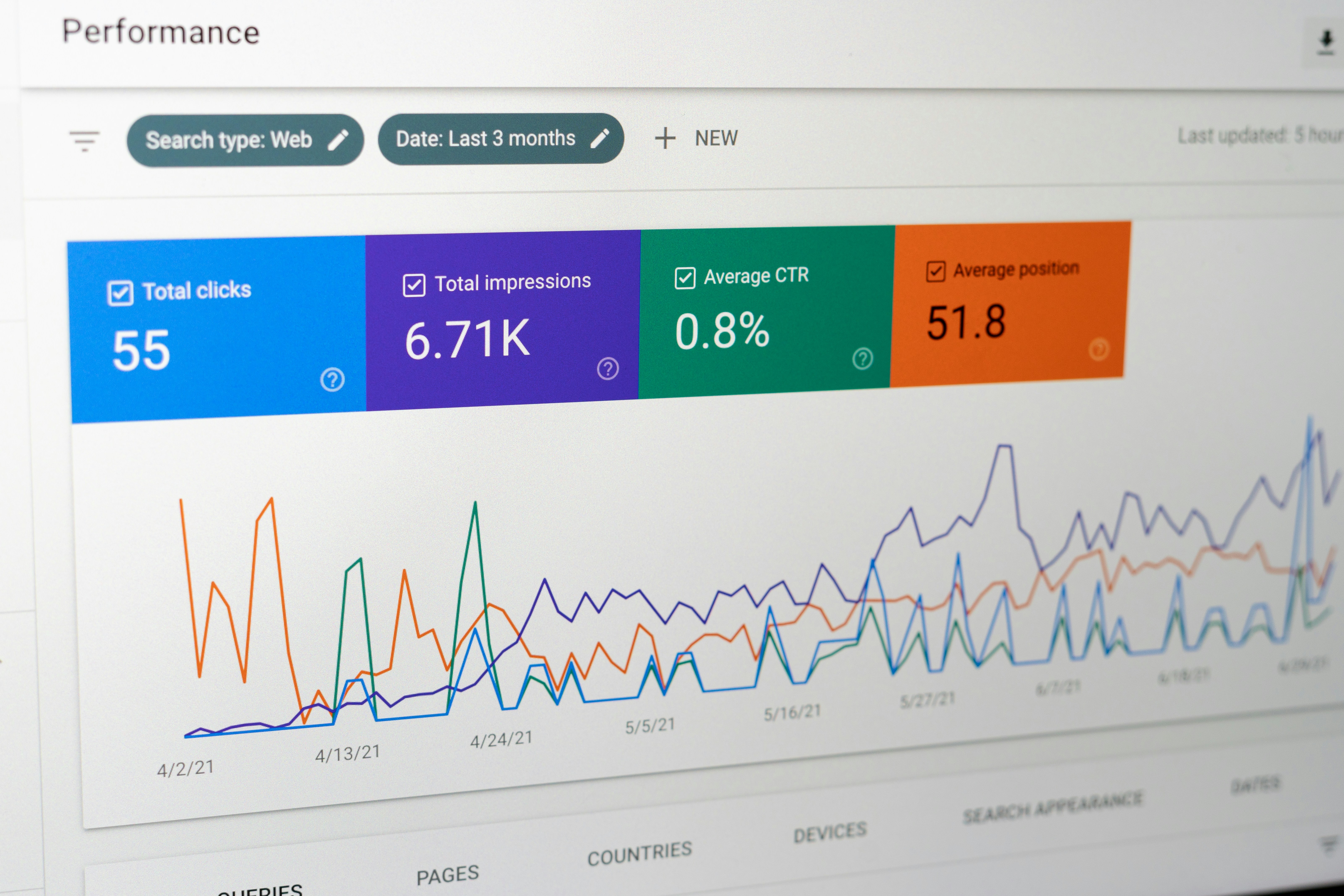
The integration of Looker Studio with Google Campaign Manager 360 enhances reporting capabilities by visually representing data across various campaigns in an intuitive manner. Users can create custom dashboards that showcase important performance indicators such as impressions, clicks, and conversions. This visual representation simplifies complex datasets, making it accessible for stakeholders at all levels of marketing departments to interpret and act upon data effectively.
Utilizing Looker Studio in conjunction with Google Campaign Manager 360 not only streamlines the reporting process but also aids in identifying trends, anomalies, and opportunities for improvement within campaigns. By leveraging both platforms, marketers can optimize their strategies, increase ROI, and ensure that campaigns are finely tuned to achieve maximum performance. The synergy between these tools makes them indispensable for anyone looking to elevate their digital marketing efforts.
Getting Started with Looker Studio
Looker Studio is a powerful business intelligence tool that integrates seamlessly with Google Campaign Manager 360, offering users the ability to visualize and analyze data effectively. As a collaborative platform, Looker Studio allows users to create insightful dashboards and detailed reports that enable data-driven decision-making. Its features cater to a variety of users, from marketers to data analysts, providing an accessible interface for data exploration and analysis. Users can leverage customizable visualizations, real-time data connectivity, and a range of metrics tailored to their specific needs.
To begin using Looker Studio, you must first sign up for an account. This can be done by visiting the official Looker Studio website and following the prompts for account creation. If you already have a Google account, you can use it to streamline the sign-up process. Once registered, you will gain access to the Looker Studio interface, where you can explore its functionality and features.
Navigating the Looker Studio interface is intuitive and user-friendly. The main dashboard serves as your control center, where you can manage your reports and data sources. To connect your data from Google Campaign Manager 360, select “Connect” from the data source menu and choose the appropriate integration. This process facilitates the flow of data into Looker Studio, allowing users to harness valuable insights from their campaign metrics.
After connecting your data sources, you can begin setting up reports. Utilizing drag-and-drop functionalities, you can customize your dashboard with a variety of widgets, graphs, and tables that best represent your data. This level of adaptability ensures that users can create reports that meet their specific analytical requirements. By following these initial steps, you will be well-equipped to leverage Looker Studio’s capabilities to enhance your data analysis and reporting workflows.
Understanding Google Campaign Manager 360
Google Campaign Manager 360 (CM 360) is a robust advertising management platform that plays a pivotal role within the Google Marketing Platform. It is designed to streamline and enhance digital marketing efforts by providing a comprehensive suite of tools for campaign management, tracking, and analytics. As an integral component of the Google ecosystem, CM 360 facilitates advanced campaign planning and execution, allowing marketers to reach their target audiences effectively.
One of the key functionalities of Google Campaign Manager 360 is its ability to manage multiple advertising campaigns seamlessly. Marketers can create, monitor, and optimize their campaigns across various channels, including display, video, and social media. This feature eliminates the need for disparate tools, allowing for a more unified approach to digital advertising. By consolidating campaign information, users gain insights into the performance of all their advertising efforts at a glance.
Tracking capabilities are another significant advantage offered by Campaign Manager 360. The platform enables marketers to implement tags and pixels that provide valuable data on user interactions with their ads. This tracking allows for real-time reporting and analysis, ensuring that marketers can make informed decisions based on the behavior of their audience. Additionally, CM 360’s sophisticated attribution modeling helps in understanding the customer journey across different touchpoints, which is essential for optimizing future marketing strategies.
Analytics is the cornerstone of successful digital marketing, and Google Campaign Manager 360 excels in this area. With detailed reports and visualizations, users can assess the effectiveness of their campaigns, identify trends, and derive actionable insights. By utilizing these analytics tools, marketers can refine their approaches and improve their return on investment (ROI).
In summary, Google Campaign Manager 360 offers valuable services that are essential for modern digital marketers. Its functionalities surrounding campaign management, tracking, and analytics underscore its significance as part of the Google Marketing Platform, empowering marketers to optimize their advertising strategies effectively.
Benefits of Using Looker Studio with Campaign Manager 360
Utilizing Looker Studio alongside Google Campaign Manager 360 presents a myriad of advantages that significantly enhance the capability to analyze and visualize data. One of the primary benefits is improved data visualization. Looker Studio offers advanced data visualization tools that enable users to transform complex datasets into easily digestible visual representations. This allows teams to uncover insights quickly, facilitating a clearer understanding of campaign performance metrics.
Moreover, the integration of Looker Studio with Campaign Manager 360 streamlines the reporting process. Users can efficiently compile data from various sources and create comprehensive reports that highlight key performance indicators. This streamlining minimizes the time spent on manual reporting, thereby allowing marketing teams to focus more on strategic analysis and less on data aggregation. By automating data connections, Looker Studio empowers users to generate real-time reports, ensuring that decision-makers have access to the latest information.
Another significant benefit is the enhancement of campaign insights. By leveraging the robust analytics capabilities of Looker Studio, users can drill down into their Campaign Manager 360 data to assess not just overall performance but also the effectiveness of specific marketing strategies. Such detailed analysis can reveal trends and patterns that might have otherwise gone unnoticed, allowing marketers to make data-driven decisions that optimize campaign outcomes.
Furthermore, when teams utilize Looker Studio in combination with Campaign Manager 360, they experience improved collaboration. The platform promotes shared dashboards and reporting features that foster communication within teams. This collaborative environment ensures that all stakeholders have visibility into campaign metrics, empowering them to contribute to informed decision-making. Overall, the synergistic benefits of Looker Studio and Campaign Manager 360 lead to not just enhanced insight but also improved strategies crucial for effective marketing campaigns.
Downloading Reports from Looker Studio and Campaign Manager 360
To effectively download reports from Looker Studio and Google Campaign Manager 360, one must follow a structured approach that ensures the extraction of relevant data in the desired format. Both tools offer distinct but complementary functionalities for analytics, making understanding their report downloading processes essential for data management. This section outlines the key steps to achieve optimum results.
Firstly, to download a report from Looker Studio, begin by accessing your dashboard where the report is located. Once you are on the specific report page, locate the “Export” option, which is typically found in the top menu. Click on it to reveal a variety of export formats, including PDF, Excel, and CSV. Selecting the appropriate format depends on your analysis needs—PDF for presentations, Excel for detailed data manipulation, and CSV for compatibility with other data processing tools.
Next, when utilizing Google Campaign Manager 360, navigate to the report section in the interface. Similar to Looker Studio, look for the export function in the report viewer. After selecting the desired report, you will have options to customize the output format. Here, you can choose between various formats, such as PDF and CSV, again based on the intended use of the report. Setting custom parameters, such as date ranges or specific metrics, can refine your report to focus on the data most relevant to your analysis objectives.
In addition to format selection, both platforms allow users to save presets for frequently used report parameters, which streamlines future report generation. This feature is particularly useful when regular updates or recurring reports are necessary. By harnessing these tools effectively, users can ensure they have access to comprehensive reports that provide insightful data for decision making.
Integrating Data Sources in Looker Studio
Integrating data sources into Looker Studio is a crucial step in creating comprehensive and insightful reports. The ability to bring together various data sets allows users to analyze performance metrics effectively and derive actionable insights. Looker Studio supports a multitude of data sources which can greatly enhance reporting capabilities. Common data sources include Google Analytics, Google Ads, Google Sheets, and various SQL databases. Each of these sources contributes unique data that can be visualized in Looker Studio, presenting a more holistic view of the data landscape.
To link these data sources to Looker Studio, users can start by accessing the Looker Studio interface and navigating to the ‘Create’ option. From there, selecting ‘Data Source’ allows users to browse through the available connectors. For instance, to connect Google Analytics, you simply find the Google Analytics connector, authenticate your account, and select the specific view you wish to pull data from. After establishing the connection, it is advisable to explore the dimensions and metrics available to ensure all relevant data is pulled into Looker Studio.
Best practices for data management and cleanup involve ensuring that all data is accurate and up-to-date. It is essential to regularly monitor the connections to verify that the data being pulled is still relevant and that no discrepancies exist. Organizing data into categories and using clear naming conventions for fields can significantly improve performance and ease of use within Looker Studio. Furthermore, utilizing calculated fields can enhance the data’s effectiveness by providing custom metrics that better reflect business objectives. By thoughtfully integrating data sources, users can maximize their data analysis capabilities and foster data-driven decision-making.
Creating Custom Reports and Dashboards
Creating custom reports and dashboards in Looker Studio using data from Google Campaign Manager 360 is pivotal for data-driven decision-making. The ability to present this data effectively allows users to glean insights that can enhance campaign performance and optimize resource allocation. To begin, one must first establish a connection between Looker Studio and Google Campaign Manager 360, ensuring that the data is accurately represented. This connection enables users to pull relevant metrics and dimensions from Campaign Manager directly into their reports.
Visualizing data correctly is crucial for interpretation. Users can choose from a variety of visual elements such as charts, graphs, and tables. For instance, line graphs can illustrate trends over time, while bar charts can compare campaign performance across different channels. The effective use of these visualization tools not only enhances comprehension but also aids in presenting data in a user-friendly manner. Furthermore, range filters can be applied to allow for more dynamic interaction with the data, enabling users to focus on specific time frames or datasets.
Customization of templates is another valuable feature in this process. Looker Studio allows users to build reports tailored to their specific audience needs and preferences. By adjusting colors, fonts, and layouts, reports can be made more visually appealing and aligned with brand standards. Users can also create templates that facilitate consistency in reporting across different campaigns or teams, ensuring that all stakeholders engage with the information in a coherent way. As one dives deeper into the features available, the ability to create robust dashboards that offer real-time insights becomes an invaluable asset for monitoring campaign effectiveness.
Troubleshooting Common Issues
As users engage with Looker Studio alongside Google Campaign Manager 360, a variety of common issues may arise, potentially hindering the effectiveness of their data analytics efforts. Understanding these challenges and knowing how to resolve them is essential for maintaining seamless operation and maximizing the benefits derived from both platforms.
One frequent issue involves a data mismatch between Looker Studio and Google Campaign Manager 360. This discrepancy often occurs due to configuration errors, where the data connectors are not aligned correctly. To troubleshoot this problem, users should verify that the appropriate data source settings are accurately defined in Looker Studio. Checking the data range, the filters applied, and ensuring that all relevant dimensions and metrics are included will help rectify inconsistencies.
Another common hurdle is the performance of reports. Some users may experience slow loading times or unresponsive dashboards. This is typically due to the volume of data being processed or complex queries that need optimization. To address these performance concerns, simplifying reports by reducing the number of visualizations or using aggregated data instead of raw data can significantly improve load times.
Additionally, a lack of clear understanding of the integrations can lead to significant setbacks. It is beneficial for users to familiarize themselves with the specific requirements and limitations of both Looker Studio and Google Campaign Manager 360. Consulting the official documentation provided by Google can offer valuable insights into how these tools can be effectively combined.
For further assistance, online forums and communities related to Looker Studio and Google Campaign Manager 360 can be excellent resources. Engaging with such platforms allows users to share experiences and solutions, fostering a collaborative environment for troubleshooting. By proactively addressing these common issues, users can enhance their proficiency with Looker Studio, paving the way for more effective data-driven decision-making.
Conclusion and Additional Resources
In this guide, we have explored the essential features and benefits of utilizing Looker Studio in conjunction with Google Campaign Manager 360. The integration of these two powerful tools is vital for data-driven campaign management, providing a comprehensive view of marketing performance. With Looker Studio, users can create insightful dashboards and visualizations, making it easier to analyze campaign effectiveness and optimize strategies accordingly.
Through the direct link between Google Campaign Manager 360 and Looker Studio, marketers can dissect attribution models, track conversions, and derive actionable insights from their campaigns. This not only enhances overall reporting capabilities but ensures that businesses can make informed decisions based on real-time data. The combination of these platforms enables marketers to streamline their workflow, save valuable time, and focus on strategic actions that drive results.
To further extend your learning and mastery of Looker Studio with Google Campaign Manager 360, we recommend exploring additional resources available on our website. These materials delve deeper into best practices, advanced techniques, and case studies that illustrate the successful application of these tools in various scenarios. You may also wish to visit our contact page for personalized support or inquiries related to data visualization and campaign management.
As you continue to navigate the complexities of digital marketing, remember that the synergy of Looker Studio and Google Campaign Manager 360 is essential for a robust analysis of your marketing efforts. Embracing these tools will undoubtedly enhance your campaign management skills and facilitate greater success in your marketing initiatives.