Introduction to Looker Studio and Campaign Manager 360
Looker Studio, formerly known as Google Data Studio, is a powerful data visualization and business intelligence tool that empowers users to transform data into comprehensive and interactive reports. Through its intuitive interface, Looker Studio enables users to connect various data sources, analyze metrics, and create informative dashboards that facilitate deeper insights into performance. The integration of Looker Studio with Campaign Manager 360 significantly enhances the capabilities of data analysis, particularly within the realm of digital marketing.
Campaign Manager 360 is a robust ad management platform that provides tools for managing, measuring, and optimizing online advertising campaigns across various channels. It offers marketers the ability to track performance metrics, gain insights on user engagement, and evaluate the effectiveness of their strategies. By utilizing Campaign Manager 360, businesses can streamline their advertising efforts, ensuring that every dollar spent is accounted for and leads to actionable insights.
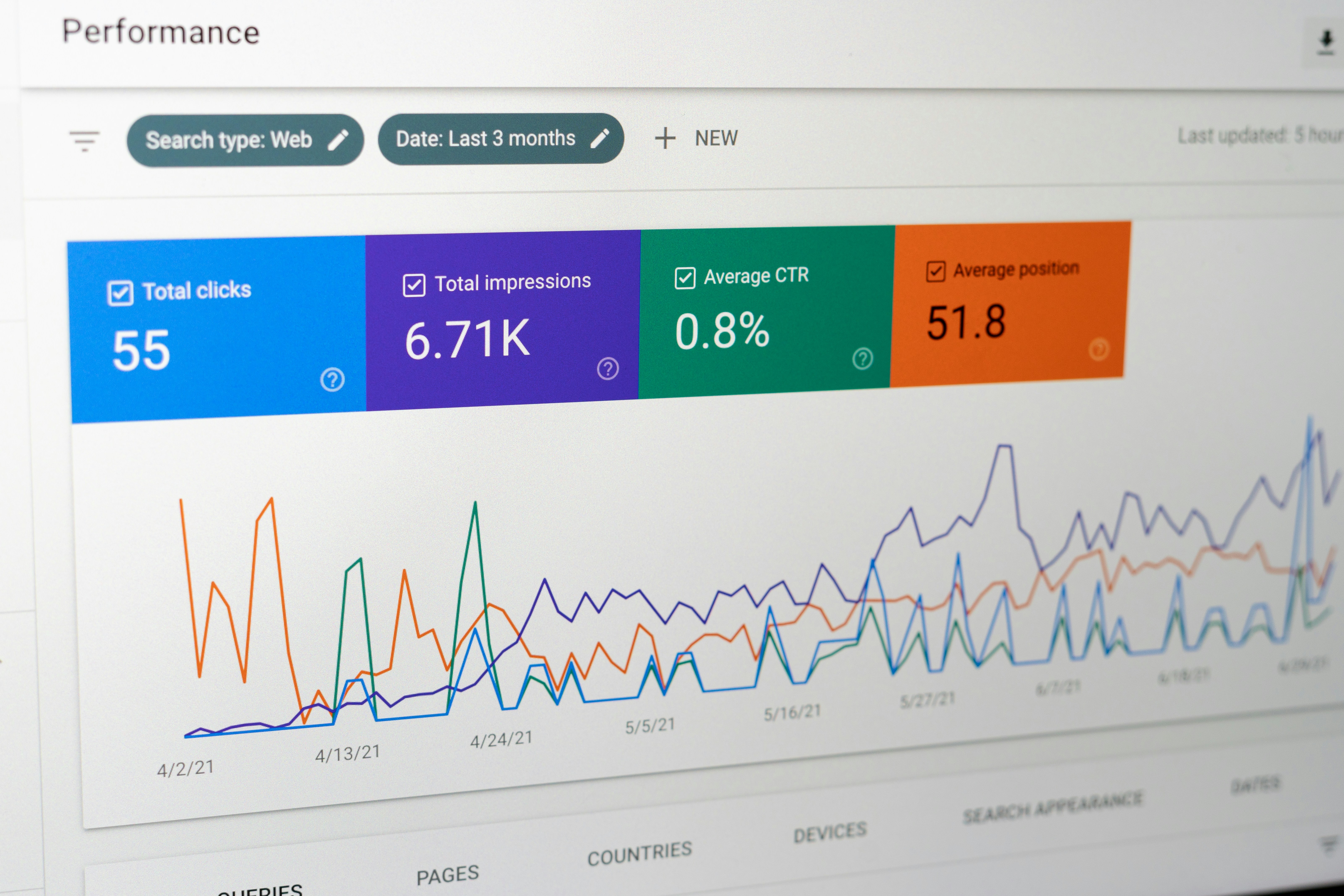
The real strength of Looker Studio lies in its ability to seamlessly integrate with Campaign Manager 360, allowing advertisers to create data-driven narratives through visually appealing reports. This integration not only enhances reporting capabilities but also aids in the decision-making process by showcasing real-time data and campaign performance metrics in a user-friendly format. Users can easily access key insights, such as impressions, clicks, and conversions, allowing for more agile marketing strategies.
Utilizing Looker Studio in conjunction with Campaign Manager 360 results in a comprehensive view of campaign performance, enabling marketers to identify trends, assess user behavior, and optimize ad placements effectively. This synergy between data visualization and advertising management is essential for businesses looking to leverage their data for digital marketing success. Ultimately, a mastery of both Looker Studio and Campaign Manager 360 equips marketers with the tools necessary to drive informed decision-making and improve overall campaign outcomes.
Key Features of Campaign Manager 360
Campaign Manager 360 is a robust platform designed for managing and optimizing advertising campaigns across various digital channels. One of its hallmark features is comprehensive ad tracking, which allows advertisers to monitor ad performance in real-time. This functionality includes tracking metrics such as impressions, clicks, conversions, and more, providing a clear picture of a campaign’s effectiveness. By utilizing advanced tracking capabilities, users can assess the performance of each advertisement, allowing for quick adjustments to enhance overall results.
Another significant aspect of Campaign Manager 360 is its audience targeting capabilities. With the ability to segment audiences based on diverse criteria such as demographics, behavior, or interests, advertisers can deliver tailored messages to specific groups. This feature not only increases engagement rates but also optimizes ad spend by ensuring that advertising resources are directed towards the most relevant audiences. The precision of audience targeting means that campaigns can achieve improved outcomes, catering more effectively to consumer needs and preferences.
Effective campaign management functionalities are also integral to the platform. Campaign Manager 360 provides users with an intuitive interface for planning, executing, and analyzing advertising campaigns. The streamlined workflow facilitates easier coordination among teams, ensuring that everyone involved can access real-time data and reports. Additionally, the platform supports various ad formats and placements, empowering advertisers to choose the best strategies tailored to individual goals.
Lastly, the insights derived from Campaign Manager 360 play a crucial role in informing advertising strategies. The platform offers extensive reporting tools that analyze campaign data, uncover trends, and measure return on investment (ROI). By utilizing these insights, advertisers can refine their approaches, making data-driven decisions that enhance future campaign performance. Overall, the combination of ad tracking, audience targeting, campaign management, and insightful analytics positions Campaign Manager 360 as a valuable tool for any advertising strategy.
Benefits of Integrating Looker Studio with Campaign Manager 360
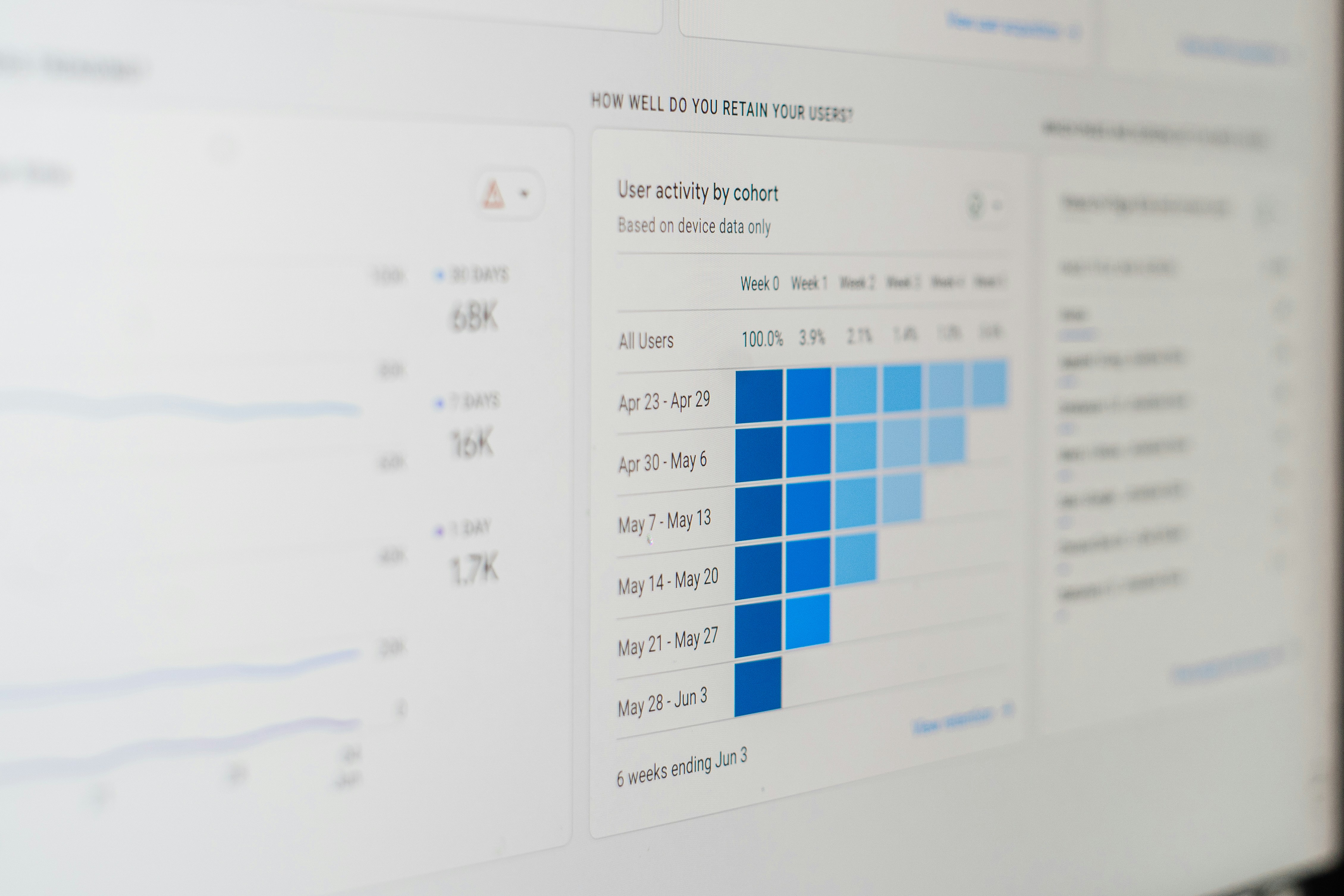
The integration of Looker Studio with Campaign Manager 360 offers a multitude of advantages that facilitate enhanced data visualization and reporting capabilities. One of the primary benefits is the ability to create dynamic and interactive dashboards. These dashboards allow marketers to visualize their campaign data more intuitively and make data-driven decisions based on real-time insights. By leveraging Looker Studio’s robust visualization tools, users can easily comprehend complex datasets, thus enhancing overall analytics proficiency.
Another significant advantage is the emphasis on real-time analytics. With the combined functionalities of Looker Studio and Campaign Manager 360, marketers can access up-to-the-minute data concerning their advertising campaigns. This immediacy enables stakeholders to make timely adjustments and optimize performance, ultimately leading to more effective campaign management. The powerful real-time reporting capabilities empower teams to react swiftly to changes in consumer behavior and market trends, thus enhancing the ability to capitalize on emerging opportunities.
Additionally, the integration allows for the creation of custom reports tailored to specific project needs. Campaign Manager 360 provides extensive data about ad performance, while Looker Studio enhances this information by converting it into comprehensible and engaging reports. Users can select metrics that matter most to their campaigns, ensuring that reporting focuses on relevant indicators of success. Through tailored reporting, businesses gain the advantage of understanding the nuances of their campaign performance, leading to more effective strategies for future initiatives.
Ultimately, the integration of Looker Studio with Campaign Manager 360 constitutes a powerful alliance that transforms how marketers access, analyze, and report on their advertising efforts. This collaborative framework fosters a data-centric environment that drives strategic decision-making and enhances overall marketing effectiveness.
Setting Up Your Looker Studio Environment
To harness the power of Looker Studio for Campaign Manager 360 analytics, the initial setup of your Looker Studio environment is crucial. This process begins with the creation of your Looker account. You may start by visiting the Looker website and selecting the option to sign up for a new account. Follow the on-screen instructions, entering the required information accurately. Ensure you choose a strong password and verify your email address to activate your new account.
Once your account is activated, logging into Looker Studio grants you access to a user-friendly interface. The next step involves connecting data sources that will feed the Looker Studio environment with relevant information from Campaign Manager 360. Look for the ‘Connections’ menu on the main dashboard and click on the option to add a new connection. You will need to select ‘Campaign Manager 360’ from the list of available data sources and authenticate your account to enable data access. It is recommended to use a service account for this, as it will streamline data permissions and connectivity.
After the data source connection is established, you should configure the initial settings to facilitate a smoother reporting experience. Navigate to the ‘Settings’ panel where you can customize various options according to your reporting needs. This includes adjusting your time zone, setting up data refresh schedules, and integrating other preferred services that complement your reporting. Familiarizing yourself with these configurations will lay a solid foundation for effective data reporting and visualization in Looker Studio.
With your Looker Studio environment adequately set up, you are now ready to begin using the platform for insightful data analysis and reporting in conjunction with Campaign Manager 360.
Building Reports from Campaign Manager 360 Data
Creating insightful reports from Campaign Manager 360 data in Looker Studio involves a systematic approach that encompasses data sourcing, report creation, and customization to enhance the overall reporting experience. The first step in the reporting process is to establish a connection between Looker Studio and the Campaign Manager 360 data source. This can be accomplished by selecting the appropriate data connectors available in Looker Studio, which facilitate easy access to the rich dataset provided by Campaign Manager 360.
Once the connection is established, users can begin extracting relevant metrics and dimensions that align with their reporting goals. It is essential to consider the specific KPIs that are crucial for evaluating campaign performance, such as impressions, clicks, and conversions. By leveraging these metrics, users can accurately capture the effectiveness of their marketing strategies.
After selecting the necessary data points, users can initiate the report creation process. This phase includes choosing from various visualization options like charts, tables, maps, and scorecards. Looker Studio offers an array of customizable templates, allowing users to tailor the visual representation of their data to suit their audience’s needs. Efficiently displaying the Campaign Manager 360 data is key to providing stakeholders with clear and actionable insights.
Furthermore, customization options play a vital role in enhancing the reporting experience. Users can employ filters and date ranges to refine their reports, enabling them to focus on specific campaigns or time periods. Color schemes and font styles can also be adjusted, providing an aesthetically pleasing and functional report layout. The final report should not only be visually appealing but also informative, ensuring that data-driven decisions can be made effectively based on the insights provided.
By effectively sourcing and visualizing Campaign Manager 360 data through Looker Studio, businesses can create comprehensive reports that empower stakeholders with valuable insights, ultimately driving better marketing performance.
Advanced Data Analysis Techniques
Data analysis is an essential component of campaign management, and leveraging advanced techniques in Looker Studio alongside Campaign Manager 360 can significantly enhance your strategies. One of the most powerful methods is data blending, which allows you to merge various data sources for a more comprehensive analysis. This technique involves combining data sets from Campaign Manager 360 with other relevant data sources, such as CRM or social media analytics. By blending data, you can achieve a holistic view of campaign performance across multiple channels, enabling informed decision-making.
Another critical aspect to consider is the application of calculations within Looker Studio. This may include creating custom metrics that reflect specific business needs, such as conversion rate or return on investment (ROI). Calculated fields can be utilized to synthesize raw data into meaningful insights. For instance, you might derive a new metric from existing data to track user engagement or effectiveness of specific ad placements, thus allowing for nuanced adjustments to your ongoing strategy.
Filters are also indispensable when conducting advanced data analysis. Utilizing filtering options enables you to focus on specific data segments, which helps in identifying trends and performance anomalies within campaigns. For instance, you can set filters based on demographics, campaign type, or dates to isolate high-performing segments from those that require optimization. By honing in on specific metrics, your team can make evidence-based adjustments that enhance overall campaign effectiveness.
Combining these advanced techniques—data blending, calculated fields, and precise filtering—provides a robust framework for in-depth data analysis in Looker Studio. The ability to derive actionable insights from intricate data sets not only informs strategy but also drives better business outcomes, ultimately leading to more successful and well-optimized campaigns.
Best Practices for Reporting and Data Visualization
Effective reporting and data visualization are crucial components when utilizing Looker Studio for generating insights from Campaign Manager 360 data. To achieve a successful reporting process, one must adhere to several best practices that enhance clarity and usability. First and foremost, following design principles can significantly improve the presentation of data. Utilizing a clean layout with consistent fonts, colors, and styles ensures that the information is easily digestible. A well-structured report minimizes distractions and allows users to focus on the key findings.
Another essential element is user-friendly navigation. Structuring reports with intuitive menus and labeled sections can facilitate a seamless experience for stakeholders who may not be familiar with the dataset. Including an executive summary at the beginning allows users to quickly grasp the key takeaways without delving into intricate details. By leveraging interactive elements such as filters and drill-down capabilities, users can customize their data views, further enhancing the reporting experience.
Visual representation of data is vital to communicating insights effectively. Different stakeholders often require varied data perspectives, pointing toward the importance of tailoring visualizations on a case-by-case basis. For instance, using bar charts for comparisons or line graphs for trends can convey messages more effectively than raw numbers alone. Additionally, employing dashboard features in Looker Studio allows users to visualize multiple datasets simultaneously, enabling a holistic view of campaign performance.
In crafting reports, it is essential to focus on key performance indicators (KPIs) relevant to each audience segment, streamlining the information presented. By utilizing the principles of simplicity, effective navigation, and tailored visualizations, one can significantly enhance the overall quality and impact of reports generated in Looker Studio, ultimately driving better decision-making based on Campaign Manager 360 data.
Common Challenges and Troubleshooting Tips
Integrating Looker Studio with Campaign Manager 360 can present several challenges that users may encounter throughout their journey. One frequent issue involves data discrepancies, which can arise from misconfigured data sources or incorrect data mapping. Users might observe differences in metrics and dimensions between the two platforms, leading to confusion and frustration. To address this, it is imperative to ensure that all data connections are accurately set up and that the fields being utilized are consistently defined in both platforms. Regular audits and validations of data flows can significantly reduce these discrepancies.
Another common challenge is related to user access and permissions. Users sometimes find that they are unable to access certain reports or datasets, which could stem from insufficient permissions assigned within Campaign Manager 360 or Looker Studio. To resolve this issue, administrators should review and adjust permissions settings carefully, ensuring that users have the necessary access rights to the data they need. Communicating clearly about permission structures can help prevent misunderstandings and enhance overall user satisfaction.
Additionally, performance-related issues can hinder the effectiveness of Looker Studio when working with large datasets from Campaign Manager 360. Slow load times and lag in report generation can be frustrating. To mitigate these concerns, users are encouraged to optimize their queries and refine their data models. Reducing the volume of data processed in a single visualization, applying filters, and summarizing data can improve performance significantly. Moreover, utilizing cached data can lead to faster report generation times.
Lastly, users may face challenges in visualizing data effectively. Choosing the right visualization type for specific data can be daunting. Educating oneself on the various visualization options available within Looker Studio and understanding the audience’s needs is essential. Seeking assistance from community forums or consulting dedicated resources can provide valuable insights into effective data visualization techniques.
Resources for Continuous Learning and Support
As the landscape of digital analytics continues to evolve, maintaining proficiency in tools like Looker Studio and Campaign Manager 360 is essential for marketers and analysts alike. Fortunately, various resources are available to ensure ongoing learning and support for both beginners and advanced users. These resources encompass a wide array of formats designed to cater to diverse learning preferences.
One significant avenue for learning is through webinars, which are frequently offered by Google and other industry experts. These live sessions cover a range of topics, including best practices, advanced functionalities, and new feature rollouts. Participating in these webinars not only allows users to gain insights directly from professionals but also provides the opportunity for Q&A sessions, enabling individuals to clarify any doubts regarding their specific use cases.
Online courses are another valuable resource. Platforms such as Coursera, Udemy, and Google’s own Analytics Academy provide structured courses that guide users through Looker Studio and Campaign Manager 360 features at their own pace. These courses often incorporate quizzes and practical exercises, which can significantly enhance user comprehension and expertise.
For immediate support, the FAQs section on the official Google documentation site serves as a comprehensive repository for troubleshooting common issues and understanding the intricacies of both Looker Studio and Campaign Manager 360. Furthermore, user communities on platforms such as Reddit or Stack Overflow allow peers to share experiences, solutions, and tips, thereby fostering a collaborative environment for knowledge sharing.
Lastly, for those delving into advanced topics, seeking expert assistance through forums and professional consulting services can provide tailored guidance. Leveraging these resources effectively allows users to master Looker Studio and Campaign Manager 360, facilitating better data-driven decision-making and enhancing overall campaign performance.