Introduction to SEMrush Rank Tracking
SEMrush is widely recognized as a powerful digital marketing tool that assists businesses in enhancing their online presence through various features, one of which is rank tracking. Rank tracking refers to the process of monitoring a website’s performance in search engine results pages (SERPs) for specific keywords. This practice is crucial for SEO, as it allows marketers to evaluate the effectiveness of their strategies and make informed decisions for improvement. By understanding where a website ranks for targeted keywords, businesses can identify opportunities for growth and adjust their tactics accordingly.
One of the leading advantages of utilizing SEMrush for rank tracking lies in its capability to provide detailed insights into keyword performance over time. Users can monitor fluctuations in rankings, which can indicate the impact of algorithm updates, competitive actions, or the implementation of new SEO strategies. Furthermore, SEMrush offers a user-friendly interface that simplifies the process of tracking multiple keywords across various domains, making it an invaluable tool for both small businesses and larger enterprises alike.
Effective rank tracking is essential for improving online visibility and ensuring that a website reaches its target audience. As businesses adapt to changing market dynamics and competition, leveraging tools like SEMrush becomes increasingly important in sustaining and enhancing search engine rankings. By engaging in continuous monitoring of keyword positions, companies not only gain insights into their competitors’ performance but also refine their own strategies to achieve better results.
In conclusion, SEMrush rank tracking serves as an integral component of any comprehensive SEO strategy. By adopting this tool, organizations can foster informed decision-making processes that enhance their digital marketing efforts, ultimately aiding in achieving long-term online success.
Setting Up Your SEMrush Account
Establishing your SEMrush account is the foundational step in mastering SEMrush rank tracking. To begin the process, visit the SEMrush website and click on the “Sign Up” button. You will be prompted to provide your email address, create a password, and accept the terms of service. Once you have completed this, an activation email will be sent to your inbox, requiring you to verify your account before moving forward.
After verification, you will have the option to select from a range of subscription plans available to SEMrush users. These plans include options tailored for freelancers, agencies, and large organizations, each offering varying levels of access to tools and features. Choosing the right subscription plan is crucial, as it directly impacts your ability to gather and analyze data effectively, including metrics related to SEMrush rank tracking.
Upon activating your account, you will be directed to the SEMrush dashboard. The dashboard serves as your command center for all digital marketing analysis activities. Familiarizing yourself with the layout is essential; you will find menu items on the left sidebar, offering access to different sections such as SEO, PPC, Content Marketing, and more. Each section provides thorough insights that aid in enhancing your online visibility.
As you begin projects, it is vital to set up the correct configurations. Click on “Projects” in the dashboard and follow the prompts to add a new project. Enter your website URL, name your project, and select the tools that align with your objectives. Accurate project setup is essential for efficient SEMrush rank tracking, as it allows the system to monitor your website’s performance and provide in-depth reports. Following these steps will ensure a smooth and effective start to utilizing SEMrush’s robust capabilities.
Adding Your Domains for Rank Tracking
Adding domains for tracking in SEMrush is a straightforward yet crucial step to obtaining valuable data on your website’s performance. Initially, navigate to the SEMrush dashboard and locate the “Rank Tracking” tool. From there, click on the option to “Add Domain.” This enables you to begin the process of entering the domains or subdomains you wish to track. For comprehensive insights, it is recommended to include all relevant subdomains, as they can significantly influence your overall rank tracking metrics.
Once you have entered the primary domain, you may proceed to customize the tracking options. One of the critical aspects of this process is selecting geographic locations. SEMrush allows users to specify the country or region in which they want to monitor their domains. This is essential, as search results can vary widely based on geographical factors. Be certain to choose the locations where your target audience is primarily situated to ensure that the rank tracking reflects accurate performance data.
Moreover, specifying the keywords you want to monitor is another vital step. SEMrush provides an option to either track a predetermined list of keywords or conduct keyword research to identify terms relevant to your industry. Customizing this list is significant since it determines how success is measured for your domain. Accurate keyword selection helps in understanding which terms are driving traffic and where there may be opportunities for improvement.
Ultimately, correctly setting these parameters in SEMrush rank tracking is essential for capturing accurate data. This clarity will help in making informed decisions to enhance your online presence and monitor how effectively your strategies perform over time.
Understanding Rank Tracking Metrics in SEMrush
SEMrush is a powerful tool that provides a rich set of metrics designed to assist users in tracking their rankings effectively. Understanding these metrics is essential for any digital marketer aiming to enhance their online visibility and optimize their search engine performance. The primary metric to focus on is **Keyword Position**, which indicates the rank of a particular keyword in search engine results pages (SERPs). This metric allows users to monitor how well their keywords are performing over time, offering insights into any fluctuations or trends that may arise.
Another important metric is **Search Volume**, which refers to the average number of searches for a specific keyword within a given timeframe. This figure is crucial for understanding the potential audience size for targeted keywords. High search volume combined with favorable keyword positioning can translate to significant traffic for a website, thus highlighting the importance of effective rank tracking strategies.
SEMrush also provides data on **SERP Features**, which are the additional elements in search results, such as featured snippets, local packs, and knowledge panels. Recognizing which SERP features are associated with specific keywords can help users adapt their content strategies accordingly, aiming for a competitive edge in their rank tracking efforts.
Moreover, the **Traffic Potential** metric estimates the number of visitors a specific keyword could potentially bring to a website. This metric is pivotal for assessing the efficacy of keywords in driving traffic and achieving business objectives. Lastly, understanding the **Competitors** metric, which showcases which competitors are ranking for the same keywords, can inform strategic decisions, allowing users to identify gaps and opportunities within their rank tracking landscape.
Utilizing Rank Tracking Reports
SEMrush rank tracking is an essential component for businesses aiming to improve their online visibility and SEO performance. The platform offers a variety of rank tracking reports that empower users to effectively monitor keyword performance and derive actionable insights. Understanding how to generate and interpret these reports can lead to more informed strategic decisions that align with your marketing goals.
One of the primary types of reports available is the progress report. This report provides a clear overview of how your chosen keywords are performing over a specific time frame. By examining the position changes, users can easily identify which keywords are gaining traction and which ones may require additional optimization efforts. Moreover, progress reports can highlight potential areas of concern, allowing businesses to pivot their strategies proactively.
Another valuable report offered by SEMrush is historical data analysis. This feature allows users to view performance trends over time, offering insights into the long-term effectiveness of their SEO efforts. By analyzing historical ranking data, marketers can understand seasonal fluctuations and gauge the impact of their previous optimization strategies. Such in-depth examination helps in identifying best practices and trends that may influence future campaigns.
The importance of these rank tracking reports cannot be overstated. They serve as critical tools for strategizing and decision-making, as they provide a comprehensive view of ranking trends. This information is vital in assessing the effectiveness of your SEO strategy, allowing marketers to refine their approaches based on real data and insights. Ultimately, leveraging SEMrush rank tracking and its reports fosters a data-driven mindset that enables businesses to navigate the ever-changing landscape of search engine optimization.
Integrating SEMrush Rank Tracking with Other Tools
Integrating SEMrush Rank Tracking with other essential digital marketing tools can significantly enhance your ability to analyze and optimize your website’s performance. By combining data from various platforms, marketers gain a holistic view of their SEO efforts and can make informed decisions based on comprehensive insights.
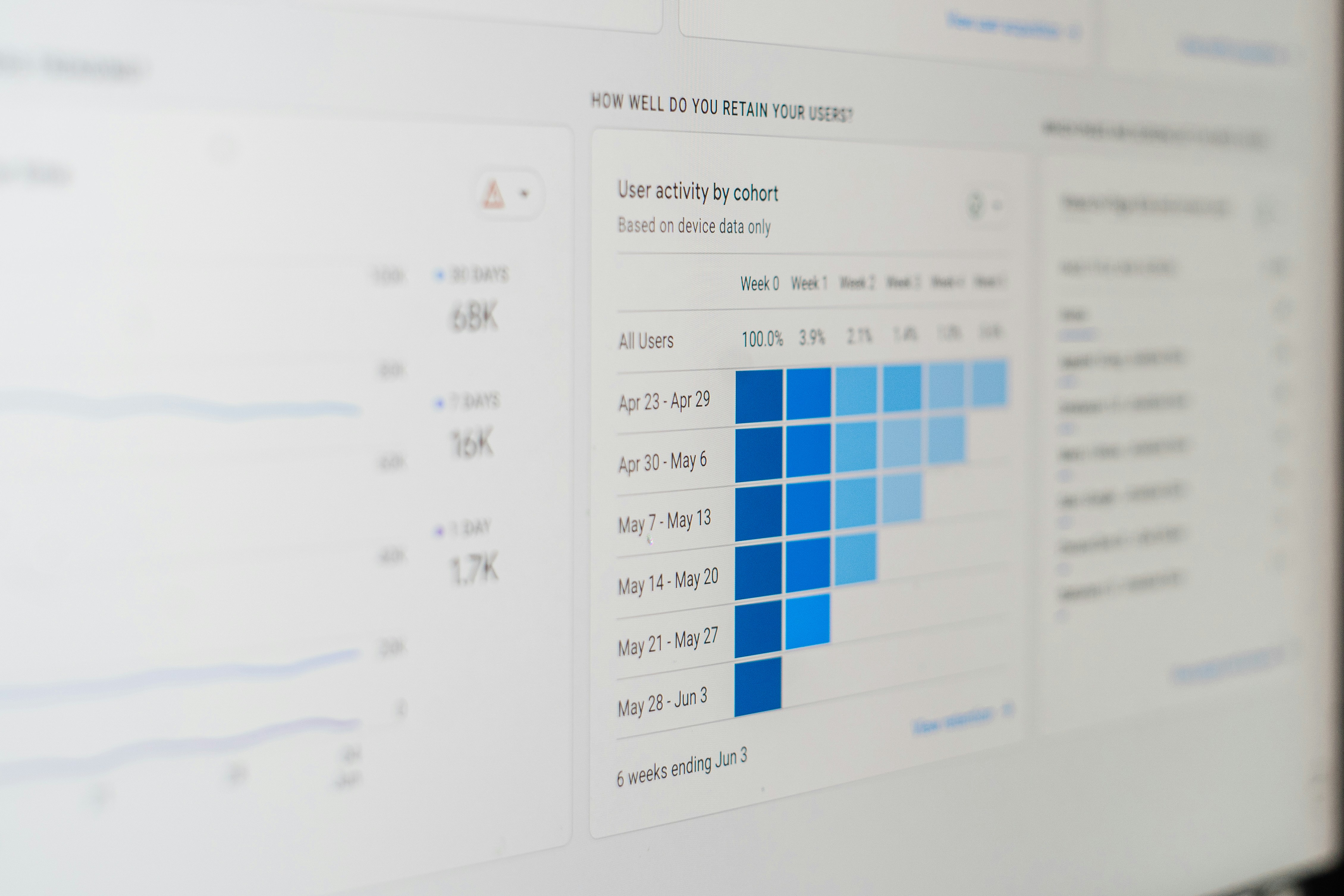
One of the primary tools to integrate with SEMrush is Google Analytics. This integration allows users to track website traffic, user behavior, and conversion rates in conjunction with their SEMrush rank tracking data. By correlating organic traffic data from Google Analytics with keyword rankings from SEMrush, marketers can assess the effectiveness of their SEO strategies, identify high-performing keywords, and make adjustments as needed. For instance, if certain keywords are driving substantial traffic but are not ranking as well in SEMrush, it may indicate a need for enhanced on-page optimization.
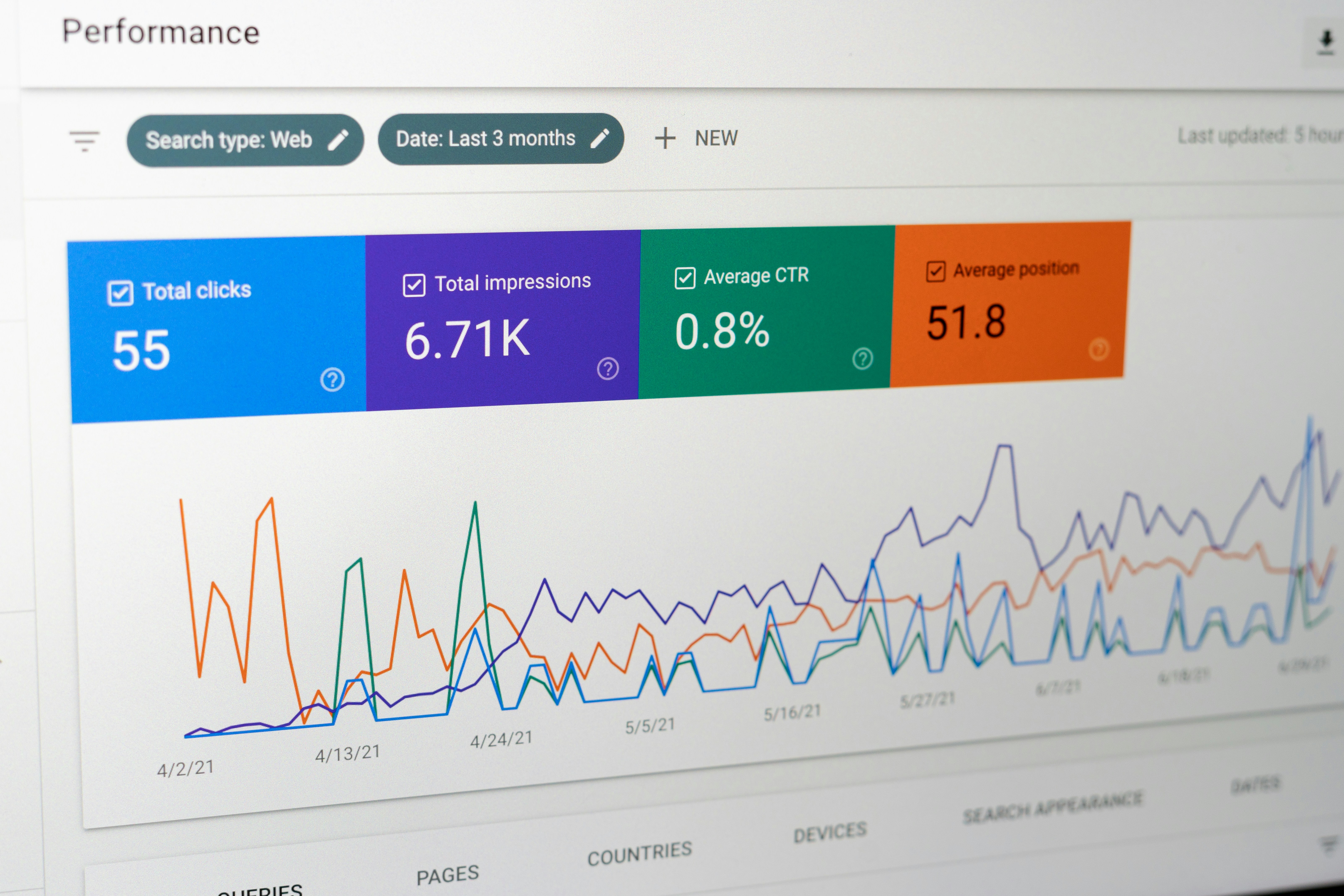
Another valuable integration is with Google Search Console. This platform provides insights into how Google crawls and indexes your site. By linking Google Search Console with SEMrush, users can access important information, such as impressions, clicks, and average positions for specific queries. This combination of data empowers digital marketers to pinpoint issues affecting site performance and improve overall visibility. Moreover, it enables the identification of trends, such as seasonal fluctuations in search traffic, leading to more strategic ranking efforts.
Lastly, utilizing Looker Studio for data visualization can transform the way you interpret SEMrush rank tracking data. With Looker Studio, marketers can create interactive and visually compelling reports that integrate data from multiple sources, including SEMrush and Google Analytics. This visualization aids in recognizing patterns and anomalies in website performance, fostering a more profound understanding of the impact of different strategies.
Incorporating SEMrush rank tracking with these tools results in a more comprehensive analysis of website performance and SEO metrics, ultimately driving better outcomes for digital marketing initiatives.
Strategies for Improving Keyword Rankings
Improving keyword rankings is a critical aspect of search engine optimization (SEO), and utilizing SEMrush rank tracking data can significantly enhance your efforts. One effective strategy is to optimize existing content by ensuring that it aligns with the keywords that users are actively searching for. Utilize the SEMrush keyword analysis tool to identify high-ranking keywords in your niche, then integrate these terms naturally into your headings, subheadings, and body text, maintaining a focus on readability and user experience.
In addition to text optimization, creating high-quality, relevant content is essential. Your content should not only include targeted keywords but also address the specific needs and pain points of your audience. Regularly update your website with fresh articles, blog posts, and guides that resonate with readers, as this can improve dwell time and engagement. This, in turn, signals search engines to rank your content higher due to its relevance and authority.
Another pivotal strategy involves backlinking. Utilize SEMrush to analyze your competitors’ backlink profiles and identify potential opportunities for acquiring links. Reach out to relevant websites and propose guest blog posts or collaborative content that naturally links back to your site. Quality backlinks from authoritative domains not only enhance your site’s credibility but also positively impact your SEMrush rank tracking efforts, ultimately leading to improved keyword rankings.
Lastly, it is crucial to monitor your competitors consistently. Use SEMrush’s competitive analysis features to identify the keywords they rank for and their content strategies. This intelligence allows you to adapt your approach, target keywords that may be underserved, and refine your content strategy accordingly. By leveraging SEMrush rank tracking data effectively, you can create a comprehensive plan to enhance keyword rankings for your website.
Common Challenges in Rank Tracking and Solutions
Tracking website rankings through SEMrush can be invaluable for optimizing digital marketing strategies, yet users often face certain challenges that can hinder their effectiveness. One of the most prominent issues is the natural fluctuation of rankings. Search engine algorithms change frequently, leading to varying positions for keywords over short periods. As a result, users may experience frustration when keywords that once ranked well suddenly drop. Understanding that rank fluctuations are normal can help users maintain perspective and adjust their strategies accordingly.
Another significant challenge is ensuring the accuracy of keyword tracking. SEMrush rank tracking utilizes sophisticated algorithms to assess keyword positions; however, discrepancies may arise because of geographic targeting, device differences, or search history personalization. To mitigate these discrepancies, users should consider utilizing the ‘Location’ and ‘Device’ settings within SEMrush. Adjusting these parameters can yield a more accurate representation of keyword performance relevant to target audiences.
Furthermore, users may encounter limitations in reporting features, which can affect how effectively they communicate performance to clients or stakeholders. The default reports may not always align with specific business objectives or metrics that a user wishes to highlight. In such cases, utilizing the customizable reporting features within SEMrush can empower users to create tailored reports that showcase their key performance indicators (KPIs). This customization can enhance decision-making and align reporting with overall marketing strategies.
Addressing these common challenges effectively allows users to unlock the full potential of SEMrush rank tracking. By understanding the nature of rank fluctuations, enhancing keyword tracking accuracy, and leveraging customizable reporting, users can improve their rankings’ oversight, ultimately contributing to more informed digital marketing efforts.
Conclusion and Next Steps
In this guide, we have explored the importance of SEMrush rank tracking, elucidating its various aspects and functionalities that can significantly enhance your digital marketing strategies. Understanding your website’s position in search engine results is crucial for making informed marketing decisions. Utilizing SEMrush rank tracking tools allows businesses to monitor their keyword rankings effectively, assess competitor performance, and identify growth opportunities within their niche.
As you embark on your journey of mastering SEMrush rank tracking, consider implementing the techniques discussed to optimize your online presence. Regular analysis of your rank tracking data can provide valuable insights that help in adjusting your strategies in real-time. Don’t forget that staying abreast of industry trends and algorithm updates can further inform your approach and ultimately lead to improved search engine visibility.
We encourage you to delve deeper into the features offered by SEMrush, such as its reporting solutions and competitive analysis tools. These resources can be essential in enhancing your SEO efforts and ensuring sustained growth in your online rankings. Moreover, we recommend exploring additional blog articles available on our website that cover various facets of digital marketing and search engine optimization.
For personalized guidance and support, feel free to visit our contact page to connect with our team of experts. They are ready to assist you in navigating the intricate world of SEMrush rank tracking and other related subjects, ensuring you have the knowledge and resources necessary for success. Your journey in mastering SEMrush starts now—take action today to improve your rank tracking efficacy and achieve your marketing objectives.