Introduction to Looker Studio and Asana
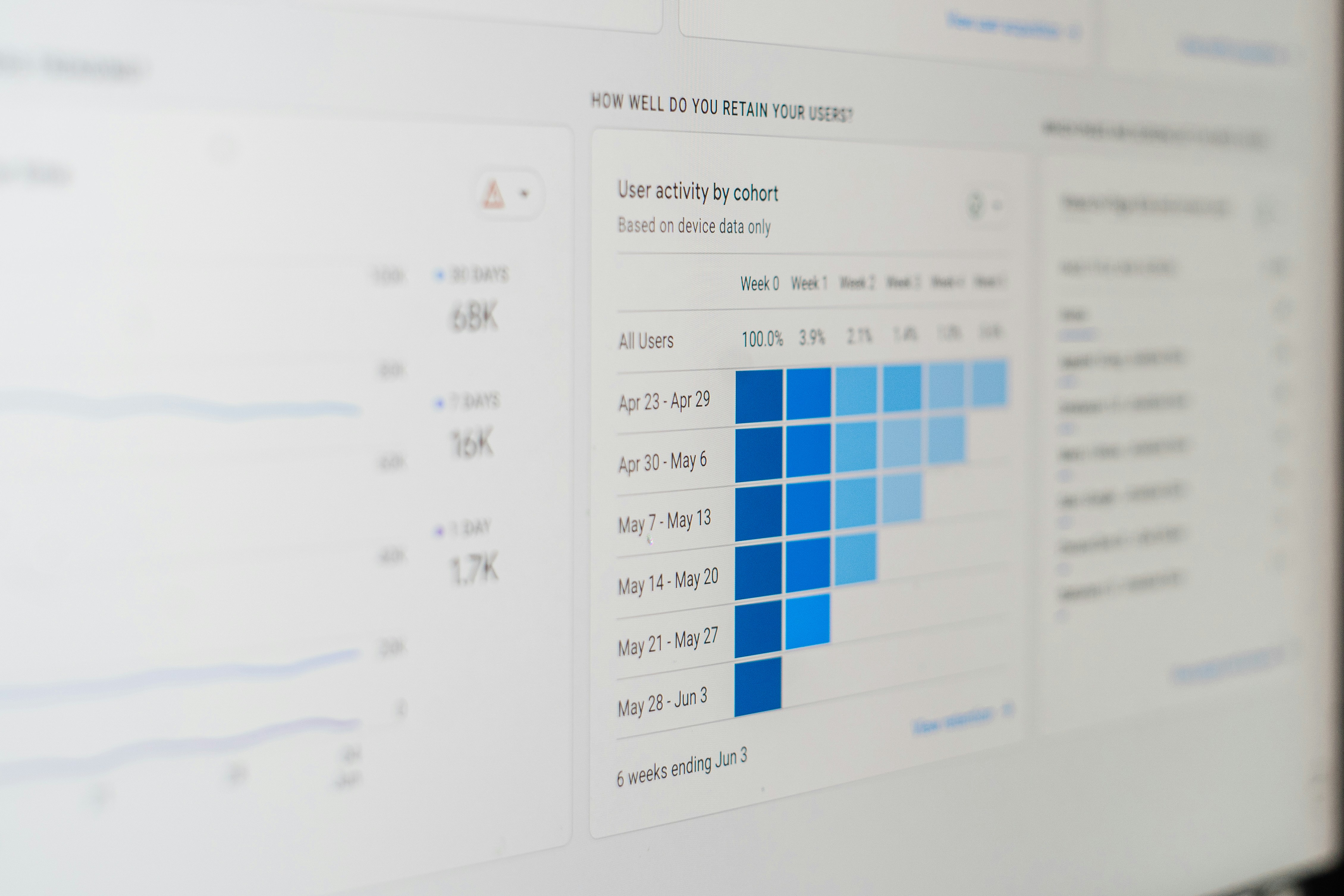
In the realm of project management, utilizing the right tools can significantly influence the efficiency and outcome of various initiatives. Looker Studio and Asana are two powerful platforms that cater to the needs of project teams looking to enhance their operational workflow and productivity. Looker Studio is a business intelligence and data visualization application designed to help organizations analyze and visualize their data in meaningful ways. With its ability to create dynamic dashboards and reports, it facilitates informed decision-making by presenting critical project metrics and KPIs in an easily digestible format.
On the other hand, Asana is a project management tool focused on task management and team collaboration. Its main aim is to help teams effectively manage their tasks, projects, and workflows. By allowing users to create and assign tasks, set deadlines, and track progress, Asana empowers teams to maintain alignment and transparency throughout their projects. Integration of Looker Studio with Asana means that both platforms can work together seamlessly, enabling teams to monitor their project performance using data analyzed and visualized in Looker Studio while managing their day-to-day operational activities in Asana.
The combination of Looker Studio and Asana not only enhances visibility into project-related data but also simplifies the management of tasks across teams. This joint functionality enables teams to quickly identify potential bottlenecks, allocate resources efficiently, and stay ahead of deadlines. Furthermore, it promotes a culture of accountability and continuous improvement by making performance metrics readily accessible. As organizations strive for agile project management practices, leveraging the strengths of tools like Looker Studio and Asana can yield significant advancements in project delivery and overall team productivity.
The Benefits of Integrating Looker Studio with Asana
The integration of Looker Studio with Asana offers numerous advantages to organizations seeking to enhance their project management efficiency. One of the primary benefits is the power of data visualization provided by Looker Studio, which allows teams to analyze project performance seamlessly. By transforming raw data from Asana into visual representations such as charts and dashboards, decision-makers can quickly identify trends, bottlenecks, and areas requiring attention, thus facilitating better informed decisions.
Moreover, when teams utilize Looker Studio in conjunction with Asana, they can achieve a higher level of task management. Asana excels in tracking tasks, setting deadlines, and assigning responsibilities, while Looker Studio enhances these capabilities by enabling users to visualize task completion rates, project timelines, and resource allocation. This dual approach empowers project managers to allocate resources more effectively and adjust timelines according to real-time data insights, ensuring that projects remain on track.
The integration also promotes increased transparency within teams. As stakeholders gain access to visualized data from Looker Studio, they can monitor project progress with greater clarity. This transparency not only fosters accountability among team members but also ensures that everyone is aligned with the project’s objectives. Clear visualization of progress can significantly enhance communication across different departments or teams, which is often a challenge in complex projects.
In summary, the synergy between Looker Studio and Asana represents a powerful tool for organizations striving to maximize project management efficiency. By leveraging the strengths of both platforms, teams can improve decision-making, enhance task management, and promote transparency, thereby achieving superior project outcomes.
Setting Up Looker Studio for Your Asana Projects
To leverage Looker Studio for tracking your Asana projects effectively, it is essential to follow a systematic approach that ensures seamless integration and insightful data reporting. The setup process begins with creating a Looker Studio account, which is a straightforward procedure requiring just an email address and a password. Once your account is established, you can connect your Asana workspace to Looker Studio.
To initiate this connection, navigate to Looker Studio’s “Data Sources” section and select “Create New Data Source.” You will find Asana listed among the available connectors. Click on it; you will need to authorize Looker Studio to access your Asana data. This step is crucial, as it allows Looker Studio to pull relevant information from your Asana projects, including tasks, deadlines, and assignees.
After connecting Looker Studio, the next step is to choose the specific data you wish to visualize. You can select various fields from your Asana projects, such as task completion rates, project progress, and team workloads. It’s advisable to focus on key performance indicators (KPIs) that align with your project goals. This tailored approach allows you to create meaningful reports that provide actionable insights.
For beginners, utilizing Looker Studio’s templates can be incredibly beneficial. These pre-designed templates offer a visual framework that can help you understand how to arrange your data effectively. Once you have your data imported and prepared, take the time to customize your reports using charts, tables, and filters to improve readability and user experience.
Finally, regularly reviewing and updating your Looker Studio dashboards based on your Asana project needs will ensure you remain focused on your objectives. Integrating Looker Studio with Asana can significantly enhance your project management efficiency when done systematically and thoughtfully.
Creating Custom Reports in Looker Studio
Creating customized reports in Looker Studio tailored to Asana project data offers substantial benefits for project management efficiency. Looker Studio provides a user-friendly interface that allows project managers to generate insightful reports that reflect the specific needs and performance metrics of their teams. One of the primary advantages is the ability to connect directly to Asana, importing relevant project data seamlessly. This integration facilitates a comprehensive overview of progress, timelines, and task assignments.
To begin crafting a custom report, users can start by selecting the data sources that reflect the Asana projects they wish to analyze. Looker Studio allows for the filtering of data based on various parameters such as project status, team member assignments, and completion rates. By utilizing these filters, managers can focus on the most pertinent information, yielding insights into project performance and allowing for better decision-making.
The visualization options provided by Looker Studio are extensive and can significantly enhance the interpretability of project data. Users can choose from various chart types, including line graphs, bar charts, and pie charts, to illustrate key performance indicators (KPIs) more effectively. These visualizations can highlight trends over time, identify bottlenecks, and showcase team productivity, ultimately leading to a more informed approach to project management.
Moreover, Looker Studio supports the customization of these reports, enabling users to create layouts and designs that align with their team’s objectives. Adding labels, titles, and annotations can clarify the insights being presented. Regularly updating these reports ensures the project team stays informed about their progress, leading to enhanced accountability and transparency. Overall, the capability to create customized reports in Looker Studio tailored to Asana data significantly aids teams in tracking their performance, identifying areas for improvement, and driving overall project success.
Real-Time Data Analysis and Visualization
In the realm of project management, real-time data analysis has emerged as a pivotal factor in determining the success of project teams. The ability to access and interpret current data can significantly influence decision-making processes, team dynamics, and overall project outcomes. Looker Studio stands out as a powerful tool that enables project managers to harness the potential of real-time insights, thereby enhancing team performance efficiently.
One of the primary advantages of utilizing Looker Studio for data visualization is its capacity to provide up-to-the-minute insights. This means stakeholders can view live data, allowing for more informed and timely decisions. In environments where project parameters can change rapidly, having immediate access to relevant information is crucial. By visualizing this data, teams can identify trends and patterns that may not be immediately obvious, prompting proactive measures to address potential issues before they escalate.
Furthermore, identifying bottlenecks within project workflows becomes easier with real-time analysis. By leveraging Looker Studio’s capabilities, project managers can monitor task completion rates, resource allocation, and blocks in real time. This predictive approach enables teams to swiftly adjust their strategies, ensuring that resources are optimally allocated to meet project goals. The visualization of data also facilitates clearer communication among team members, promoting a more collaborative work environment where everyone is informed and engaged.
Overall, integrating Looker Studio into your project management toolkit provides an innovative approach to real-time data analysis and visualization. By empowering teams with actionable insights, the tool not only boosts efficiency but also cultivates a culture of responsiveness and agility in project management practices. As projects evolve, the ability to quickly adapt based on current performance metrics is invaluable, positioning teams for greater success in their endeavors.
Best Practices for Using Looker Studio and Asana Together
To effectively leverage Looker Studio and Asana in conjunction, organizations should adopt a structured approach that enhances project management efficiency. One of the foundational practices involves scheduling regular report reviews. Establishing a routine for team members to review data and insights from Looker Studio ensures that everyone remains informed about project progress and any evolving trends. These sessions can be designed to foster collaboration, encourage feedback, and drive improvements based on analytics. By integrating insights generated from Looker Studio with Asana’s task management capabilities, teams can make informed decisions and prioritize tasks accordingly.
Another critical best practice includes providing comprehensive training for all team members. Familiarity with both Looker Studio and Asana will enable individuals to fully utilize the features of both tools. Conducting workshops or training sessions can empower team members with the knowledge required to interpret data, set relevant Key Performance Indicators (KPIs), and allocate resources more effectively. Ensuring that all users have a robust understanding of how to navigate and use these platforms fosters an environment where insights are readily translated into actionable steps.
Additionally, continuously updating project goals and KPIs is essential to maintaining alignment with the overall objectives of the organization. This practice provides a dynamic framework that allows teams to adapt to changing circumstances. By utilizing Looker Studio to analyze real-time data, project leads can regularly reassess priorities in Asana, ensuring that every task aligns with strategic goals. This alignment not only optimizes resource allocation but also enhances team morale as members can see their contributions directly impacting the project’s success. Hence, integrating these best practices ensures a seamless synergy between Looker Studio and Asana, ultimately amplifying project management efficiency.
Case Studies: Successful Implementations
Numerous organizations have effectively integrated Looker Studio and Asana, leading to remarkable improvements in project management efficiency and team collaboration. One notable case is that of a mid-sized marketing agency that struggled with tracking project progress and ensuring alignment among team members. By implementing Looker Studio for data visualization alongside Asana for task management, the agency obtained a clear visual representation of project statuses. This integration enabled real-time tracking, reducing the time spent on status meetings by 30% and increasing overall team productivity.
Another compelling example is a technology firm that faced challenges in resource allocation and project prioritization. Using Asana, the team could assign tasks based on individual capabilities and deadlines. Meanwhile, Looker Studio provided insights into historical project data, helping the firm identify bottlenecks and adjust workflows accordingly. As a result, project delivery times were reduced by 25%, and team members reported increased satisfaction due to clearer roles and expectations.
A further case study involves a non-profit organization that had difficulty managing multiple projects simultaneously. The organization adopted Asana to streamline task assignments and deadlines while leveraging Looker Studio to monitor fundraising initiatives’ performance. This dual approach allowed for better collaboration among volunteers and staff, as everyone had access to the same information regarding project statuses and fundraising goals. The organization noted a significant improvement in cross-departmental communication, leading to a 40% increase in fundraising success over the following year.
These case studies illuminate how the integration of Looker Studio with Asana can address specific challenges in project management. Organizations can overcome hurdles related to communication, resource allocation, and project tracking through data-driven decision-making and enhanced collaboration tools. This ultimately translates into amplified efficiency, timely project completions, and heightened team morale, thus showcasing the potential benefits of such integrations in various sectors.
Common Challenges and Solutions
Utilizing Looker Studio and Asana together can significantly enhance project management efficiency; however, users may encounter several challenges during integration and usage. Understanding these challenges and applying appropriate solutions can streamline the process and improve overall outcomes.
One common issue is data synchronization between Looker Studio and Asana. Users frequently report discrepancies in project status updates or task assignments due to the lack of real-time synchronization. To overcome this, it is essential to establish clear protocols for data entry and updates. Regularly reviewing data inputs and ensuring that all team members adhere to these protocols can mitigate synchronization issues. Additionally, leveraging features within both tools that prioritize real-time updates can help maintain data consistency.
Another challenge often faced is the complexity of reporting and analytics. Looker Studio offers robust analytics capabilities, but users may struggle to effectively visualize or interpret the data generated in tandem with Asana. It’s advisable to invest time in training and resources to understand Looker Studio’s features better. Utilizing templates or working with existing reports can also simplify the analytics process. Moreover, clearly defining the key performance indicators relevant to your projects can direct analytics efforts and make interpretation more straightforward.
Lastly, users may experience difficulties in task prioritization when managing multiple projects. Asana provides various ways to categorize and prioritize tasks, but without clear guidelines, teams may become overwhelmed. Establishing a framework for prioritization that aligns with project goals is crucial. Employing tags, custom fields, or colored labels to signify task urgency can also aid in visual management. Effectively communicating these priorities within the team will ensure all members are aligned and focused on the most critical tasks.
Conclusion and Next Steps
Maximizing project management efficiency using Looker Studio and Asana provides teams with a powerful combination of data visualization and task management. Throughout this blog post, we have explored how these two tools integrate seamlessly to enhance productivity, facilitate collaboration, and improve decision-making. Key takeaways include leveraging Looker Studio’s robust data analytics capabilities to gain valuable insights, while Asana enables structured task and project tracking. This combination helps project managers monitor progress in real-time, allocate resources more effectively, and identify potential roadblocks before they escalate.
For those interested in implementing Looker Studio in conjunction with Asana, the next steps involve a systematic approach. Begin by assessing your current workflow and identifying points where integration can provide the most value. Next, familiarize yourself with the functionalities of both platforms, focusing on how Looker Studio can pull in data from Asana to create insightful reports and dashboards. Taking the time to understand these tools will greatly enhance their effectiveness in your project management processes.
Furthermore, consider creating a pilot project to test the integration of Looker Studio and Asana. This allows you to experience firsthand how these tools can enhance project visibility and streamline communication among team members. As you gather insights from this test run, document best practices and lessons learned to inform future projects.
Finally, we encourage you to explore related resources available on our website. These resources provide additional guidance and tips on optimizing your project management strategy, ensuring you stay updated on the latest features and enhancements in both Looker Studio and Asana. By taking these proactive steps, you position your team for ongoing success in an increasingly complex project landscape.