Introduction to Looker Studio
Looker Studio represents a robust analytics platform, tailored specifically for data exploration and visualization. As organizations increasingly rely on data-driven decision-making, Looker Studio serves a crucial role by transforming raw data into actionable insights. This powerful tool not only enhances the accessibility of complex data sets but also empowers users to analyze trends across various metrics, ultimately facilitating more informed choices.
One of the standout features of Looker Studio is its seamless integration capabilities with a wide array of data sources, including social databases. This functionality allows businesses to collate data from multiple channels, ensuring a comprehensive view of their performance metrics. By synthesizing social media analytics with other data streams, users can gain a nuanced understanding of how their online presence influences business outcomes. The ability to connect with diverse databases enables users to create dynamic reports that reflect real-time analytics, enhancing the overall efficacy of data interpretation.
Furthermore, Looker Studio excels in data visualization, presenting information in a visually appealing and easily digestible format. Utilizing modern design principles, the platform allows users to explore data through interactive dashboards and custom visualizations. These tools not only make it easier to spot patterns and anomalies but also help convey complex information to stakeholders who may not have a technical background. By prioritizing user experience, Looker Studio ensures that even those with limited data expertise can effectively engage with their analytics.
In summary, Looker Studio is a vital asset for organizations aiming to leverage analytics to understand their performance better. Its integration with social databases further enhances its value, positioning it as a leader in the domain of data visualization and reporting.
The Importance of Analytics in Today’s Business Landscape
In contemporary business environments, analytics has emerged as a cornerstone for strategic decision-making. Organizations increasingly recognize that leveraging analytics can lead to enhanced understanding of customer behavior, operational efficiency, and market trends. The power of data-driven insights cannot be overstated, as they provide a competitive edge in rapidly evolving marketplaces.
Businesses harness a plethora of analytics tools to sift through vast amounts of data gathered from various sources, including customer interactions, sales figures, and social media feedback. This synthesis of information allows them to draw meaningful conclusions about customer preferences, and purchasing patterns. By understanding these dynamics, companies can tailor their products and services to better meet the needs of their audience, ultimately driving customer satisfaction and loyalty.
Moreover, operational efficiency can be significantly improved through data analytics. Organizations can track key performance indicators (KPIs), optimizing processes by identifying bottlenecks and areas for improvement. This allows businesses to allocate resources more effectively and streamline operations. With the integration of comprehensive analytics strategies, leaders can confidently make informed decisions that promote sustainable growth and profitability.
Another vital aspect of analytics is its predictive capabilities. By analyzing historical data, businesses can forecast market trends and anticipate customer demands. Predictive analytics enables organizations to stay ahead of the curve, allowing them to adjust their strategies proactively in accordance with anticipated changes. This forward-thinking approach is crucial for remaining relevant and competitive in today’s dynamic business landscape.
In summary, analytics has become indispensable for businesses aiming to thrive in a data-driven age. The insights derived from analytics not only inform decisions but also empower organizations to adapt quickly to shifts in consumer behavior and market conditions. As such, the adoption of effective analytical tools, such as Looker Studio Ad and various social databases, is essential for businesses seeking sustained success and growth.
Integrating Social Data in Looker Studio
Looker Studio offers robust capabilities for integrating social media data, enabling organizations to harness crucial insights from various social databases. This integration is paramount for businesses looking to understand their audience’s preferences and behaviors. By connecting social media platforms such as Facebook, Twitter, and Instagram with Looker Studio, organizations gain access to a treasure trove of data that can significantly enhance their marketing strategies.
Among the types of social databases available for integration are user engagement metrics, demographic data, and content performance analytics. These databases provide detailed information about how users interact with brand content across different social channels. For instance, Looker Studio allows companies to track likes, shares, comments, and mentions. Such metrics are essential for evaluating the effectiveness of social media campaigns and understanding customer sentiment towards products and services.
The significance of extracting social insights cannot be overstated. Comprehensive analytics derived from social media data enable businesses to identify trends and patterns that inform decision-making. By analyzing these insights, companies can tailor their marketing strategies to better align with audience expectations. Additionally, customer engagement can be enhanced through targeted advertising and personalized content, which are both made feasible by utilizing data integrated within Looker Studio.
Moreover, Looker Studio’s visualization capabilities allow businesses to present social media analytics in an easily digestible format. This functionality supports stakeholders in monitoring key metrics at a glance, fostering a data-driven approach to marketing. By leveraging these insights, companies can position themselves competitively within their sectors, ultimately driving growth and establishing stronger connections with their customer base.
Creating Effective Looker Studio Reports
Creating impactful reports in Looker Studio is a critical step in leveraging analytics for optimal decision-making. The process begins with clearly defining the objectives of the report. Understanding the target audience and their specific needs ensures that the right metrics are chosen to communicate valuable insights. This initial phase sets the stage for constructing an effective visualization that resonates with stakeholders.
When selecting the right metrics for your Looker Studio report, it is vital to focus on key performance indicators (KPIs) that align with the goals of your business or project. For instance, if evaluating a social media campaign, metrics such as engagement rates, click-through rates, and conversion rates should be prioritized. By emphasizing relevant KPIs, the report maintains clarity and drives home essential points without overwhelming the reader with excessive information.
Effective data visualization in Looker Studio can significantly enhance the storytelling aspect of your reports. Utilizing various chart types, such as bar graphs, line charts, and pie charts, helps to present data in a manner that is easily digestible. Additionally, incorporating color schemes and design elements that reflect your brand aids in creating a visually appealing presentation. Remember, the ultimate goal is to convey information succinctly, allowing viewers to draw intuitive conclusions.
Customization options in Looker Studio enable users to tailor reports for different audiences. Filters, date ranges, and interactive controls can make reports dynamic and adaptable. This capability allows stakeholders to delve deeper into analytics and explore the data at different levels. Customizing reports based on audience preferences ultimately fosters greater engagement, encouraging decision-makers to derive actionable insights from the presented social database and analytics data.
In conclusion, by following best practices for visualization, selecting pertinent metrics, and enabling customization, you can create effective Looker Studio reports that not only communicate insights but also tell a compelling story. Such reports are invaluable in today’s data-driven landscape.
Analyzing Data Trends and Patterns
In the realm of data analytics, the ability to interpret trends and discover patterns is pivotal for informed decision-making. Looker Studio provides robust tools that facilitate sophisticated analyses, including time-series analysis, cohort analysis, and segmentation techniques. Each of these methodologies serves a unique purpose in unveiling insights from the data housed within a social database.
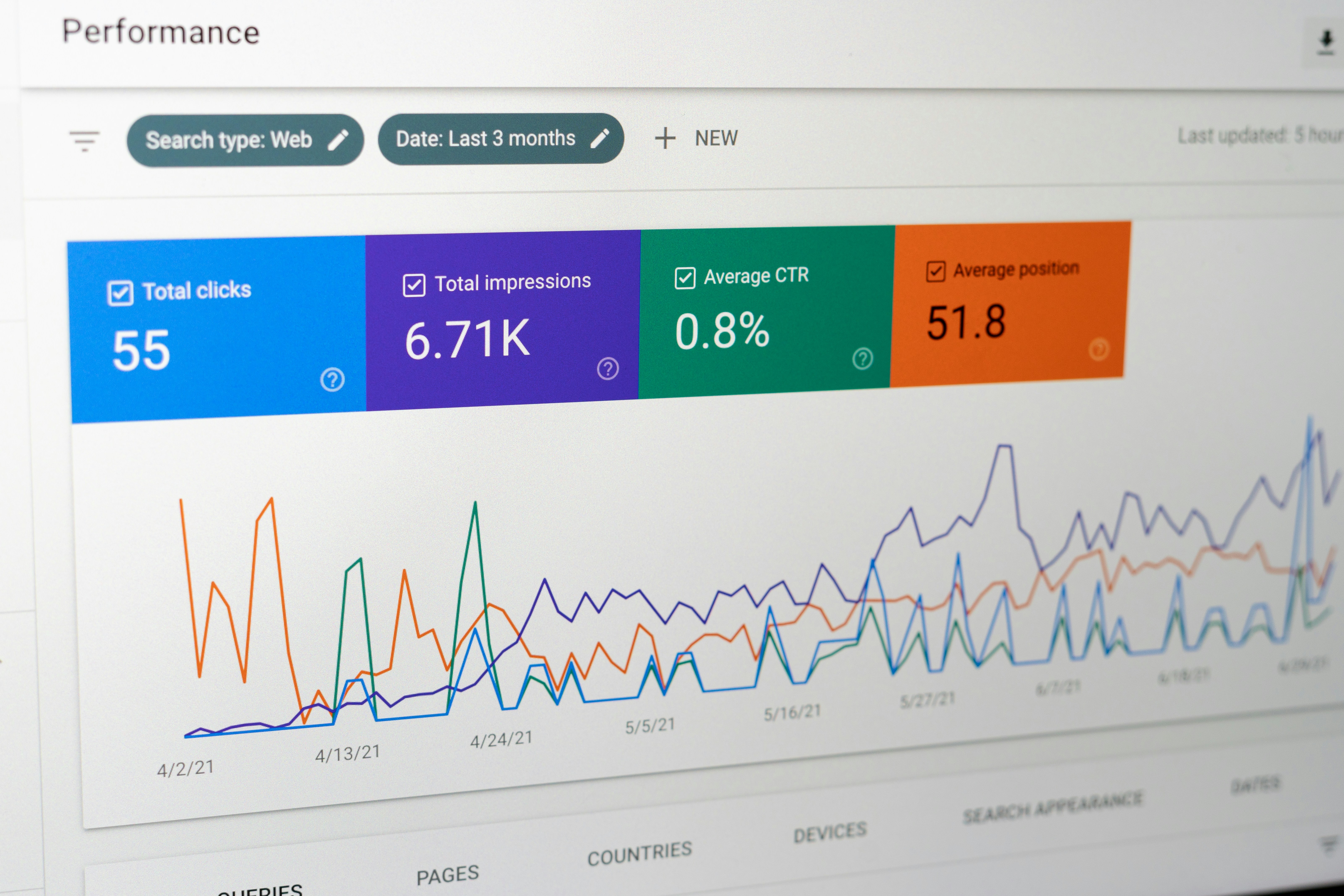
Time-series analysis allows users to assess data points collected over time, revealing underlying trends that may not be immediately apparent in static datasets. By visualizing metrics such as user engagement, sales figures, or website traffic over specific periods, analysts can detect seasonality, forecast future performance, and make data-driven predictions. Looker Studio’s interactive dashboards enable stakeholders to explore these temporal trends, thus empowering organizations to adapt strategies in real-time.
Cohort analysis is another powerful technique offered by Looker Studio, which groups data into segments based on shared characteristics. This method is particularly useful for examining user behavior, retention rates, and the effectiveness of marketing campaigns. By evaluating how different cohorts respond to various initiatives, businesses can better tailor their offerings to meet client needs. This targeted approach fosters improved customer satisfaction and enhances overall performance metrics.
Segmentation further refines the analytical process by dividing a broader audience into distinct categories based on specific attributes, such as demographics, interests, or purchasing behavior. By leveraging segmentation within Looker Studio, organizations can gain insights into how different segments interact with their products or services. Such knowledge allows for the development of customized marketing strategies and improves resource allocation for maximum effectiveness.
By employing these analytical techniques within Looker Studio, organizations can extract actionable insights from their social data, ultimately aiding strategic decision-making and fostering a competitive edge in the marketplace.
Case Studies: Successful Use of Looker Studio in Various Sectors
Looker Studio has proven to be an invaluable analytics tool across various industries, as highlighted by several case studies that showcase its effectiveness in addressing sector-specific challenges. One notable example is in the healthcare industry, where a leading hospital system faced difficulties in managing patient data. By implementing Looker Studio, the organization consolidated its social database, enabling real-time insights into patient care metrics. The outcome was significant; not only did patient satisfaction improve, but operational efficiencies increased by 20% within a year.
In the retail sector, a major e-commerce platform utilized Looker Studio to analyze purchasing trends and customer behavior. The challenge was to navigate vast amounts of transactional data and translate it into actionable insights. By employing Looker Studio’s ad-hoc reporting features, the company was able to identify peak purchasing times and popular products. Subsequently, they adapted their marketing strategies, leading to a 30% increase in online sales during seasonal promotions. The integration of Looker Studio analytics allowed them to refine their approach continuously, ensuring alignment with customer needs.
Another compelling case can be found in the education sector, where a university sought to enhance student engagement and retention rates. Utilizing Looker Studio, the institution created a comprehensive analytics dashboard that merged data from their enrollment system and student feedback surveys. This approach identified key areas of concern, such as course accessibility and faculty engagement. By directly addressing these issues through targeted strategies informed by their findings, the university saw a 15% increase in student retention over two academic years.
Overall, these case studies illustrate the versatility of Looker Studio in transforming analytics into a practical tool for strategic decision-making across sectors. The ability to seamlessly integrate diverse data sources and produce valuable insights empowers organizations to tackle unique challenges effectively, driving positive outcomes.
Common Challenges and Solutions with Looker Studio
Looker Studio, while a robust tool for data visualization and analytics, presents several challenges for users aiming to optimize their reports and leverage data effectively from diverse social databases. One prevalent issue is data integration. Many users encounter difficulties merging disparate data sources seamlessly within Looker Studio. This often stems from incompatible formats or missing data points, resulting in incomplete reports that fail to provide comprehensive insights. To address this, users should ensure that data from various sources is cleaned and structured uniformly before integration. Employing ETL (Extract, Transform, Load) processes can facilitate smoother aggregation of data, allowing for a more cohesive analytical framework.
Another significant challenge lies in report customization. Users frequently express frustration with the limitations on design and data representation options. This can hinder their ability to convey insights effectively to stakeholders. A practical solution involves leveraging Looker Studio’s extensive library of visualization tools and templates. Familiarizing oneself with these resources can enhance report aesthetics and functionality. Additionally, utilizing custom settings for chart types and layouts can provide tailored insights that resonate with specific business needs, ensuring reports are both informative and visually engaging.
Moreover, users often struggle with understanding how to utilize Looker Studio’s features fully, particularly those related to advanced filtering and query functionalities. To mitigate this, ongoing education through training sessions, tutorials, and community forums is recommended. Engaging with these resources can greatly enhance the user experience and promote a more effective use of Looker Studio for analytics. Ultimately, by proactively addressing these challenges with practical solutions, users can transform their potential roadblocks into stepping stones for achieving comprehensive social data insights.
Future Trends in Analytics and Looker Studio
The realm of analytics is continuously evolving, and emerging trends are reshaping how organizations leverage data to drive informed decision-making. One of the most significant trends is the rise of AI-driven analytics, which is enhancing the capabilities of analytics platforms like Looker Studio. By utilizing machine learning algorithms, businesses can gain deeper insights from their data sets, identifying patterns and trends that would be difficult to discern manually. This not only improves efficiency but also empowers organizations to make predictive analyses, enhancing their strategic initiatives.
Another critical development in the analytics landscape is the demand for real-time data analysis. Traditional data processing methods often involve substantial delays, which can hinder timely decision-making. With Looker Studio, organizations can integrate various data sources into a single platform and analyze this information in real-time. This capability is essential for businesses that operate in fast-paced environments where prompt insights can significantly impact outcomes. As a result, companies are increasingly pursuing tools that can deliver immediate results, effectively enabling them to respond to shifts in their markets swiftly.
Moreover, evolving data privacy regulations are becoming increasingly pertinent in the utilization of analytics tools. With the advent of regulations such as GDPR and CCPA, organizations are forced to rethink how they manage their social databases and customer data. Looker Studio must adapt to these changes by ensuring compliance while still providing robust analytics capabilities. Companies will need to prioritize ethical data use and transparency in their analytics practices, as consumers are becoming more aware of data privacy issues. Hence, businesses will likely invest in analytical tools that not only provide powerful insights but also safeguard their data integrity.
As we move forward, the integration of AI-driven capabilities, the quest for real-time insights, and adherence to data privacy standards will undoubtedly shape the future of analytics and impact platforms like Looker Studio significantly.
Conclusion and Further Resources
In summary, leveraging Looker Studio for analytics and social database management can greatly enhance your organization’s ability to derive meaningful insights from data. Throughout this guide, we have explored the various functionalities of Looker Studio, highlighting its capacity to integrate diverse data sources and provide a user-friendly interface for effective reporting. The tool’s capabilities allow businesses to create customized dashboards and visualizations, making it easier to distill complex data into actionable intelligence.
As organizations increasingly rely on data-driven decisions, utilizing Looker Studio ad advantages can set you apart in today’s competitive landscape. By engaging with this powerful analytics platform, businesses can optimize performance and implement strategies that are grounded in solid metrics. We encourage you to delve deeper into the resources available to expand your understanding of data analytics through Looker Studio.
For those seeking further knowledge, R.G. Gupta offers a variety of resources to enhance your analytical skills. You can explore additional blogs that provide deeper insights into Looker Studio reporting and how to effectively utilize analytics to your advantage in our rapidly evolving digital environment. Additionally, our website features contact information for personalized consultations, enabling tailored guidance to better suit your analytical needs. We invite you to reach out and discover how Looker Studio can revolutionize your approach to data and foster a deeper understanding of your organizational metrics.