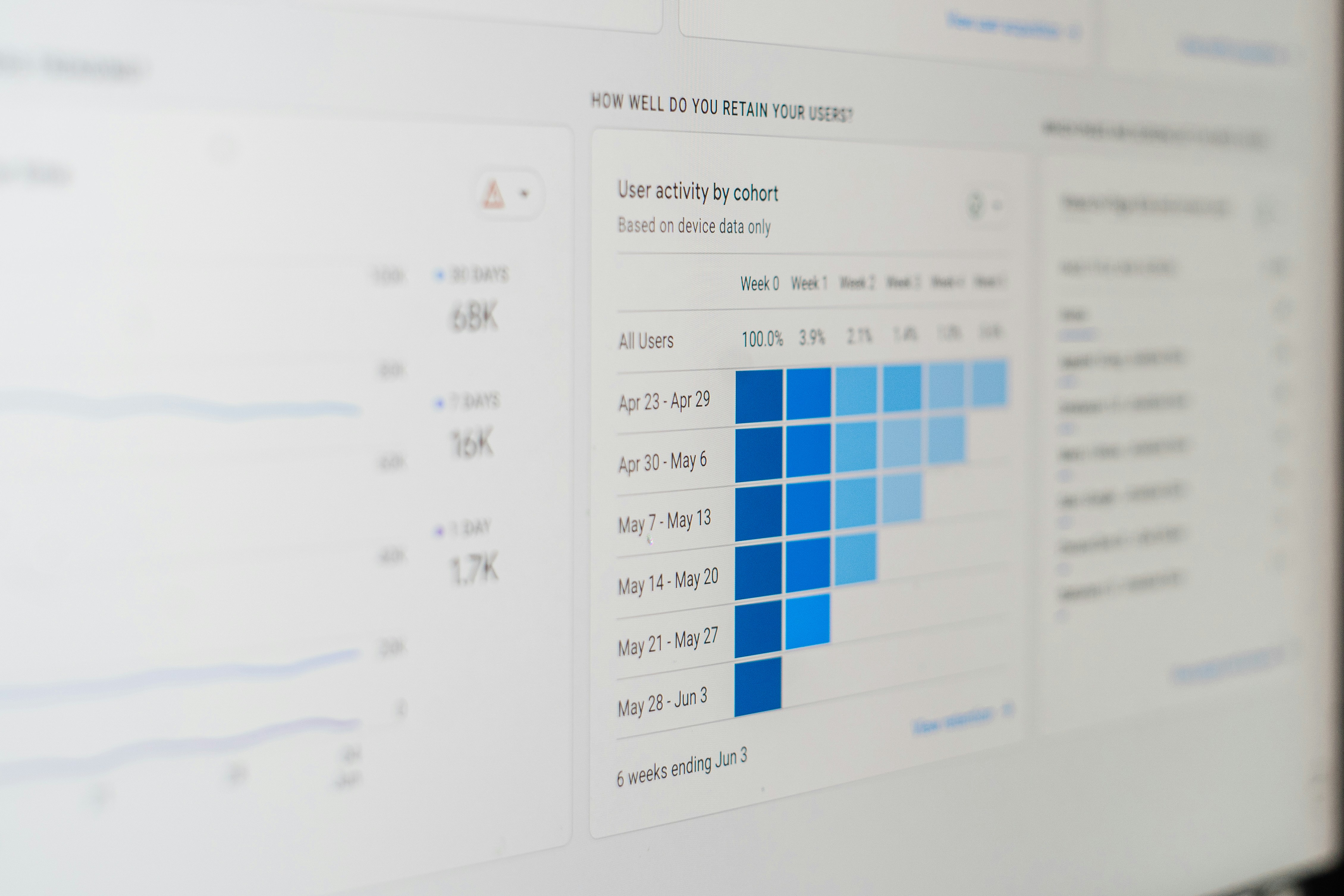
Introduction to Looker Studio
Looker Studio is a powerful data visualization tool designed to enable businesses and data analysts to effectively analyze and represent complex data sets. Its primary purpose is to transform raw data into insightful, interactive reports and dashboards that facilitate better decision-making across organizations. By providing a user-friendly platform, Looker Studio allows both technical and non-technical users to explore data intuitively, making it a valuable asset for organizations looking to gain a competitive advantage through data-driven insights.
One of the main features of Looker Studio is its ability to create customizable reports and dashboards that cater to specific business needs. Users can easily connect various data sources such as databases, spreadsheets, and cloud services, allowing for a comprehensive view of their data landscape. The platform supports a range of visualizations, allowing users to represent data in formats that are easy to understand. This includes charts, graphs, and geographic maps, each designed to present data insights clearly and effectively.
In addition to its robust visualization capabilities, Looker Studio provides real-time data analysis, ensuring that users have access to the most current information available. This is particularly beneficial for decision-makers who require timely insights to respond to changing business conditions. Moreover, Looker Studio fosters collaboration within teams, enabling users to share reports and insights seamlessly, further enhancing the decision-making process.
The benefits of Looker Studio extend beyond mere data visualization; it empowers businesses to harness the full potential of their data. By enabling more informed decision-making, Looker Studio contributes to operational efficiency and drives strategic growth. Organizations that adopt Looker Studio can expect to enhance their data literacy and ultimately improve their overall performance through a clearer understanding of their data narratives.
Key Features of Looker Studio
Looker Studio is renowned for its robust set of features designed to elevate data analytics and reporting. One of the standout functionalities is its real-time data reporting capability. This feature allows users to access up-to-the-minute data, enabling organizations to react swiftly to changing market dynamics. By leveraging real-time insights, businesses can make more informed decisions, which is crucial in today’s fast-paced environment.
Additionally, Looker Studio offers sophisticated data visualization tools that transform complex datasets into comprehensible visual formats. With dashboards and interactive charts, users can easily interpret data trends and patterns. The ability to customize these visualizations means that teams can tailor their reporting to suit various stakeholders, ensuring that insights are communicated effectively. This emphasis on data storytelling aids in simplifying complex analyses for broader audiences.
Collaboration tools integrated into Looker Studio further enhance its utility. Users can share reports effortlessly and work together in real-time on data projects. This cooperative environment fosters transparency and collective data-driven decision-making, allowing users to glean insights from multiple perspectives. The built-in commenting and feedback features pave the way for richer discussions around data findings.
Moreover, Looker Studio’s data integration capabilities cannot be overlooked. The application allows users to connect to a wide array of data sources, including databases, spreadsheets, and third-party applications. This flexibility means organizations can consolidate their data under one platform, improving accessibility and overall data management practices. By leveraging these powerful features, Looker Studio positions itself as an invaluable tool for those looking to maximize insights and streamline their analytics processes.
Getting Started with Looker Studio
To embark on your journey with Looker Studio, the first step is to set up your account. Visit the Looker Studio website and select the option to create a new account. You will need to provide basic information such as your email address and a secure password. Once your account is created, you can start exploring the capabilities that Looker Studio offers.
After successfully registering, the next step is connecting your data sources. Looker Studio provides support for various data integrations, allowing users to connect to different databases, spreadsheets, and other data repositories seamlessly. To do this, navigate to the data sources section of the platform, where you can select the type of data you wish to connect. For instance, you may choose Google Sheets, BigQuery, or other third-party applications that support Looker Studio integration. Follow the prompts to authenticate and authorize access to your chosen data source. This process is crucial as it lays the foundation for creating meaningful reports and dashboards.
Once your data sources are connected, familiarizing yourself with the user interface is essential. Looker Studio’s layout is designed for ease of use, showcasing a sidebar with tools and options to create visualizations and reports. Spend some time exploring the main dashboard, where you will find options to create new reports, access templates, and manage your existing projects. To create your first report, select the relevant data source and choose the visualization type that best represents your data insights. Whether you are opting for charts, graphs, or tables, Looker Studio provides the flexibility to customize these visualizations. Within a short time, you will be able to grasp the powerful functionalities of Looker Studio, enabling you to maximize your insights effectively.
Creating Effective Reports and Dashboards
Creating effective reports and dashboards in Looker Studio involves a strategic approach to data presentation. A cornerstone of success in this endeavor is the selection of appropriate visualizations. By examining the nature of the data and the insights to be communicated, you can choose from a variety of visual formats such as bar charts, line graphs, heat maps, and pie charts. Each of these options serves a specific purpose, so it is essential to align your choice with the message that needs to be conveyed. For instance, time series data is best represented through line graphs, while comparisons between categories can be effectively illustrated using bar charts.
Organizing data for clarity is another fundamental aspect of creating impactful reports. Effective dashboards should guide the viewer’s attention to critical insights without overwhelming them with excessive information. Utilizing white space effectively, grouping related data points, and maintaining a consistent color scheme can all contribute to enhancing clarity. It is advisable to keep the layout simple, ensuring that the most important metrics are prominently displayed. Prioritizing key performance indicators (KPIs) that are relevant to the audience will enhance the dashboard’s usability.
Furthermore, understanding the needs of your intended audience is crucial for developing relevant reports. Engaging stakeholders in the design process can help identify what information is most valuable to them. This could include regular updates on specific metrics, performance trends, or deeper analytics tailored for decision-making. By keeping the audience’s objectives at the forefront of the reporting process, the final product is more likely to meet their expectations and drive action.
Overall, the combination of strategic visualization choices, organized layout, and audience-focused content is essential for maximizing insights through effective reports and dashboards in Looker Studio.
Collaborating with Teams in Looker Studio
Effective collaboration is a vital aspect of any data project, and Looker Studio provides a comprehensive set of features that facilitate teamwork among users. The platform allows teams to work together seamlessly on data analysis and visualization projects, ensuring that insights are shared and leveraged to enhance decision-making. One of the primary collaboration features within Looker Studio is its ability to support real-time editing. Multiple users can access the same report or dashboard simultaneously, making it easier to brainstorm and refine visuals without the delays associated with traditional file-sharing methods.
Another essential capability is the commenting function, which enables team members to leave feedback directly on specific segments of a report. This functionality allows for clear and contextual discussions about data findings, fostering a communicative environment. Users can tag colleagues in comments to draw attention to particular insights or to ask questions, ensuring that all relevant parties are kept in the loop. The integration of this commenting system effectively minimizes miscommunication and enriches the collaborative process.
Furthermore, Looker Studio supports sharing functionalities that enable teams to distribute their reports and dashboards securely. Teams can control access levels, determining who can view or edit particular datasets, which is crucial for maintaining data integrity and security. By efficiently managing permissions, organizations can ensure that sensitive data is only accessible to authorized users while facilitating broad access to non-sensitive insights among other stakeholders.
In summary, Looker Studio’s collaboration tools empower teams to work together more effectively, streamline communication, and enhance the overall workflow. By leveraging these features, organizations can maximize their insights from data projects, leading to better-informed decisions and a cohesive team environment.
Advanced Features and Customizations
Looker Studio offers a range of advanced features that extend its capabilities beyond standard reporting and analytics, significantly enhancing data visualization and user experience. One of the core features is data modeling, which allows users to define the relationships between different data sets. This enables the creation of complex, multi-dimensional reports that provide deeper insights into the underlying data. By establishing a robust data model, users can ensure that their visualizations reflect accurate, relevant, and meaningful information, making data-driven decisions more effective.
Another notable functionality within Looker Studio is the use of custom calculations. This feature grants users the flexibility to create tailored metrics that suit their specific analytical needs. Whether summing values, calculating averages, or generating advanced statistical measures, custom calculations facilitate a personalized approach to data analysis. This customization empowers users to derive insights that align with their business objectives, thus enhancing the value of the reports generated.
Integrating APIs within Looker Studio further enriches its capabilities, allowing for seamless interaction with other software solutions. This interoperability enables users to pull data from various sources, automate workflows, and create a more cohesive reporting environment. By leveraging APIs, organizations can enhance their data analytics processes, ensuring that reports and dashboards are not just static representations but dynamic tools that evolve with changing user needs.
Personalization is a significant aspect of Looker Studio’s advanced features. Users have the ability to tailor dashboards and reports according to their preferences, which can boost engagement and improve usability. This capability allows stakeholders to focus on the information that matters most to them, enhancing overall user experience and fostering data-driven decision-making. By embracing these advanced features and customizations, organizations can maximize the insights derived from their data, leading to more informed strategies and outcomes.
Integrating Looker Studio with Other Tools
Integrating Looker Studio with various tools is crucial for enhancing data analysis capabilities and obtaining comprehensive insights. One of the primary integrations is with Google Analytics, which allows users to visualize web traffic data more effectively. With this integration, businesses can link their website metrics directly to Looker Studio, enabling the creation of tailored dashboards that reflect real-time performance insights. This dynamic interaction aids users in making data-driven decisions, optimizing marketing strategies, and understanding user behavior.
Another significant integration available is with Google Ads. By connecting Google Ads to Looker Studio, users gain the ability to analyze advertising performance.This functionality enables marketers to assess the effectiveness of their ad campaigns through a detailed view of metrics such as clicks, conversions, and ROI. Using Looker Studio’s customizable reports, businesses can visualize their ad spend in relation to business outcomes, providing clarity on which areas yield the best results and informing future advertising efforts.
Customer Relationship Management (CRM) systems, such as Salesforce, also present a valuable integration opportunity. By linking Looker Studio with a CRM system, organizations can amalgamate customer data with their analytical frameworks. This provides a holistic view of customer interactions and helps track sales performance, customer engagement, and other pertinent metrics. Furthermore, such integrated data can be utilized to identify trends, forecast long-term customer behavior, and ultimately enhance customer satisfaction.
The advantages of integrating Looker Studio with these tools are manifold. Not only do these integrations improve efficiency in data management, but they also facilitate easier collaboration among teams. Enhanced access to live data enables stakeholders to communicate insights quickly and uniformly, supporting a culture of data literacy across the organization.
Case Studies: Successful Use Cases of Looker Studio
Looker Studio has established itself as a pivotal tool for organizations aiming to harness data effectively. Various industries have successfully implemented Looker Studio to enhance their operations, drive strategic decision-making, and improve overall performance. In the healthcare sector, a notable case involved a large hospital network that utilized Looker Studio to streamline patient data analysis. By integrating various data sources into a single dashboard, healthcare administrators could attain real-time insights on patient care metrics and resource allocation, leading to improved patient outcomes and operational efficiency.
In the retail industry, a well-known fashion retailer adopted Looker Studio to optimize its supply chain. By leveraging Looker’s data visualization capabilities, the retailer could identify trends in inventory turnover and demand forecasting. This implementation significantly reduced excess stock and ensured that popular items were always available, resulting in a noticeable increase in sales and a better customer experience. The ability to visualize complex data sets allowed the leadership team to make informed decisions quickly, responding adeptly to changing market conditions.
Additionally, a financial services company turned to Looker Studio for its data analytics needs. They established a centralized reporting system powered by Looker’s capabilities, enabling them to analyze market trends and customer behavior. The insights gained from this implementation allowed the company to tailor its product offerings, ultimately increasing customer satisfaction and retention rates. Looker Studio proved indispensable in transforming data into actionable insights, thus fostering a culture of data-driven decision-making across the organization.
These case studies exemplify the transformative impact that Looker Studio can have across different sectors. Companies that leverage Looker Studio not only achieve significant operational improvements but also empower their teams to make informed decisions based on reliable data analytics.
Getting Help and Support for Looker Studio
Finding assistance and support for Looker Studio is crucial for users aiming to maximize their experience with this powerful tool. Looker Studio offers a variety of resources designed to support users at all levels of expertise, from beginners to advanced users. One of the primary sources of help is the official documentation provided by Looker. This comprehensive resource contains detailed articles, guides, and tutorials that cover a wide range of topics, ensuring users understand how to utilize the platform effectively.
In addition to the documentation, Looker Studio promotes an active community forum where users can engage with other Looker enthusiasts. This forum not only facilitates the sharing of knowledge but also allows users to post queries and receive feedback from peers who may have faced similar challenges. Participating in community discussions can enhance one’s understanding of Looker and provide insights into best practices.
Furthermore, Looker provides several support channels for users seeking personalized assistance. Depending on the nature of the issue, users can reach out via email support or through dedicated contact forms available on the Looker website. For organizations utilizing Looker on a larger scale, there are options for premium support, offering expedited responses and dedicated account management to ensure seamless operation.
For those who require immediate assistance or have urgent inquiries, the accessibility of these support resources is invaluable and emphasizes Looker Studio’s commitment to customer success. By leveraging these tools, users can troubleshoot problems, expand their knowledge base, and ultimately maximize their use of Looker Studio, thereby enhancing their data analysis capabilities. Users are encouraged to explore these resources and reach out as needed to ensure a smooth experience with Looker Studio.