Introduction to Looker Studio and LinkedIn Ads
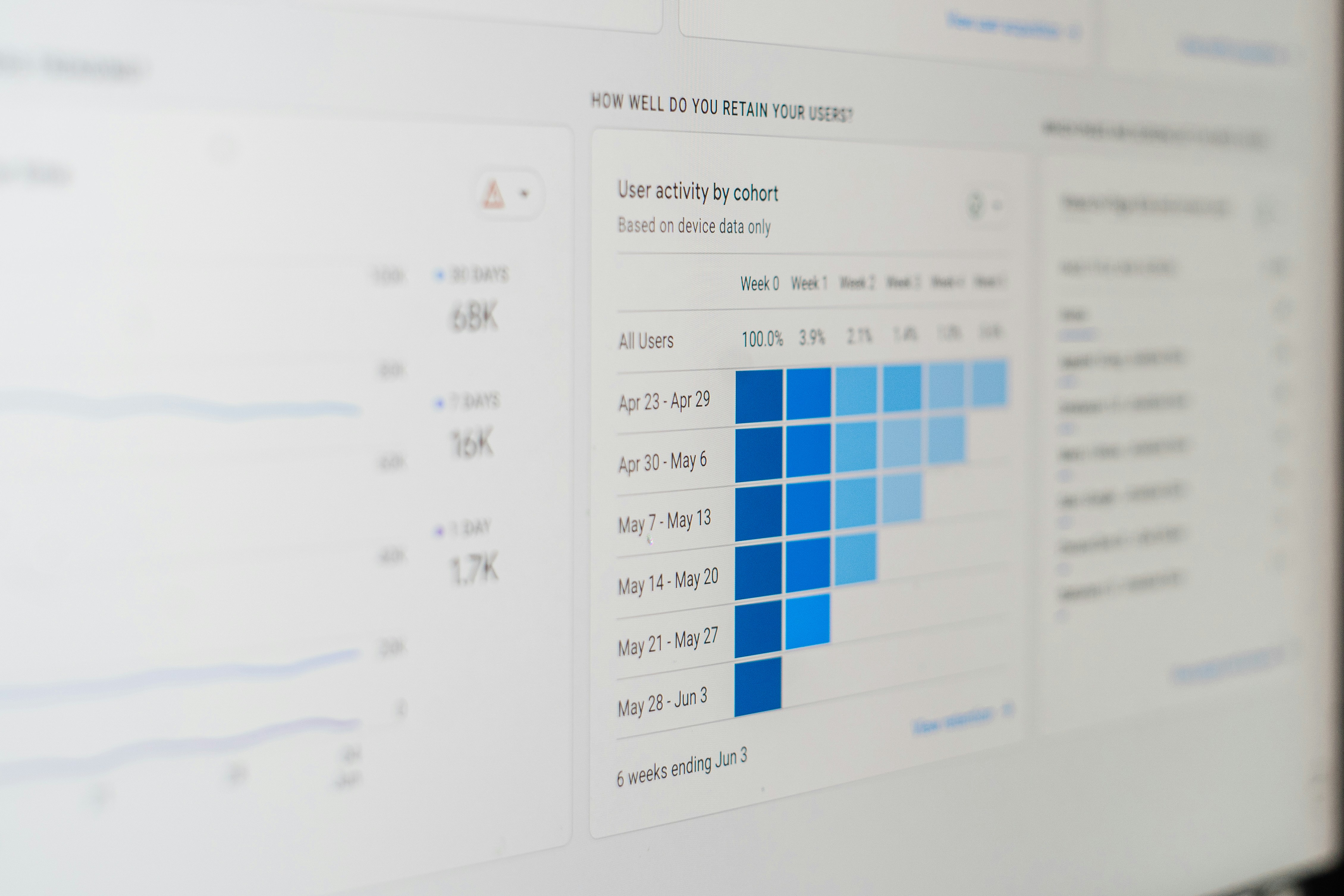
In the competitive landscape of digital marketing, leveraging data analytics is crucial for success, especially when utilizing platforms like LinkedIn Ads. Looker Studio emerges as a powerful tool in this realm, providing marketers with the ability to visualize and analyze data effectively. This integration not only enhances the performance of LinkedIn ad campaigns but also enables users to make informed decisions based on real-time insights.
Looker Studio serves as a comprehensive analytics platform that facilitates data exploration and visualization. By utilizing Looker Studio, marketers can connect diverse data sources, including LinkedIn Ads, to create detailed reports that highlight key performance indicators (KPIs). Understanding these metrics is fundamental to crafting strategies that yield better conversion rates and optimized ad spend. The ability to track metrics such as impressions, clicks, and engagement levels allows marketers to delve deep into the performance of their LinkedIn Ads and adjust their strategies accordingly.
Moreover, the relevance of Looker Studio in the context of LinkedIn Ads cannot be overstated. LinkedIn, being a highly professional and targeted advertising platform, necessitates precise data analysis to harness its full potential. With Looker Studio, users can create customized dashboards that visualize LinkedIn ad performance in a manner that is easily digestible. This aspect is particularly beneficial for marketers seeking to convey insights to stakeholders or team members without overwhelming them with raw data.
As the digital advertising landscape continues to evolve, the integration of Looker Studio with LinkedIn Ads represents a strategic approach to data management and campaign optimization. This combination allows marketers to not only track their efforts but to also forecast future outcomes, thereby leading to more informed advertising decisions. Understanding the synergy between Looker Studio and LinkedIn Ads is pivotal in setting the foundation for successful campaigns.
Understanding LinkedIn Ads: Types and Objectives
LinkedIn Ads provide businesses with various formats and strategies to reach their target audience effectively. Among the most prominent types of ads are Sponsored Content, Message Ads, and Dynamic Ads. Each format is designed to serve different marketing objectives and cater to varied audience engagement strategies.
Sponsored Content is one of the most widely used ad types on LinkedIn. It allows businesses to promote their posts directly within the LinkedIn feed, enhancing the visibility of their content among the target demographic. This form of advertising can take the shape of articles, videos, or images, and is particularly effective for brand awareness and lead generation. Businesses using Sponsored Content often aim to drive user engagement by sharing valuable insights or industry-related information.
Message Ads represent another engaging format that captures user attention by delivering personalized messages directly to LinkedIn inboxes. This type appeals to businesses focusing on relationship-building, as it allows for a more direct communication approach. For instance, a company may utilize Message Ads to invite potential clients to an exclusive webinar, with the intent of fostering connections and generating leads.
Dynamic Ads are another innovative advertising option on LinkedIn, leveraging user profile data to create customized advertisements. Dynamic Ads can include features like follower growth campaigns that encourage users to follow a company page, directly contributing to community building and engagement. Businesses can use these ads to enhance brand recognition and establish a stronger presence on the platform.
Overall, the objectives behind utilizing LinkedIn Ads can vary widely. Promotional campaigns could focus on enhancing brand awareness, generating leads, or fostering direct customer engagement. Understanding the nuances of each ad type and their corresponding objectives is a foundational step for any marketing strategy aimed at maximizing the impact of LinkedIn Ads through Looker Studio.
The Importance of Data in Advertising
In today’s fast-paced digital landscape, leveraging data to inform advertising strategies is paramount for achieving success. Data-driven decision-making enables marketers to comprehend the intricacies of their target audience, optimize campaign performance, and enhance overall return on investment (ROI). Specifically, in the realm of LinkedIn ads, harnessing data through tools like Looker Studio can significantly impact the efficacy and outcomes of marketing initiatives.
One of the crucial advantages of a data-centric approach is the ability to analyze user engagement metrics. Such metrics reveal valuable insights regarding how potential customers interact with ads, which formats resonate best, and which calls to action lead to conversions. Understanding these dynamics allows marketers to make informed adjustments, refine targeting strategies, and allocate budgets more effectively. These enhancements translate into improved ad performance on platforms like LinkedIn, where audience targeting is a key feature.
Moreover, data plays a vital role in measuring the success of advertising campaigns. By analyzing key performance indicators (KPIs), marketers can ascertain the effectiveness of their campaigns in real-time. This monitoring process facilitates timely adjustments, ensuring that strategies remain aligned with evolving audience preferences. Looker Studio enhances this aspect by providing a comprehensive view of data analytics, enabling marketers to visualize trends and performance metrics at a glance.
Additionally, the utilization of Looker Studio for data integration and visualization allows marketers to track ROI effectively. By linking ad spend to measurable outcomes, businesses can determine the financial viability of their LinkedIn ads. This insight not only guides future investments but also fosters a culture of accountability and strategic planning within organizations. As such, embracing data as a central element of advertising not only drives success but also positions businesses to gain a competitive edge in the digital marketplace.
Connecting LinkedIn Ads Data to Looker Studio
Integrating LinkedIn Ads data into Looker Studio is a robust way to enhance your advertising insights and analytics capabilities. This process enables advertisers to visualize performance metrics, streamline reporting, and refine strategies based on actionable data. The first step in this integration journey is to ensure that your LinkedIn Ads account is properly set up and that you have access to the necessary permissions to retrieve data.
Once access is confirmed, you can proceed to include LinkedIn Ads data sources into Looker Studio. You will typically start by selecting “Create” from the home screen of Looker Studio. From there, opt to connect to a data source and search for LinkedIn Ads as an available option. Each data source comes with specific requirements, including authentication credentials, which must be securely provided to establish a connection.
Accurate data collection is paramount in this process. Ensure that all relevant campaigns, ad sets, and performance metrics from LinkedIn Ads are being pulled into Looker Studio. This not only provides a comprehensive view of your advertising performance but also enhances reporting accuracy. Utilizing connectors that aggregate data across multiple campaigns can significantly streamline this phase. Depending on your organization’s requirements, you might also need to customize data fields or create calculated metrics to better suit your reporting needs.
After establishing the connection, it’s crucial to develop methodologies for regularly syncing LinkedIn Ads and Looker Studio. This can often include setting up automated data refresh intervals to ensure your reports display the latest metrics. By maintaining a continuous flow of data, you can consistently assess the effectiveness of your LinkedIn Ads campaigns, leading to informed decision-making and optimized advertising strategies.
Creating Custom Reports in Looker Studio
Building custom reports within Looker Studio for LinkedIn Ads is essential for gaining insights into campaign performance and making informed decisions. The first step in this process involves selecting the key performance indicators (KPIs) that align with your advertising goals. Common KPIs for LinkedIn Ads include click-through rates (CTR), conversion rates, engagement metrics, and cost per conversion. By focusing on these metrics, marketers can evaluate how effectively their ads reach and resonate with the target audience.
Once you have identified the KPIs, the next step is to design a dashboard that effectively communicates this information. Looker Studio offers a range of customization options to help organize data in a user-friendly manner. It is advisable to group related metrics together, allowing stakeholders to easily compare performance over time or against set benchmarks. A well-structured dashboard will provide a high-level overview, while also permitting deeper dives into specific areas of interest.
Utilizing various visualizations is also vital when creating reports in Looker Studio for LinkedIn Ads. Graphs and charts can illustrate trends and comparisons, making data interpretation more intuitive. For instance, a bar chart could show the performance of different ads side by side, while line graphs might be used to depict performance trends over time. Effective use of visual elements not only enhances understanding but also helps in storytelling with data, ensuring that insights are conveyed clearly and compellingly.
Employing Looker Studio’s filter options will further refine data presentation. Filters allow users to segment data based on demographic criteria or geographical locations, enabling a more detailed analysis of LinkedIn Ads performance. By following these guidelines, users can create tailored reports in Looker Studio that provide valuable insights into their LinkedIn advertising strategies, ultimately aiding in achieving better outcomes from their campaigns.
Analyzing Campaign Performance with Looker Studio
When leveraging Looker Studio for analyzing LinkedIn Ads campaign performance, the first step involves setting clear objectives. This process begins with identifying key performance indicators (KPIs) that align closely with your business goals. Common KPIs for LinkedIn Ads include click-through rates (CTR), conversion rates, and cost per acquisition (CPA). By effectively integrating these metrics into Looker Studio, marketers can create comprehensive dashboards that provide a visual representation of campaign performance.
Once the necessary data is populated into Looker Studio, it becomes crucial to interpret the results accurately. This involves regularly examining the metrics displayed in the dashboard and understanding what they signify concerning the campaign objectives. For instance, if the CTR is lower than expected, it may indicate that the ad creative isn’t resonating with the target audience, or perhaps the targeting parameters need adjustment. Looker Studio facilitates this analysis by permitting users to filter data and drill down into specific audience demographics, ensuring a focused evaluation.
Additionally, identifying trends over time can provide valuable insights into your LinkedIn Ads strategies. Looker Studio offers the capability to create time-series analyses, allowing marketers to visualize how metrics fluctuate across different periods. Monitoring these trends helps identify successful periods for the ads, which can inform optimal timing for future campaigns. Furthermore, it is essential to compare campaigns to ascertain what strategies yielded the best results. This comparative analysis can unveil effective practices that should be replicated or areas that necessitate improvement.
In conclusion, utilizing Looker Studio to analyze LinkedIn Ads campaign performance involves a systematic approach to data interpretation and trend identification. By focusing on the relevant KPIs and leveraging Looker Studio’s capabilities, marketers can derive insights that are instrumental in refining and optimizing future ad strategies.
Best Practices for Optimizing LinkedIn Ads
In the realm of digital marketing, optimizing LinkedIn ads through data-driven insights is critical for achieving effective campaign results. Utilizing Looker Studio can significantly enhance your ad strategy by providing in-depth analysis and recommendations based on your performance data. One of the foremost practices in optimizing LinkedIn ads is A/B testing. This involves creating two or more variations of your ads to determine which performs better based on engagement metrics. By systematically testing different headlines, visuals, and calls to action, marketers can leverage Looker Studio to analyze outcomes and make informed decisions on the most effective components of their LinkedIn ads.
Another essential aspect is audience targeting. Looker Studio allows marketers to gain valuable insights into their audience demographics, behaviors, and preferences. Tailoring ads to specific audience segments enhances the chances of engagement and conversions. Effective use of LinkedIn’s audience targeting features, combined with data from Looker Studio, ensures that your ads reach the most relevant users, amplifying the impact of your marketing efforts.
In addition to audience targeting, implementing ad variations is a best practice that can greatly improve campaign engagement. With the insights gained from Looker Studio, marketers can create multiple ad variations to attract diverse audience segments. This strategy not only diversifies your content but also helps in identifying which messages resonate best with different target groups.
Finally, adjusting bid strategies is crucial for maximizing the effectiveness of LinkedIn ads. Through the analytics provided by Looker Studio, marketers can evaluate the performance of their current bids and make necessary adjustments to optimize ad spend. By closely monitoring cost per click and conversion rates, organizations can refine their financial strategy to achieve the best return on investment.
Case Studies: Success Stories Using Looker Studio with LinkedIn Ads
In the realm of digital marketing, particularly with LinkedIn Ads, data-driven decisions are paramount. Looker Studio has emerged as an invaluable resource for many organizations striving to optimize their advertising strategies. By examining notable case studies, we can glean insights into how various businesses leveraged Looker Studio to enhance their LinkedIn Ads performance, addressing challenges head-on and reaping measurable benefits.
One exemplary case involves a B2B technology firm that struggled with low engagement rates on their LinkedIn campaigns. After integrating Looker Studio into their analytics processes, they discovered that their targeting strategy was misaligned with their ideal customer profiles. By using Looker Studio’s advanced data visualizations, they identified key segments that were previously overlooked. Adjusting their LinkedIn Ads to focus on these new audiences led to a remarkable 40% increase in click-through rates within three months.
Another notable case is a recruitment agency that faced difficulties in tracking conversions from their LinkedIn Ads. By employing Looker Studio, they were able to consolidate various data sources into a single dashboard, allowing for real-time performance monitoring. This comprehensive visibility enabled the agency to refine its ad copy and imagery. As a result, the agency reported a 25% increase in qualified leads attributed directly to their enhanced LinkedIn Ads strategy, demonstrating the potency of data integration.
Finally, a financial services company utilized Looker Studio to analyze campaign performance metrics across multiple LinkedIn Ads. They implemented A/B testing based on the insights gained, which guided them to shift budget allocations toward the best-performing ads. This strategic approach not only improved their return on investment but also enhanced their overall engagement metrics by 60% over a six-month period.
These case studies underline the significance of Looker Studio in refining LinkedIn Ads campaigns. By harnessing its capabilities, businesses can turn challenges into opportunities, translating data into actionable strategies that yield significant results.
Conclusion and Further Resources
In conclusion, the integration of Looker Studio and LinkedIn Ads presents a powerful opportunity for marketers looking to enhance their advertising strategies. Throughout this guide, we have explored the ways in which Looker Studio can optimize the measurement and analysis of LinkedIn Ads performance. By leveraging data visualization features within Looker Studio, organizations can derive meaningful insights and make informed decisions to improve campaign outcomes.
The synergy between Looker Studio and LinkedIn Ads is evident in several key areas. First and foremost, the ability to generate comprehensive, customizable reports allows marketers to track important metrics and KPIs closely. This level of transparency fosters a deeper understanding of what works best in engaging the target audience, ultimately driving better results. Additionally, Looker Studio’s capacity to integrate various data sources enhances the effectiveness of LinkedIn Ads by enabling marketers to see the bigger picture of their advertising efforts.
For those looking to expand their knowledge and skills further, I encourage you to explore additional resources. Consider visiting my website, where I regularly publish content related to Looker Studio and LinkedIn Ads strategies; this could provide you with fresh insights and tactics to implement in your own campaigns. Additionally, various online tutorials and forums are available dedicated to both Looker Studio analytics and LinkedIn advertising best practices. By leveraging these resources, marketers can stay ahead of trends and continue optimizing their LinkedIn Ads performance.
By combining the analytical prowess of Looker Studio with the targeted capabilities of LinkedIn Ads, businesses can enhance their advertising efforts and achieve measurable growth. Take advantage of these tools to elevate your marketing strategies and drive meaningful engagement with your audience.