Introduction to Looker Studio and QuickBooks
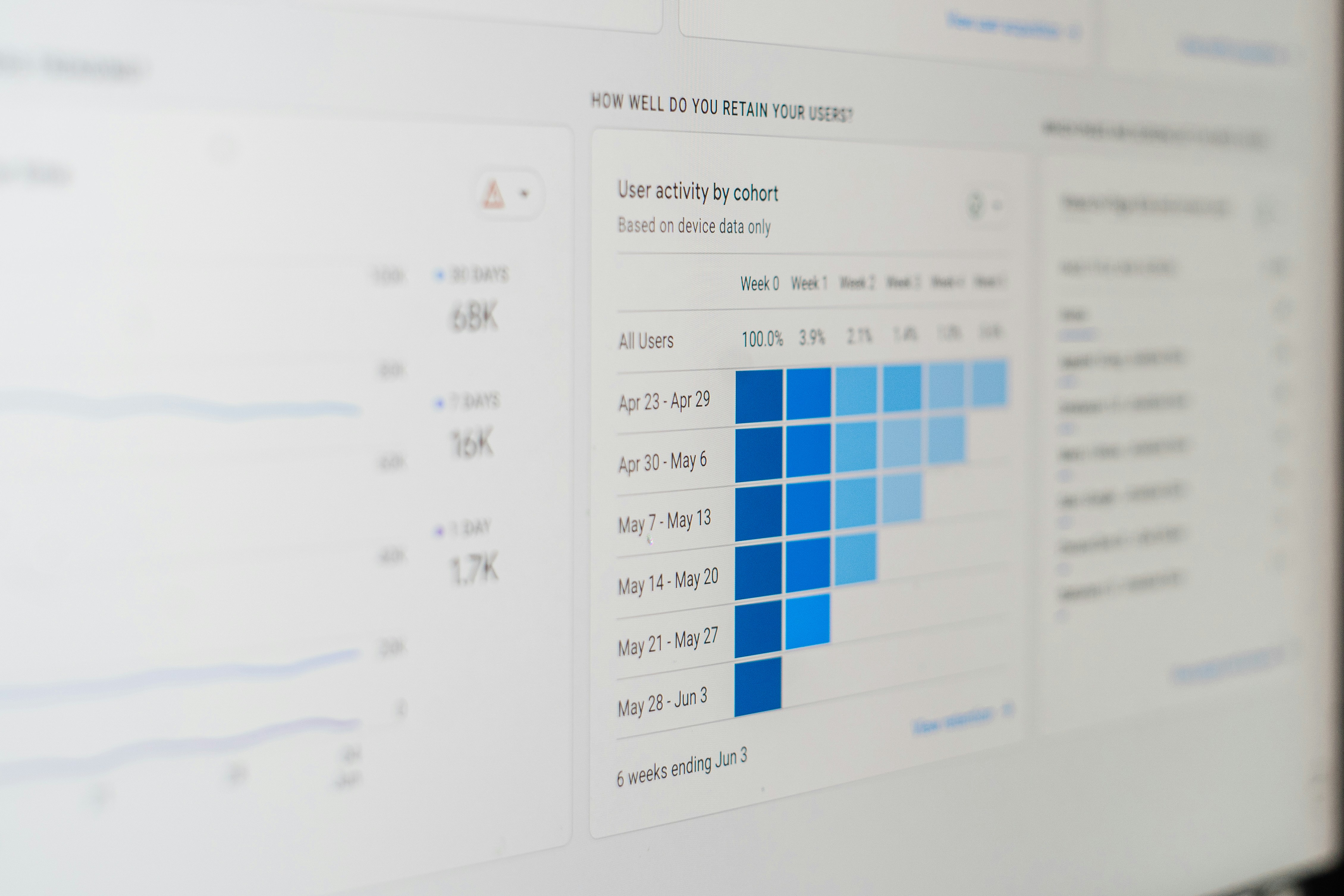
Looker Studio, a powerful data visualization and reporting tool, empowers businesses to turn their raw data into insightful visuals and interactive dashboards. It offers users the ability to create comprehensive reports that provide deep insights into their operations. By utilizing Looker Studio, businesses can easily identify trends, monitor key performance indicators (KPIs), and make data-driven decisions. The platform is designed to facilitate collaboration among teams, enhance business intelligence operations, and streamline reporting processes, making it an essential tool for any organization aiming for effective data management.
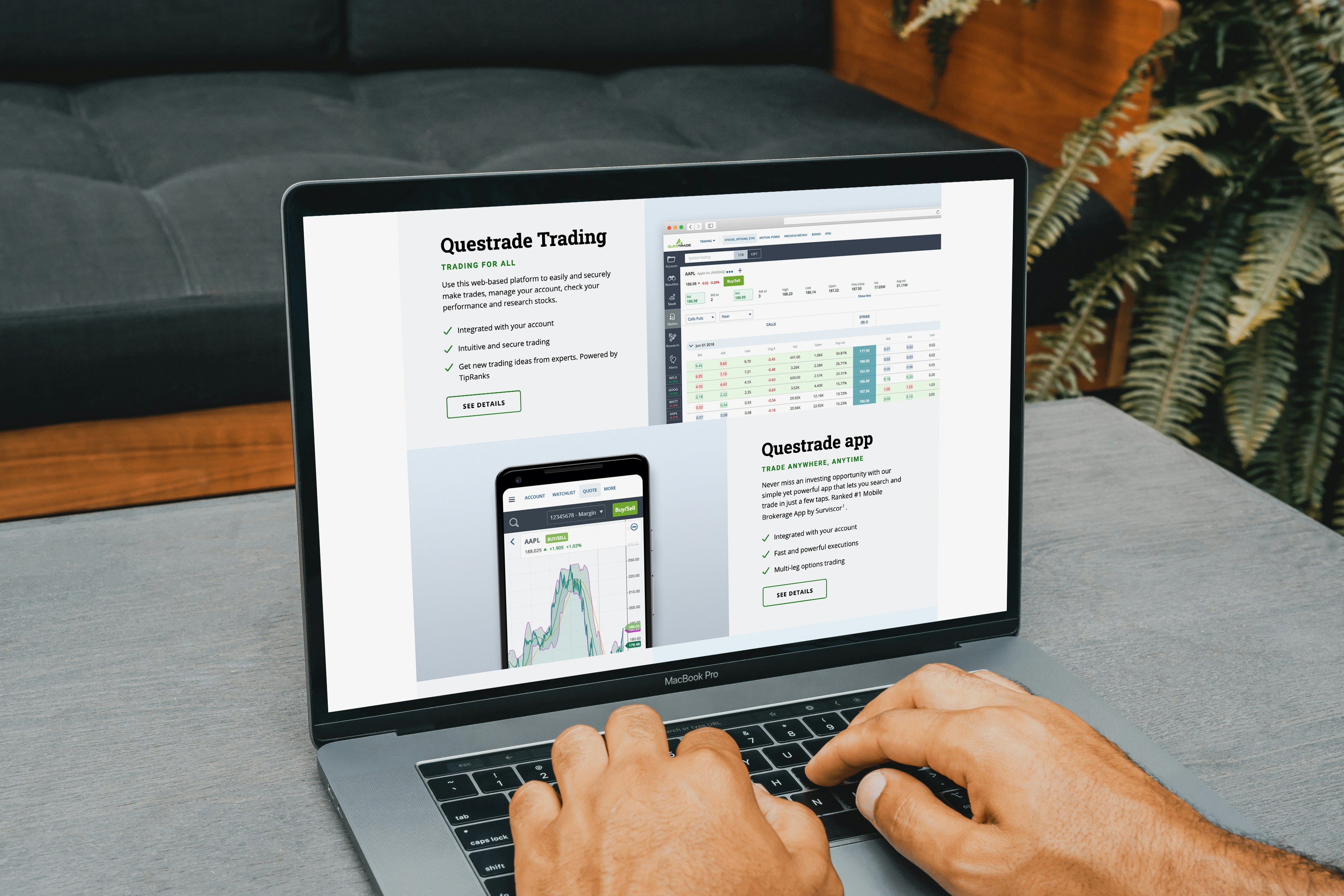
On the other hand, QuickBooks is widely recognized as a leading accounting software that helps businesses manage their finances efficiently. With its advanced capabilities, QuickBooks offers features such as invoicing, payroll processing, expense management, and financial reporting. Businesses can leverage QuickBooks to maintain accurate financial records, ensuring compliance with accounting standards and regulations. Its user-friendly interface and robust functionality make it accessible to small and medium-sized enterprises, as well as larger organizations seeking to enhance their financial operations.
Integrating Looker Studio with QuickBooks creates a powerful synergy, enabling businesses to enhance their data analysis and reporting capabilities. By connecting these two platforms, organizations can capture accounting data from QuickBooks and visualize it in Looker Studio, thus gaining comprehensive insights. This integration allows for seamless reporting where financial metrics can be displayed alongside operational data, providing a holistic view of the business performance. As such, this combined approach equips decision-makers with the necessary tools to analyze trends, assess financial health, and strategize for growth. Embracing this integration is vital for businesses of all sizes looking to optimize their analytics and reporting capabilities.
Setting Up Looker Studio with QuickBooks
Setting up Looker Studio to work seamlessly with QuickBooks requires a structured approach to ensure data synchronization and reporting efficiency. Before beginning the integration process, it is essential to verify that you have the correct prerequisites in place. This includes having a Looker Studio account, valid credentials for QuickBooks, and ensuring that you have access to the necessary permissions within both applications.
Once the prerequisites are confirmed, the next step is to link Looker Studio with QuickBooks. Begin by logging into your Looker Studio account. In the main dashboard, you will need to navigate to the ‘Data Sources’ section. Here, you can select ‘Create New Data Source’ and then search for QuickBooks from the list of available connectors. This is a straightforward process that allows you to establish a connection directly from the Looker interface.
After selecting QuickBooks, it will prompt you to authenticate your QuickBooks account. Enter your credentials and allow the necessary permissions for Looker Studio to access your QuickBooks data. This step is crucial as it ensures that Looker Studio can retrieve the required datasets for analysis and reporting. Once authenticated, you can configure data extraction settings such as selecting specific reports or data points you wish to visualize.
To facilitate a smooth integration process, it is advisable to perform a preliminary test to ensure data is flowing correctly between the two systems. Check for connectivity issues by running sample queries within Looker Studio. Additionally, familiarize yourself with the interface, as manipulating the data and creating visualizations may require an understanding of how Looker Studio interacts with QuickBooks data structures. By following these steps, users can enhance their reporting capabilities through effective integration of Looker Studio and QuickBooks.
Exploring Looker Studio Features
Looker Studio is a powerful data analytics and visualization tool that offers businesses a unique platform for reporting with QuickBooks. One of the standout features of Looker Studio is its extensive data visualization options. Users can choose from a wide range of charts, graphs, and tables, allowing them to represent data in a way that is clear and engaging. This flexibility helps stakeholders understand complex datasets at a glance, facilitating better decision-making.
In addition to visualization capabilities, Looker Studio provides robust dashboard designs that can be tailored to meet specific business needs. Users can create customized dashboards that display key performance indicators (KPIs), sales data, and financial metrics from QuickBooks in real-time. This level of customization ensures that users can focus on the most critical data for their operations, optimizing their reporting processes and enhancing operational efficiency.
One of the major advantages of Looker Studio is its ability to deliver real-time data reporting. This feature enables businesses to access up-to-date information as transactions occur in QuickBooks. Organizations can identify trends and make informed adjustments on-the-fly, rather than relying on outdated data which may lead to inefficiencies or missed opportunities. Moreover, the real-time reporting feature fosters a collaborative environment, as teams can share insights and make data-driven decisions collectively.
Furthermore, Looker Studio facilitates integration with other data sources, which enhances its utility in business reporting. Users can link data from various platforms, allowing a comprehensive view of their operations. When combined with its visualization and dashboard capabilities, Looker Studio becomes an indispensable tool for companies looking to elevate their reporting and analytics processes using QuickBooks.
Creating Custom Reports in Looker Studio
Creating custom reports in Looker Studio using QuickBooks data is a strategic approach that empowers businesses to derive meaningful insights from their financial information. The first step in this process is to connect your QuickBooks account to Looker Studio. This integration facilitates real-time data access, ensuring that the reports are not only current but also reflective of the company’s actual financial standing.
Once the connection is established, users can begin selecting relevant metrics that align with their business goals. Looker Studio allows for a versatile selection of metrics such as revenue, expenses, and profit margins. It is crucial to focus on the metrics that provide meaningful insights into business performance rather than overwhelming the report with excessive data. When determining which metrics to include, it is advisable to consider the specific questions or objectives that the report aims to address.
The next phase involves customizing the visualizations to enhance the presentation of the selected metrics. Looker Studio offers various visualization tools such as tables, graphs, and pie charts. These tools can be tailored to showcase trends and anomalies effectively. For example, line graphs can illustrate revenue growth over time, while pie charts can represent expense distribution across different categories. By choosing the appropriate visualization, users can make complex data easily digestible for stakeholders.
Moreover, the importance of tailoring reports to suit specific business needs cannot be overstated. Custom reports allow businesses to hone in on the most relevant data, ultimately leading to informed decision-making. Collaborative features in Looker Studio enable teams to work together on reports, ensuring that insights are shared and discussed. By creating targeted, visually appealing reports, businesses can maximize the utility of their QuickBooks data, thereby driving more effective strategic planning and execution.
Best Practices for Data Analysis
When leveraging Looker Studio in conjunction with QuickBooks, adhering to best practices in data analysis is crucial for deriving meaningful insights. One of the foundational elements is ensuring data hygiene. This entails maintaining clean, accurate, and up-to-date data. Regularly auditing your data inputs, verifying entries, and removing duplicates helps in minimizing errors that could distort analysis and reporting outcomes. Such diligence forms the bedrock of reliable data insights.
Equally important is the selection of appropriate Key Performance Indicators (KPIs). Identifying the right KPIs tailored to your business objectives is essential for effective analysis. KPIs should not only align with organizational goals but also provide a clear picture of performance trends. For instance, a business may focus on metrics such as revenue growth, customer acquisition costs, or profit margins. Using Looker Studio, these KPIs can be visualized in a manner that clearly outlines performance and facilitates informed decision-making.
Consistency in reporting is another vital practice, as it ensures that stakeholders and decision-makers are interpreting the data uniformly. Establishing standardized reporting formats and timelines aids in tracking performance over time, removing ambiguity for those analyzing the data. Looker Studio offers features that support the creation of consistent dashboards and reports, allowing businesses to maintain a coherent narrative regarding their financial health and operational efficiency.
Furthermore, employing visualization techniques effectively can greatly enhance comprehension. Utilizing charts, graphs, and other visual aids created through Looker Studio helps to translate complex data into easily understandable insights, making it simpler for various stakeholders to engage with the information presented. Ultimately, these best practices not only improve the efficiency of data analysis but also enhance the overall impact of insights gathered through Looker Studio and QuickBooks.
Troubleshooting Common Issues
Integrating Looker Studio with QuickBooks can unlock powerful insights, yet users may encounter several common issues that can hinder their experience. One prevalent challenge involves connectivity problems, which may arise from incorrect API configurations or network restrictions. To address these connectivity issues, ensure that the necessary permissions are granted in QuickBooks and that your firewall settings allow Looker Studio to access the QuickBooks data seamlessly. Additionally, re-check the API keys and ensure that they are entered correctly to facilitate uninterrupted communication between the two platforms.
Another frequent issue is data discrepancies, where users notice inconsistencies between data displayed in Looker Studio and that found in QuickBooks. This can occur due to synchronization errors or timing differences in data updates. Users should regularly verify that they are operating on the latest well-synchronized dataset. It may also be beneficial to review the mapping settings within Looker Studio to confirm that all fields and data types align correctly with those from QuickBooks.
Furthermore, users may find themselves facing issues with report generation or filtering options not performing as expected. When encountering such problems, it is advisable to revisit the configuration settings within Looker Studio to ensure that all filters and parameters are set properly. Thoroughly reviewing the data sources can also help identify any underlying issues or inconsistencies that may be affecting report functionality.
To enhance troubleshooting, users can leverage the support resources provided by both Looker Studio and QuickBooks. Both platforms have comprehensive documentation, community forums, and live support options available. By employing these resources, users can resolve issues more effectively, ensuring a smoother and more productive integration experience. This proactive approach will aid in maximizing the usage of Looker Studio for QuickBooks, making it a more effective tool for data analysis and reporting.
Case Studies: Real-World Applications
Looker Studio, when integrated with QuickBooks, serves as a powerful tool for businesses across various industries, providing valuable insights and analytical capabilities. Examining real-world applications highlights the practical benefits and enhanced decision-making that can arise from this combination.
One notable case study involves a mid-sized retail company that faced challenges in inventory management. By utilizing Looker Studio with QuickBooks, the company was able to create a detailed dashboard that aggregated data on sales trends, stock levels, and supplier performance. The integration allowed the management team to visualize complex data sets in real-time, leading to improved decision-making. They reported a 20% reduction in excess inventory and a 15% increase in overall sales within six months of implementation.
Another example can be observed in the service industry, where a marketing agency leveraged Looker Studio with QuickBooks for enhanced financial reporting. By creating customized reports and visualizations, the agency gained a comprehensive understanding of project costs versus revenues. This approach enabled them to identify unprofitable projects and allocate resources more effectively. As a result, they not only improved profitability but also increased client retention by 30% due to a better understanding of project value.
Lastly, a non-profit organization utilized this integration to streamline their financial processes. By integrating Looker Studio with QuickBooks, they were able to automate reporting and track donations with greater accuracy. This fostered transparency and accountability, which are crucial in the non-profit sector. Consequently, their fundraising efforts saw a remarkable increase of 40% within one year, showcasing the significant impact of data-driven decision-making.
These case studies illustrate how various organizations effectively harness Looker Studio alongside QuickBooks, emphasizing the importance of data analysis in enhancing operational efficiency and achieving overarching business goals.
Future of Reporting with Looker Studio and QuickBooks
The future of reporting and analytics is being shaped significantly by the integration of advanced tools like Looker Studio and QuickBooks. As organizations increasingly rely on data-driven decision-making, the demand for sophisticated reporting solutions is projected to grow. One key trend is the rise of real-time data analytics. Businesses are now expecting immediate insights that can drive timely interventions and strategies. Looker Studio, combined with the robust financial data provided by QuickBooks, enables users to create dashboards that visualize real-time performance metrics, enhancing operational agility.
Another emerging trend is the integration of artificial intelligence (AI) and machine learning. These technologies are being embedded within reporting tools to automate data processing and generate predictive analytics. This means that businesses will not only have access to historical data but will also be equipped to forecast future trends based on current patterns. Looker Studio’s compatibility with various AI-driven plugins will allow QuickBooks users to harness the power of machine learning for more nuanced financial analysis and forecasting.
Furthermore, the importance of user-friendly interfaces cannot be overstated. As more non-technical users engage with analytics tools, there is a growing emphasis on intuitive design. Looker Studio focuses on simplifying complex data sets through visualizations that are easy to understand, catering to users across all levels of technical proficiency. This feature aligns well with QuickBooks’ user-friendly design, creating a seamless experience for business owners who may not have extensive data analysis backgrounds.
Looking ahead, businesses can anticipate further advancements in data integration and accessibility. Streamlined access to diverse data sources will empower organizations to build more comprehensive reports that encapsulate a holistic view of operations. As Looker Studio continues to evolve alongside QuickBooks, companies can expect to gain deeper insights through enhanced analytics capabilities and continuous improvements in reporting accuracy and efficiency. This evolution is crucial for fostering a competitive edge in a rapidly changing business environment.
Conclusion and Call to Action
In closing, the integration of Looker Studio with QuickBooks presents an array of benefits for organizations that prioritize effective reporting and data visualization. By utilizing Looker Studio, users can transform their QuickBooks data into compelling, interactive reports that allow for better analysis and decision-making. This powerful combination ensures that businesses can harness their financial data to gain deeper insights, streamline workflows, and foster a more data-driven culture.
The ability to customize reports and dashboards in Looker Studio not only enhances the visibility of key performance indicators but also allows for real-time updates that reflect the latest business developments. As users become more familiar with these tools, they can leverage the advanced features offered by Looker Studio to uncover trends and make informed financial decisions. In doing so, organizations can improve their overall efficiency and productivity.
To fully benefit from this integration, we encourage readers to take the next step in their reporting journey. Explore additional resources and tutorials that provide an in-depth understanding of how to maximize Looker Studio in conjunction with QuickBooks. Engaging with such materials can significantly enhance your proficiency and comfort level with these platforms. By doing so, you pave the way for more sophisticated analyses, ultimately leading to smarter business decisions and an enhanced reporting experience. Take advantage of the wealth of information available and start your path toward efficient reporting today.