Introduction to Looker Studio
In the contemporary landscape of marketing, data-driven decision-making has emerged as a critical component for success. Looker Studio stands out as a robust platform designed to transform data into actionable insights through advanced visualization and analytics. It offers a comprehensive suite of features that cater to the varying needs of marketers, empowering them to make informed decisions based on well-structured data.
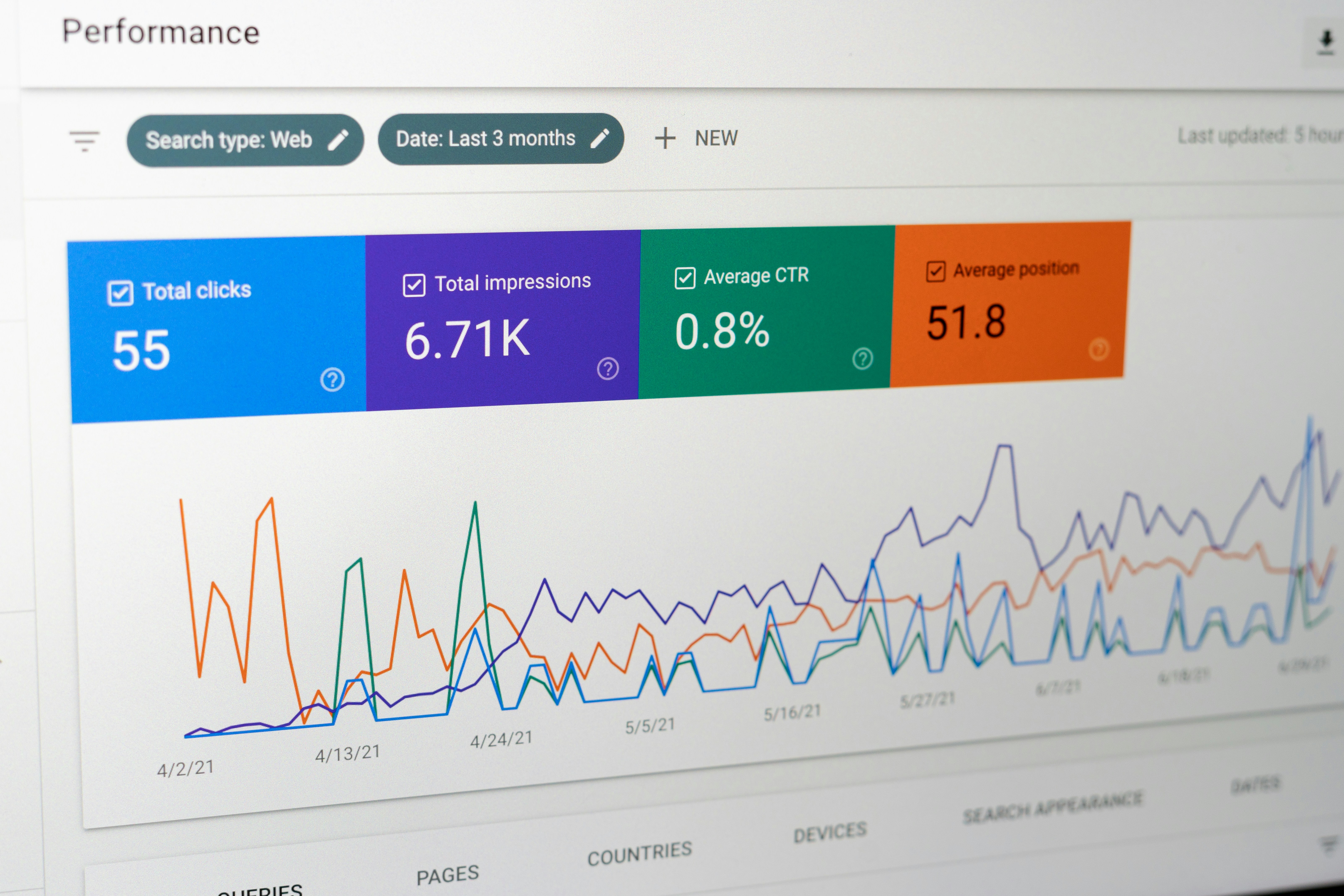
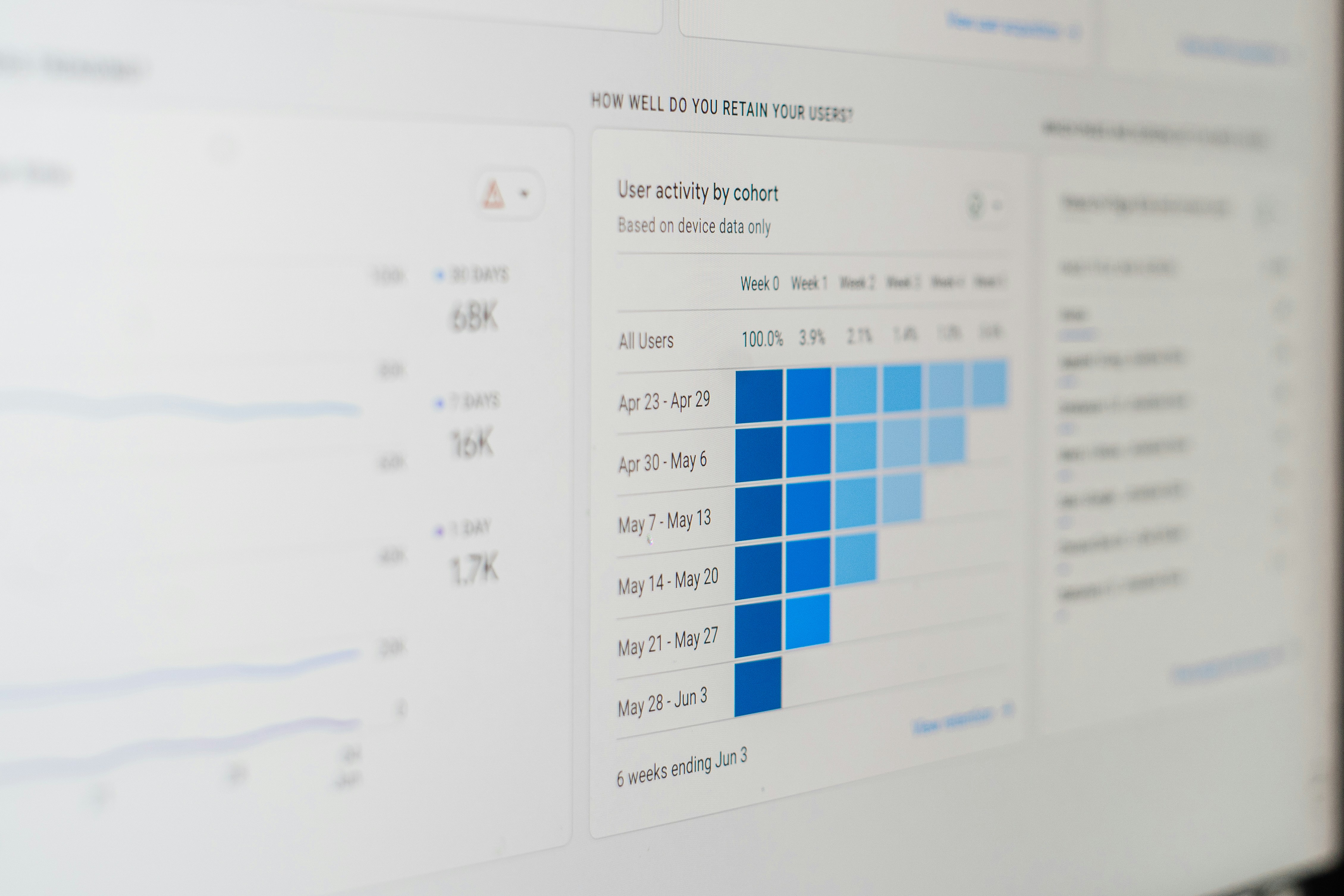
Looker Studio is primarily recognized for its ability to create dynamic dashboards that present complex data in a user-friendly format. Its functionality allows users to connect to different data sources seamlessly, enabling marketers to visualize their performance metrics and key performance indicators (KPIs) in real-time. Through customizable dashboards, teams can easily track campaign efficiency, understand consumer behavior, and pinpoint opportunities for optimization.
One of the noteworthy features of Looker Studio is its collaboration capabilities. This tool fosters communication among team members by allowing users to share insights and reports, ensuring that everyone is aligned with the overall marketing strategy. The interactive nature of the platform encourages users to delve deeper into the data, promoting a culture where informed, analytical approaches to marketing are standard practice.
As part of the broader landscape of marketing dashboard tools, Looker Studio integrates well with various applications and data management systems, enhancing its utility. Its flexibility makes it suitable for businesses of all sizes, from startups to established corporations, seeking to maximize their marketing insights. The capacity to glean significant insights from data positioned Looker Studio as an invaluable asset for marketers looking to stay competitive in an increasingly data-centric industry.
Benefits of Using a Marketing Dashboard
Marketing dashboards serve as vital tools that empower businesses to track performance metrics, visualize data trends, and improve decision-making capabilities. One of the primary advantages of utilizing a marketing dashboard is its ability to aggregate disparate data sources into a single, comprehensive view. By presenting all relevant metrics in one place, stakeholders can easily monitor the effectiveness of marketing campaigns and identify areas for improvement. This consolidation of data minimizes the time spent on data gathering and allows teams to focus on analysis and strategy.
In addition to tracking performance, marketing dashboards enhance the visualization of complex data trends. With the use of graphs, charts, and other visual elements, organizations can quickly discern changes in key performance indicators (KPIs) over time. This visual representation makes it easier for team members to understand the data without needing advanced analytical skills. Consequently, non-technical staff can actively engage in discussions, contribute insights, and make informed decisions based on real-time data. This accessibility fosters a data-driven culture within the organization, promoting transparent communication and collaboration across teams.
Furthermore, marketing dashboards facilitate better campaign management by allowing teams to pivot their strategies in response to real-time data. By continuously evaluating the effectiveness of various marketing campaigns, businesses can allocate resources more efficiently and maximize their return on investment (ROI). This agility in campaign management not only optimizes marketing efforts but also enhances customer satisfaction by responding to market needs swiftly. Overall, the implementation of marketing dashboards is instrumental in driving performance, reducing inefficiencies, and ultimately achieving business objectives.
Key Metrics to Track in Marketing
In the realm of modern marketing, tracking key performance indicators (KPIs) is essential for evaluating effectiveness and ensuring strategic alignment with business goals. Utilizing Looker Studio dashboards, marketers can gain invaluable insights into several critical metrics that drive decision-making and optimize campaigns. Among these metrics, conversion rates stand out as a primary indicator of marketing performance. By measuring the percentage of visitors who complete a desired action, businesses can assess how effectively their marketing strategies convert prospects into customers.
Another fundamental metric to consider is Customer Acquisition Cost (CAC). This figure represents the total cost incurred to acquire a new customer. By analyzing CAC, marketers can determine the efficiency of their marketing spending and adjust their budgets accordingly for improved profitability. Understanding this cost is paramount, as a lower CAC generally leads to higher returns on investment, thus enhancing overall marketing effectiveness.
Additionally, Return on Ad Spend (ROAS) is a vital metric that marketers should routinely evaluate. ROAS helps assess the revenue generated for every dollar spent on advertising, providing a direct correlation between marketing efforts and financial returns. A high ROAS not only indicates successful campaigns but also informs future investments in advertising strategies. Furthermore, metrics such as customer lifetime value (CLV) offer insights into the long-term value generated from customers, thus fostering a deeper understanding of the lifetime profitability associated with marketing efforts.
By focusing on these key metrics—conversion rates, CAC, ROAS, and CLV—marketers can leverage Looker Studio to obtain a holistic view of their marketing activities. This approach aids in identifying strengths and weaknesses, enabling data-driven decisions that enhance the overall effectiveness of marketing strategies. To navigate the complexities of today’s market, staying informed on these critical KPIs is imperative for sustained success.
Setting Up Your Looker Studio Dashboard
Creating an effective Looker Studio dashboard tailored for marketing is a straightforward process that involves several key steps. The initial step is to access Looker Studio and create a new dashboard. Begin by selecting the option for creating a new report, which will prompt you to connect your data sources. Looker Studio supports various data sources, including Google Analytics, Google Ads, and spreadsheets. Choose the appropriate data source that aligns with your marketing objectives, such as website traffic or campaign performance metrics.
Once you’ve connected your data source, it is essential to customize your template to fit your specific marketing needs. Looker Studio provides a variety of pre-designed templates that can serve as a great starting point. Select a template that best represents the data you want to display. After choosing a template, you can easily modify it by adding or removing charts, tables, and graphs to ensure that the most relevant marketing insights are highlighted.
Arranging widgets is crucial for optimal data presentation. Place key performance indicators (KPIs) prominently at the top of your dashboard to ensure they are immediately visible. Utilize the drag-and-drop feature of Looker Studio to rearrange widgets and create a logical flow of information. This layout can enhance the user experience, allowing stakeholders to digest insights quickly.
As you design your dashboard, remember to prioritize readability and clarity. Avoid overcrowding the dashboard with too much data, which can overwhelm users. Instead, focus on the most critical metrics that drive marketing decisions. This thoughtful organization will enable users to navigate through your Looker Studio dashboard effortlessly, maximizing the effectiveness of your marketing insights.
Design Best Practices for Marketing Dashboards
Creating effective marketing dashboards requires careful attention to design principles that enhance both functionality and user experience. A well-designed dashboard serves as a powerful tool, enabling stakeholders to easily interpret complex marketing data and derive actionable insights. One of the primary principles is clarity, which ensures that information is presented in an easily understandable format. By minimizing clutter and avoiding excessive detail, users can focus on the most critical metrics that drive marketing performance.
Simplicity is another key element to consider during the design phase. A simple layout facilitates quicker comprehension and ensures that users can navigate the dashboard with ease. To achieve this, designers should limit the number of elements on a single view and group related data together, which helps in establishing a clear narrative within the dashboard. Additionally, the use of whitespace can create breathing room, allowing users to digest the information more effectively.
Visual hierarchy plays a crucial role in guiding users through the dashboard. Important metrics should be prominently displayed, while less critical data can be positioned in secondary or tertiary locations. This method allows stakeholders to identify key performance indicators at a glance. Similarly, color coding can be leveraged to distinguish between various data categories, signal trends, and highlight notable performance. Effective use of color not only makes the dashboard more visually appealing but also aids in the retention of information.
Finally, incorporating a variety of charts and graphs can significantly bolster the effectiveness of marketing dashboards. Visual representations of data, such as bar charts, line graphs, and pie charts, provide clear insights into performance trends over time. When designed thoughtfully, these visual tools can convert raw data into a compelling story that resonates with users, ultimately improving decision-making processes. By adhering to these best practices, marketers can develop dashboards that are functional, aesthetically pleasing, and engaging for stakeholders.
Integrating Data Sources for Holistic Insights
In the realm of modern marketing, the integration of diverse data sources into platforms such as Looker Studio is crucial for obtaining a comprehensive understanding of overall marketing effectiveness. By consolidating information from Google Analytics, social media platforms, customer relationship management (CRM) systems, and email marketing software, organizations can create dashboards that reflect the multifaceted nature of their marketing strategies.
Utilizing Google Analytics allows marketers to track website performance, user behavior, and conversion rates. This data forms the backbone of any marketing dashboard, enabling insights into how digital content is performing. By integrating this vital data source, organizations can assess which campaigns drive the most traffic and engagement.
Moreover, incorporating data from social media platforms offers valuable insights into audience demographics, engagement metrics, and campaign performance across various channels. This integration enables marketers to gauge the effectiveness of their outreach and tailor strategies accordingly. For instance, analyzing metrics from Facebook, Twitter, and Instagram can help identify which platforms yield the highest returns on investment.
Additionally, integrating CRM data provides a deeper understanding of customer interactions and sales cycles. Insights gained from CRM systems allow marketers to track lead conversions and customer retention rates, leading to improved targeting. This approach not only enhances customer relationship management but also optimizes marketing efforts based on actionable insights.
Furthermore, combining data from email marketing software enables marketers to monitor campaign open rates, click-through rates, and overall engagement. This integration is essential for understanding the effectiveness of email marketing strategies, facilitating improvements based on real-time feedback.
Thus, by merging these diverse data sources into Looker Studio, marketers can devise robust dashboards that offer a holistic view of their marketing efforts, empowering them to make data-driven decisions and strategically align their initiatives for better outcomes.
Real-Life Use Cases and Success Stories
The implementation of Looker Studio dashboards has proven to be transformative for numerous businesses seeking to enhance their marketing strategies through data-driven insights. One notable case is a retail company that integrated Looker Studio to better understand customer behavior and sales patterns. By utilizing tailored dashboards, this organization was able to visualize important metrics such as conversion rates, product performance, and customer acquisition costs. The result was a 20% increase in sales over six months, demonstrating how actionable insights can directly influence performance and bolster decision-making processes.
Another success story comes from a leading e-commerce firm that used Looker Studio to monitor its digital marketing campaigns comprehensively. By developing dashboards that highlight key performance indicators (KPIs) including click-through rates, return on advertising spend (ROAS), and customer lifetime value (CLV), the company gained a holistic view of their marketing efforts. This enabled them to optimize their advertising spend effectively, resulting in a 30% reduction in costs while maintaining their sales volume. The ability to swiftly adapt based on real-time data analysis paved the way for more strategic marketing initiatives.
A SaaS enterprise also leveraged Looker Studio dashboards to refine their product marketing strategies. By tracking user engagement metrics and feature utilization, the team gained valuable insights into which aspects of their offerings resonated most with customers. Armed with this knowledge, they adjusted their marketing messages accordingly, leading to a notable increase in customer retention rates. This example underlines the power of employing Looker Studio in making informed decisions that not only enhance marketing effectiveness but also improve overall business performance.
Common Challenges and Solutions
When marketers leverage Looker Studio dashboards to gain insights, they often encounter a set of recurring challenges that can impede their ability to utilize this powerful tool effectively. The first major challenge is data integration. Many organizations rely on multiple data sources, and inconsistencies or discrepancies can arise when attempting to merge them within a single dashboard. To address this issue, marketers can implement a robust data management strategy that includes standardized data formats and regular auditing of data sources. Ensuring that data is cleansed and formatted appropriately before it enters Looker Studio can significantly reduce integration problems.
Another common concern is dashboard usability. Users may find dashboards cluttered or overwhelming, making it difficult to extract actionable insights. To enhance usability, marketers should focus on creating simplified layouts that prioritize the most critical KPIs. Utilizing visual aids such as charts and graphs instead of excessive text can help in conveying information more effectively. Additionally, regularly seeking user feedback on dashboard designs can lead to continuous improvements that align with the needs of the audience.
Interpreting complex datasets is yet another challenge faced by users of Looker Studio. With vast amounts of data at their fingertips, marketers may struggle to derive meaningful insights. To alleviate this difficulty, training sessions and resources should be provided to team members, ensuring they can understand the context and nuances of the data presented. Moreover, incorporating descriptive labels and tooltips within the dashboards themselves can assist users in grasping data meaning more readily.
By proactively addressing these challenges through strategic data management, usability enhancements, and educational resources, marketers can maximize the benefits of Looker Studio dashboards, leading to more informed decision-making and better marketing outcomes.
Looking Ahead: The Future of Marketing Dashboards
As organizations continue to navigate the complexities of the digital marketplace, the future of marketing dashboards is poised for transformative changes driven by emerging trends. Among these innovations, artificial intelligence (AI) and machine learning (ML) are leading the charge in enhancing data analysis capabilities. These technologies facilitate the automation of data processing, which not only increases efficiency but also uncovers deeper insights from large datasets.
AI algorithms can analyze consumer behavior patterns and preferences, providing marketers with advanced tools for segmentation and targeting. This tailored approach ensures that marketing efforts resonate more effectively with specific audiences, thus improving campaign performance. Furthermore, machine learning models can predict customer trends by analyzing historical data, allowing businesses to anticipate shifts in market demands and adjust their strategies proactively.
Another trend shaping the future of marketing dashboards is the prominence of predictive analytics. Organizations are increasingly utilizing predictive models to anticipate future outcomes based on current and historical data. This foresight empowers marketers to make informed decisions, allocate resources effectively, and optimize campaigns before they are implemented. With predictive analytics integrated into marketing dashboards, companies can shift from reactive to proactive marketing strategies.
Real-time reporting is also becoming a critical feature of modern marketing dashboards. The ability to access live data allows marketing teams to monitor performance instantly and make necessary adjustments on the fly. This responsiveness ensures that campaigns stay aligned with real-world trends and consumer behaviors, ultimately enhancing engagement and ROI.
In conclusion, the future of marketing dashboards will significantly leverage AI, predictive analytics, and real-time reporting, shaping how data is analyzed and used in strategic decision-making. Organizations that embrace these innovations will be well-positioned to thrive in an ever-evolving marketing landscape.