Introduction to Looker Studio
Looker Studio is a sophisticated business intelligence tool that empowers organizations to effectively visualize and analyze their data. Developed to facilitate insightful decision-making, Looker Studio offers users a robust platform that transforms complex datasets into comprehensible visual narratives. This tool is particularly beneficial for businesses aiming to enhance their online advertising initiatives, particularly through Google Ads and AdSense.
At its core, Looker Studio integrates seamlessly with various data sources, enabling users to consolidate their advertising metrics in one central location. This streamlining assists businesses in gaining a holistic understanding of their advertising performance. The platform provides an array of features that allow users to create customized dashboards and reports, tailored to their unique needs and objectives. This flexibility is crucial, as it enables users to drill down into their data and discern actionable insights efficiently.
One of the standout features of Looker Studio is its ability to easily manipulate and filter data, helping users to uncover trends and patterns within their advertising efforts. The visualizations generated by the platform—ranging from graphs to heat maps—aid in clarifying complex information, making it readily accessible to stakeholders at all levels of an organization.
Moreover, Looker Studio supports multiple integrations, thus allowing businesses to load and analyze data from Google Ads and AdSense with ease. This capability ensures that users can monitor ad performance metrics, track ROI, and optimize their advertising strategies based on real-time data. The combined power of Looker Studio’s analytics and Google advertising tools can significantly maximize revenue potential, positioning businesses for greater success in an increasingly competitive landscape.
Setting Up Your Google Ads and AdSense Accounts
Establishing a successful advertising strategy with Google requires a well-structured setup of both your Google Ads and AdSense accounts. Begin by creating a Google Ads account. This process starts by navigating to the Google Ads website and signing in with your Google account. After entering your business information, choose your advertising goals, which may range from generating leads to increasing website traffic. Setting a budget is crucial at this stage, as this will dictate how much you are willing to invest in advertisements. Opt for an automated bidding strategy to help manage your costs effectively.
Once your Google Ads account is set up, it is recommended to create visually appealing and compelling ads. Understand the different types of Google ads available, including text ads, display ads, and video ads. Each type serves different purposes and can reach varied audience segments across the web. To create effective ads, focus on crafting engaging headlines and clear calls to action, while ensuring that your ads are tailored to your target demographics.
The next step is to set up your AdSense account, which allows you to monetize your website through advertisements. Visit the AdSense website and sign in with the same Google account used for Google Ads. Fill in the necessary website details, and submit your site for approval. Once your AdSense account is active, ensure to link it with your Google Ads account; this integration is vital for streamlined reporting and analysis of your advertising efforts. By linking these accounts, you can track how ads are performing and gain insights into your revenue streams.
Finally, be cognizant of common pitfalls during the setup process. Avoid setting unrealistic budgets that may lead to financial strain, and ensure that your ads comply with Google’s policies to prevent disapproval. Additionally, regularly monitor the performance of your ads and make adjustments as necessary to optimize your campaigns.
Integrating Google Ads with Looker Studio
Connecting Google Ads with Looker Studio involves several key steps that ensure seamless data integration for effective reporting. The first step is to authenticate your Google Ads account within Looker Studio. To begin, log into your Looker Studio account and navigate to the ‘Data Sources’ tab. Here, you can select the ‘Google Ads’ option. You will be prompted to authorize access to your Google Ads account. Make sure that you have the necessary permissions, as administrative access may be required depending on your account settings.
Once the authentication process is complete, the next essential step is API management. This involves setting up the necessary APIs to allow Looker Studio to pull data from Google Ads efficiently. You will need to enable the Google Ads API within the Google Cloud Platform (GCP). If you have not already done so, create a new project in GCP, navigate to the APIs & Services section, and enable the Google Ads API. It may be helpful to familiarize yourself with the API documentation provided by Google to understand the data available for retrieval.
The final step is configuring the data import settings within Looker Studio. After establishing the connection, you must select the specific metrics and dimensions you would like to import from Google Ads. This can include metrics such as clicks, impressions, and conversion rates, which can be tailored to fit your reporting needs. Once you have made your selections, Looker Studio will begin importing the data into your reports. This process allows for real-time reporting capabilities, giving you the opportunity to analyze and visualize your Google Ads performance directly within Looker Studio.
By following these steps, users can effectively link their Google Ads accounts to Looker Studio, enabling dynamic and insightful reporting that can maximize advertising revenue.
Utilizing Looker Studio for AdSense Reporting
Looker Studio is a powerful tool that allows digital marketers and website owners to leverage data from various sources, including AdSense, to generate insightful reports. When utilizing Looker Studio specifically for AdSense reporting, it becomes essential to focus on key metrics such as earnings, impressions, and clicks. These metrics provide a clear picture of how effectively AdSense is monetizing website traffic.
To set up these data points in Looker Studio, one must first establish a connection between AdSense and the reporting tool. This connection allows users to pull in real-time data, ensuring that the reports reflect the most current performance of ads. Once connected, users can create custom fields that aggregate data effectively, providing the flexibility to focus on the metrics that matter most for their specific objectives.
Among the various metrics available in AdSense, earnings are paramount as they represent the revenue generated from advertisements. It is crucial to track this over time to identify trends and peak performance periods. Impressions also serve as an important indicator, revealing how often ads are displayed to users. Finally, monitoring clicks allows users to understand engagement levels, ultimately impacting earnings. With these metrics, Looker Studio enables the creation of extensive visualizations, allowing users to draw insights from complex data sets.
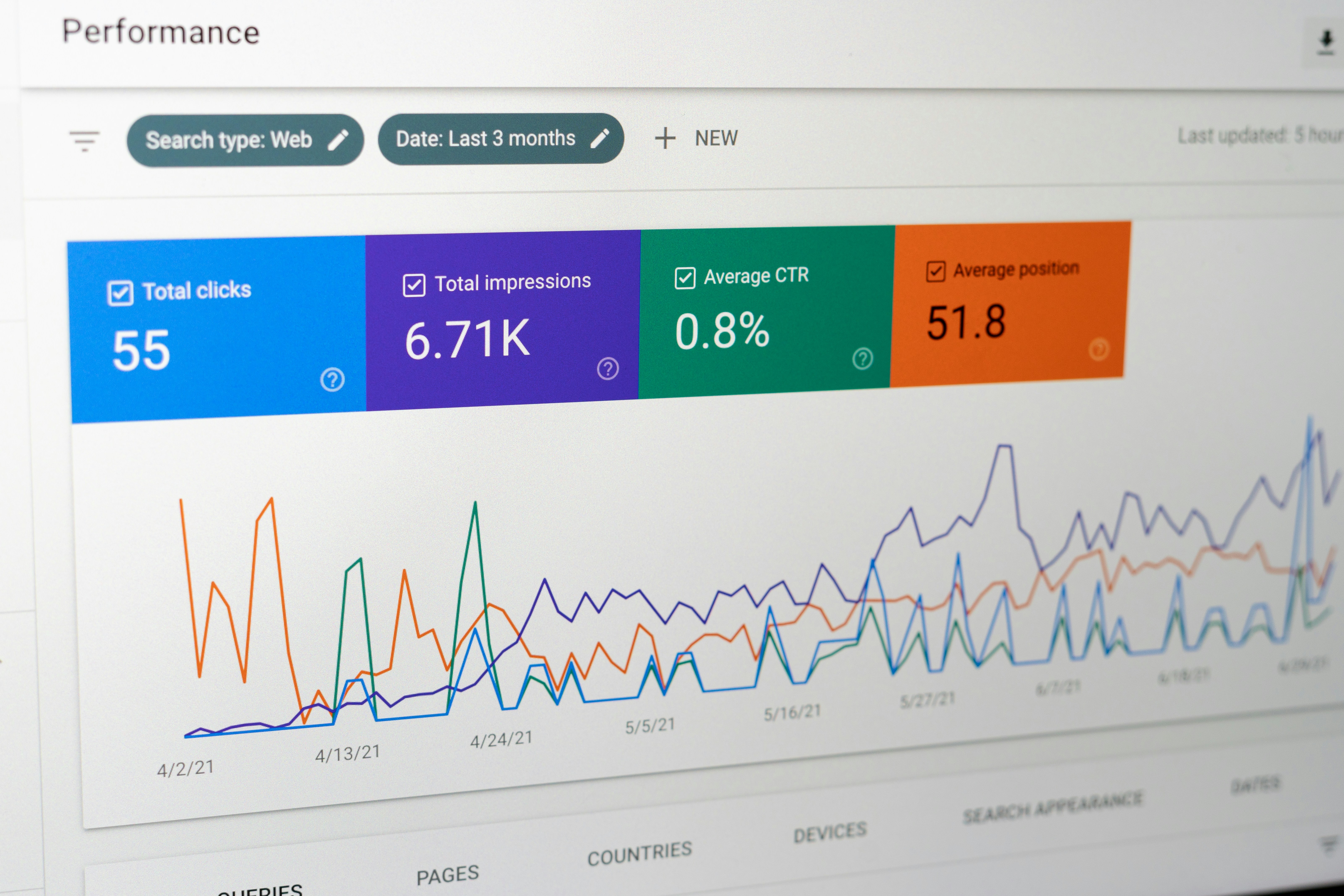
For practical examples, one could develop a dashboard that displays a line graph of earnings over time, complemented by pie charts illustrating the distribution of clicks across different ad formats. Another useful report might involve a table summarizing impressions per page, enabling users to pinpoint which content drives the most ad visibility. By utilizing Looker Studio for these types of reports, users can effectively present their AdSense data, facilitating informed decision-making to maximize revenue.
Creating Custom Reports in Looker Studio
Creating custom reports in Looker Studio is an essential step in effectively analyzing data related to Google Ads and AdSense performance. Looker Studio offers a variety of visualization tools that allow users to customize their reports according to specific needs and objectives. Understanding how to utilize these tools will enable advertisers and analysts to gain deeper insights into their advertising efforts.
To begin, users can select from a multitude of visualization options, such as charts, tables, and graphs, each of which can depict data in various formats depending on the audience’s preference. These visual elements facilitate the interpretation of complex data sets, making it easier to identify trends and patterns. Once a user chooses the desired visualization style, they can proceed to customize the report layout by adjusting dimensions, data sources, and metrics relevant to their advertising goals.
Filters play a critical role in refining the data presented in custom reports. Users can set up filters based on several criteria such as date ranges, campaign types, or specific ad groups, allowing for a targeted analysis of performance metrics. For example, if a user wishes to evaluate the performance of an ad campaign over a certain period, applying the appropriate filters will present clearer results, leading to more informed decision-making.
In addition to utilizing visualization tools and filters, it is crucial to adhere to best practices when presenting data. Organizing reports with a logical flow, highlighting key takeaways, and maintaining consistency in format are vital components of effective reporting. By tailoring their reports to specific advertising and revenue goals, users will not only enhance their understanding of campaign performance but also communicate results effectively to stakeholders. The culmination of these efforts ensures that reports serve not just as data presentations, but as strategic tools in optimizing Google Ads and AdSense endeavors.
Analyzing Performance Metrics
Looker Studio offers a robust platform for users looking to analyze performance metrics derived from their Google Ads and AdSense campaigns. By using this tool, businesses can gain comprehensive insights into various key performance indicators (KPIs) crucial for revenue maximization. One of the primary metrics to examine is the Click-Through Rate (CTR), which indicates the effectiveness of your ad in capturing user interest. A higher CTR typically signifies that your ads are relevant and engaging to your audience, suggesting that further optimizations in targeting and content may be necessary.
Another significant metric is the Cost Per Click (CPC), which provides insight into how much advertisers are paying for each click generated. By monitoring CPC, users can assess the cost efficiency of their campaigns and make informed decisions on budget allocation. Understanding trends in CPC can enable more strategic bidding and ad placements, ultimately leading to improved profitability.
Conversion rates are crucial as they reflect the percentage of users who complete a desired action after clicking on an ad, be it a purchase, subscription, or other engagements. Analyzing this metric allows advertisers to evaluate not just the reach of their campaigns but their overall effectiveness in driving actionable results. A low conversion rate could signal a misalignment between the ad content and landing page or indicate the need for improved targeting strategies.
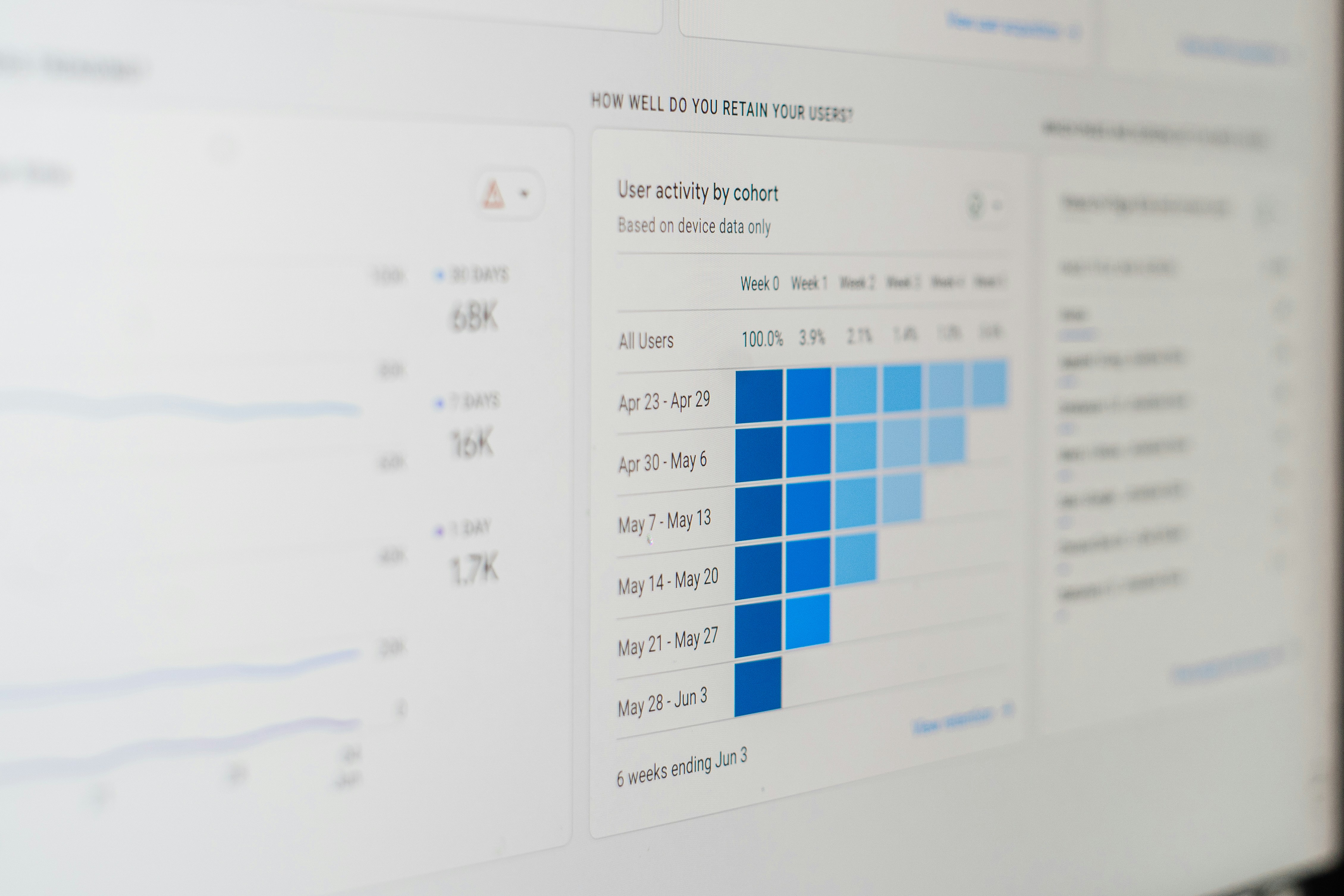
Additionally, comprehending user behavior and engagement through data analysis is essential. By leveraging Looker Studio, advertisers can explore user interactions, identify patterns, and gain insights into audience preferences and behaviors. These insights can facilitate the development of more targeted campaigns that resonate with users, ultimately driving higher engagement and conversions. Effectively, through meticulous performance metric analysis, Looker Studio enables users to continuously refine their advertising strategies to enhance revenue outcomes.
Best Practices for Optimizing Ads Revenue
To enhance ad revenue effectively when utilizing Google Ads and AdSense with Looker Studio, it is imperative to adopt a strategic approach that focuses on ad placement, targeting, and continuous optimization. One of the primary considerations should be the placement of ads within your content. It is recommended to position ads in high-visibility areas, such as above the fold, in the sidebar, or within the content body, to capture user attention and encourage clicks.
Targeting strategies play a crucial role in maximizing ads revenue as well. Leveraging the targeting options available in Google Ads can help tailor your campaigns to reach the appropriate audience. Using demographic targeting allows advertisers to focus on specific age groups, genders, and interests, ultimately improving engagement rates and boosting conversions. Additionally, utilizing remarketing strategies can effectively re-engage users who have previously interacted with your site, encouraging them to return and potentially convert.
Another best practice involves testing various ad formats to identify what resonates most with your audience. Google Ads offers several ad types, such as display ads, text ads, and video ads. Experimenting with these formats can provide insights into which ones yield higher click-through rates. A/B testing can further refine your approach by allowing you to compare performance metrics between different ad variations.
Furthermore, continuous monitoring and optimization are essential components of an effective ad strategy. Utilizing Looker Studio to analyze performance analytics emerges as a pivotal practice. By examining key metrics such as click-through rate, impressions, and revenue per click, advertisers are well-positioned to make informed decisions. Regularly updating campaigns based on these insights will not only enhance ad performance but also ensure that revenue maximization efforts are sustained over time.
Real-World Case Studies
The integration of Looker Studio with Google Ads and AdSense has proven to be a transformative strategy for numerous businesses across various industries. This section highlights several case studies that underscore how effective such integrations can be in driving revenue growth, optimizing ad performance, and enhancing overall marketing strategies.
One noteworthy example is a mid-sized e-commerce retailer that leveraged Looker Studio to analyze their Google Ads campaigns. By utilizing Looker’s advanced visualizations, the company was able to dissect performance data effectively. They identified that their investment in targeted keyword ads generated a significantly higher conversion rate in the holiday season. However, they also faced challenges in managing their broad match keywords, which led to increased costs without proportional gains. By refining their targeting strategy and using Looker Studio’s insights to create more tailored ads, the retailer saw a 35% increase in sales over the holiday period.
Another case study involves a digital content publisher that utilized AdSense in conjunction with Looker Studio’s robust analytical tools. Initially, the business struggled with identifying which types of content yielded the best ad performance. Through diligent analysis, they discovered that specific topics attracted higher CPM rates. However, the challenge persisted in managing content diversification to maintain audience interest. By employing Looker Studio’s data capabilities, the publisher adjusted their content strategy to favor high-earning segments, which resulted in a 50% increase in ad revenue in less than six months.
These real-world examples illustrate the immense potential of integrating Looker Studio with Google Ads and AdSense. By adopting data-driven strategies and addressing specific challenges, businesses have successfully optimized their advertising efforts to yield measurable outcomes.
FAQs about Looker Studio and Google Ads/AdSense
Looker Studio is becoming an essential tool for businesses aiming to maximize their revenue through effective data visualization and integration with Google Ads and AdSense. However, users often encounter various questions and challenges during this integration process. Below are some frequently asked questions that may assist in clarifying common issues and enhancing the user experience.
One prevalent question revolves around the integration process itself. Users frequently ask how to connect their Looker Studio account with Google Ads. The integration process is intuitive: users must ensure they are signed into their Google account, navigate to the ‘Data Sources’ section in Looker Studio, and select Google Ads from the list of available connectors. It is essential to verify permissions and access settings to ensure a smooth connection.
Another common inquiry pertains to data discrepancies. Users sometimes notice differences in metrics reported on Looker Studio compared to those in their Google Ads account. Such discrepancies may arise due to varying data update times and filtering options applied in either platform. It is recommended to review the filters set in Looker Studio and consider the time zone settings, as these factors can significantly influence the reported data.
Furthermore, users often seek guidance on how to customize their reports accurately. Looker Studio offers a variety of visualization options that can be tailored to fit specific analytical needs. Users can create different views for campaigns, ad groups, or even specific ads. Utilizing calculated fields can also enhance reports, providing deeper insights into performance metrics and trends.
Lastly, troubleshooting issues within Looker Studio can be daunting for users. If you experience challenges, consult the error messages displayed, as they often offer valuable clues. Additionally, ensuring that both Looker Studio and Google Ads credentials are up-to-date can resolve login issues efficiently. By addressing these common questions, users can gain a better understanding of the integration between Looker Studio, Google Ads, and AdSense, ultimately leading to enhanced reporting and revenue generation strategies.