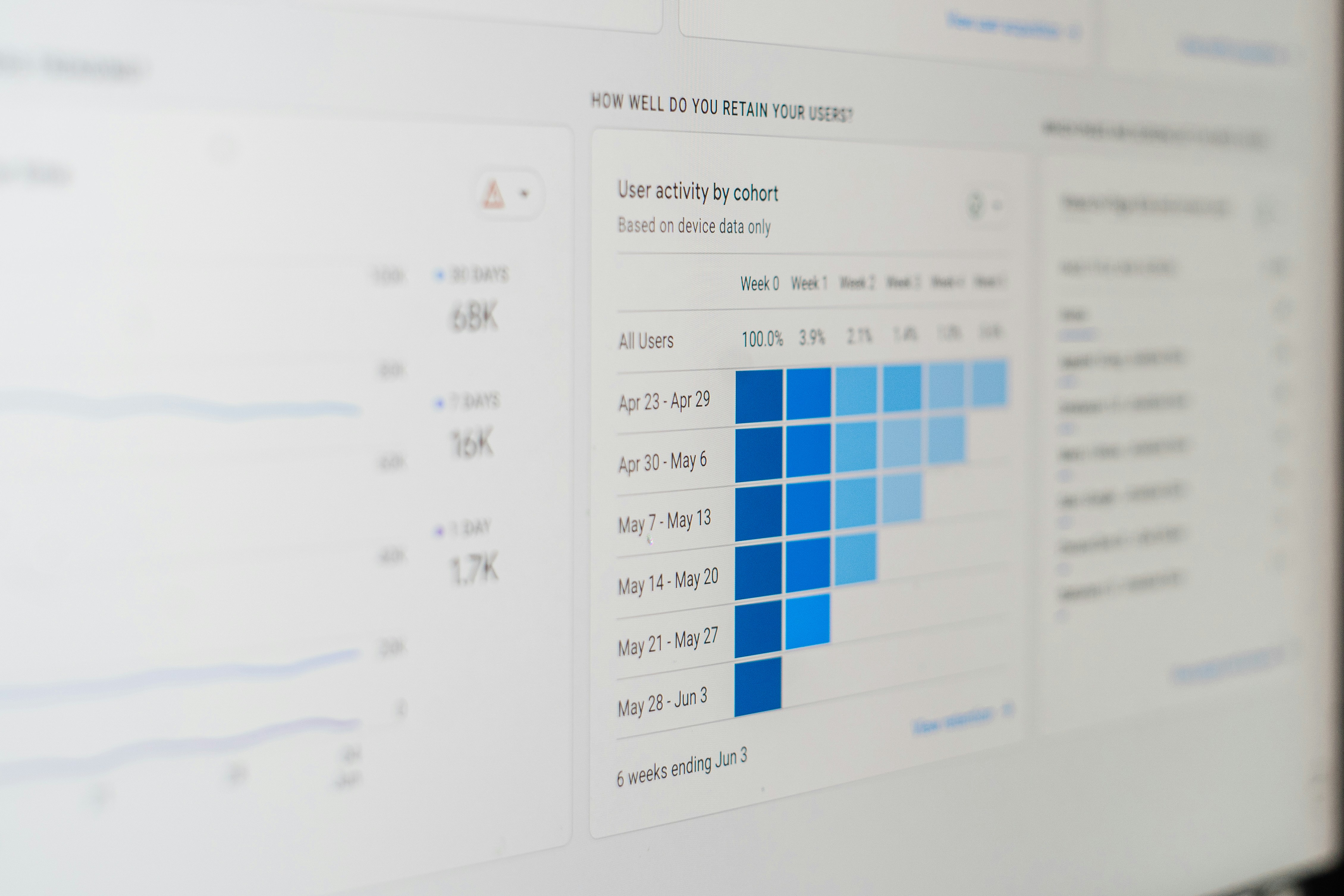
Introduction to Looker Studio and Google Analytics
Looker Studio, previously recognized as Google Data Studio, serves as a powerful platform for visualizing and analyzing data. With its user-friendly interface, Looker Studio allows users to connect various data sources, enhancing the ability to create interactive, shareable reports. It is particularly beneficial for those seeking to simplify the process of transforming raw data into comprehensible visual formats. Additionally, Looker Studio supports collaboration, enabling teams to work together seamlessly on reports, which promotes better decision-making based on insights derived from data.
On the other hand, Google Analytics is a robust tool used for tracking and reporting website traffic. It provides users with critical insights into how visitors interact with their websites and applications, helping them understand user behavior, demographics, and acquisition channels. Google Analytics goes beyond basic metrics, offering detailed reports that uncover trends and patterns, which allow businesses to adapt their strategies accordingly. With the ability to track not just quantitative data like pageviews, but also qualitative data such as user engagement, Google Analytics is essential for any data-driven organization.
The combination of Looker Studio and Google Analytics creates an efficient data ecosystem where users can derive actionable insights from their analytics data through visually appealing reports. By leveraging Looker Studio’s capability to connect with Google Analytics, users can enhance their reporting and analysis efforts. This integration empowers organizations to visualize key metrics, facilitating data-driven decision-making and more insightful business strategies. Understanding how to use Looker Studio with Google Analytics enables users to maximize the potential of their data, ultimately driving growth and improving performance across the board.
Why Use Looker Studio with Google Analytics?
Integrating Looker Studio with Google Analytics offers a plethora of advantages that can significantly enhance data analysis capabilities. Looker Studio functions as a powerful visualization tool that allows users to create customizable reports and dashboards that reflect key metrics important for understanding website performance.
One of the most notable benefits is the ability to generate real-time data visualizations. In the fast-paced digital landscape, timely access to data is crucial. By utilizing Looker Studio alongside Google Analytics, users can visualize data as it comes in, enabling them to promptly respond to emerging trends and consumer behavior patterns. This feature is particularly beneficial for marketing teams seeking to optimize campaigns in real-time, as they can see the immediate impact of various strategies.
Additionally, Looker Studio enables users to seamlessly combine data from multiple sources. This integration is essential for organizations looking to create a comprehensive overview of their performance metrics. By leveraging data not only from Google Analytics but also from other platforms—such as social media, CRM systems, and email marketing software—users can achieve a holistic view of their marketing efforts. This multifaceted approach to data analysis aids in identifying correlations and deriving insights that may remain hidden when only examining data from a single source.
The versatility in reporting is another crucial feature of using Looker Studio with Google Analytics. Users have the ability to tailor their reports to focus on specific goals and metrics that matter most to their business operations. This customization not only simplifies reporting processes but also enhances engagement with stakeholders who may be less familiar with the intricacies of Google Analytics. Overall, the integration of Looker Studio with Google Analytics is a strategic move that empowers users to extract maximum value from their data.
Getting Started: Setting Up Looker Studio with Google Analytics
To effectively leverage data insights, understanding how to use Looker Studio with Google Analytics is essential. The process begins by ensuring that you have access to both Looker Studio and a Google Analytics account. If you do not have a Looker Studio account, you can sign up for free using your Google credentials.
Once you have logged into Looker Studio, the first step is to create a new report. On the homepage, you will see a ‘+ Create’ button; clicking this will give you options to create a new report or data source. Select ‘Report’ to proceed. This will open a blank report, where you can start adding data sources and visualizations.
The next step involves linking your Google Analytics account to Looker Studio. To do this, click on ‘Add Data’ in the new report interface. A pop-up will appear, prompting you to choose a data source. Here, you will select ‘Google Analytics’ from the list of available connectors. After selecting it, you may need to authorize Looker Studio to access your Google Analytics account, which typically requires logging in and granting permissions.
Upon successful authorization, you’ll be able to choose which Google Analytics properties and views you wish to use for your report. This flexibility allows users to focus on specific data points relevant to their analysis. Once you have made your selections, click ‘Add’ to integrate this data into your report.
Finally, familiarize yourself with the Looker Studio interface. The report editor provides a variety of tools for data visualization, including charts, tables, and maps. By understanding how to use Looker Studio with Google Analytics, you can start creating visually engaging data reports that drive insights and inform decision-making. With the initial setup complete, you are now poised to explore and analyze your data effectively.
Creating Your First Report: A Step-by-Step Guide
Creating your first report using Looker Studio with Google Analytics can seem daunting, but by following a structured approach, you can easily gain meaningful insights from your data. Begin by logging into your Looker Studio account and linking it to your Google Analytics account. This integration is essential as it allows you to access your website’s performance metrics directly.
Once your accounts are connected, you will want to select the metrics and dimensions you are interested in analyzing. Metrics represent quantitative data, while dimensions provide context through categorical data. For instance, you might choose “Users” or “Sessions” as metrics, while “Source/Medium” or “Page Title” can serve as dimensions. These selections will form the foundation of your report.
After selecting your desired metrics and dimensions, it is time to add visual elements such as charts and graphs. Looker Studio provides a variety of visualization options, including bar charts, pie charts, and time series graphs, which can help convey your data effectively. Simply drag and drop elements onto your report canvas and customize them to suit your needs. This will not only enhance the visual appeal but also make the report easier to understand.
Customizing the report layout is the next step in this process. Ensure that your report is organized logically, with a clear flow of information. Use headings and text boxes to provide context for each section. Increasing clarity enhances comprehension, especially for varied audiences. Ensure that colors and designs are consistent throughout the report to maintain professionalism and focus.
Once you are satisfied with your report, you can share it with stakeholders directly through Looker Studio or export it in various formats for dissemination. This systematic approach not only simplifies the process of how to use Looker Studio with Google Analytics but also maximizes the insights drawn from your data.
Customizing Your Looker Studio Reports
Customizing reports in Looker Studio is essential for effectively utilizing your data and enhancing the insights drawn from Google Analytics. By tailoring reports to meet specific audience needs, you can ensure that the information presented is both relevant and actionable. Understanding how to use Looker Studio with Google Analytics effectively involves exploring the various customization options available.
One of the primary customization features is the ability to add filters. Filters allow you to hone in on specific subsets of your data, which can be invaluable when communicating insights to stakeholders. For instance, you might want to display data related to particular campaigns, geographical regions, or user demographics. By applying filters, you can create a more focused narrative that highlights key performance indicators relevant to your audience.
Additionally, creating calculated fields can significantly enhance your reports. These fields allow you to perform mathematical operations on existing data, such as calculating conversion rates or deriving new metrics that are not directly available in Google Analytics. Leveraging calculated fields enables deeper analysis and can reveal trends or anomalies that would otherwise go unnoticed.
Modifying visualizations is another crucial aspect of customizing Looker Studio reports. Different visualization types—such as line charts, bar charts, and pie charts—convey information in varied ways. Choosing the right type of visualization ensures that the audience can effortlessly grasp the data’s significance. Furthermore, you can adjust aspects such as colors, labels, and chart styles to align with your organization’s branding or the preferences of your audience.
By integrating filters, calculated fields, and customized visualizations, users can unlock the full potential of Looker Studio in conjunction with Google Analytics. This level of customization not only enhances the audience’s understanding of the data but also encourages informed decision-making based on the insights gleaned.
Sharing and Collaboration Features in Looker Studio
One of the standout features of Looker Studio is its robust sharing and collaboration capabilities, which facilitate teamwork and enhance data-driven decision-making. With Looker Studio, users can easily share reports with colleagues, clients, or external stakeholders. Shareable links can be generated that allow recipients to access the reports without requiring a Looker account. This feature is particularly beneficial for teams working in diverse environments, as it enables quick dissemination of insights gathered from Google Analytics.
In addition to sharing reports, Looker Studio provides a range of options for setting permissions to control who can view or edit the reports. Users can assign different access levels to team members, ensuring sensitive data remains protected while still allowing collaboration. For instance, one may grant edit permissions to data analysts while providing view-only access to executives who may not require in-depth analysis. This hierarchical access helps streamline the workflow, making it easier to manage contributions from multiple team members effectively.
Furthermore, Looker Studio incorporates feedback functionality that allows collaborators to comment directly on reports. This real-time feedback loop streamlines communication and enables teams to discuss changes or insights as they emerge. Users can highlight specific data points or visualizations within the report itself, providing context for their comments and facilitating constructive discussions. This integration of feedback supports the iterative development of reports, making it easier for teams to refine their data narratives and enhance the storytelling aspect of their analytics.
In conclusion, the sharing and collaboration features within Looker Studio significantly improve the way teams interact with data from Google Analytics. By leveraging these tools, organizations can maximize their data insights while fostering a culture of collaboration and informed decision-making.
Best Practices for Using Looker Studio with Google Analytics
To maximize the effectiveness of data-driven insights when utilizing Looker Studio alongside Google Analytics, it is essential to adopt several best practices. One of the primary strategies involves establishing consistent naming conventions across your metrics and dimensions. This approach not only promotes clarity but also facilitates easier collaboration among team members who access the data. By using uniform terminology, users will find it simpler to interpret data visualizations and generate actionable insights.
Additionally, regularly updating your reports is vital to ensure that the data remains relevant and informative. Outdated reports can lead to misinformed decisions, which may adversely affect your business strategies. Implement a schedule for reviewing and refreshing data at consistent intervals, such as weekly or monthly. This proactive approach helps in keeping your insights aligned with real-time performance metrics, allowing you to adjust your strategies as necessary. Always remember to check for new metrics provided by Google Analytics that can enhance your reports in Looker Studio; staying current with updates can provide deeper insights.
Ensuring data accuracy is another crucial practice when using Looker Studio with Google Analytics. Regularly audit your data sources to ascertain that all information is being captured correctly and is free of discrepancies. This includes checking the setup of tracking codes in Google Analytics to confirm that they are implemented accurately across all your digital platforms. Accurate data leads to reliable insights, which can significantly influence marketing decisions and resource allocations.
Lastly, leveraging the powerful visualization capabilities within Looker Studio can aid in effectively presenting complex data sets. Take advantage of charts, graphs, and dashboards to translate raw data into visual formats that are easier to understand. In conclusion, by adhering to these best practices, you can ensure that your utilization of Looker Studio with Google Analytics is as effective and insightful as possible.
Common Pitfalls to Avoid
When exploring how to use Looker Studio with Google Analytics, it is crucial to be aware of common pitfalls that can lead to data misinterpretation and missed opportunities for actionable insights. Understanding these potential mistakes helps users leverage the full power of their data.
One frequent error is inadequate preparation of data sources. Users may encounter inconsistencies if data is not properly structured within Google Analytics before being imported into Looker Studio. This can lead to confusion in visualizations and reports. It is essential to ensure that the data collected through Google Analytics is clean and well-organized to facilitate accurate reporting in Looker Studio.
Another pitfall arises when stakeholders neglect to define clear objectives for their reports. Without established goals, users risk creating a dashboard filled with unnecessary metrics that do not offer actionable insights. It is advisable to determine key performance indicators (KPIs) that align with business objectives before setting up visualizations in Looker Studio.
Additionally, failing to utilize Looker Studio’s advanced features can limit the effectiveness of data analysis. Many users do not explore features such as dynamic filters, custom metrics, or calculated fields. These capabilities can significantly enhance the depth of analysis when combined with Google Analytics data, leading to more informed decision-making.
Lastly, overlooking the importance of ongoing review and adjustment is a common mistake. Digital marketing landscapes are ever-evolving, and thus reports should also be routinely updated to reflect current strategies and outcomes. By continuously refining how to use Looker Studio with Google Analytics, users can maintain relevance and precision in their data interpretation.
By being aware of these common pitfalls, users can maximize their effectiveness in using Looker Studio alongside Google Analytics, leading to more reliable insights and improved decision-making in their data-driven initiatives.
Further Resources and Support
As you embark on your journey to learn how to use Looker Studio with Google Analytics, there are numerous resources available to enhance your understanding and proficiency. Numerous tutorials can guide you step-by-step through the intricate processes of integrating these powerful tools. Websites such as Google’s official documentation provide extensive explanations and examples that can be particularly useful for both beginners and advanced users. These materials often cover a range of topics, including data visualization, custom reports, and real-time analytics.
In addition to official documentation, several online platforms host user-generated tutorials that can offer different perspectives and tips. YouTube, for instance, is populated with comprehensive video guides on how to use Looker Studio with Google Analytics effectively, allowing you to visualize and comprehend various functionalities in an accessible format. Forums such as Reddit and specialized analytics community platforms also serve as invaluable resources where you can engage with fellow users, share experiences, and seek advice on specific challenges you may encounter.
For more tailored assistance, our services page offers professional support that can cater to your specific needs related to Looker Studio and Google Analytics. Whether you require training sessions, one-on-one consultations, or bespoke solutions, our team is equipped to guide you through the complexities of data analysis and visualization. We highly encourage you to reach out via our contact page for personalized help, should you require additional clarification, recommendations, or support throughout your learning experience.
With these resources at your disposal, you will be well-equipped to understand how to use Looker Studio with Google Analytics to maximize your data insights effectively. Utilize these tools and communities to expand your knowledge, ensuring you derive the greatest value from your data initiatives.