Introduction to Looker Studio and Yext
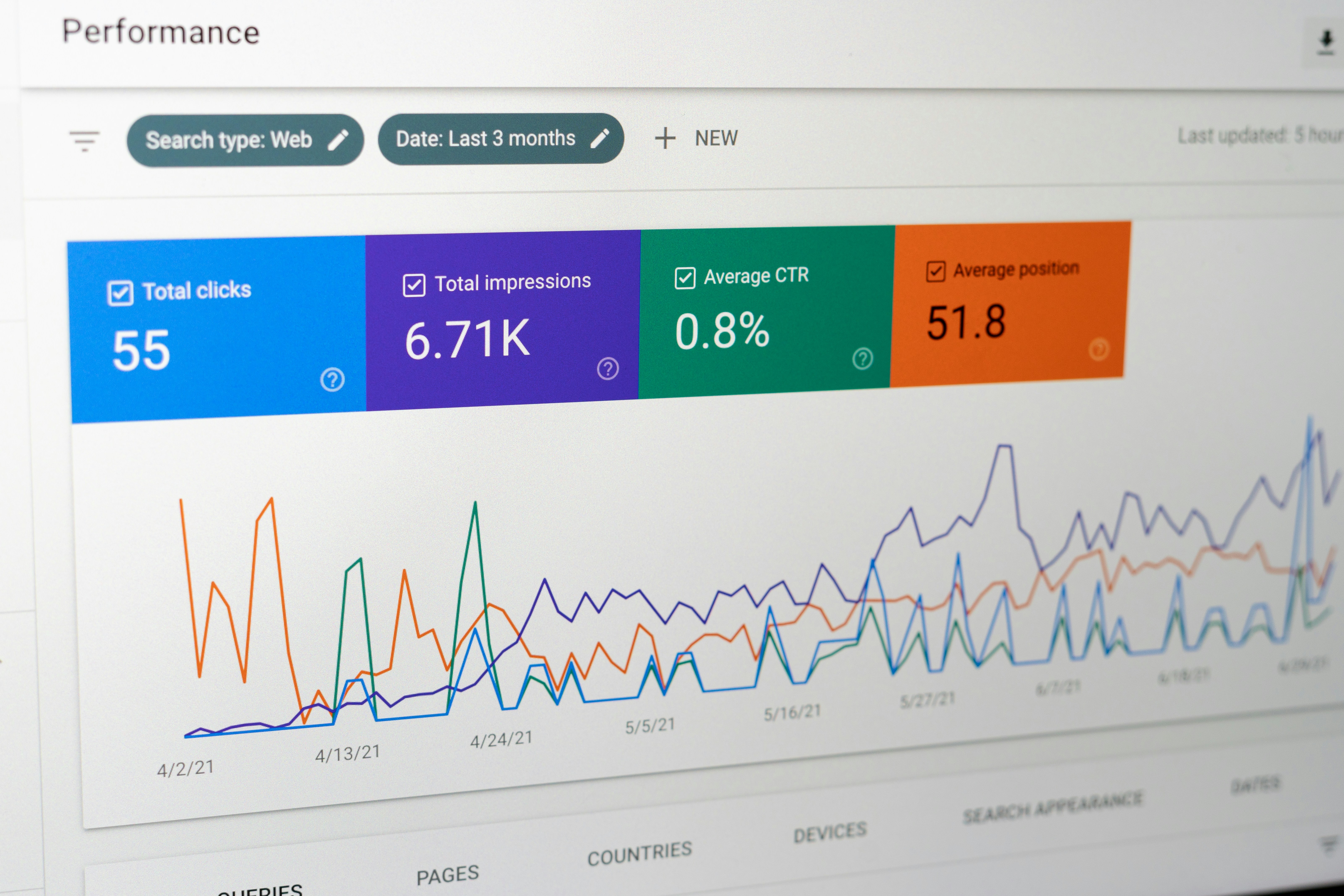
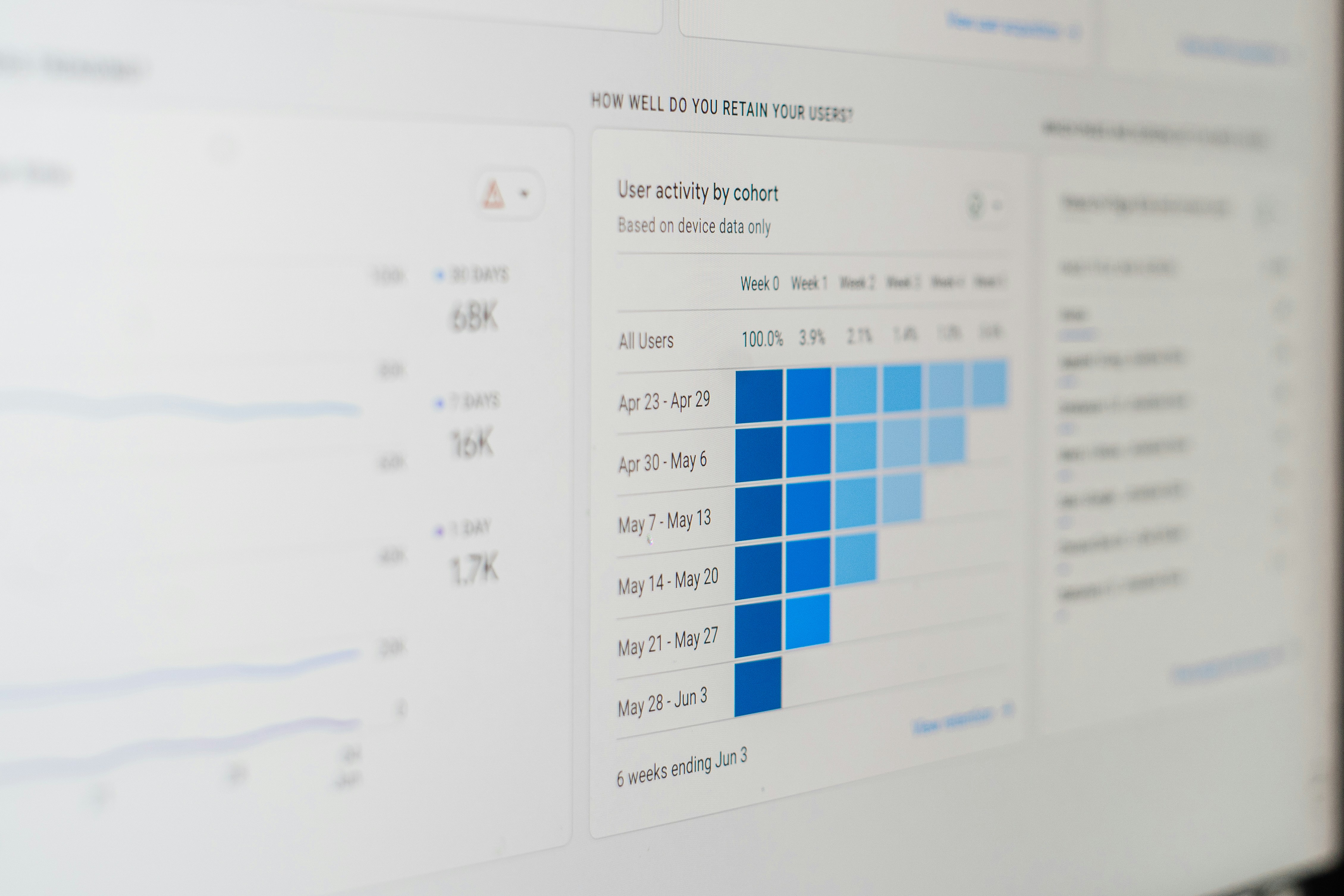
In the contemporary business landscape, the integration of data analytics tools is crucial for informed decision-making. Among these tools, Looker Studio and Yext stand out as pivotal systems that enhance data visualization and reporting. Looker Studio is a business intelligence platform that specializes in providing intuitive data insights from various sources, allowing organizations to create comprehensive reports and dashboards tailored to their specific needs. Its ability to customize visual data representations empowers marketing teams to explore and analyze performance metrics efficiently.
On the other hand, Yext serves as a robust analytics dashboard that primarily focuses on streamlining location-based data. It allows businesses to manage their online presence across multiple platforms, ensuring that information about their locations is accurate and readily available. Yext’s strong emphasis on local SEO strategies enables companies to attract potential customers in their vicinity, while also analyzing user engagement and conversion patterns. Together, Looker Studio and Yext form a powerful duo that enhances data-driven marketing strategies.
The significance of data-driven decision-making cannot be overstated. In a market increasingly driven by consumer behavior and preferences, leveraging comprehensive analytics is essential for creating effective marketing campaigns. The combined capabilities of Looker Studio and Yext facilitate the extraction of meaningful insights from large data sets, enabling teams to make evidence-based adjustments in their strategies. By utilizing these tools, businesses can optimize their marketing efforts, track performance in real-time, and foster growth through informed choices.
Understanding Data Analytics in Marketing
In the contemporary marketing landscape, data analytics plays a pivotal role in shaping strategies and optimizing campaign effectiveness. As businesses seek to enhance their marketing efforts, the integration of data analytics tools like Looker Studio and Yext Analytics Dashboard becomes increasingly significant. Data analytics allows marketers to sift through vast amounts of information to extract insights, allowing for informed decision-making and strategic planning.
One of the primary benefits of leveraging data analytics in marketing is the ability to quantify the return on investment (ROI) associated with various campaigns. Key metrics such as customer acquisition cost (CAC), lifetime value (LTV), and conversion rates can provide valuable insights into how well marketing expenditures translate into revenue. By tracking these metrics, organizations can evaluate which channels yield the best results and adjust their budgeting and resource allocation accordingly.
Furthermore, data analytics facilitates a deeper understanding of consumer behavior, which is essential for creating personalized marketing strategies. Analyzing customer data helps identify patterns and preferences, enabling marketers to tailor content and offers to meet the specific needs of their target audience. This level of customization not only improves engagement rates but also fosters brand loyalty. Tools such as Looker Studio and Yext Analytics Dashboard empower marketers to visualize data trends, making it easier to interpret complex datasets and derive actionable insights.
With access to real-time data, businesses can adapt their marketing approaches more swiftly, responding to shifts in consumer demand or market conditions. Such agility is crucial for maintaining a competitive edge. Therefore, understanding data analytics in the marketing context is vital for driving campaigns that are not only effective but also aligned with consumer expectations and business objectives.
Setting Up Looker Studio for Yext Integration
Integrating Yext with Looker Studio is a crucial step for businesses aiming to leverage their marketing insights effectively. To begin, you must ensure that you meet several prerequisites. First, you need an active Yext account with the necessary permissions to access the data within. Second, ensure you have a Looker Studio account that is properly configured. Having these accounts set up is essential for a smooth integration process.
Once you have the requisite accounts, the next step is to connect your Yext account with Looker Studio. To do this, sign in to your Looker Studio account and navigate to the ‘Data Sources’ section. Click on ‘Create’ followed by ‘Data Source,’ which will allow you to select ‘Yext’ as your data connector. It is vital to authenticate the connection by entering your Yext API credentials when prompted. This step is crucial as it allows Looker Studio to pull data from Yext securely.
After establishing the connection, you can select which datasets from Yext you wish to integrate into Looker Studio for analysis. This enables you to filter the data based on categories that are most valuable to your reporting. Depending on your marketing strategy, you might want to include metrics related to customer interaction, engagement levels, or any local SEO data that Yext provides.
Once you have tailored your data selection, click on the ‘Connect’ option to finalize the integration. After the setup is complete, Looker Studio will display the Yext data you selected, enabling you to create customized reports and dashboards. This integration provides a comprehensive view of your marketing performance, ultimately empowering better decision-making by harnessing valuable data insights effectively.
Creating a Comprehensive Dashboard
Designing a comprehensive dashboard using Looker Studio for Yext data involves several critical steps and considerations to ensure effective communication of marketing insights. A well-structured dashboard should facilitate quick decision-making by presenting data in a clear, concise manner, ultimately enhancing marketing strategies.
The first step in creating a dashboard is determining the key performance indicators (KPIs) important to your organization. These could include metrics such as customer engagement, conversion rates, or return on investment (ROI). Once you have identified these metrics, the next phase involves selecting relevant data sources. Looker Studio allows integration with various data sources, including Yext, which provides up-to-date location information and business data that can enrich your dashboard.
Visualizations play a pivotal role in the effectiveness of your dashboard. Consider including a mix of charts, graphs, and tables that represent your chosen KPIs. For instance, bar graphs can efficiently illustrate comparative performance across different locations or campaigns, while line charts can depict trends over time. It’s essential to select visualizations that align with the type of data being presented, making the insights easy to comprehend at a glance.
In addition to visualizations, implementing filters can greatly enhance the interactivity of your dashboard. Allowing users to filter data by various dimensions such as time periods, geographic locations, or specific campaigns can provide a more tailored analytical experience. This not only helps in focusing on the most relevant data but also fosters deeper insights.
Lastly, design should not be overlooked. A clean, intuitive layout will make the dashboard more engaging. Use consistent color schemes, fonts, and spacing to maintain readability. By following these guidelines, you will create a comprehensive dashboard that not only presents Yext data effectively but also maximizes marketing insights through Looker Studio.
Key Metrics and KPIs to Track in the Dashboard
In the realm of digital marketing, the ability to effectively analyze data is pivotal for success. Utilizing the Looker Studio dashboard in conjunction with Yext Analytics provides marketers with a robust toolkit for monitoring essential metrics and key performance indicators (KPIs). These insights inform strategy, optimize campaigns, and ensure alignment with business goals.
One of the fundamental metrics to consider is website traffic. This encompasses the total number of visitors to your site within a specific timeframe. By tracking this metric, marketers can discern patterns in user behavior, allowing them to adjust strategies and improve online presence. Enhanced website traffic is often indicative of successful marketing efforts, making it a vital KPI.
User engagement is another critical metric that reflects how visitors interact with your content. This includes metrics such as page views, time spent on site, and bounce rates. High levels of user engagement signify that the content resonates with the audience, indicating effective messaging and targeting strategies. Marketers should strive to analyze not only the quantity of interactions but also the quality to gauge content effectiveness.
Lead generation serves as a marker for potential customer interest. Tracking the number of leads generated through various campaigns can provide insights into which strategies are most effective. Metrics such as lead conversion rates—comparing leads to actual customers—further illustrate the efficiency and effectiveness of marketing efforts.
Conversion rates are arguably one of the most critical metrics for any marketing dashboard. They measure the percentage of visitors who take a desired action, such as making a purchase or filling out a contact form. High conversion rates indicate that marketing strategies are aligned with audience needs and preferences, driving revenue and growth.
By focusing on these key metrics and KPIs within your Looker Studio dashboard connected to Yext, you can bolster your marketing insights and progressively enhance your operational strategies.
Customizing Your Analytics Dashboard
Looker Studio offers a wealth of customization options for its analytics dashboards, enabling users to tailor the visual presentation and functionality to meet specific business requirements. One of the primary customization features is the ability to create and incorporate custom fields. By defining new metrics or dimensions, businesses can ensure that their dashboard captures the most relevant data for their unique objectives. This flexibility allows marketers to measure performance indicators that matter most to their operations.
Another significant aspect of customization in Looker Studio is the variety of visualization types available. Users can choose from bar charts, line graphs, pie charts, heat maps, and more, allowing them to present data in a way that is most comprehensible for their audience. Switching between visualization types can provide different perspectives on the same dataset, facilitating deeper analysis and insights. It is crucial to select visualizations that not only enhance aesthetic appeal but also promote clarity, making complex data easy to understand at a glance.
Additionally, the ability to adjust data range settings plays a vital role in customizing dashboards. Users can specify date ranges to focus on specific time frames, such as past weeks, months, or years, providing the capability to analyze trends and seasonal fluctuations. This feature ensures that businesses receive the most relevant data at the right time, enabling them to make informed decisions swiftly. By continuously monitoring and adjusting these settings based on emerging objectives, organizations can keep their analysis current and impactful.
In leveraging these customization features, Looker Studio users can develop a highly functional analytics dashboard, well-suited for their particular business context. This tailored approach fosters a better understanding of marketing metrics and ultimately drives more informed decision-making.
Practical Use Cases of Looker Studio and Yext Dashboard
In the rapidly evolving digital landscape, businesses across various industries have begun to incorporate Looker Studio and Yext Analytics Dashboard to derive actionable insights from their data. Through these tools, companies have diverse opportunities to harness data for strategic decision-making.
For example, a retail company can utilize Looker Studio to analyze purchasing trends and customer behavior. By integrating various data sources, the business gains a comprehensive view of consumer preferences. This insight enables the retail team to tailor marketing campaigns effectively, optimizing product placements and timing promotions to align with peak purchasing times. Such data-driven strategies lead to increased sales and customer satisfaction.
In the hospitality sector, businesses adopt Yext’s powerful dashboard to manage their online reputation. By analyzing customer reviews and feedback in real-time, hotels and restaurants can identify common accolades and complaints. This knowledge allows them to implement improvements promptly, enhancing customer experience and loyalty. For instance, timely responses to negative reviews can considerably improve customer perception, translating into better ratings and increased bookings.
Another compelling use case is found in the healthcare industry. Hospitals and clinics can leverage Looker Studio to process patient data and operational metrics. By examining this data, healthcare providers can streamline processes, reduce wait times, and enhance patient care quality. Analyzing patient feedback through Yext helps these institutions make informed adjustments to their services, allowing for improved patient outcomes.
Furthermore, educational institutions utilize Looker Studio to assess student engagement and performance data. By gaining insights into these metrics, schools can develop tailored learning programs that meet the specific needs of their students, ultimately leading to enhanced academic achievement.
Businesses across various industries illustrate the potential of Looker Studio and Yext Analytics Dashboard in maximizing marketing insights. Through data-driven decision-making, they foster growth and improve operational efficiencies.
Common Challenges and Solutions in Data Reporting
In the realm of business intelligence, leveraging tools such as Looker Studio and Yext Analytics Dashboard can dramatically enhance the effectiveness of marketing strategies. However, organizations often encounter several challenges when utilizing these analytics platforms for data reporting. One of the primary issues is ensuring data accuracy. Inaccurate data can lead to misguided decisions and ineffective marketing efforts, which can ultimately impact a company’s bottom line. To combat this challenge, it is essential to implement regular data validation checks and establish data quality standards across teams. Automated data cleansing processes can also be utilized to enhance the accuracy of the datasets being analyzed.
Another prevalent challenge in data reporting involves the complexity of data collection processes. Many organizations struggle with disparate sources of data and inefficient collection techniques, causing delays and inconsistencies that hinder timely insights. To streamline data collection, businesses can utilize integrated solutions that consolidate various data streams into a single source. This integration not only simplifies the reporting process but also enhances the overall coherence and reliability of the information presented within Looker Studio and Yext.
Furthermore, user training plays a critical role in overcoming the common challenges associated with analytics reporting. A lack of familiarity with these tools can lead to underutilization and misinterpretation of data. Organizations should invest in comprehensive training programs that equip employees with the necessary skills to navigate Looker Studio and Yext effectively. By fostering a culture of data literacy, businesses can empower their teams to maximize the benefits of these analytics platforms.
By addressing issues like data accuracy, streamlining data collection processes, and implementing effective training programs, organizations can significantly improve their experience with Looker Studio and Yext Analytics Dashboard, ultimately leading to more insightful and actionable marketing analytics.
Conclusion: The Future of Analytics in Marketing
In today’s dynamic landscape, the integration of analytics into marketing strategies is no longer a luxury but a necessity. Tools such as Looker Studio and Yext are not only empowering marketers with deeper insights but also allowing businesses to leverage real-time data for informed decision-making. As we embrace the future of analytics in marketing, the ability to harness vast amounts of data effectively will be pivotal in determining competitive advantage.
The emergence of artificial intelligence and machine learning is significantly shaping how data is interpreted and utilized. These technologies are enabling marketers to automate processes, enhance customer segmentation, and personalize consumer experiences at unprecedented levels. Predictive analytics, for instance, will allow businesses to anticipate customer behavior and adjust their marketing strategies accordingly—ensuring that marketing efforts are not only reactive but also proactive.
Furthermore, the increasing adoption of cloud-based analytics platforms will lead to greater collaboration among teams, facilitating a seamless data-sharing environment. This heightened accessibility to analytics tools can yield insights from a variety of data sources, ultimately fostering a more holistic view of marketing performance. As organizations continue to adapt to changing consumer behaviors, the capability to analyze data promptly will distinguish top-performing companies from their competitors.
In summary, the future of marketing analytics is ripe with potential, driven by advancements in technology and an increasing recognition of the value of data. By leveraging advanced analytics platforms like Looker Studio and Yext, marketers can refine their strategies, optimize resource allocation, and enhance overall business performance. As we move forward, the adaptability to innovate and embrace these tools will shape the success of marketing endeavors in the evolving digital environment.