Introduction to Looker Studio and AppNexus
Looker Studio, a powerful data visualization and reporting tool, has emerged as an essential component in the landscape of business intelligence. Its ability to transform complex data into visually accessible formats allows organizations to make informed decisions quickly. The integration of Looker Studio with AppNexus, one of the leading programmatic advertising platforms, enhances this capability by providing advertisers with an advanced framework for analyzing advertising campaign performance and audience engagement.
The significance of this partnership lies in the seamless transfer of data between AppNexus and Looker Studio, which enables users to create detailed reports that reflect real-time advertising metrics. By leveraging the expansive data sourced from AppNexus, Looker Studio not only facilitates comprehensive analysis but also supports intuitive insights into the effectiveness of marketing strategies. This integration exemplifies the growing trend of combining robust data visualization tools with specialized advertising platforms, resulting in heightened operational efficiency and enhanced decision-making processes.
This blog post aims to explore the functionalities of Looker Studio as they relate to AppNexus, providing readers with a comprehensive guide on how to navigate this powerful combination effectively. Through step-by-step instructions and tips on best practices, we aim to help users maximize their reporting capabilities while utilizing AppNexus for their advertising needs. Whether you are new to data visualization or an experienced user, this guide will equip you with the necessary knowledge to utilize Looker Studio’s features alongside AppNexus’ data to achieve compelling insights and drive successful advertising initiatives.
Understanding the Looker Studio Interface
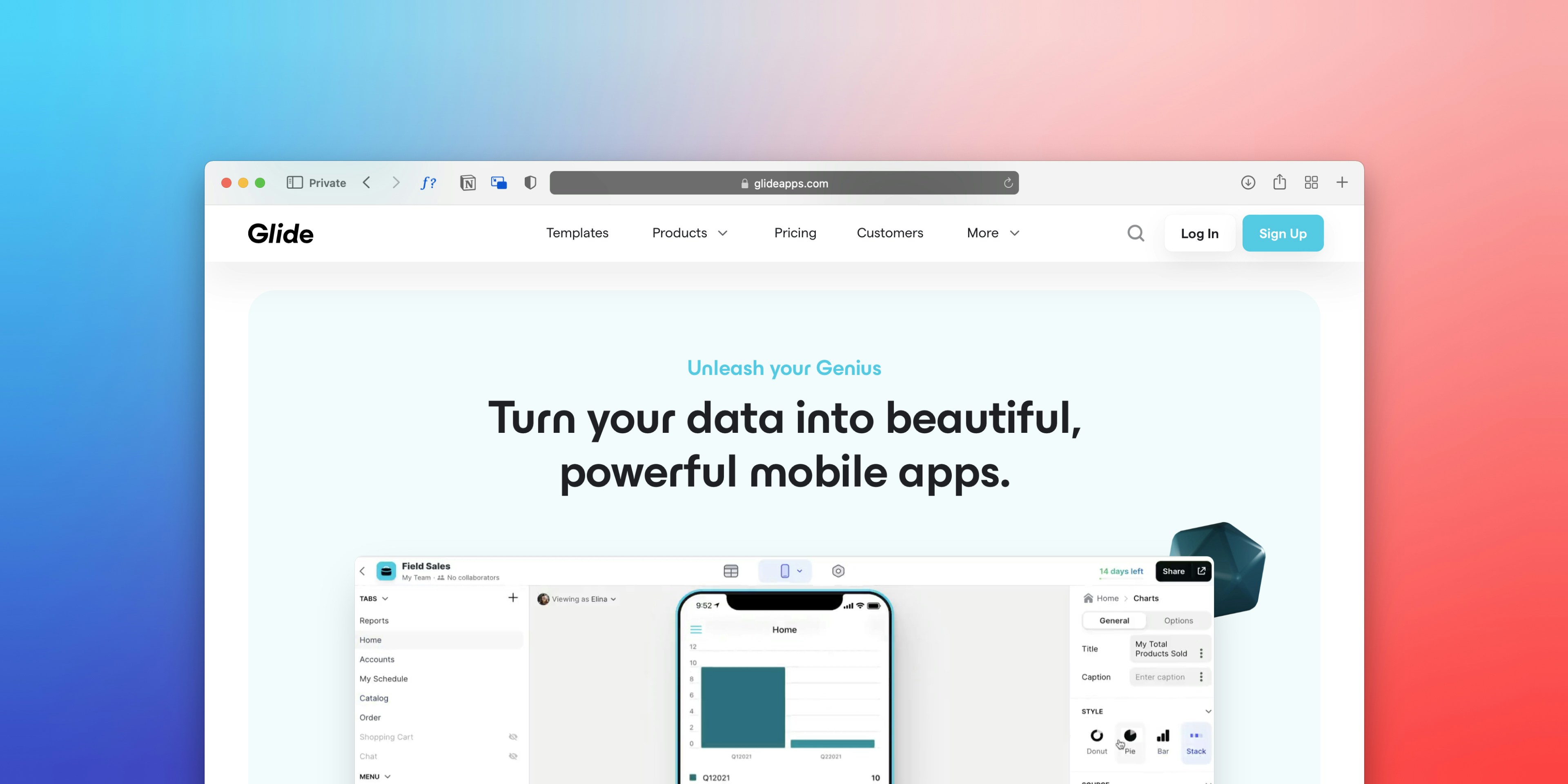
The Looker Studio interface is designed to facilitate data exploration and visualization, integrating various functionalities to cater to the needs of users at different proficiency levels. Users are initially greeted by a clean, organized dashboard that serves as the central hub for all their analytical activities. Familiarity with this interface is crucial for maximizing its potential.
At the top-left corner of the dashboard, users will find the navigation menu, which allows quick access to various sections such as dashboards, reports, data sources, and explorations. This menu is essential for efficiently moving between different functionalities without extensive searching, enhancing the user experience significantly.
Dashboards play a pivotal role within the Looker Studio framework, representing a customizable view of key metrics and visualizations. Each dashboard can contain multiple tiles, showcasing different visual elements such as charts, tables, and graphs. These visualizations can be linked to specific data sources, allowing users to draw insightful conclusions from their datasets. Users can leverage various visualization options, including line charts, bar graphs, and heat maps, to present their data effectively. The flexibility of this feature enables users to tailor their dashboards to meet specific analytical needs.
Another notable aspect of the Looker Studio interface is the query builder, a powerful tool for constructing custom data queries. This component allows users to specify criteria and filters to retrieve relevant data quickly. Understanding how to utilize this feature effectively can greatly enhance data analysis efficiency and accuracy.
In essence, navigating the Looker Studio interface requires a comprehensive understanding of its key components, including the navigation menu, dashboards, and visualization options. By mastering these elements, users can efficiently harness the platform’s capabilities to extract valuable insights from their data.
What is AppNexus and How Does it Enhance Looker Studio?
AppNexus, now part of the Xandr platform, is a leading technology company that specializes in digital advertising solutions. It provides a robust marketplace for advertisers and publishers to connect and optimize their advertising strategies. With its advanced tools and data-driven insights, AppNexus empowers businesses to make informed decisions in real-time, thereby maximizing their advertising potential. The platform leverages machine learning algorithms and powerful analytics to facilitate ad campaigns that are both efficient and effective.
In the context of Looker Studio, AppNexus plays a critical role by enhancing data visualization and reporting capabilities. Looker Studio, a comprehensive business intelligence tool, is designed to provide users with the ability to analyze data through interactive dashboards and seamless reporting functionalities. The integration of AppNexus into Looker Studio facilitates access to rich datasets that allow stakeholders to visualize and interpret complex advertising metrics in a more digestible format.
One of the primary benefits of this integration is the streamlined workflow it affords users. Advertisers can import data from AppNexus directly into Looker Studio, enabling them to create customized reports that reflect real-time performance across various advertising channels. This capability not only enhances transparency but also encourages collaboration within teams, as stakeholders can easily share insights and findings derived from the data.
Additionally, the combination of AppNexus and Looker Studio enables users to drill down into specific advertising metrics, creating a clearer picture of campaign effectiveness. By visualizing data trends, advertisers can identify what works and what does not, facilitating quicker adjustments to their strategies. Overall, the partnership between AppNexus and Looker Studio provides a powerful framework for enhancing the decision-making processes within the digital advertising landscape.
Integrating AppNexus with Looker Studio
Integrating AppNexus with Looker Studio is a straightforward process that enables businesses to leverage the analytical capabilities of Looker for enhanced data visualization and reporting. To begin, ensure you have the necessary credentials to both AppNexus and Looker Studio. The first step is to log into your Looker Studio account and navigate to the “Data Sources” section, where you can initiate the connection.
Next, select the option to create a new data source. Within the list of available connectors, locate the AppNexus connector. Click on it to proceed. You will be prompted to authorize Looker Studio’s access to your AppNexus account. This step is crucial as it allows Looker to retrieve data from AppNexus seamlessly. You may need to enter your AppNexus account credentials or API keys to complete this authorization process.
After successful authorization, you will be directed to configure the data fields you wish to pull from AppNexus. Carefully select the metrics and dimensions that align with your reporting goals. Looker Studio provides a library of available data fields; customize your selection to ensure relevant insights can be generated. Once you have made your selections, click on “Connect” to finalize the integration.
If you encounter any issues during the integration process, common troubleshooting steps include verifying your credentials, ensuring that the data you wish to analyze is accessible, and checking for any permission-related restrictions within your AppNexus account. Additionally, reviewing the Looker Studio documentation can provide further guidance. After these steps, your AppNexus data should be fully integrated with Looker Studio, allowing you to unlock valuable visualizations and insights that can significantly enhance your data-driven decisions.
Creating Effective Data Visualizations in Looker Studio with AppNexus
Creating impactful data visualizations is essential for effectively conveying complex information and insights derived from data analytics. Within the context of Looker Studio and utilizing data from AppNexus, several best practices can be employed to ensure that visual representations are both informative and engaging. The first step is to clearly define the purpose of the visualization. Understanding the message you want to communicate enables the selection of the most appropriate visualization type, whether it be charts, graphs, or maps, to highlight key data points.
Furthermore, simplicity should be prioritized. Overly intricate designs can distract and confuse the audience. Utilizing a straightforward and clean layout helps viewers to absorb information quickly. Focus on distilling the data to its most important elements and eliminate unnecessary clutter. Additionally, color plays a vital role in data visualization. Choosing a limited color palette can enhance comprehension while ensuring the visual remains aesthetically pleasing. Contrasting colors can be particularly effective for distinguishing different data sets, making it easier for viewers to draw comparisons.
When working with AppNexus data, it is critical to use context and annotations. Adding explanatory notes or captions can provide valuable insight into the data being presented, enabling viewers to grasp the nuances behind the visualizations. Moreover, interactive elements within Looker Studio can significantly enhance user engagement. Allowing users to filter data, zoom in on specific trends, or drill down to more detailed views fosters a deeper exploration of the information.
Lastly, testing your visualizations with a sample audience can provide feedback on clarity and impact. This iterative process ensures that the final product is not only visually appealing but also effectively communicates the story behind AppNexus’s data. By adhering to these best practices, users can create compelling data visualizations in Looker Studio that enhance understanding and drive informed decision-making.
Successful Case Studies of Looker Studio and AppNexus Integration
The integration of Looker Studio and AppNexus has proven valuable across various businesses, demonstrating significant results through analytical prowess and data-driven decision-making. One noteworthy example is a major retail chain that employed Looker Studio to visualize its advertising performance directly from AppNexus. By using Looker Studio dashboards, marketing teams could dive into granular data analysis, pinpointing which ad campaigns were achieving the highest conversion rates. This insight enabled them to allocate budgets more effectively, leading to an increase in sales by a remarkable 25% over the quarter.
Another compelling case is a digital marketing agency that utilized the combined capabilities of Looker Studio and AppNexus. The agency was faced with the challenge of managing multiple advertising channels while ensuring maximum ROI for its clients. By integrating their data in Looker Studio, they developed comprehensive reports that synthesized information from AppNexus, including impressions, clicks, and engagements. The resulting visualizations not only streamlined communication with clients but also highlighted key performance indicators that were critical for decision-making. As a result, client satisfaction rose significantly, as did the agency’s retention rate, ultimately boosting revenues by 30% year-over-year.
A third example is a financial services company that faced difficulties in understanding its customer acquisition costs. After implementing Looker Studio in conjunction with AppNexus, they were able to examine ad spending against customer sign-ups in real-time. The integration facilitated enhanced reporting capabilities, allowing stakeholders to measure the effectiveness of their campaigns based on various metrics. Through continuous optimization driven by these insights, the company was able to reduce acquisition costs by 15% while simultaneously increasing the quality of leads generated.
These case studies underscore the potential benefits businesses can obtain by harnessing the synergy between Looker Studio and AppNexus, showcasing effective solutions that lead to actionable insights and improved outcomes.
Common Challenges and Solutions
Using Looker Studio with AppNexus can present a variety of challenges for users, particularly for those who are new to either platform. One common hurdle is data integration. Users often struggle to connect and unify datasets from AppNexus with Looker Studio due to varying data formats and API limitations. To address this issue, it is essential to thoroughly understand the data schema of both platforms and utilize ETL (Extract, Transform, Load) tools to facilitate smooth data integration. These tools can help automate the extraction and transformation processes, allowing data to be easily imported into Looker Studio without manual intervention.
Another frequent challenge pertains to data visualization and interpretation. Users might find it difficult to represent complex data sets in a clear and comprehensible manner. This often leads to confusion when interpreting data insights. A solution to this would be to leverage pre-built templates and visualization best practices available within Looker Studio. Utilizing these templates can help users design intuitive dashboards that convey information more effectively. Additionally, focusing on key performance indicators (KPIs) that align with business goals can help in narrowing down the data to what truly matters.
Moreover, navigating Looker Studio’s user interface can initially be overwhelming, especially for users unfamiliar with business intelligence tools. To overcome this, comprehensive training and resources should be provided. Looker offers detailed documentation and training programs that can aid users in understanding the platform’s functionalities. Furthermore, joining community forums can provide valuable insights and foster connections with other users who may be facing similar issues.
Lastly, users may encounter performance issues, especially when handling large datasets. To mitigate this, optimizing queries and limiting the scope of data being processed can significantly enhance performance. By implementing these strategies, businesses can maximize the effectiveness of Looker Studio in conjunction with AppNexus, ultimately achieving a more productive data analytics workflow.
Future Trends in Data Reporting and Visualization
As organizations increasingly rely on data-driven decision-making, the evolution of data reporting and visualization tools becomes paramount. The landscape of data analytics is witnessing transformative changes, particularly with advancements in technologies such as Looker Studio and AppNexus. These innovations not only enhance the way data is presented but also aim to improve user engagement and understanding.
One notable trend is the increasing emphasis on real-time data reporting. As businesses operate in a fast-paced environment, the ability to access and analyze data instantaneously is becoming crucial. Tools like Looker Studio integrate seamlessly with various data sources, enabling users to derive insights in real time. This immediacy allows organizations to stay ahead of their competitors by making informed decisions based on the latest information available.
Additionally, the growing demand for intuitive and user-friendly interfaces is shaping the design and functionality of reporting tools. Users often seek a more visual representation of data, which aids in clearer communication and understanding of complex datasets. Platforms such as AppNexus leverage advanced visualization techniques—such as interactive dashboards and customizable views—to cater to this need, ensuring that users can easily glean insights without requiring extensive technical knowledge.
Moreover, the rise of artificial intelligence (AI) and machine learning (ML) is set to revolutionize data analytics. By integrating these technologies, tools like Looker Studio are expected to provide predictive analytics capabilities, enabling users to foresee trends and derive actionable insights more effectively. This integration will not only bolster the accuracy of data interpretation but also facilitate proactive strategies within organizations.
In conclusion, the trends of real-time reporting, intuitive design, and the incorporation of AI and ML will collectively reshape the future of data reporting and visualization. As tools like Looker Studio and AppNexus evolve, they will undoubtedly play a pivotal role in the journey towards enhanced data analytics and business intelligence.
Conclusion and Resources
In conclusion, navigating Looker Studio with AppNexus involves understanding both platforms to leverage their strengths effectively. The integration of Looker Studio’s advanced data visualization capabilities with AppNexus’s robust advertising technology allows users to gain insights into their data and make informed decisions. By utilizing Looker’s customizable dashboards and reports, marketers are empowered to track performance metrics closely, aligning their advertising strategies with actionable data.
Throughout this guide, we have discussed the various functionalities that each platform offers, including real-time analytics from AppNexus that can be seamlessly integrated into Looker’s data models. Furthermore, we examined best practices for optimizing campaigns through insightful visual representations, ensuring that users can maximize their return on investment. Understanding how to harmonize the capabilities of these two platforms is pivotal for businesses aiming to enhance their data-driven decision-making processes.
For those seeking more in-depth information, an array of resources is available to facilitate further exploration of Looker Studio and AppNexus. Readers are encouraged to visit our contact page for inquiries or personalized support. For detailed service descriptions, please consult our service page. Additionally, our blog page contains a wealth of articles focusing on both platforms, providing further context and use cases. By utilizing these resources, users can become more proficient in employing Looker Studio and AppNexus effectively in their advertising and data analysis endeavors.