
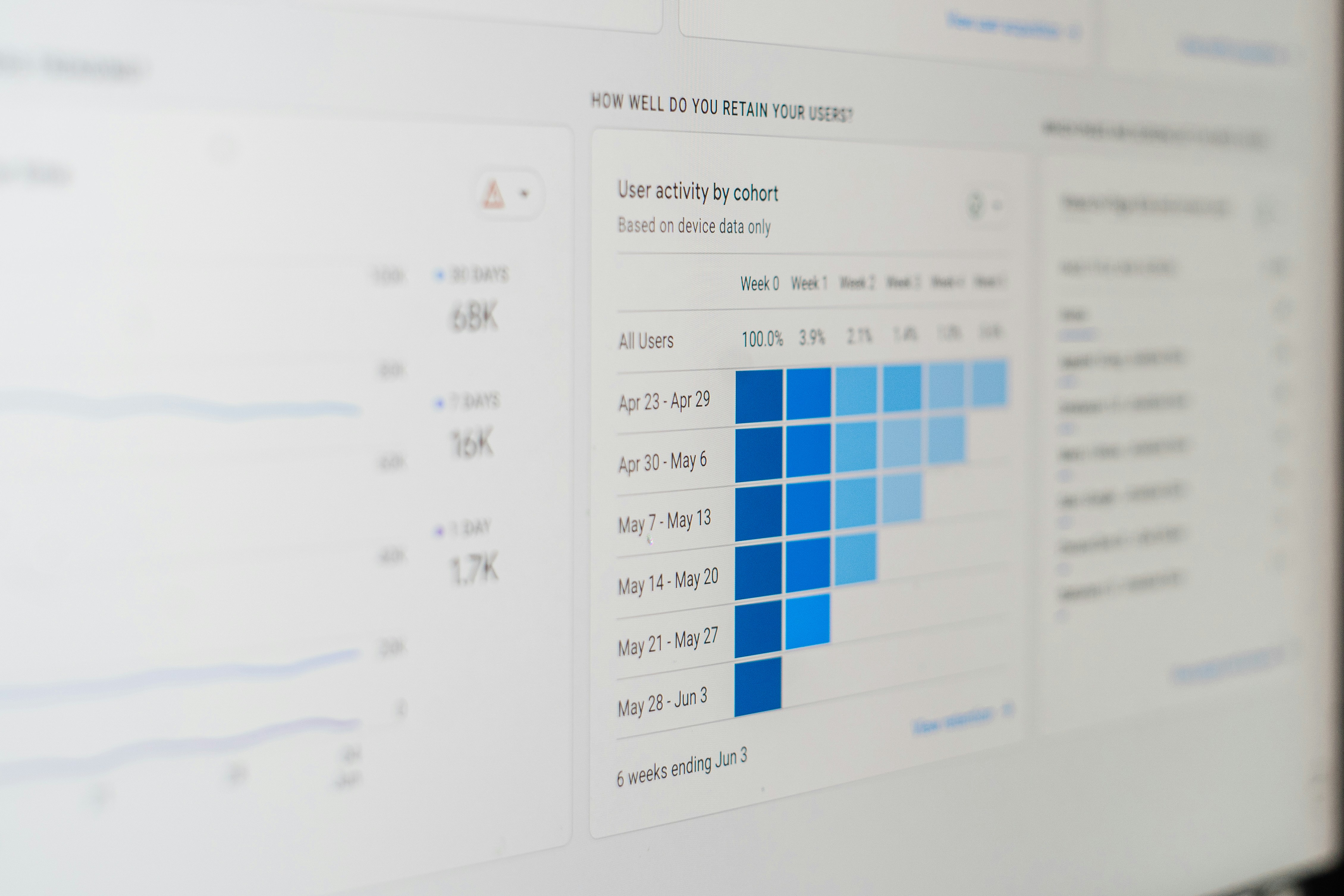
Introduction to Looker Studio Analytics
Looker Studio Analytics is an advanced platform that facilitates data visualization and analytics, allowing organizations to derive meaningful insights from their data. In an era where data-driven decision-making is becoming increasingly critical, understanding how to utilize such tools effectively is more important than ever. Looker Studio offers a user-friendly interface that empowers analysts, marketers, and business people to present complex data in a visually appealing and easy-to-understand format.
The importance of Looker Studio cannot be understated; it enables users to craft comprehensive reports that summarize critical business metrics, trends, and performance indicators. As analysts work to make sense of vast amounts of information, the tools provided by Looker Studio become instrumental in enhancing clarity and facilitating discussions around data points. One of the key elements that users need to be cognizant of is the canvas size, which can significantly affect the clarity and effectiveness of data representation.
Optimizing the canvas size in Looker Studio is crucial for making the most of the analytics capabilities available. A well-configured canvas not only improves the aesthetics of the reports but also enhances the user’s ability to interpret the data presented. Denser visualizations or poorly sized canvases can lead to confusion and misinterpretation of information, thereby hampering analysis and decision-making processes. Therefore, it is essential to familiarize oneself with the dimensions and layout options available in Looker Studio, ensuring that the chosen size complements the types of data being visualized.
This section sets the stage for an in-depth exploration of strategies to optimize Looker Studio’s canvas size for maximum impact. By understanding the nuances of canvas configuration, users can improve their analytical outcomes and ensure that their visual reports are not only informative but also compelling.
Understanding Canvas Size in Looker Studio
In the context of Looker Studio, “canvas size” refers to the dimensions of the workspace on which users create and manipulate their data visualizations and reports. This feature is crucial as it directly influences how information is presented and perceived by the audience. Users of Looker Studio can customize the canvas size through various predefined dimensions or set specific measurements tailored to their project needs. Standard dimensions might include common sizes such as 16:9 or 4:3, which resemble typical presentation layouts, while custom resolutions allow for flexibility depending on the requirements of the visual output.
Adjusting the canvas size in Looker Studio holds significant importance as it affects both the aesthetics and functionality of the reports. A well-optimized canvas size ensures essential data is highlighted effectively without overwhelming the viewer. This optimization contributes to a streamlined user experience, allowing for clearer insights and better decision-making based on the presented analytics. When users select a suitable canvas size, they can minimize unnecessary scrolling and maximize visibility, resulting in more engaging presentations.
Moreover, the proper canvas setting facilitates the alignment of various data visualizations, making it easier for users to create compelling narratives with their analytics. Larger canvas sizes can provide ample space for multiple elements, enabling more complex visualizations or extensive data models, while compact sizes can enhance focus on individual graphics or detailed metrics. Therefore, understanding and strategically adjusting the canvas size is vital in Looker Studio to ensure that data communicates effectively and resonates well with its intended audience.
Benefits of Adjusting Canvas Size
Optimizing the canvas size in Looker Studio presents a range of benefits that significantly enhance user experience and data interpretation. First and foremost, an adequately adjusted canvas contributes to improved readability. When data visualizations are sized appropriately, users can better absorb and understand the information presented, eliminating the fatigue that often accompanies cluttered interfaces. Clear visibility aids in the quick comprehension of insights, allowing stakeholders to make informed decisions efficiently.
Moreover, adjusting the canvas size plays a crucial role in preventing visual clutter. When multiple data types are displayed on a single canvas, a crowded layout can make it difficult for users to extract meaningful insights. By strategically configuring the dimensions, users can ensure that each visualization has its space, thereby fostering a clearer organization of elements. This organization encourages a more intuitive navigation experience, guiding users through the data without overwhelming them.
Another significant advantage of optimizing the canvas size lies in its ability to accommodate varying data types. Whether users are dealing with charts, tables, or graphs, an appropriately sized canvas allows for a harmonious integration of different formats. This adaptability ensures that each type of data maintains its integrity and is presented in a way that aligns with its unique characteristics, further enhancing engagement and understanding.
Facilitating better user engagement is perhaps one of the most compelling reasons to optimize canvas size. By creating a compelling visual landscape, users are more likely to interact with the data and explore the insights it offers. When the aesthetic and functionality of the canvas align, it paves the way for deeper engagement, fostering a connection between the data and its audience. As data visualization increasingly becomes a cornerstone of decision-making, the importance of canvas size adjustments cannot be overstated.
Setting the Right Canvas Size: Best Practices
Choosing the optimal canvas size for your Looker Studio analytics dashboard or report is crucial for delivering clear and impactful insights. To begin, consider the audience for whom the report is intended. Understanding the viewers’ perspectives can inform the decisions on size and layout, ensuring that critical data is not only visible but also easily interpretable. For example, a report intended for executives will often necessitate a different format compared to one aimed at data analysts who might appreciate deeper technical details.
The type of data being presented also plays a vital role in determining the ideal canvas size. Certain datasets lend themselves well to more intricate visualizations, while others may benefit from a more streamlined approach. For instance, when displaying multiple metrics, a larger canvas may accommodate complex charts, tables, and graphs without overwhelming the viewer. Conversely, a more focused report on a singular metric might only require a smaller, concise canvas for clarity. Evaluating the nature of the data can lead to more strategic choices regarding dimensions and layouts.
Moreover, the specific dimensions of your canvas can significantly enhance clarity. Aligning the width and height appropriately ensures that all visual elements are proportioned correctly and do not crowd each other. Utilizing a grid layout can promote balance and help users navigate the dashboard more intuitively. It’s essential to adhere to design principles, such as the rule of thirds or golden ratio, to create aesthetically pleasing visualizations. By applying these best practices, you can maximize the effectiveness of your Looker Studio analytics canvas, facilitating smoother engagement and deeper understanding of the presented information.
Common Mistakes to Avoid When Adjusting Canvas Size
When optimizing the Looker Studio Analytics canvas size, it is essential to be aware of various prevalent mistakes that can compromise the effectiveness of your data presentation. One significant pitfall is failing to consider the needs of the target audience. Each audience may have varying levels of expertise, and a canvas that does not cater to these differences may lead to misinterpretation of the displayed data. For instance, complex visualizations may overwhelm less experienced users, while overly simplified views may not provide enough detail for data-savvy stakeholders. The key is to strike a balance that accommodates the specific needs of your audience.
Another common error is skimping on space allocated for crucial data insights. While adjusting your canvas size, it may be tempting to shrink the dimensions to fit more data points or visualizations. However, this can lead to cramped visuals that could hinder readability and comprehension. Important insights may become obscured or difficult to discern, ultimately diminishing the canvas’s effectiveness in conveying the intended message. To optimize your canvas, ensure that there is adequate spacing for each visualization and that the narrative flows logically, allowing for easy interpretation of the critical data displayed.
Additionally, ignoring screen resolutions is a mistake that can lead to frustrating user experiences. Different devices, whether desktops, tablets, or smartphones, have varying screen sizes and resolutions. A canvas that looks great on one device may be ineffective on another. When adjusting the canvas size, it is crucial to consider multi-device compatibility to ensure your analytics are visualized appropriately across all platforms. Adapting your design with responsive elements or setting an optimal size that maintains clarity across devices can assist users in extracting meaningful insights without encountering layout problems.
Case Studies: Successful Use of Canvas Size Optimization
In the realm of data visualization, optimizing canvas size within Looker Studio can significantly enhance the usability and impact of reports. Various organizations have successfully leveraged this technique to streamline their data presentation and improve decision-making processes. One notable case is XYZ Corporation, a mid-sized enterprise in the retail sector. Their original dashboards suffered from overcrowding, making it challenging for stakeholders to extract meaningful insights. By re-evaluating their canvas size, they appropriately resized their dashboards to focus on key performance indicators. This restructuring led to a 30% increase in engagement from executives, who found the streamlined visuals far more approachable and informative.
Another illustrative example comes from a healthcare analytics provider, HealthMetrics. Previously, their reports were too condensed, resulting in information overload for healthcare professionals. Following a thorough review of their reporting practices, they adopted a more expansive canvas size that allowed for the incorporation of graphical elements and more granular data segments. The shift not only improved comprehension but also expedited data-driven decision-making. HealthMetrics reported a 25% enhancement in report utilization across various departments, emphasizing the merit of thoughtful canvas optimization.
Furthermore, a leading educational institution, Learning University, embarked on a project to optimize their Looker Studio analytics for better insights into student performance. Initially, their dashboards were misaligned with user needs, lacking clarity and actionable data. After adjusting the canvas size, they tailored visualizations to highlight critical metrics relevant to educators. The improvements resulted in a notable increase in the dashboard’s usage by faculty members, fostering a data-centric culture that promoted timely interventions and support for students.
These case studies demonstrate that canvas size optimization in Looker Studio is not merely a technical change but a strategic enhancement that can lead to substantial improvements in data accessibility and stakeholder engagement.
Tools and Resources for Canvas Size Adjustment
Optimizing the canvas size in Looker Studio can significantly enhance the effectiveness of your reporting and analytics tasks. Various tools and resources are available to facilitate this adjustment, offering both built-in features and third-party solutions.
One of the primary built-in features in Looker Studio is the ability to customize your canvas dimensions directly within the interface. This allows users to configure the size according to their specific requirements, ensuring that reports are visually appealing and effectively showcase the data. Additionally, the responsive design of Looker Studio accommodates different screen sizes, enabling users to view their reports optimally across various devices.
For users seeking more advanced functionalities, several third-party plugins enhance the experience of adjusting canvas sizes. Extensions such as “Looker Data Studio Canvas Resizer” provide users with the ability to easily modify their canvas dimensions beyond the default settings. These tools often come with customizable options that allow for precise adjustments tailored to individual reporting needs.
Moreover, user communities and forums can serve as invaluable resources for learning and sharing tips on canvas optimization. Resources like the Looker Studio Community and other dedicated analytics forums provide insights and user-generated content that can guide individuals in utilizing tools effectively.
Another noteworthy mention is the array of online tutorials and guides available on platforms like YouTube or specialized blogs. These resources provide step-by-step instructions on how to utilize both built-in functionalities and third-party tools for adjusting canvas sizes.
In conclusion, leveraging both the built-in features of Looker Studio and the wealth of third-party tools can create a robust framework for optimizing canvas sizes. By utilizing these resources, users can enhance their data visualization experience, ultimately leading to more impactful reporting and analytics outcomes.
Future of Looker Studio Analytics: Evolving Canvas Design
The landscape of data visualization is continuously evolving, and Looker Studio is at the forefront of this transformation. As organizations increasingly recognize the significance of data-driven decision-making, advancements in design frameworks and technologies are playing a pivotal role in shaping the future of Looker Studio analytics. One of the key areas of focus has been on optimizing the canvas size to enhance user experience and data presentation.
Emerging trends in user interface (UI) design emphasize the necessity for adaptable and responsive layouts. This flexibility allows users to interact seamlessly with visualizations across various devices, from desktops to tablets and mobile phones. As a result, designers are now prioritizing fluid canvas designs that can recalibrate based on screen size while maximizing visual impact. Such innovations not only boost accessibility but also ensure that the insights derived from Looker Studio analytics remain clear and actionable.
Furthermore, advancements in augmented reality (AR) and virtual reality (VR) technologies are expected to influence how canvas sizes are perceived and utilized. By integrating immersive elements into data visualization, Looker Studio can present information in a more engaging manner. These technologies would allow users to interact with data in three-dimensional spaces, thereby altering the traditional notion of canvas size and functionality.
Additionally, there is a growing emphasis on incorporating artificial intelligence (AI) into data visualization. AI-driven analytics can dynamically adjust the canvas layout based on user behavior and preferences, optimizing the visual experience. This personalized approach to data display could lead to significant improvements in how insights are communicated within the Looker Studio environment.
In conclusion, the future of Looker Studio analytics is set to witness profound changes in canvas design, driven by advancements in responsive design, AR/VR technologies, and AI integration. These trends not only hold the potential to optimize canvas size but also aim to enhance overall user engagement with data visualizations.
Conclusion and Call to Action
In the realm of data visualization, the size of your analytics canvas in Looker Studio plays a pivotal role in conveying insights effectively. By optimizing your canvas size, you enhance the clarity and impact of your visualizations, thus enabling better decision-making processes. A well-structured canvas not only enhances the aesthetic appeal of your reports but also ensures that the critical information stands out, facilitating a more intuitive understanding of the data presented.
Throughout this discussion, we have highlighted the significance of canvas optimization and provided guidelines for re-evaluating your current report layouts. It is essential to consider various factors such as the target audience, the amount of data being displayed, and the specific insights you aim to communicate when determining the appropriate canvas size. Experimentation is key; an optimized canvas may require adjustments based on feedback or iterative testing to achieve maximum effectiveness.
We encourage you to take proactive steps in assessing your existing Looker Studio reports. Explore different canvas sizes and layouts to discover which configurations work best for your particular dataset. This optimization process can lead to more engaging and informative presentations of your analytics, ultimately driving deeper understanding and actionable insights.
Moreover, we invite you to delve into additional Looker Studio resources that can further enhance your skills and knowledge. Continuous learning and adaptation in analytics practices will undoubtedly contribute to achieving greater impact with your data visualizations. Start optimizing today and transform the way your data narrative unfolds.