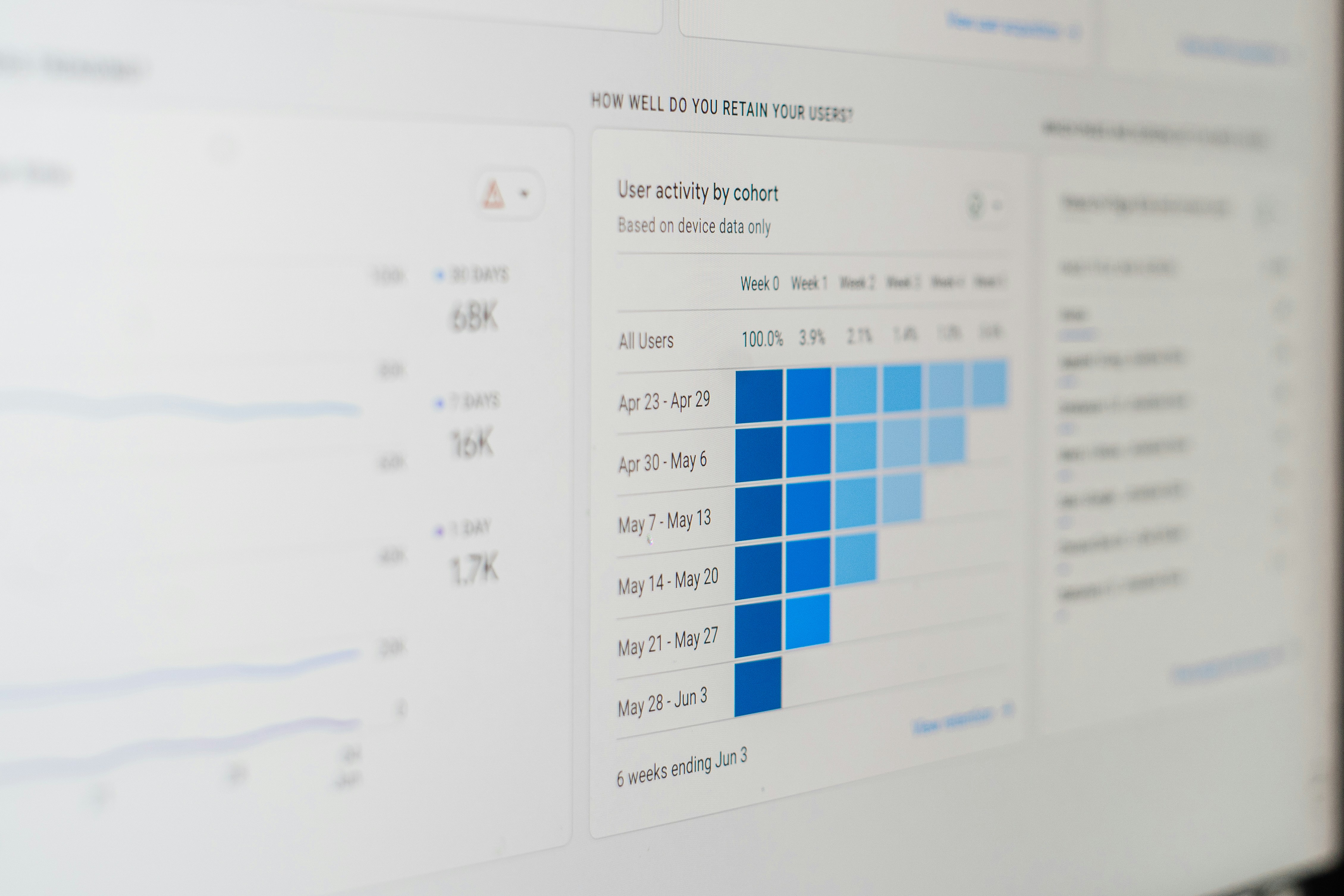
Introduction to Business Intelligence Tools
Business Intelligence (BI) tools are essential software applications that enable organizations to analyze and visualize data, facilitating informed decision-making processes. In today’s data-driven environment, the ability to derive actionable insights from large volumes of data has become a critical component for businesses aiming to remain competitive. These tools help organizations transform raw data into meaningful information, allowing stakeholders to understand trends, monitor performance, and strategize effectively.
BI tools aggregate data from various sources, enabling users to create interactive dashboards, reports, and visualizations that highlight key performance indicators (KPIs) and metrics. This not only enhances data transparency but also promotes a culture of data-driven decision-making across all levels of the organization. As a result, businesses are better equipped to identify opportunities, optimize operations, and forecast future performance.
Among the myriad of BI tools available in the market, three have emerged as industry leaders: Power BI, Looker, and Tableau. Each of these tools offers unique features and capabilities tailored to different business needs. Power BI, developed by Microsoft, is known for its seamless integration with other Microsoft products and its user-friendly interface, making it a popular choice for businesses that prioritize ease of use. Looker, now a part of Google Cloud, emphasizes data modeling and a strong analytical framework, offering flexibility in exploring and visualizing data. Lastly, Tableau stands out with its advanced visualization capabilities and strong emphasis on user experience, enabling users to generate in-depth insights through intuitive graphical representations.
In exploring these prominent BI tools, organizations can make an informed choice that aligns not only with their technical requirements but also with their strategic goals. The right BI tool can empower businesses to harness their data more effectively, ultimately leading to improved performance and competitive advantage.
Overview of Power BI
Microsoft Power BI is a robust business analytics tool designed to provide interactive visualizations and business intelligence capabilities with an easily accessible interface. One of its standout features is the intuitive drag-and-drop functionality, which enables users to create compelling reports and dashboards without the need for extensive technical expertise. This ease of use has made Power BI a preferred choice for organizations of all sizes, particularly small to medium-sized enterprises that require data-driven decision-making without the complexities associated with traditional data visualization tools.
Integration capabilities further enhance the appeal of Power BI, particularly for businesses already utilizing Microsoft products. Seamless connections with Office 365, Azure services, and other Microsoft applications allow users to pull in data from various sources effortlessly. This interoperability not only streamlines the data analysis process but also ensures that organizations can leverage existing tools for improved efficiency. The platform supports a wide array of data sources, including Excel spreadsheets, SQL databases, cloud services, and more, making it a versatile choice for diverse business needs.
Power BI boasts an active community of users who contribute valuable resources, including forums, tutorials, and user-generated content. This community support can be a critical asset for new users navigating the platform, fostering an environment of shared knowledge and experience. When it comes to visualizations, Power BI offers a rich library of customizable chart types, maps, and tables, enabling users to present data in a manner that resonates with their audience.
The pricing model of Power BI is another attractive feature, providing a free tier with fundamental capabilities and paid plans that cater to more advanced requirements and larger user bases. Overall, Power BI presents a flexible, user-friendly solution for organizations aiming to harness the power of data visualization in their business intelligence efforts.
Exploring Looker
Looker, a robust data visualization tool, distinguishes itself through its innovative approach to data analytics, particularly with its powerful modeling layer known as LookML. This unique layer allows users to define relationships between different data sources, thereby enabling more complex data explorations than many traditional BI tools. By utilizing LookML, analysts and developers can create reusable data models and derive insights without compromising on performance, ultimately leading to more efficient decision-making processes.
A significant advantage of Looker is its seamless integration with Google Cloud Platform (GCP), which enhances its capabilities. This integration allows users to leverage the vast computational power of GCP for data storage and processing, making it ideal for organizations with large data volumes. Furthermore, Looker has a specific focus on targeting various industries, including finance, retail, healthcare, and e-commerce. This industry-centric approach ensures that users receive tailored analytics solutions that cater to their specific needs and challenges.
From a usability perspective, Looker is designed to be intuitively navigable, enabling users with varying technical skills to access and interact with data easily. Its visual capabilities are noteworthy, providing a wide array of interactive dashboards and customizable reporting options. These features empower users to visualize their data in a way that aligns with their business objectives, facilitating better insights and more informed decision-making.
When it comes to pricing, Looker operates on a subscription model that can cater to organizations of different sizes. The pricing structure is generally competitive; however, it is essential for potential users to evaluate their specific requirements to determine which package suits their needs best. Overall, Looker presents a compelling option for organizations seeking advanced data exploration and visualization capabilities, particularly those already embedded in the Google ecosystem.
Understanding Tableau’s Features
Tableau has established itself as a leader in the data visualization space, recognized for its robust visual analytics capabilities. This tool enables users to transform raw data into interactive, shareable dashboards, simplifying complex datasets and making them accessible whether for business intelligence or academic inquiries. The platform’s drag-and-drop interface helps users quickly generate visualizations, reducing the time needed to derive insights from data.
One of Tableau’s significant strengths lies in its interoperability with various data sources. Users can seamlessly connect to a multitude of databases, cloud-based data, and even spreadsheets, allowing for versatile data integration. This allows businesses to consolidate their data sources into one single point of analysis, enhancing the accuracy and efficiency of their insights. Tableau’s ability to handle both large volumes of data and real-time data feeds further enhances its appeal as a data visualization tool.
The flexibility offered by Tableau in creating customizable dashboards and reports is another key feature that sets it apart. Users can select from a wide range of visualization formats, including charts, maps, and graphs, enabling them to present data in a manner that effectively communicates the desired message. Additionally, Tableau allows for advanced analytics, including forecasting, trend analysis, and statistical summaries, catering to both beginner users and advanced analysts.
An active user community adds further value to the Tableau experience, providing a wealth of shared knowledge, tips, and best practices. The platform also offers diverse training resources, from online tutorials to in-person workshops, making it easier for users of various skill levels to improve their proficiency. Tableau’s tiered pricing strategy accommodates different budgets and organizational needs, ensuring that it remains accessible to a wide spectrum of users from novices to seasoned professionals.
Comparison of User Interfaces
When selecting a data visualization tool, the user interface plays a crucial role in determining how effective and efficient the user experience will be. Power BI, Looker, and Tableau each offer distinct interfaces that cater to varied user needs and preferences. This comparison will explore their design, intuitiveness, and overall usability through the lens of user feedback.
Power BI features a modern, ribbon-style interface reminiscent of other Microsoft products, which may lend an advantage to users familiar with tools like Excel. The layout is intuitive, allowing users to easily navigate through the large number of functionalities. The dashboard customization options are straightforward, making it relatively simple for users to create tailored reports. However, some users have noted a steep learning curve when integrating more advanced features, which can initially detract from the overall user experience.
In contrast, Looker presents a minimalist interface that prioritizes clarity and organization. Users can appreciate the clean design which reduces clutter and unnecessary complexity. The platform’s focus on a semantic data model facilitates a clear understanding of data relationships, making data exploration intuitive. Nonetheless, some reviewers have indicated that Looker’s interface can feel less flexible compared to its competitors, particularly for users seeking extensive customization options.
Tableau offers a visually engaging interface that emphasizes drag-and-drop functionality, making it particularly appealing for those who prioritize visual analytics. Many users praise Tableau for its ability to generate interactive visualizations with ease. While the user experience is generally positive, some critiques have been directed at the complexity of features, which may overwhelm new users. The range of capabilities can also slow down the onboarding process, thus influencing usability negatively for first-time users.
In examining the user interfaces of these three data visualization tools, we see that they each provide unique strengths and weaknesses. Power BI’s familiarity, Looker’s clarity, and Tableau’s visual appeal create diverse user experiences that ultimately influence the choice of tool based on individual or organizational needs.
Data Source Connectivity and Integration
Data connectivity and integration are critical factors to consider when selecting a business intelligence (BI) tool. Each of Power BI, Looker, and Tableau offers varying degrees of connectivity options, catering to different organizational needs and infrastructure.
Power BI is renowned for its extensive integration capabilities with a plethora of data sources. It supports connections to common databases such as SQL Server, Oracle, and MySQL, in addition to a wide range of cloud services like Azure, Google Analytics, and Salesforce. The ability to leverage Power Query enhances data preparation, allowing users to reshape and combine data effortlessly. For instance, a retail company could utilize Power BI to connect to both its sales database and customer relationship management system, facilitating a comprehensive view of sales trends and customer interactions. However, certain limitations may occur when connecting to less common databases or custom APIs, often requiring additional configurations.
Looker, on the other hand, primarily stands out for its robust data modeling capabilities. It strongly integrates with a variety of SQL databases, providing businesses with the flexibility to maintain their existing data warehouses. Looker’s use of the LookML language supports customizations that can facilitate complex queries. A financial institution might use Looker to draw data directly from its cloud-hosted PostgreSQL database to provide real-time analytics. Nevertheless, Looker’s reliance on SQL databases can limit connectivity for organizations that use NoSQL or other unconventional data storage solutions.
Tableau excels in connecting with numerous data sources, promoting seamless integration with both structured and unstructured data. Tableau Desktop allows users to connect to databases, cloud applications, and even flat files with relative ease. For example, a healthcare organization could integrate Tableau with its database and various cloud data sources to analyze patient demographics and treatment outcomes. However, some users may face challenges with live data connections due to performance issues or the need for tailored drivers. Overall, the choice of BI tool will largely depend on an organization’s existing data ecosystem and specific integration needs.
Pricing Models and Licensing
When selecting a data visualization tool, understanding the pricing structures of Power BI, Looker, and Tableau is crucial for organizations of all sizes. Each platform offers a variety of licensing models catering to different user tiers and enterprise needs, ensuring flexibility in usage and cost management.
Power BI employs a subscription-based pricing model, which offers several tiers, including Power BI Free, Pro, and Premium. The Free version grants limited access to the platform, suitable for individual users exploring its capabilities. The Pro license, which is priced at approximately $20 per user per month, facilitates shared access and collaboration features. For larger enterprises requiring advanced functionalities, the Premium option provides dedicated cloud resources and enhanced performance, starting at around $4,995 monthly, catering to a broader audience including developers and analysts.
On the other hand, Looker’s pricing is primarily designed around a per-user model, typically incurring charges based on the number of users and data dimensions required. This can make it attractive for organizations looking for tailored solutions but can become costly as data access needs expand. Looker also emphasizes enterprise-grade features, which might lead to additional costs for certain functionalities and integration capabilities.
Tableau’s pricing also operates on a tiered model, which includes Tableau Creator, Explorer, and Viewer roles. The Creator tier costs roughly $70 per user per month, offering extensive data preparation and analytics features, while the Explorer and Viewer tiers provide simplified capabilities at a lower cost. Organizations need to weigh the total cost of ownership, particularly regarding potential add-ons and training, which can be substantial.
In conclusion, when comparing the pricing structures of Power BI, Looker, and Tableau, it’s essential for businesses to evaluate their specific needs, considering both upfront costs and potential hidden expenses. This ensures an informed decision can be made, optimizing investment in data visualization tools across different organizational scales.
Performance and Scalability
Performance and scalability are critical factors to consider when selecting a business intelligence (BI) tool, especially in environments that manage large datasets. Power BI, Looker, and Tableau each have varying capabilities and architectures that impact their performance and scalability in different scenarios.
Power BI is well-regarded for its robust performance at handling large volumes of data thanks to its integration with Azure services. Its use of in-memory technology allows for swift data retrieval and analysis, enabling users to create complex visualizations without significant delays. Moreover, Power BI’s data model can efficiently manage data relationships, enhancing the user experience during large-scale analytical processes.
Looker, on the other hand, operates on a unique architecture that separates data storage from computation. This design enables Looker to process queries in real time, drawing data from managed databases. Its dependency on external databases for data handling can limit performance if the underlying data source is not adequately provisioned. However, this architecture allows it to scale effectively since multiple queries can be executed simultaneously without overwhelming the system.
Tableau excels in delivering high-speed performance, particularly through its Hyper data engine, which is optimized for large datasets. This engine enables fast query responses and enhances user interaction. Tableau offers the ability to connect live or extract data, offering flexibility in choices that may influence performance. In scenarios requiring large-scale data analysis, Tableau demonstrates commendable scalability without compromising speed, making it a strong contender for enterprises handling significant volumes of information.
In conclusion, while Power BI, Looker, and Tableau have their strengths, the choice of the right BI tool depends on the specific needs of the organization, including the size of the datasets involved and the desired performance benchmarks. Analyzing and understanding these factors can significantly enhance the quality of insights generated from data analytics efforts.
Conclusion: Which Tool is Right for You?
In the realm of data visualization, selecting the right tool among Power BI, Looker, and Tableau is pivotal for maximizing insights and business intelligence. Each of these platforms presents unique strengths and weaknesses, catering to various organizational needs. This conclusion will highlight the key factors to consider in making an informed choice.
Power BI is often favored by businesses seeking a cost-effective solution, especially organizations already embedded within the Microsoft ecosystem. Its seamless integration with Excel and other Microsoft applications enhances its practicality for users familiar with those environments. Companies that prioritize a rich set of visualization options, ease of use, and strong sharing capabilities may find Power BI to be the most suitable tool.
On the other hand, Looker stands out for enterprises focused on data governance and model-centric analytics. Its ability to create a unified data model allows for consistent metrics across departments, making it an excellent choice for organizations valuing precise data governance and collaboration. Business users who require a customizable reporting environment should consider Looker as a viable option.
Tableau, renowned for its powerful visualization capabilities, is ideal for businesses requiring sophisticated analytical features and advanced data storytelling. Organizations with significant engagements in data exploration and complex visualizations may find Tableau to be the most appropriate tool. Its ability to deliver in-depth insights appeals to companies that prioritize data analysis as a strategic advantage.
Ultimately, the decision between Power BI, Looker, and Tableau should be guided by specific organizational needs, budget constraints, and data visualization goals. A careful evaluation will ensure that the selected tool aligns well with the business’s strategic vision and operational requirements, thereby enhancing overall effectiveness and decision-making.