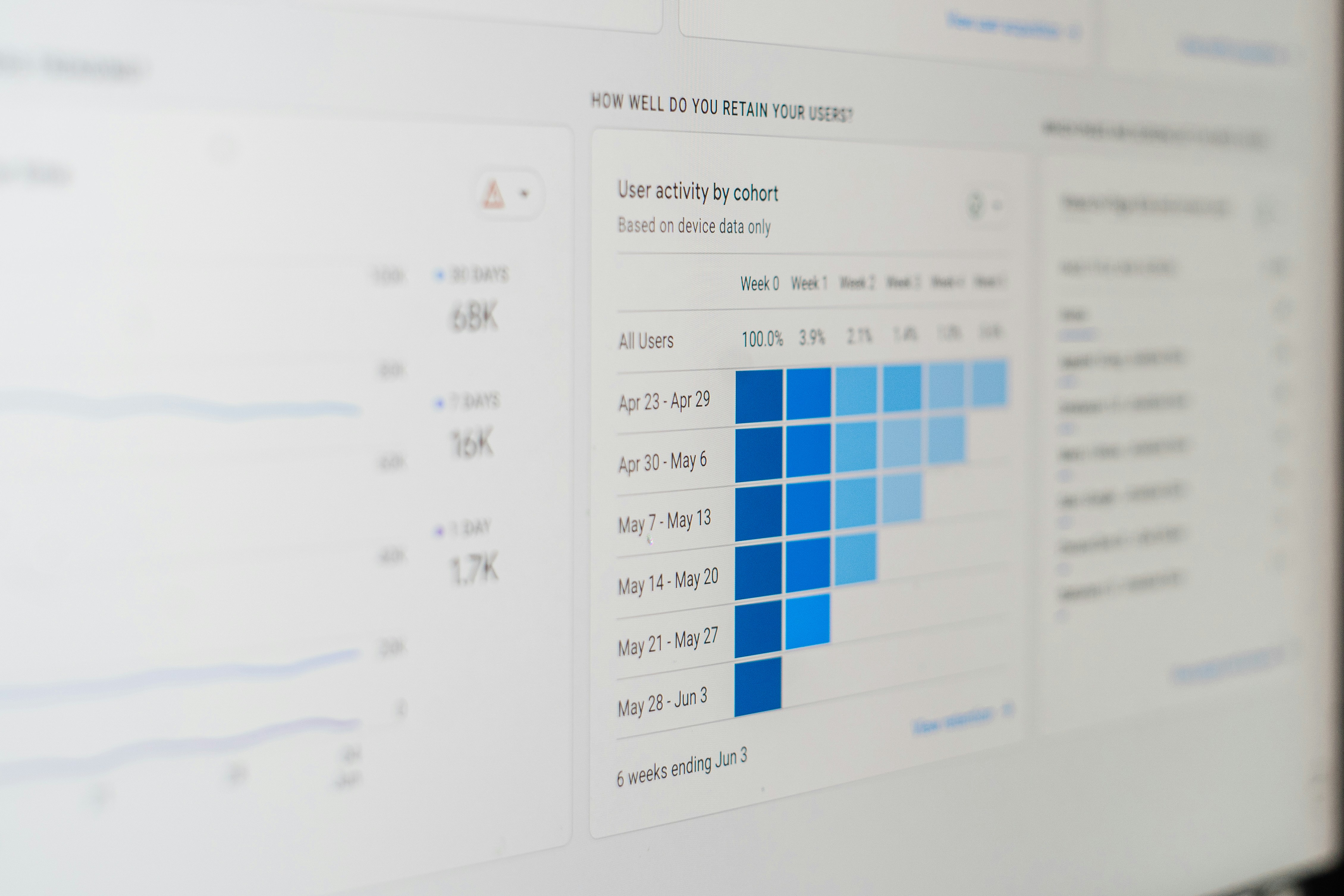
Introduction to Looker Studio
Looker Studio is a comprehensive data visualization and reporting tool designed to empower organizations with the ability to explore, analyze, and share data insights with ease. It serves as a bridge between raw data and actionable intelligence, enabling users to transform complex datasets into visually appealing and interactive reports. This results-driven platform caters to various business needs, making it a valuable resource for data-driven decision-making.
The primary purpose of Looker Studio is to facilitate data exploration, allowing users to uncover trends, patterns, and correlations within their datasets. With its user-friendly interface, even those without extensive technical expertise can navigate through the system to create insightful dashboards and reports. This democratization of data access ensures that all team members, from analysts to executives, can make informed decisions backed by solid evidence.
One of the unique capabilities of Looker Studio is its integration with a variety of data sources, including databases, spreadsheets, and web applications. This flexibility allows organizations to centralize their data analytics process, eliminating silos and fostering collaboration across departments. Furthermore, Looker Studio empowers users to customize their visualizations, enabling the presentation of data in a manner that best suits their audience’s needs.
Understanding the significance of utilizing Looker Studio is essential for businesses looking to enhance their reporting capabilities. In an era where data is often referred to as the new oil, the ability to derive insights swiftly and efficiently is crucial for maintaining a competitive edge. By adopting Looker Studio, organizations can leverage data to drive strategic initiatives, monitor performance metrics, and ultimately achieve their business goals with confidence.
Setting Up Your Looker Studio Account
To embark on your data exploration journey with Looker Studio, establishing an account is the crucial first step. The process begins by navigating to the official Looker Studio website. Here, you will find the option to sign up for an account. If you already have a Google account, you can use it for a seamless sign-in process. After selecting the appropriate login option, you will be prompted to provide additional information such as your business name and purpose for using Looker Studio. This information allows the platform to better tailor its services to your needs.
Once your account is created, familiarize yourself with the dashboard interface. The Looker Studio dashboard is intuitive and designed for ease of use, allowing users to efficiently create and customize reports. Take a moment to explore the various features, including the ability to connect to multiple data sources, build data visualizations, and collaborate with team members. Navigating the interface for the first time can feel overwhelming, so it is beneficial to take advantage of the provided tutorials and guides aimed at new users.
Customizing your Looker Studio account enhances your user experience. Adjust settings like theme color, default report styles, and preferred data visualizations to make the platform feel more personalized. Moreover, look into management settings to define user roles and permissions if you are part of a team. This ensures that each user can access the data they need without compromising the integrity of sensitive information. Following these steps will prepare you to dive deeper into Looker Studio’s powerful data analytics capabilities, making the most of your looker studio qwik start journey.
Connecting Your Data Sources
Connecting your data sources to Looker Studio is crucial for effective data exploration and analysis. Looker Studio supports a wide range of data sources, including Google Sheets, BigQuery, and various databases. By integrating these sources, users can generate comprehensive reports and visualizations that drive insights and decision-making.
To connect Google Sheets, you can simply use the in-built connector in Looker Studio. Once you select Google Sheets as your data source, you’ll be prompted to sign in to your Google account and choose the specific sheet you wish to import. This process ensures that your data is always up-to-date, as any modifications made in Google Sheets will reflect in Looker Studio in real-time.
For users looking to connect to BigQuery, the process is similarly straightforward. After selecting BigQuery from the data source options, you must authenticate access and select the specific dataset or table you want to work with. BigQuery is particularly beneficial for dealing with large datasets, as it allows for powerful SQL queries that improve the depth of your analysis.
In addition to Google Sheets and BigQuery, Looker Studio also supports other databases such as MySQL, PostgreSQL, and more. By linking these databases, users can aggregate data from different platforms, allowing for richer data exploration. It is imperative to keep in mind the types of data being imported into Looker Studio, as maintaining data integrity is critical for accurate reporting. Quality data input directly affects the reliability of your insights and the effectiveness of your visualizations. Therefore, always verify that the data being imported is cleaned and structured adequately.
Overall, effective connections to various data sources using Looker Studio serve as a gateway to enhanced data analysis, making it easier for users to draw meaningful insights from their data. Whether through Google Sheets, BigQuery, or other systems, establishing these connections is essential for any data-driven initiative.
Creating Your First Report
Beginning your journey in Looker Studio can seem daunting, but creating your first report is a straightforward process that sets the foundation for effective data exploration. First, log into your Looker Studio account and select the “Create Report” option. This step will direct you to a blank canvas where you can begin adding elements fundamental to your report.
Among the various report elements, charts and tables stand out as essential tools for visualizing data. To add a chart, navigate to the toolbar and select the chart type that best represents your data. Options include bar charts, line graphs, and pie charts, each serving different analytical purposes. Consider the information you wish to convey; for instance, bar charts can effectively compare different categories, while line graphs are ideal for showing trends over time.
Once you choose a chart, you will need to connect it to your data source. This process is facilitated by selecting the dataset you have imported previously. Looker Studio allows you to customize your charts by adjusting dimensions, metrics, and filtering options to ensure that they accurately reflect the underlying data. Additionally, be mindful of adding tables, which serve to enumerate detailed data points alongside your visuals, providing context that may not be readily apparent through charts alone.
Effective data presentation is paramount. To enhance readability, maintain a clean layout with clear labels and legends. Utilize contrasting colors for different data series, ensuring accessibility for all viewers. Regularly preview your report to locate and rectify any misalignments or unclear visuals. By methodically building your first report in Looker Studio, you will not only become familiar with its functionalities but also establish a solid framework for advanced analyses in future projects.
Exploring Visualization Options
Looker Studio offers a diverse range of visualization options that can significantly enhance your data storytelling capabilities. Choosing the appropriate chart type is crucial for effectively communicating trends, comparisons, and insights drawn from data sets. Each visualization option serves different purposes and can illuminate various aspects of the underlying data.
Bar charts are one of the most commonly utilized visualizations in Looker Studio, particularly effective for presenting categorical data. They allow users to compare different categories side by side, making it easy to identify which category performs better. By employing horizontal or vertical orientation, viewers can swiftly grasp differences in magnitude or frequency, facilitating a more intuitive understanding of the information presented.
Pie charts are another popular choice, particularly useful for illustrating proportions within a whole. They visually represent the relative size of each category, making it easy to comprehend the composition of a dataset at a glance. However, it is often advised to limit the number of segments in pie charts to avoid confusion, especially if the proportions are relatively similar.
Line graphs, on the other hand, excel at showcasing trends over time. This visualization type allows users to track changes and identify patterns, providing a clear depiction of data progression. Line graphs are particularly useful in time-series data analysis, where discerning upward or downward trends is vital for informed decision-making.
Furthermore, Looker Studio’s flexibility enables users to incorporate other advanced visualization types such as scatter plots, heat maps, and more. These options can provide deeper insights, especially when looking at relationships between variables or distributions across different datasets. Selecting the right visualization is key; thus, leveraging Looker Studio’s tools can empower users to present their data narratives compellingly and clearly.
Customizing Your Dashboard
Customizing your dashboard in Looker Studio allows users to create an engaging and informative visual representation of their data. The platform offers a variety of layout options, enabling individuals to arrange elements in a way that best suits their analytical needs. Users can explore various configurations such as grid layouts, side-by-side comparisons, or single-column formats to find the optimal structure for their specific use case.
Colors and themes play a significant role in how data is perceived. Looker Studio provides an array of color palettes and theme choices, which can be manipulated to enhance the visual appeal of the dashboard. Selecting a coherent color scheme not only increases readability but can also help communicate data stories more effectively. For example, using contrasting colors for backgrounds and text ensures that key metrics stand out while remaining easy on the eyes. Users should consider using colors that are consistent with their branding to maintain a professional look.
When optimizing the user experience, it is crucial to focus on clarity and functionality. Best practices include minimizing clutter by avoiding excessive visual elements, which can distract users from the data insights. Implementing interactive components, such as filters and drill-down features, allows for a more dynamic exploration of the data without overwhelming the dashboard interface. Additionally, it’s advisable to prioritize the most important metrics at the forefront of the dashboard to ensure users can access critical information instantly.
By thoughtfully combining layout options, color choices, and best practices for user experience, users can create an effective dashboard that not only looks appealing but also facilitates data exploration and insight generation. With a well-customized Looker Studio dashboard, navigating through complex data becomes an intuitive and enjoyable process.
Sharing and Collaborating on Reports
Effective collaboration is crucial in ensuring that insights derived from data in Looker Studio can be shared and refined among team members. The platform provides several options for sharing reports that enhance productivity and streamline communication. Users can invite collaborators directly through Looker Studio by entering their email addresses, enabling real-time interaction as the report is edited or viewed.
Once collaborators have been invited, setting permissions becomes essential. Looker Studio allows the report owner to designate different access levels, such as “Viewer,” “Editor,” or “Owner.” This granularity ensures that sensitive data is protected, while still allowing team members to contribute effectively. The owner can easily modify permissions at any time, providing the flexibility to adapt to changing project requirements and team dynamics.
For broader outreach, Looker Studio also offers options for public sharing. Users can generate a shareable link, which can be utilized by anyone with access to view the report. However, caution is warranted here; before making any reports public, it is vital to review the content for any sensitive data that must remain confidential. Those considering public sharing should familiarize themselves with Looker Studio’s privacy settings to ensure that any shared reports adhere to organizational data policies.
Best practices for collaboration include establishing clear guidelines for feedback collection, scheduling regular check-ins, and fostering an open dialogue among team members. Utilizing the commenting feature within Looker Studio can streamline this process, as team members can leave feedback directly on the report. This targeted approach not only enhances clarity but also encourages a more inclusive atmosphere for brainstorming and refining data analyses.
Troubleshooting Common Issues
When utilizing Looker Studio for data exploration, users may encounter various challenges that hinder their experience and efficiency. Understanding common issues and troubleshooting methods can significantly enhance your ability to navigate these hurdles effectively.
One of the frequent challenges users face relates to data connectivity. Ensuring that your data source is correctly linked to Looker Studio is vital. If you experience connection issues, first verify your data source credentials and confirm that they have not expired. Additionally, check that the data source is online and accessible. Should the problem persist, consulting Looker Studio’s documentation on supported data sources can provide valuable insights and solutions. Furthermore, consider utilizing the built-in data connection diagnostics tools offered within Looker Studio to identify and resolve any connectivity problems.
Another issue often reported is visualization errors. These may manifest as charts or graphs not displaying data as expected. One common reason for this is misconfigured data fields. To resolve such issues, revisit your visualization settings, ensuring that the selected dimensions and measures align with your data content. If you’re creating custom calculations, verify that the syntax is correct. Looker Studio’s online community forums and support documentation are excellent resources for finding troubleshooting tips specific to visualization challenges, making your use of Looker Studio more efficient.
Performance problems may also arise, especially when handling large datasets or complex queries. Users should consider simplifying reports by limiting the volume of data fetched at once or reducing the complexity of the visualizations. Regular updates to Looker Studio’s functionality may also enhance performance. Monitoring system requirements and optimizing your data sources can lead to a smoother experience when utilizing Looker Studio for data analysis.
In conclusion, being aware of these common issues and their respective solutions can greatly improve your experience with Looker Studio. Leveraging available resources, such as documentation and community discussions, plays a crucial role in successfully navigating any challenges encountered during your data exploration journey.
Resources for Further Learning
For those interested in enhancing their understanding of Looker Studio, a wealth of resources is available that can assist in deepening your knowledge and proficiency. The official documentation serves as a comprehensive starting point, providing detailed explanations of features, functionalities, and guided tutorials. By exploring the documentation, users can familiarize themselves with the overall interface and learn about advanced techniques that can elevate their data visualization skills.
In addition to the official documentation, numerous online tutorials cater to various aspects of Looker Studio. These tutorials range from beginner-friendly introductions to more complex topics aimed at experienced users. Platforms such as YouTube and educational websites often feature video guides that visually walk users through the process of leveraging Looker Studio effectively. This can be particularly beneficial for visual learners who grasp concepts better through demonstration.
Webinars are another valuable resource for enhancing your skills in Looker Studio. Many organizations and experts conduct live sessions that cover specific features or case studies, allowing participants to engage in real-time discussions. This interactive format provides an opportunity to ask questions and gain insights from seasoned professionals who have extensive experience with Looker Studio.
Furthermore, community forums, such as those dedicated to data analytics and visualization, are excellent places to interact with other Looker Studio users. These forums enable users to share their challenges, exchange ideas, and seek advice, creating a collaborative learning environment. Engaging with a community can enhance your learning experience and help you stay updated with the latest trends and best practices.
If you seek personalized assistance, consider visiting the contact page at this link. Additionally, information regarding various services associated with Looker Studio can be found at this webpage. Engaging with these resources will undoubtedly contribute to your journey towards mastering Looker Studio.