Introduction to YouTube Analytics
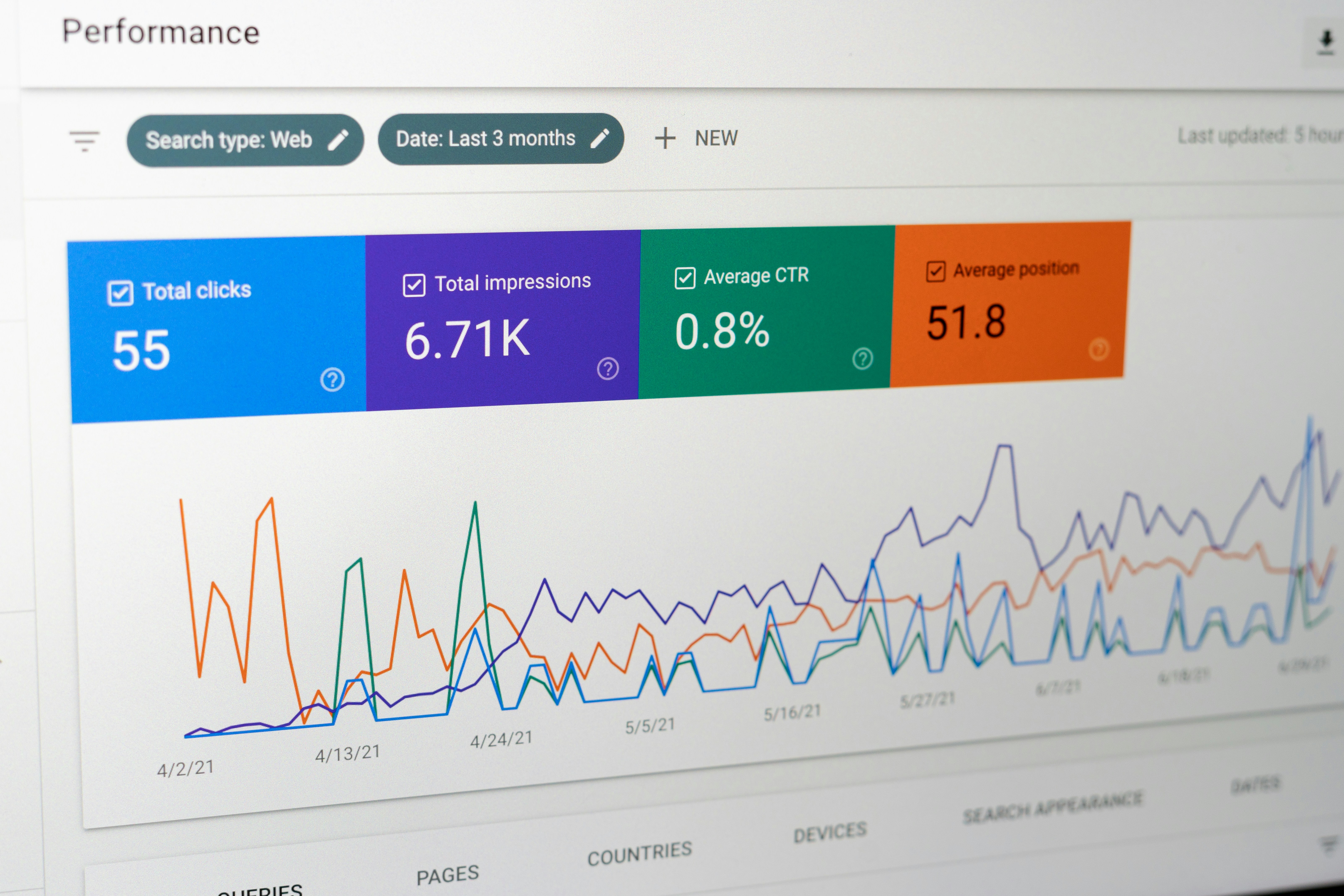
YouTube Analytics is an essential tool that enables content creators and businesses to monitor and analyze their video performance. Understanding the metrics provided by YouTube Analytics is crucial, as it offers valuable insights into audience behavior and engagement. With the platform hosting millions of videos, distinguishing oneself becomes increasingly challenging. Thus, leveraging analytics can significantly enhance a creator’s approach to content strategy.
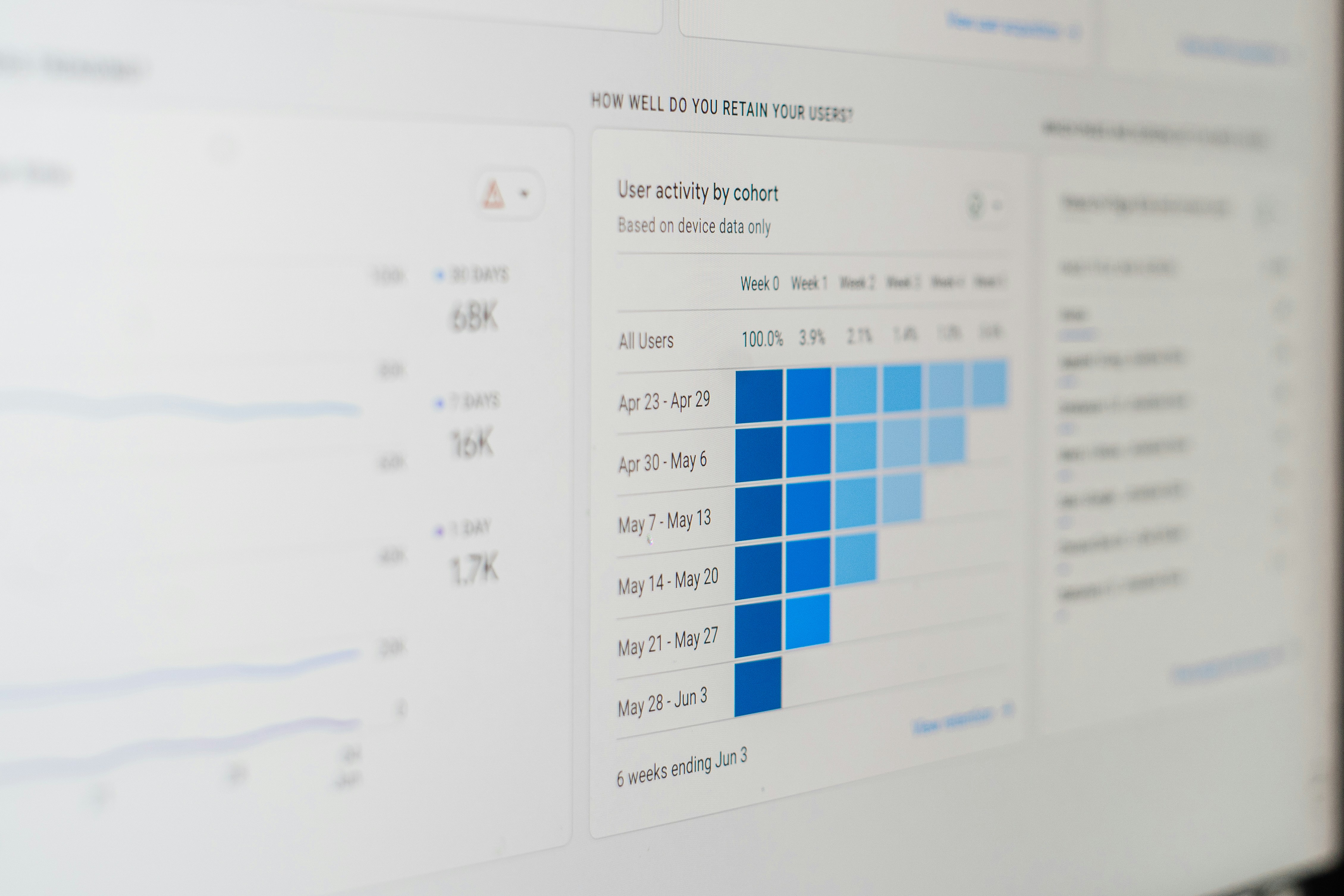
The importance of YouTube analytics cannot be overstated. It allows users to track crucial metrics such as views, watch time, and audience retention. These statistics help identify which videos resonate most with viewers, enabling creators to adjust their strategies accordingly. For instance, by analyzing viewer demographics, one can discern specific audience segments, tailoring content to meet their interests and preferences. Such targeted approaches can enhance overall engagement and foster a loyal subscriber base.
Moreover, YouTube analytics aids in evaluating the effectiveness of marketing campaigns. By monitoring traffic sources, users can determine how viewers found their videos, whether through organic search, social media, or external websites. Understanding these pathways helps content creators optimize their promotional efforts, potentially leading to higher conversion rates. Additionally, tracking audience interaction metrics, such as likes, comments, and shares, can provide deeper insights into what drives viewer engagement.
Ultimately, mastering YouTube analytics is vital for any creator or business striving for success on the platform. The data-driven approach promoted by analytics fosters informed decision-making, paving the way for improved content quality and viewer satisfaction. This comprehensive understanding not only enhances video performance but also strengthens a brand’s online presence in the competitive landscape of digital content creation.
Why You Need a YouTube Analytics App
In the evolving landscape of digital content creation, relying solely on YouTube’s built-in analytic tools may not suffice for content creators striving to optimize their channels effectively. While YouTube provides essential metrics such as views, watch time, and subscriber changes, a dedicated YouTube analytics app elevates this analysis by offering deeper insights into performance and audience behavior. These apps harness data from various sources, enabling users to gain a comprehensive view of their channel’s health and growth potential.
One of the primary advantages of using a YouTube analytics app is the user-friendly interface that many of these tools offer. The design typically presents complex data in a visually appealing and easily digestible format, allowing content creators to quickly comprehend their performance statistics without wading through numerous tabs or statistics provided by YouTube. This streamlined approach enhances productivity and facilitates timely decision-making based on actionable insights.
Moreover, many third-party YouTube analytics apps allow for greater customization, enabling users to monitor specific metrics that align closely with their goals. Creators can tailor dashboards to focus on engagement rates, audience retention, and demographic trends, providing bespoke insights that YouTube’s standard analytics might overlook. As a result, users can make targeted improvements to their content strategies, thus enhancing user engagement and driving subscriber growth.
Lastly, advanced metrics available in dedicated analytics apps, such as competitor comparisons and content performance forecasts, empower creators to move beyond basic reporting. These aspects provide a competitive edge in understanding market trends and viewer preferences, ensuring that content resonates well with the audience. Overall, the integration of a dedicated YouTube analytics app into one’s content strategy is a prudent step towards maximizing the potential of a YouTube channel.
Key Features to Look For in YouTube Analytics Apps
When selecting a YouTube analytics app, it is essential to consider several critical features that enhance data analysis and provide valuable insights. A top-tier analytics tool should offer real-time data tracking, enabling users to monitor their channel performance as events happen. This feature allows content creators to respond promptly to audience engagement trends, adapting their strategies to capitalize on what works effectively.
Another vital component is audience demographics insights. Understanding who your viewers are—age, gender, location, and interests—equips content creators with the knowledge necessary to tailor their content to meet audience preferences. This aspect ofYouTube analytics encourages personalized engagement and fosters stronger connections between creators and their audience.
Engagement metrics are equally important. An effective YouTube analytics app should assess the level of interaction videos receive through likes, comments, shares, and watch time. These metrics not only reflect audience interest but also highlight successful content types. With engagement data, creators can refine their content strategy to boost viewer involvement over time.
Furthermore, keyword tracking is a crucial feature that helps users identify which keywords drive traffic to their videos. By analyzing this data, content creators can optimize their titles, descriptions, and tags, ultimately improving how their content ranks in search results. Understanding which keywords resonate with viewers can significantly enhance channel visibility and growth.
Lastly, integration with other marketing tools is essential. A comprehensive YouTube analytics app should seamlessly connect to social media platforms, email marketing services, and content management systems, enabling users to create cohesive marketing strategies. By bringing together various elements of an online presence, creators can enhance their channel’s performance and engage with their audience more effectively.
Top YouTube Analytics Apps Reviewed
In the ever-evolving landscape of online content creation, utilizing robust YouTube analytics apps has become essential for creators aiming to optimize their channels. Among the multitude of options available, three apps stand out for their functionalities: TubeBuddy, Social Blade, and VidIQ.
TubeBuddy offers a comprehensive suite of tools designed to enhance video performance and channel management. Key features include advanced keyword research, A/B testing for thumbnails, and in-depth competitor analysis. With a free version available, users can opt for premium plans ranging from $9 to $19 per month, offering additional functionalities. Most users appreciate its user-friendly interface and the significant impact it has on improving their video visibility and engagement metrics.
Social Blade, on the other hand, provides analytics primarily focused on tracking channel growth and performance statistics. Users can access detailed insights into views, subscriber counts, and estimated earnings. While it is free to use, Social Blade offers a premium subscription as well, which unlocks additional features such as historical data comparison. Many content creators find Social Blade invaluable for gauging their growth trajectory and understanding industry benchmarks.
VidIQ combines analytics with a suite of productivity tools that help users grow their channels effectively. This app enables creators to optimize video tags, titles, and descriptions by offering real-time SEO recommendations. The pricing structure ranges from free basic features to plans that start at $7.50 per month. User feedback highlights VidIQ’s effective interface and its robust educational resources, which can be especially beneficial for novice creators striving to enhance their online presence.
Ultimately, the choice between these YouTube analytics apps depends on specific user needs. Each app presents unique features tailored to assist content creators in improving channel performance and engagement.
How to Use YouTube Analytics Apps Effectively
YouTube analytics apps are indispensable tools for creators and marketers looking to optimize their video content strategies. To utilize these apps effectively, it is crucial to start by tracking performance trends. This involves regularly monitoring key performance indicators (KPIs) such as watch time, views, audience retention, and engagement metrics. By observing these metrics over time, users can identify what types of content resonate most with their audience, enabling informed decisions regarding future video topics and formats.
Setting benchmarks is another vital step in effectively using YouTube analytics apps. Establishing specific, measurable goals allows creators to evaluate their performance against standards. For instance, if a creator aims to increase their average watch time by 20% over six months, they can utilize the data provided by the analytics app to track progress toward that goal. This process not only fosters accountability but also encourages strategic planning and focused efforts.
Using the insights gained from YouTube analytics to inform content strategy is essential. Analyzing audience demographics and viewing behaviors can help creators tailor their content to better meet the preferences of their viewers. For instance, if analytics reveal that a significant portion of the audience consists of teens, it may be beneficial to create more relatable content that appeals to that age group.
Lastly, adjusting marketing approaches based on data insights is paramount for maximizing reach and engagement. By leveraging analytics to understand which traffic sources contribute most effectively to views—like social media platforms or direct searches—creators can refine their promotional strategies. Moreover, adapting video titles, thumbnails, and descriptions based on performance trends can further enhance visibility and attract more viewers. Embracing these strategies allows content creators to harness the full potential of YouTube analytics apps, driving both growth and audience engagement.
Comparing Free vs Paid YouTube Analytics Tools
When it comes to YouTube analytics tools, content creators and businesses often face the decision between free and paid options. Each type of tool comes with its own set of advantages and disadvantages, which can significantly influence the decision-making process based on a user’s specific needs and budgetary constraints.
Free YouTube analytics tools are often the first choice for new creators or small businesses. These tools typically offer basic analytics features, such as insights into view counts, basic demographic information about viewers, and engagement metrics like likes and comments. The primary benefit of utilizing free tools is, of course, the cost savings; users can access essential data without any financial commitment. However, these tools may lack advanced features, such as in-depth trend analyses, competitor comparisons, or customizable reports. Therefore, they might not fully meet the needs of more serious creators or businesses looking for comprehensive data to inform their strategies.
On the other hand, paid YouTube analytics tools often provide a more robust set of features. With subscriptions, users can access advanced metrics that include user behavior tracking, predictive analytics, and detailed performance reports. Such insights are invaluable when it comes to optimizing video content and crafting more effective marketing strategies. Nevertheless, the investment required for these paid apps can be a barrier for some users, particularly those who are just starting or have limited budgets.
In conclusion, the choice between free and paid YouTube analytics tools largely depends on a creator’s or business’s goals and financial resources. While free tools can suffice for basic insights, higher-level analytics and competitive data might warrant investing in a paid solution, leading to more informed decisions that could ultimately enhance content performance and viewer engagement.
Success Stories: How Analytics Transformed Channels
YouTube analytics apps have proven to be pivotal in transforming the presence of many content creators and businesses on the platform. One notable success story is that of a lifestyle vlogger who, within six months of utilizing a YouTube analytics tool, increased her subscriber count by 150%. This leap was fueled by insights derived from analyzing viewer demographics, enabling her to tailor her content to better engage her audience. By identifying the types of videos that garnered the most views, she adopted a more strategic approach to her content creation, ultimately leading to enhanced viewer engagement and retention.
Another compelling case is that of a small business that leveraged YouTube analytics to promote their products. By carefully examining viewer interaction rates and assessing which promotional videos performed best, the company adjusted its marketing strategy to focus on those successful formats. This resulted in a 200% rise in views within just three months, directly translating into increased sales and brand awareness. They utilized specific metrics, such as watch time and click-through rates, gathered through these analytics apps, to refine their approach and better connect with potential customers.
Furthermore, an educational content creator utilized YouTube analytics to identify the best times to publish content based on audience activity. By aligning release schedules with peak engagement times, he experienced a tripling of his average view count per video. Additionally, detailed analysis of viewer feedback enabled him to fine-tune topics, significantly improving audience satisfaction and loyalty. As these examples illustrate, the effective utilization of YouTube analytics applications has led to substantial growth in subscriber numbers, view counts, and overall engagement rates. The transformative power of data-driven decisions cannot be overstated, as reflected in these real-world successes.
Future Trends in YouTube Analytics
As the digital landscape continues to evolve, YouTube analytics is also set to undergo significant transformations. By leveraging advancements in technology, content creators and marketers can expect a suite of innovative tools designed to enhance the way they analyze performances, understand viewer behavior, and strategize their future content. One prominent trend is the emergence of AI-driven insights, which harness machine learning algorithms to provide deeper and more meaningful interpretations of data. These systems can analyze huge volumes of viewer interaction, predicting trends and suggesting content adjustments in real time, thereby empowering creators to make informed decisions.
Predictive analytics is another key area poised for growth. By utilizing historical data and viewer patterns, predictive analytics can forecast potential outcomes related to video performance. This allows creators to tailor their strategies, optimize video performance, and effectively target their audiences. For instance, with predictive models, a creator can determine the best posting times or identify topics likely to resonate with their audience based on past engagement metrics.
Enhanced visualization tools are also on the horizon, enabling more intuitive ways for users to interpret analytics data. Advanced dashboards designed with user experience in mind can transform raw data into appealing graphics, making it easier for content creators to absorb complex information at a glance. These tools will go beyond standard metrics, incorporating customizable metrics designed to meet specific analytical needs.
Integrating these innovations into YouTube analytics can fundamentally change how content creators approach their channels. The ability to harness AI and predictive capabilities for decisive actions will significantly improve engagement levels and audience growth. As these trends continue to develop, marketers and creators alike will be better equipped to navigate the fast-paced world of digital content creation.
Conclusion: Choosing the Right Analytics App for You
In the ever-evolving world of YouTube content creation, utilizing a suitable analytics app is essential for success. Throughout this blog post, we have explored various YouTube analytics applications that cater to different needs, styles, and data management preferences. The significance of selecting an appropriate app cannot be overstated, particularly for those seeking to enhance their channel’s performance and visibility.
First and foremost, it is crucial to understand that each analytics tool offers unique features and functionalities. Some programs excel in providing robust data visualization, while others may offer advanced audience insights or competitor analysis tools. Depending on your objectives—be it growing your audience, optimizing content, or analyzing engagement—different applications will serve your purposes better. Therefore, assessing your individual needs is paramount before choosing an app.
Moreover, integrating analytics into your YouTube strategy will empower you to make informed decisions about content creation and marketing approaches. Monitoring key performance indicators (KPIs), such as viewer retention, engagement rates, and click-through rates, can facilitate an understanding of audience preferences. By engaging with these data points, content creators can tailor their videos to meet viewer expectations effectively.
In conclusion, selecting the right YouTube analytics app is a strategic decision that requires thoughtful consideration of the features available and your specific objectives. Prioritizing your channel’s growth and performance will enable you to leverage insightful analytics that drive your content strategy forward. Embracing a proactive approach to your analytics will not only enhance your current performance but will also lay the groundwork for long-term success on the platform.