Introduction to Analytical Reports
Analytical reports serve as essential tools within various fields, particularly in data analysis and decision-making processes. Defined as comprehensive documents that present in-depth analyses of data and information, analytical reports aim to translate complex datasets into actionable insights. The importance of these reports cannot be overstated, as they assist stakeholders in understanding trends, identifying issues, and making informed decisions based on empirical evidence.
At their core, analytical reports combine data collection, analysis, and interpretation, leading to conclusions and recommendations. A well-structured analytical report typically begins with an executive summary, providing a concise overview of the findings. Following this, the report includes sections that outline the methodology used for data collection, the analysis conducted, and a thorough discussion of the results. Moreover, it often culminates in a conclusion that compacts the findings with actionable recommendations.
The purpose of analytical reports extends beyond merely presenting data; they aim to clarify and contextualize the information for stakeholders. By doing so, these reports facilitate better decision-making, allowing organizations to gauge their performance, assess risks, and strategize future actions accordingly. For instance, an example of an analytical report PDF might illustrate how specific marketing strategies have impacted sales figures, empowering executives to adjust their approaches based on data-driven insights.
In conclusion, understanding analytical reports is pivotal for any professional involved in data-centric roles. These reports not only provide clarity but also serve as a bridge between raw data and strategic decision-making. As we delve deeper into this guide, readers will gain further insights into the components and best practices involved in crafting effective analytical reports.
Components of an Effective Analytical Report
An analytical report is a structured document designed to present data analysis and inform decision-making processes. The effectiveness of such a report hinges on several crucial components, each serving a definitive purpose. The first component is the title, which should be clear and descriptive, encapsulating the essence of the report. This allows readers to quickly grasp the report’s focus and relevance.
Next is the executive summary, a brief overview that outlines the report’s primary objectives, methodology, and findings. It provides readers with a snapshot of what to expect and is particularly useful for stakeholders who may not have the time to read the entire report. Its significance cannot be overstated, as it sets the context for the details to follow.
Following the executive summary is the methodology section, where the methods used for data collection and analysis are detailed. This component ensures transparency and allows the audience to assess the reliability of the findings. A comprehensive methodology is essential to reinforce the credibility of the report.
The data analysis section presents the core of the analytical report. Here, the collected data is examined, and patterns or trends are identified. It is crucial to employ appropriate statistical tools and analytical frameworks to derive meaningful insights from the data. This section lays the groundwork for the findings or results that come next.
The findings/results section summarizes the main discoveries derived from the data analysis, presenting them in an understandable format, such as tables or visualizations. Following the findings, the recommendations component provides actionable insights based on the analysis, guiding stakeholders in the decision-making process. Finally, the conclusion succinctly wraps up the report, reiterating key points and emphasizing the report’s relevance.
Gathering and Analyzing Data
Data gathering and analysis are critical components of producing an effective analytical report. The choice of research methods greatly influences the quality of insights derived. There are primarily two categories of research methods utilized in this context: qualitative and quantitative methods. Qualitative research focuses on understanding the underlying reasons and motivations behind certain trends, often using focus groups, interviews, and open-ended surveys. Quantitative research, on the other hand, involves quantifying variables and analyzing numerical data, typically through structured surveys or experiments. Both approaches can provide valuable perspectives, and the integration of both can lead to more robust conclusions.
Reliable data sources are paramount to ensure the accuracy and validity of the findings in an analytical report. Sources can range from academic journals, government publications, and industry reports, to data obtained from surveys and databases. It is essential to assess the credibility and relevance of these sources to establish a strong foundation for any claims made in the report. In the digital era, open data initiatives and platforms that aggregate information from multiple sources also provide analysts with accessible data sets that can facilitate richer analysis.
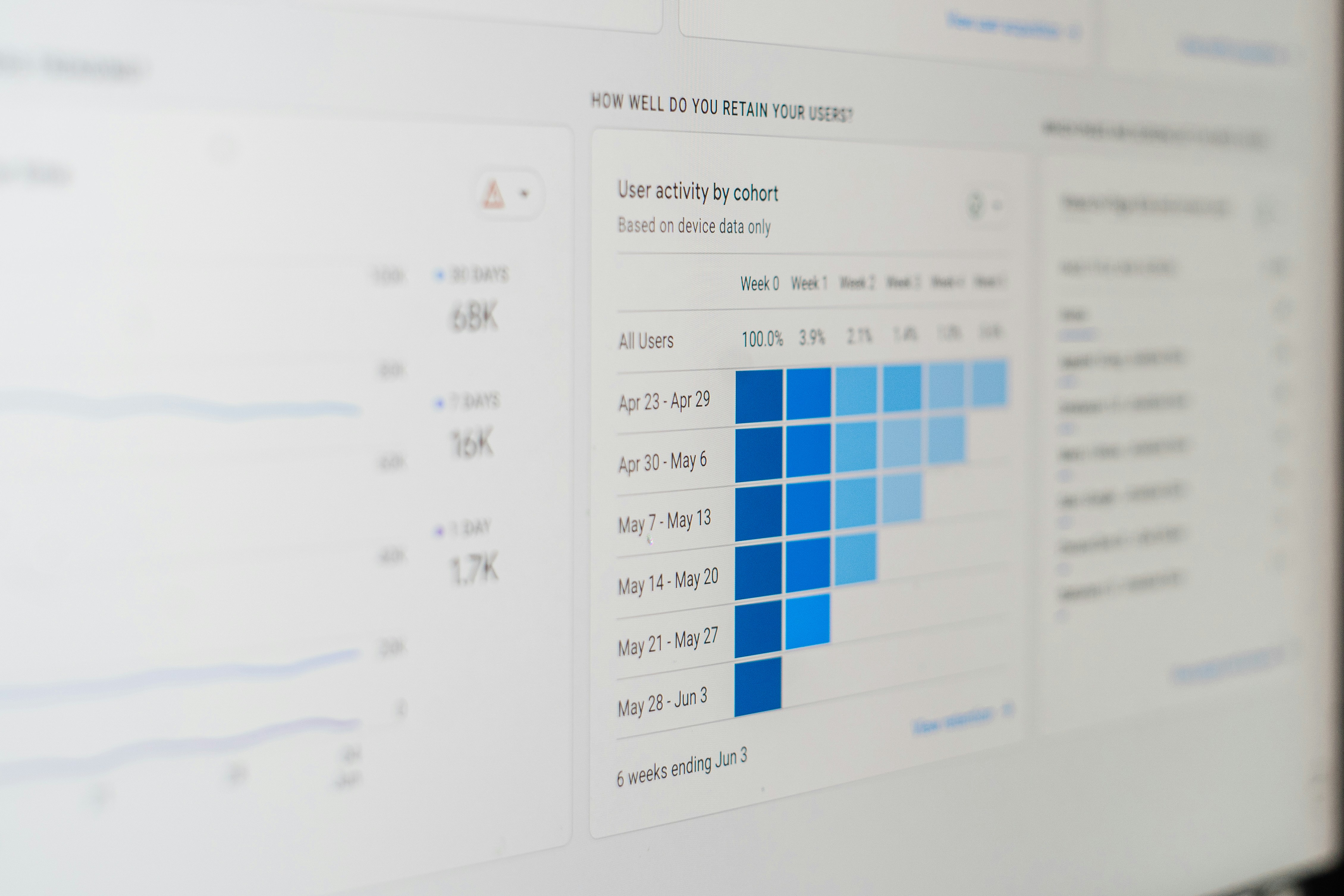
In addition to choosing appropriate methods and sources, the right tools and software for data analysis play a vital role. For instance, Looker Studio, a powerful data visualization tool, allows users to create dashboards and reports that can streamline the data interpretation process. This tool not only enhances the visibility of complex data but also permits collaboration among team members. Other popular software solutions include Excel, SPSS, and Tableau, each offering various capabilities that cater to different analytical needs. Proper selection and utilization of these tools are integral to transforming raw data into meaningful information that supports effective decision-making.
Interpreting Data: From Analysis to Insight
Interpreting data effectively is a crucial component of analytical reporting, as it transitions raw findings into actionable insights. This process involves understanding the context in which the data was collected and analyzed. The significance of context cannot be overstated; it provides the foundational framework needed to interpret the results accurately. Without considering the conditions and specific circumstances surrounding the data, one risks drawing misleading conclusions that may not apply universally. For instance, the same data set may yield different interpretations depending on the geographical, temporal, and demographic contexts.
Statistical significance also plays a vital role in data interpretation. Determining whether the observed patterns in data are due to chance or reflect a true underlying association is essential. Analysts often use p-values and confidence intervals to quantify the likelihood that results arise by chance. A common threshold for significance is a p-value of less than 0.05; however, relying solely on this measure can be misleading if the context is not appropriately addressed. Therefore, a comprehensive approach to data interpretation not only utilizes statistical measures but also incorporates qualitative assessments and domain knowledge.
Additionally, there are common pitfalls to avoid in the field of data interpretation. Confirmation bias is one such hazard; analysts may unconsciously favor data that aligns with their preconceived notions, leading to skewed insights. Another pitfall is neglecting the role of outliers—data points that deviate significantly from others can unduly influence results if not appropriately managed. To enhance report accuracy, analysts should employ a combination of statistical techniques and critical thinking skills, ensuring a holistic view of the data at hand. Ultimately, the goal is to distill the data findings captured in analytical reports into clear, actionable insights that inform decision-making processes.
Creating Visualizations for Clarity
Visualizations play a crucial role in analytical reports, facilitating the communication of complex data in an accessible manner. When crafting these reports, it is essential to utilize graphs, charts, and infographics strategically to enhance understanding and retention of key data points. Effective visualizations not only attract attention but also serve to clarify the underlying trends and patterns present in the data.
One best practice is to tailor visualizations to your audience’s needs. Different stakeholders may require distinct types of representations depending on their familiarity with the data. For instance, while an executive might prefer high-level summary visuals, an analyst may benefit from more detailed, intricate charts. Simplicity and clarity should remain the guiding principles; overloading visuals with unnecessary details can lead to confusion rather than comprehension.
Choosing the right type of visualization is also paramount. Bar charts are often ideal for comparing quantities across categories, while line charts excel at showcasing trends over time. Pie charts, although appealing, can be misleading if used incorrectly; they should be reserved for representing parts of a whole when there are a few distinct categories. Utilizing tools such as Tableau, Microsoft Power BI, or Google Data Studio can significantly enhance the quality of your visualizations. These platforms offer user-friendly interfaces that can simplify the creation of professional and aesthetically pleasing graphics.
Incorporating infographics can also be a powerful technique, especially when summarizing findings and presenting data in a narrative form. Ensuring visual consistency—through color schemes, fonts, and layouts—fosters a sense of coherence in your analytical report. Ultimately, when utilized correctly, data visualizations can elevate the overall quality of reports, making them not only informative but also engaging for the reader, thereby improving the effectiveness of the analytical report’s message.
Case Study: Analyzing an Example Report
To illustrate the key components of an analytical report, we will examine a real-world example taken from the provided resources. This specific analytical report is structured into several distinct sections, each serving a unique purpose in conveying the findings and insights derived from the data analysis. The organization of this report is crucial; it follows a standard format, enabling readers to navigate through the content seamlessly.
The report begins with an executive summary, offering a high-level overview of the primary findings and conclusions. This section is particularly beneficial for stakeholders who may not have the time to read the entire report. Following the summary, the introduction sets the context for the analysis, highlighting the objectives of the report and the key questions it seeks to answer.
Next, we delve into the methodology section, where the author details the analytical methods employed to investigate the data. This part is essential as it outlines the tools and techniques used to derive conclusions from the data, ensuring transparency and reproducibility. In our example, techniques such as regression analysis and data visualization were utilized, allowing for a comprehensive examination of trends and patterns.
The findings section presents the results of the analysis, often accompanied by charts and graphs for better clarity. In our selected report, the data was systematically organized, revealing significant trends and anomalies that warranted further discussion. Accompanying each finding are interpretations that explain their relevance and implications for the stakeholders involved.
The concluding section synthesizes all the insights, reiterating the primary outcomes of the analysis. Furthermore, it may offer recommendations based on the data examined, guiding decision-making processes. Such a structure and clear presentation of information not only enhance the reader’s understanding but also prove invaluable for practical implementation. Overall, this analytical report example serves as a pertinent illustration of best practices in report writing and analysis.
Common Mistakes in Analytical Reporting
Creating an analytical report is a nuanced process that demands careful attention to detail. However, several common pitfalls can compromise the quality and utility of these reports. One major mistake is data misrepresentation. This occurs when data is presented in a way that skews interpretations, either through selective highlighting or the use of misleading visualizations. It is crucial for report writers to ensure that all data presented is not only accurate but also appropriately contextualized, allowing readers to grasp the full scope of the findings.
Another frequent issue is the lack of clarity in writing. An analytical report should convey its findings in a straightforward manner. Failure to do so can confuse the audience, causing them to misinterpret key insights. To enhance clarity, it is advisable to use straightforward language and well-organized sections. Including definitions for technical terms and employing bullet points or numbered lists can significantly improve readability and comprehension.
Insufficient analysis is another critical mistake that can undermine the integrity of an analytical report. Report writers may sometimes present data without delving into its implications or providing adequate explanations. This lack of depth can leave decision-makers with more questions than answers. To avoid this pitfall, writers should ensure they not only present the data but also engage in thorough analysis, discussing trends, possible correlations, and implications for future action. Utilizing examples of analytical reports PDF can serve as excellent references for understanding how to structure insights effectively.
Lastly, inadequate proofreading can introduce errors that reduce the credibility of a report. Simple grammatical mistakes or typographical errors can distract from the content’s intended message. Therefore, multiple revisions and peer reviews are essential in the reporting process. By addressing these common mistakes, report writers can enhance their work’s quality and contribute significantly to informed decision-making.
Best Practices for Writing Analytical Reports
Writing an effective analytical report requires a disciplined approach that prioritizes clarity, coherence, and integrity. To achieve this, one must adhere to a set of best practices that enhance the overall quality of the report. First and foremost, maintaining clear and concise language is paramount. Reports should be articulated in straightforward terms, addressing the target audience’s comprehension level while avoiding jargon and overly complex sentences. This allows the readers to grasp key insights without confusion.
Additionally, ensuring a logical flow is essential for effective communication. An analytical report typically begins with an introduction that outlines the purpose and scope of the analysis. This should be followed by a structured body that presents findings systematically, supported by relevant data and evidence. Each section should naturally transition to the next, guiding the reader through the narrative without abrupt shifts that can disrupt understanding. A well-organized report not only conveys information clearly but also bolsters the credibility of the analysis.
Engaging storytelling techniques can further enhance the compelling nature of an analytical report. By weaving a narrative that connects findings to real-world implications, reports can foster greater interest and relatability. This involves utilizing illustrative examples and relevant case studies that exemplify the data and bring the analysis to life. Moreover, incorporating visual aids such as charts and graphs can simplify complex information, assisting readers in visualizing critical data points and trends.
Finally, ethical considerations are crucial in the preparation of analytical reports. Proper citation of sources not only upholds academic integrity but also lends authority to the findings presented. Avoiding plagiarism and accurately representing data maintains the report’s reliability and fosters trust among its readers. By adhering to these best practices, writers can produce analytical reports that are not only informative and persuasive but also adhere to ethical standards in reporting.
Conclusion and Next Steps
In conclusion, well-prepared analytical reports are essential tools for distilling complex data into actionable insights. Throughout this guide, we have explored the significance of analytical reports, the structure they typically follow, and the various methodologies that can be utilized to enhance their effectiveness. A well-crafted report not only conveys the necessary information but also fosters informed decision-making among stakeholders.
As emphasized, understanding the analytic process and adopting best practices are crucial for creating impactful reports. Familiarity with the components of an analytical report, such as executive summaries, methodologies, findings, and recommendations, can significantly enhance the clarity and purpose of your documentation. Utilizing tools and resources, including templates or guidelines for analytical report creation, can also streamline your reporting process, ultimately leading to more persuasive outcomes.
To further bolster your analytical reporting skills, consider seeking out additional resources online, such as workshops, webinars, or even example of analytical report pdf documents that illustrate best practices. Engaging with communities of practice, either in person or through online forums, can provide ongoing support and diverse perspectives. Additionally, leveraging software and applications designed specifically for report generation can simplify the visualization and presentation of data, thus elevating the quality of your reports.
As you prepare your own analytical reports, remember to align your findings with the specific goals and requirements of your audience. This focus will not only make your reports more relevant but will also encourage stakeholders to act on your recommendations. By applying the knowledge gained from this guide and committing to continual improvement in your reporting efforts, you will enhance your ability to produce meaningful and effective analytical documents.