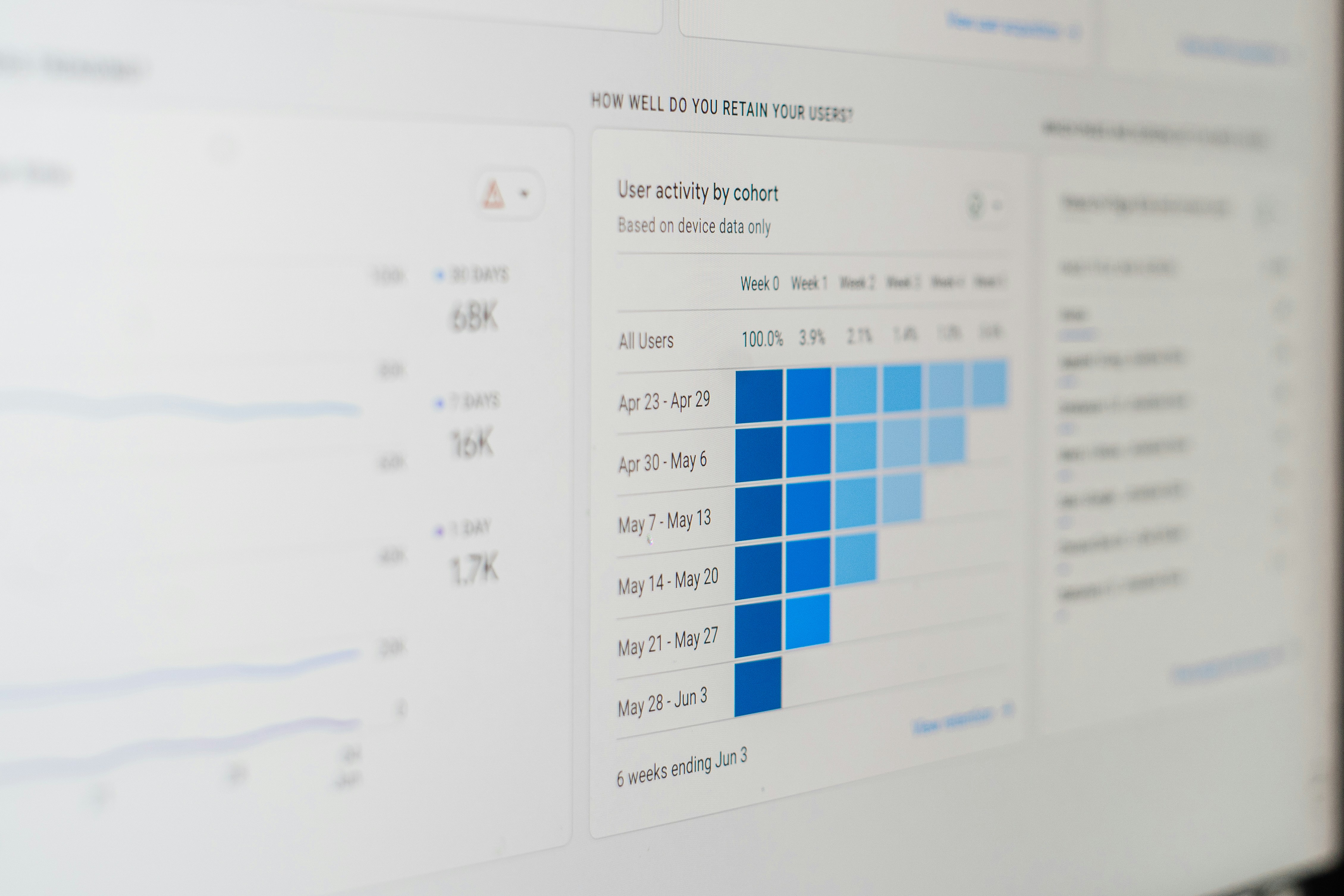
Introduction to Looker Studio and Extract Data Connector
Looker Studio serves as a robust data visualization platform designed to empower users with the capability to analyze, visualize, and share insights derived from various data sources. As organizations increasingly depend on data for informed decision-making, the necessity for a tool that seamlessly integrates various data points is paramount. Looker Studio addresses this need by providing a versatile environment where users can create compelling dashboards and reports that drive strategic insights.
A critical component of Looker Studio’s functionality is its ability to connect with diverse data sources through the implementation of data connectors. Data connectors are essential tools that facilitate the seamless flow of data into Looker Studio. These connectors allow users to import data from numerous databases, applications, and cloud services, ensuring that the analysis reflects real-time or near real-time information. Without these connectors, the efficacy of Looker Studio would be considerably diminished, limiting users’ access to valuable insights.
The Extract Data Connector, in particular, plays a pivotal role in enhancing the efficiency of data importation into Looker Studio. This feature enables users to bring in large datasets effectively, optimizing performance and simplifying the data retrieval process. By leveraging the Extract Data Connector, users can create detailed extracts of data tailored to their analysis needs, ensuring that irrelevant information is filtered out and only the most pertinent data is retained. This tailored approach not only accelerates workflows but also enriches the overall data analysis experience within Looker Studio.
As we delve deeper into the functionalities and advantages of using Looker Studio’s Extract Data Connector, it is crucial to understand its operational mechanics and the potential it unlocks for users across various sectors. This foundational knowledge sets the stage for a comprehensive understanding of how to harness the full capabilities of Looker Studio in data visualization and reporting.
What is Extract Data Connector?
The Extract Data Connector in Looker Studio is a powerful functionality designed to facilitate the extraction of data from various sources, ultimately preparing it for in-depth analysis and visualization. This connector acts as a bridge between disparate data origins and Looker Studio, allowing users to efficiently gather information from numerous databases, APIs, and other systems. By doing so, it enhances the overall analytical capabilities of Looker Studio, empowering users to derive insights from their data seamlessly.
The primary role of the Extract Data Connector is to enable data extraction processes that aggregate pertinent information into a unified dataset. This centralized data can then be manipulated and visualized, enabling analysts to create meaningful reports and dashboards. One of the key components of this connector is its ability to handle multiple data formats, ensuring versatility across differing types of data. For instance, it can extract data from traditional databases such as MySQL, Oracle, and PostgreSQL, as well as modern data warehouses like BigQuery and Snowflake.
Moreover, the Extract Data Connector can also gather information from less conventional sources, including Excel files, Google Sheets, and even external APIs, thereby accommodating a wide variety of data inputs. This helps organizations bring together data from various departments or systems into one coherent model. For users looking to work with large datasets or data in motion, the Extract Data Connector’s optimizations allow them to efficiently analyze significant amounts of information without compromising performance.
In conclusion, the Extract Data Connector is a vital instrument in Looker Studio that streamlines data extraction from numerous sources, thereby enabling comprehensive data analysis. Its functionality not only enhances user experience but also ensures that organizations can leverage their data to make informed decisions.
Benefits of Using Extract Data Connector in Looker Studio
The Extract Data Connector in Looker Studio offers a multitude of advantages that streamline the data analysis process for users. One of the primary benefits is improved data organization. By utilizing this connector, users can efficiently extract, transform, and load data, which enhances the overall structure of datasets. This organized approach is crucial, particularly when dealing with large volumes of data from various sources. With improved organization, teams can work collaboratively, ensuring that everyone is accessing consistent data.
Another significant benefit is the enhanced reporting capabilities provided by the Extract Data Connector. Users can leverage the connection to generate comprehensive and visual reports that are tailored to their specific needs. This feature not only simplifies data interpretation but also empowers decision-makers with the insights necessary for strategic planning. For example, organizations can track key performance indicators (KPIs) over time, allowing for more informed business decisions based on historical data trends.
Moreover, increased efficiency in data retrieval stands out as a critical attribute of the Extract Data Connector. This tool expedites the process of extracting relevant data, reducing the time spent on manual data collection and manipulation. For instance, a marketing team may use this connector to quickly pull customer interaction data from different platforms, enabling rapid analysis of campaign effectiveness. This efficiency not only saves time but also enhances productivity, allowing teams to focus on more strategic tasks rather than routine data management.
Real-world scenarios further illustrate these benefits; companies using Looker Studio’s Extract Data Connector have reported notable improvements in their analytics processes. By harnessing the power of this tool, organizations can drive better outcomes, optimize resources, and achieve a greater return on their data investments.
Setting Up Extract Data Connector in Looker Studio
Setting up the Extract Data Connector in Looker Studio involves several key steps that ensure a smooth integration with your data sources. To begin, it is essential to verify that you have appropriate access rights to Looker Studio and that your user account is correctly configured to connect with the desired data source. Familiarize yourself with the data types and formats that the Extract Data Connector supports, as this will guide your preparation process.
The next step is to navigate to the Looker Studio interface and select the option to create a new report or data source. Within the data source creation menu, you should locate the “Extract Data” option. Upon selecting this connector, you will be prompted to configure specific parameters such as the data source name, description, and the actual dataset you wish to extract. It is crucial here to correctly input any connection credentials, such as API keys or database login information, as these will facilitate seamless data access.
Once the initial configuration is complete, the subsequent step involves defining the extraction parameters. This may include specifying which fields to extract, filtering options, and any required data transformations. Attention to detail is vital at this stage to ensure the extracted dataset aligns with your analytical needs. After finalizing the settings, proceed to run a test extraction to confirm that your configurations work as intended. If issues arise, reviewing the configuration settings against Looker Studio’s troubleshooting documentation may provide insights into potential errors.
Finally, after successfully extracting the data, ensure to save your connector configuration. This will allow you to easily reuse the Extract Data Connector for future projects. Following these steps will enable you to effectively set up the Extract Data Connector and harness its capabilities for enriched data analysis within Looker Studio.
Best Practices for Using Extract Data Connector
Effectively utilizing the Extract Data Connector in Looker Studio requires adhering to various best practices that ensure optimal performance, data integrity, and security. One fundamental aspect involves maintaining data hygiene. Ensuring that the data being extracted is clean and consistent is critical; this includes eliminating duplicates, correcting errors, and validating data types. Clean data lays the foundation for generating accurate reports and insights, ultimately driving better decision-making.
Another vital practice is conducting periodic data extraction. Establishing a regular schedule for updates can significantly enhance the reliability of analyses and visualizations. While a real-time connection may seem beneficial, it can lead to increased load on the system and potential performance issues. By extracting data at scheduled intervals, users can strike a balance between data freshness and system efficiency. This practice also allows teams to better manage resources, ensuring that performance remains optimal during peak usage times.
Maintaining security protocols is equally important. Sensitive data should be handled in accordance with organizational policies and compliance standards. It is advisable to limit access to the Extract Data Connector to authorized personnel only. Additionally, employing encryption and secure authentication methods enhances data security, reducing the risk of unauthorized access and data breaches.
Finally, optimizing performance should be a primary focus for users of the Extract Data Connector. This includes monitoring and analyzing query performance to identify inefficiencies, such as slow execution times or resource-heavy operations. Consider using aggregated data or summary tables to minimize the amount of data being processed at any given time. By following these best practices, users can fully leverage the capabilities of Extract Data Connectors in Looker Studio, resulting in an enriched data experience that supports informed decision-making.
Common Issues and Troubleshooting Extract Data Connector
The Extract Data Connector in Looker Studio can be incredibly beneficial for users seeking to streamline their data management processes. However, like any tool, it can present some challenges. Users may encounter common pitfalls that, if unaddressed, can lead to frustration and inefficiencies. Identifying and resolving these issues promptly is crucial for maintaining a smooth workflow.
One frequent issue users face is connectivity problems. When establishing a connection to data sources, users may notice that the Extract Data Connector fails to connect successfully. This might stem from incorrect credentials or settings. To troubleshoot this, verify that the connection details, including API keys and access permissions, are correct. It’s also wise to check your internet connection as disruptions can prevent successful data extraction.
Another common concern is data refresh timing. Users may find that their data is not updated as expected. This lag can impede decision-making and affect reporting accuracy. To remedy this, it is advisable to review the scheduling settings of the data extraction process. Ensure that the refresh frequency is set appropriately and that the scheduler is functioning without errors.
Additionally, users should pay attention to the configurations when setting up data transformations in the Extract Data Connector. Misconfigured fields can lead to incomplete or inaccurate data being pulled into Looker Studio. To address this, conducting a thorough review of the transformation settings before finalizing the connection can help ensure that all necessary fields are included and correctly mapped.
By understanding these common issues and implementing effective troubleshooting techniques, users can harness the full potential of the Extract Data Connector. This proactive approach not only minimizes downtime but also enhances the overall efficiency of data operations within Looker Studio.
Enhancing Reports with Extracted Data in Looker Studio
Extracted data in Looker Studio plays a crucial role in creating comprehensive reports and dashboards that cater to specific business needs. By utilizing the Extract Data Connector, users can gather relevant information from various sources and organize it in a manner that supports data-driven decision-making. One of the prime advantages of this process is that it enables users to visualize data in diverse formats, making it easier to interpret and derive insights.
To enhance reports effectively, users should focus on tailoring the visualization techniques according to the type of data being analyzed. For instance, utilizing bar charts and pie charts can be particularly useful for comparing categorical data, while line charts are ideal for demonstrating trends over time. Looker Studio offers a variety of customizable visualizations that let users present their extracted data in an engaging and informative manner.
Moreover, creating meaningful insights from the extracted data is vital. Users should employ data aggregation and filtering features available within Looker Studio to highlight essential metrics and KPIs relevant to their objectives. By identifying patterns and correlations within the data, businesses can maximize the value derived from their reports. This also allows for more targeted decision-making and strategic planning, ultimately leading to improved performance.
In addition to visualization and insight generation, customizing reports is integral to meeting specific business requirements. Users can incorporate branding elements, such as logos and color schemes, ensuring that the reports reflect the identity of the organization. Furthermore, scheduling and sharing functionalities enable stakeholders to access up-to-date information without manual intervention, thereby enhancing collaboration and communication across teams.
Overall, leveraging extracted data in Looker Studio can significantly boost the quality and effectiveness of reports and dashboards, driving informed business decisions and fostering growth.
Case Studies: Successful Implementations of Extract Data Connector
The Extract Data Connector in Looker Studio has been effectively utilized across various industries, demonstrating its versatility and capability to resolve specific data-related challenges. One notable case involves an e-commerce company that sought to improve its reporting efficiency. Prior to implementing the Extract Data Connector, the organization faced difficulties in compiling data from multiple sources, leading to discrepancies in reporting and slow decision-making processes. By employing the Extract Data Connector, the company was able to consolidate data from disparate systems into a unified view. This integration not only streamlined data workflows but also allowed for real-time reporting, which significantly enhanced the management’s ability to make informed decisions quickly.
Another exemplary case is that of a healthcare provider struggling with data silos from various departments, which hindered operational efficiency. The Extract Data Connector facilitated the extraction of pertinent data from clinical, financial, and administrative sources. By connecting these data streams into Looker Studio, the organization was able to produce comprehensive dashboards that offered insights into patient care quality and operational performance. As a result, the healthcare provider observed a marked improvement in their performance metrics, leading to better patient outcomes and optimized resource allocation.
Additionally, a financial services firm faced challenges in analyzing market data due to the complexity of the datasets involved. Implementing the Extract Data Connector enabled the firm to automate data extraction processes and perform advanced analytics. This approach not only reduced manual workload but also improved accuracy in forecasting and trend analysis. The firm ultimately achieved a more agile and responsive strategy in market analysis, which positioned them favorably against competitors.
These case studies illustrate the Extract Data Connector’s effectiveness in addressing unique challenges faced by various organizations, proving its capability to transform data management and reporting into strategic assets.
Conclusion and Future of Extract Data Connector in Looker Studio
In summary, the Extract Data Connector in Looker Studio serves as a pivotal tool for users aiming to optimize their data analysis and reporting processes. By allowing users to create a custom subset of their data, this connector enhances performance and efficiency, making it easier to handle large datasets. This capability not only expedites data retrieval but also helps in delivering insight-rich, actionable reports tailored to specific business needs. Such customization can significantly improve user experience and decision-making processes.
As organizations increasingly rely on data-driven solutions, the Extract Data Connector is likely to remain an essential component of their reporting toolkit. The growing emphasis on data visualization and accessibility indicates that future enhancements of Looker Studio may focus on user interface improvements and expanding the functionality of data connectors. Upcoming trends may include greater integration with machine learning capabilities and advanced analytics features, thereby providing richer insights from extracted data.
Moreover, the demand for real-time data and dashboards is expected to shape the future of Extract Data Connectors. With the increasing importance of timely information, Looker Studio is likely to adapt by introducing functionalities that support faster updates and more dynamic data manipulation. The potential of artificial intelligence and automation in data extraction and analysis suggests that Looker Studio’s Extract Data Connector will evolve in ways that simplify and enhance the user experience further.
In light of these anticipated developments, it is crucial for users to explore the full potential of the Extract Data Connector and stay updated on future innovations. Embracing these tools not only improves efficiency but also enhances an organization’s ability to derive meaningful insights from their data. By staying ahead of the curve, users can maximize their leverage of data and ultimately drive better business outcomes.