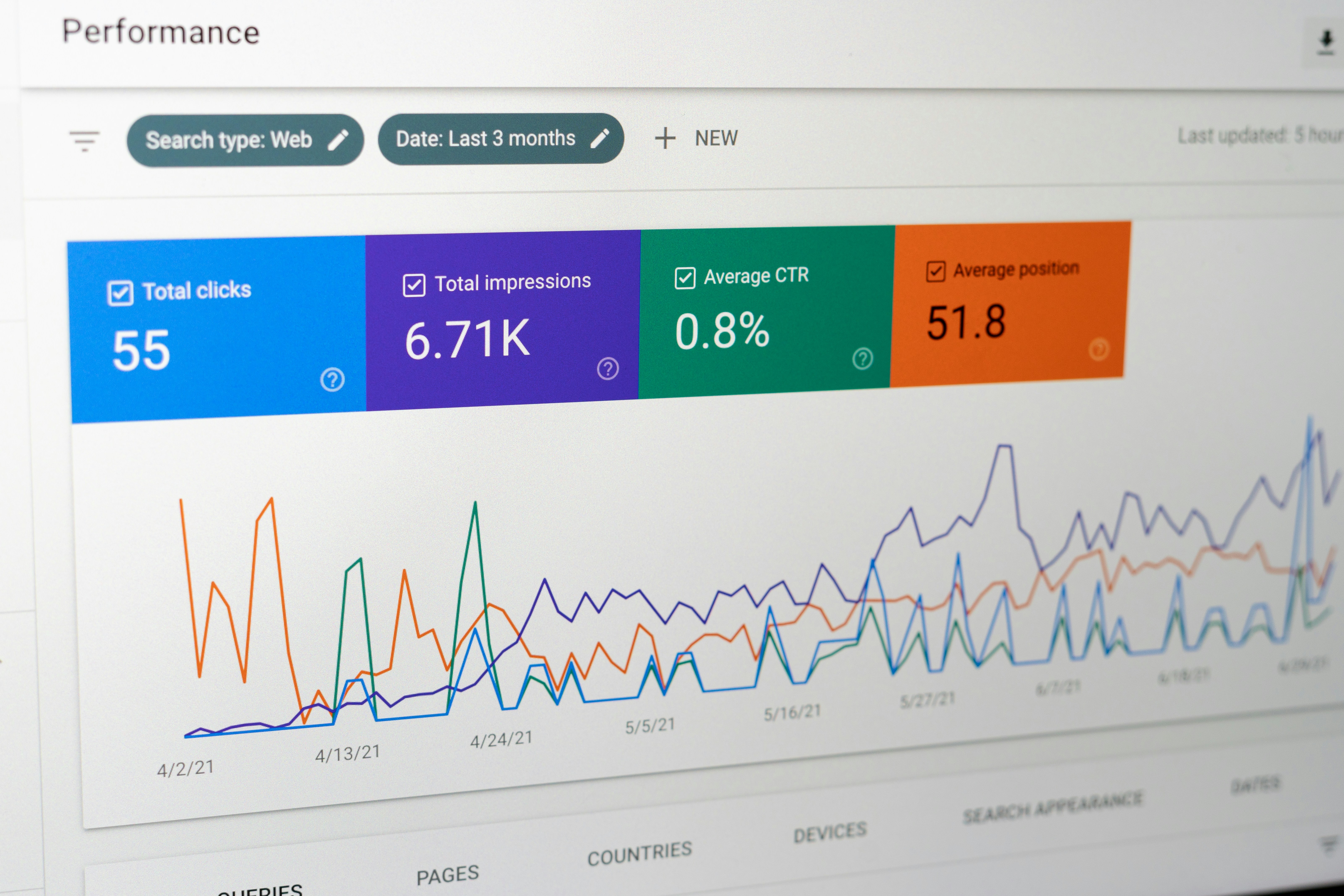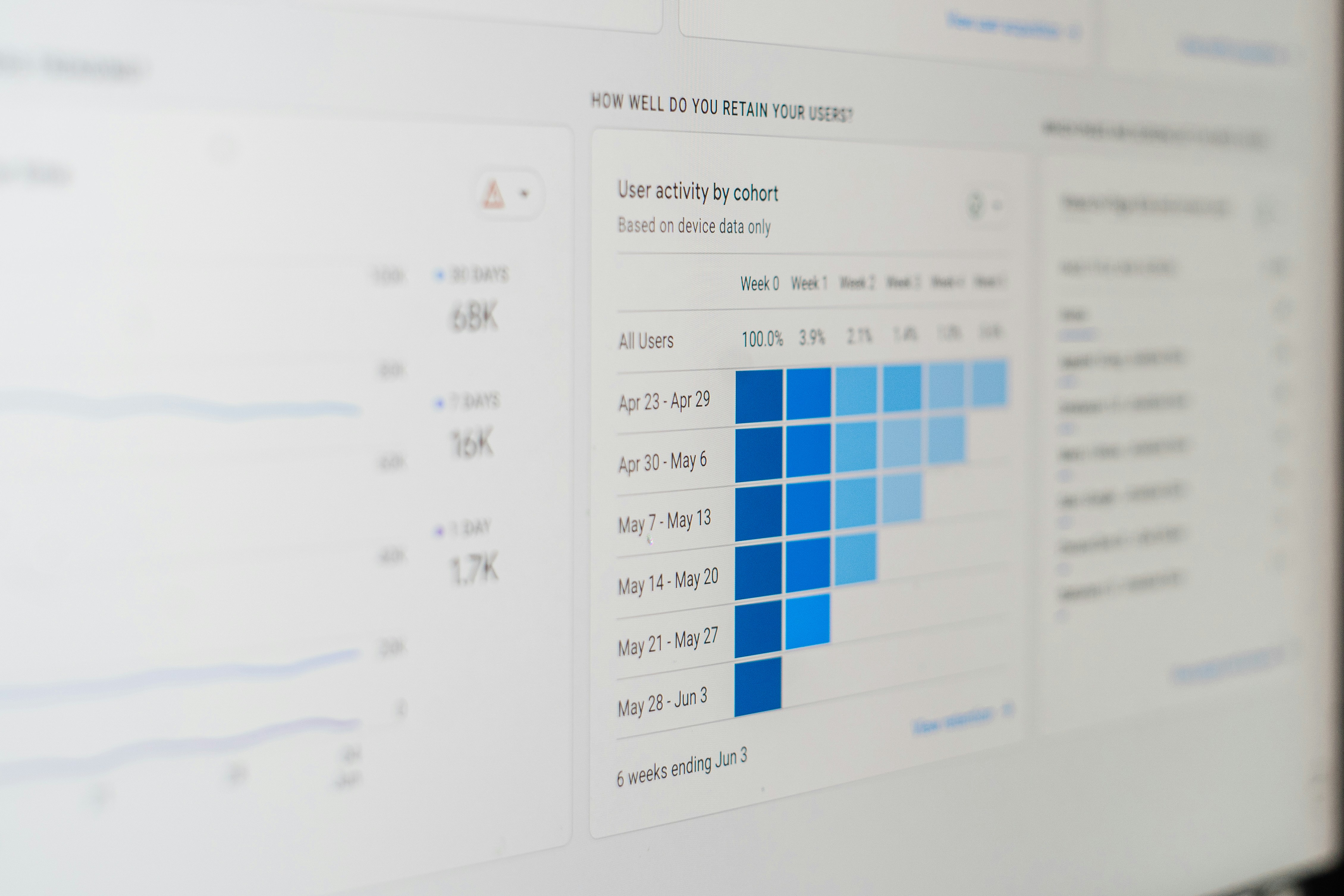
Understanding Facebook Insights
In the realm of social media marketing, having access to comprehensive data can significantly enhance a brand’s ability to engage with its target audience effectively. Facebook Insights serves as a powerful analytics tool designed for businesses and marketers, providing them with a deeper understanding of their content performance and audience interactions on the platform. This tool aggregates a wealth of data regarding post engagement, audience demographics, and overall page performance, making it indispensable for anyone looking to refine their social media strategies.
The importance of utilizing Facebook Insights cannot be overstated. It empowers marketers to make informed, data-driven decisions which are essential for optimizing ad campaigns and content strategies. By analyzing metrics such as reach, likes, shares, and comments, businesses can identify which types of posts resonate most with their audience. This not only assists in tailoring content that aligns with audience preferences but also in maximizing the return on investment for social media efforts.
Moreover, the insights provided allow marketers to segment their audience based on behaviors and demographics, granting them the ability to create more personalized content. For example, if data shows that posts targeting a specific age group garner higher engagement, marketers can adjust their approaches accordingly. Additionally, Facebook Insights offers real-world examples of successful content strategies, illustrating what works well and what does not. By learning from these examples, businesses can avoid common pitfalls and build effective campaigns that drive engagement.
In today’s competitive landscape, leveraging platforms like Facebook Insights has become crucial for any business aiming to thrive in social media marketing. Understanding audience behavior and optimizing post performance through genuine data analysis is critical for fostering meaningful interactions and achieving desired business outcomes.
Navigating the Facebook Insights Dashboard
The Facebook Insights dashboard is an essential tool that analyzes the performance of your Facebook page, providing a comprehensive overview of its activities and audience engagement. Upon accessing the dashboard, users are greeted with an organized layout that presents various key components crucial for gauging the success of social media strategies.
One of the primary sections within the dashboard is the Overview, which delivers a snapshot of important metrics, such as page views, likes, and post reach. This area is particularly beneficial for quickly assessing the effectiveness of recent posts and identifying trends over time. Users can also examine the overall growth of their page, helping them tailor content to meet audience preferences more effectively.
Next, the Likes tab provides insights into the number of new likes gained or lost within a specific timeframe. This metric offers a direct reflection of how engaging the content is and can signal what types of posts resonate most with the audience. Following the Likes section, the Reach component sheds light on the number of users who have seen your content. A high reach indicates successful visibility, while a low reach may suggest the need for adjustments in posting strategy.
The Engagement section is another critical aspect of the dashboard, illustrating how users interact with your content through reactions, comments, and shares. Understanding engagement levels enables page administrators to identify which types of posts elicit the most response, contributing to the overall effectiveness of future content.
Lastly, the Audience Insights area allows users to gain demographic information about their followers, including age, gender, and location. This valuable data supports targeted content creation, ensuring that posts align with audience interests. By comprehensively examining these components within the Facebook Insights dashboard, users can leverage the information to enhance their social media strategies effectively.
Understanding Key Metrics in Facebook Insights
Facebook Insights is a powerful tool that provides valuable data to help businesses and page administrators assess their social media performance. One of the cornerstones of this analysis is the understanding of key metrics, which can significantly impact strategies. The first term to consider is “impressions.” Impressions refer to the total number of times any content from your page was displayed to users, regardless of whether it was clicked or not. This metric helps assess the visibility and frequency of your posts on users’ screens.
Another essential metric is “reach,” which quantifies the number of unique users that have seen your content. Unlike impressions, reach only counts individual users, making it a crucial metric for understanding how effectively your content is penetrating your target audience. High reach indicates successful content distribution and engagement potential.
The “engagement rate” is a critical performance indicator, reflecting the ratio of interactions (likes, shares, comments) to the total reach or impressions. A higher engagement rate signifies that the content resonates well with the audience, stimulating dialogue and community interaction. This metric is instrumental in evaluating the impact of specific posts and allows for more informed content planning.
“Post clicks” is another vital metric, indicating how many times users clicked on your post’s links, images, or videos. This measure directly correlates with the success of calls to action within posts, making it an important aspect to monitor for driving traffic to your website or product pages. Lastly, the analysis of “audience demographics” provides insights into the composition of your followers, including age, gender, location, and interests. Understanding these demographics aids in tailoring content for improved engagement and alignment with the target audience.
These metrics provide a granular view of performance and are vital for enhancing overall social media strategies. They allow businesses to refine their approaches based on what truly resonates with their audience, ultimately leading to improved engagement and conversions.
How to Analyze Your Audience Using Insights
Understanding your audience is crucial for effective marketing, and Facebook Insights serves as a powerful tool to achieve this. By examining the demographic information offered by Facebook, businesses and marketers can gain a clearer picture of who engages with their content. This provides invaluable data, including age, gender, and language preferences, which can help shape marketing strategies. For example, if your analysis reveals a significant portion of your audience is between 25 and 34 years old, it may be beneficial to tailor your content and campaigns to resonate with this age group.
In addition to demographic breakdowns, Facebook Insights allows users to delve into the geographic distribution of their audience. Knowing the locations where your audience resides can inform decisions on where to focus advertising efforts. For instance, if you find that a large percentage of your audience is based in a specific region or city, this information can guide localized campaigns, promotions, or events, enhancing engagement and conversion rates.
Moreover, Facebook Insights provides information about user interests and behaviors. By analyzing these data points, businesses can ascertain what types of content resonate most with their audience. For instance, if insights indicate a strong interest in health and wellness among your followers, creating targeted content such as tips, articles, or products related to this theme may yield better engagement. Understanding the preferences and habits of your audience, as demonstrated in the Facebook Insights example, ultimately aids in crafting a more relevant and appealing content strategy.
Overall, leveraging Facebook Insights to analyze your audience’s demographics, locations, and interests is essential for optimizing your marketing efforts. Utilizing this data to inform your content creation and targeting strategies can significantly enhance your ability to reach the right audience effectively.
Using Facebook Insights for Content Strategy
Facebook Insights offers a powerful tool for marketers and content creators looking to refine their content strategies. By leveraging the data provided, one can identify high-performing posts and discern patterns that inform future content decisions. One primary aspect to examine is the performance of various types of posts. By analyzing how different content resonates with your audience, you can determine which formats—be it videos, images, or text posts—drive the most engagement. For example, an analysis might reveal that videos receive twice the engagement compared to standard posts, indicating a shift towards video-centric content creation.
Another critical feature of Facebook Insights is the ability to track peak engagement times. Understanding when your audience is most active enables you to schedule your posts for maximum visibility and interaction. By reviewing historic engagement data, you can discover patterns that indicate specific days or times when your audience is more likely to engage with your content. This insight allows for strategic planning around content delivery, ensuring that your most important messages reach the audience when they are most receptive.
Additionally, recognizing long-term trends in audience behavior is crucial. Facebook Insights provides various metrics that help in identifying shifts in user interaction over time. For instance, you may discover a growing interest in a specific topic, prompting a reassessment of your content approach to include more related subjects. Trends can guide not only content creation but also the overall marketing campaigns, enabling a response to evolving audience preferences and an agile content strategy. In essence, using Facebook Insights to analyze past performance and audience behavior can significantly enhance your content strategy, ensuring it remains effective and aligned with audience expectations.
Case Study: Real-World Example of Facebook Insights in Action
In today’s competitive digital landscape, leveraging data becomes essential for businesses seeking to enhance their social media strategy. A compelling example can be seen through the marketing efforts of a mid-sized e-commerce company, XYZ Fashion. In the past, they struggled with low engagement rates on their Facebook page and uncertain target audience insights. By utilizing Facebook Insights, the company was able to refine its approach significantly, leading to remarkable growth.
Initially, XYZ Fashion registered an average post engagement rate of merely 1.5%. By diving into Facebook Insights, they analyzed key metrics such as audience demographics, peak engagement times, and post types generating the most interaction. Their analysis revealed that their audience predominantly consisted of fashion-conscious individuals aged 18-34. Furthermore, the data indicated that video content performed exceptionally well on Tuesdays and Thursdays during lunch hours.
Armed with these insights, XYZ Fashion revamped its social media strategy. They began prioritizing video content that featured style tips, behind-the-scenes looks at upcoming collections, and customer testimonials. Additionally, they scheduled posts during the identified peak times to maximize visibility. Within three months, the impact was profound. Engagement rates soared to an impressive 5.8%, demonstrating the effectiveness of data-driven decision-making.
This case study highlights the importance of Facebook Insights as a tool for businesses. By analyzing specific metrics and implementing strategic changes, XYZ Fashion transformed their Facebook presence. The tangible benefits observed—such as increased engagement and more targeted content—underscore how effectively utilizing Facebook Insights can enhance a company’s social media strategy, providing a clear blueprint for other businesses seeking similar growth in their digital marketing efforts.
Common Mistakes to Avoid with Facebook Insights
When leveraging Facebook Insights, it is crucial for marketers to be aware of common pitfalls that can detract from effective data interpretation and strategy development. One prevalent error is the misinterpretation of data. Facebook Insights provides an array of metrics that can seem overwhelming. For instance, understanding the difference between reach and impressions is vital. Reach refers to the number of unique users who see your content, whereas impressions count the total number of times your content was displayed, including multiple views by the same user. Mislabeling these terms can lead to inaccurate assessments of content performance and audience engagement.
Another mistake is focusing excessively on vanity metrics. While metrics such as likes, shares, and comments may indicate popularity, they do not always correlate with meaningful engagement or conversion rates. Marketers often mistakenly prioritize these superficial indicators, neglecting deeper metrics that reflect actual audience behavior and business outcomes. Instead, cross-referencing engagement metrics with actions taken, such as clicks to your website or conversions, provides a more comprehensive view of how content drives user behavior.
Furthermore, ignoring audience feedback and engagement patterns is a significant oversight. Facebook Insights allows marketers to gather data about demographic information and user interactions. Dismissing these insights can lead to the perpetuation of ineffective content strategies. For example, analyzing which posts elicit positive responses can inform future content creation, tailoring approaches that resonate more with the target audience. It is essential to integrate these views and comments into the overall strategy rather than viewing them as isolated data points. By avoiding these common mistakes, marketers can utilize Facebook Insights more effectively, transforming data into actionable insights that enhance engagement and drive business goals.
Tools and Resources to Enhance Your Facebook Insights Analysis
To optimize the use of Facebook Insights, it is beneficial to complement the platform with additional tools and resources that can enhance analysis. Various third-party analytics tools are available that provide deeper insights into your Facebook data and overall performance. For example, tools such as Hootsuite, Sprout Social, and Buffer offer advanced analytics features and help streamline your social media management process. These platforms provide capabilities that extend beyond what Facebook Insights offers, allowing for more comprehensive tracking and reporting.
Data visualization software also plays a crucial role in enhancing your Facebook Insights analysis. Tools like Tableau and Google Data Studio can transform raw data into visually appealing reports and dashboards. By utilizing these visualization tools, you can create more accessible representations of your analytics, making it easier to identify trends and patterns over time. Clear visualizations not only improve the comprehension of key metrics but also aid in presenting data to stakeholders effectively.
Additionally, there are numerous tutorials and educational resources available online that can help users better understand and utilize Facebook Insights and associated tools. Websites such as HubSpot, Social Media Examiner, and Facebook’s own Business Help Center provide guidelines, tips, and insights on how to extract meaningful data from Facebook Insights. These resources cover everything from beginner-friendly guides to advanced strategies for analyzing your audience engagement and post performance. Utilizing such tutorials can empower individuals and businesses to make data-driven decisions, enhancing overall social media strategies.
In conclusion, integrating third-party analytics tools, data visualization software, and educational resources can significantly improve your Facebook Insights analysis. By leveraging these additional tools, users can cultivate a more nuanced understanding of their performance and take informed actions to achieve their marketing goals.
Conclusion and Next Steps
In conclusion, effectively leveraging Facebook Insights can significantly enhance your marketing strategies. By analyzing the data and metrics provided, marketers can identify their audience’s preferences, optimize content performance, and refine campaign strategies. A Facebook Insights example reveals how understanding user engagement can drive better decision-making and increased interaction. This tool provides valuable information not just about post performance, but also demographic insights that can inform future marketing efforts.
As you embark on this journey of utilizing Facebook Insights, consider setting aside time each week to review your metrics. Regularly checking the insights can help identify trends and areas for improvement. Additionally, integrating these, you will be able to tailor your content to better meet the needs and desires of your audience, thereby increasing overall engagement and conversion rates. Follow these practices: analyze which posts perform well, engage with your audience directly based on their feedback, and stay informed about changes in Facebook’s algorithm that may affect your reach.
For those eager to deepen their understanding of Facebook Insights further, we recommend exploring additional resources that delve into social media analytics and best practices. You can visit our website where you will find links to relevant blogs and services that can aid in enhancing your social media strategy. To contact us for personalized guidance or to learn more about our reporting services, please visit here or explore our detailed reporting options here and browse our latest blogs here. Start making data-driven decisions today, and watch your social media presence flourish.