Introduction to Looker Studio
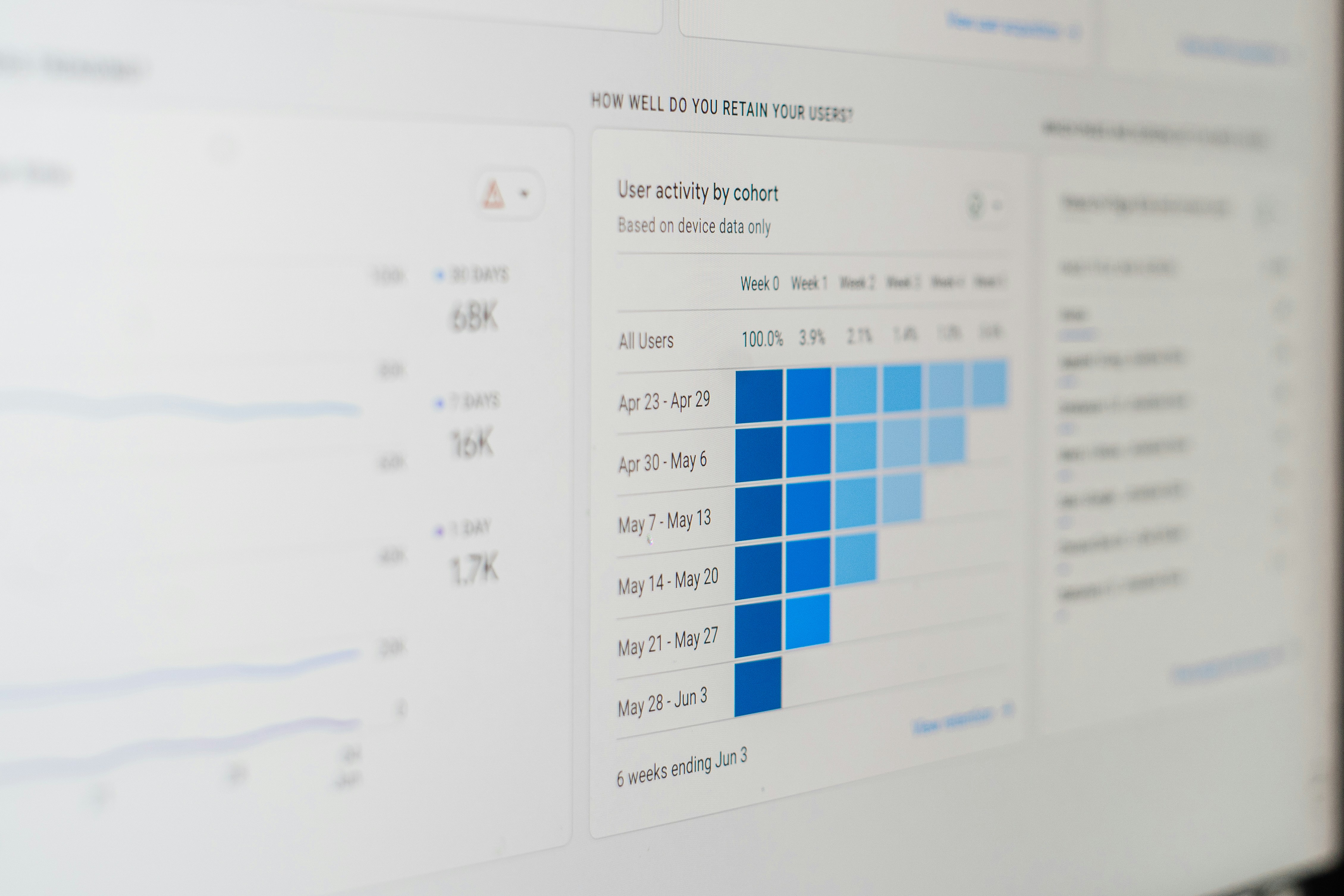
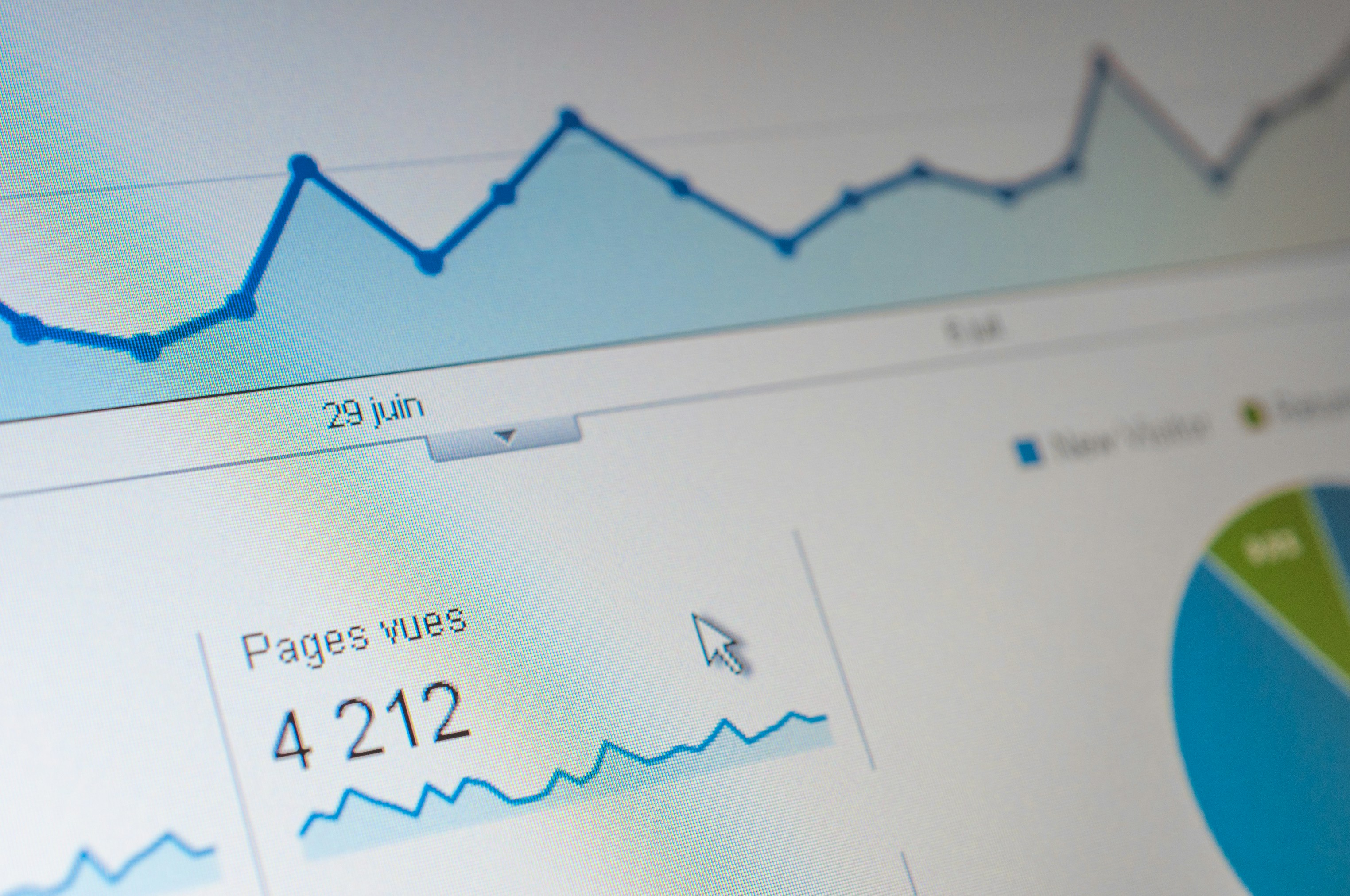
Looker Studio is a powerful business intelligence and data visualization tool that serves as a comprehensive platform for data analysis. It provides organizations with the capability to explore, analyze, and visualize data from various sources, enabling professionals to uncover insights that inform strategic decision-making. Particularly in today’s data-driven environment, the significance of Looker Studio is paramount, as companies seek to leverage analytics for competitive advantage.
One of the essential features of Looker Studio is its ability to integrate seamlessly with various databases and data warehousing solutions. This flexibility allows users to connect real-time data from diverse sources, including cloud services and traditional data storage systems. Furthermore, Looker Studio offers an intuitive interface that simplifies the user experience, enabling both technical and non-technical users to create customized reports and dashboards effortlessly.
The platform empowers businesses to engage in data-driven decision making by providing tools that facilitate collaborative analysis. Users can share insights within their teams, and the platform’s version control ensures that the latest data is always utilized in analytics. Use cases for Looker Studio vary widely across industries, from marketing analyses and sales performance metrics to operational efficiency assessments and customer behavior insights. By enabling organizations to visualize their data effectively, Looker Studio enhances the understanding of complex datasets and supports actionable strategies.
As businesses continue to explore the potential of data analytics, understanding Looker Studio’s functionality is fundamental. Its role in bridging the gap between raw data and meaningful insights makes it a critical tool in the arsenal of any organization looking to maintain a strategic advantage in their respective markets.
What is Analytics?
Analytics is a systematic computational analysis of data or statistics that enables individuals and organizations to make informed decisions based on data-driven insights. It is a broad field that is categorized into several types, each serving distinct purposes in the realm of data interpretation.
Descriptive analytics, the most fundamental form, focuses on summarizing historical data to identify trends and patterns. It utilizes tools such as dashboards and data visualization techniques to present findings clearly. This type of analytics helps businesses understand what has happened in the past, enabling them to report on performance metrics and other essential key performance indicators (KPIs).
Diagnostic analytics goes a step further by investigating causative factors behind historical performance. By applying statistical techniques to data, organizations can identify patterns that explain why certain events occurred. This understanding is invaluable for troubleshooting and improving process efficiencies.
Predictive analytics employs statistical algorithms and machine learning techniques to forecast future outcomes based on historical data. Businesses leverage this type to engage in proactive decision-making, enhancing operations by anticipating customer behaviors, market trends, and potential risks.
Finally, prescriptive analytics suggests remedial actions based on the insights derived from predictive analytics. It uses simulations and optimization techniques to provide recommendations for addressing potential issues or capitalizing on future opportunities. Organizations benefit from prescriptive analytics by improving their operational efficiency and making better strategic decisions.
Overall, analytics plays a crucial role in business environments by improving efficiency, informing decision-making processes, and assisting in the identification of significant trends. By adopting different analytics types, organizations can gain actionable insights that drive profitability and enhance competitive advantage.
Exploring Social Data Science
Social data science is an emerging field that seeks to unravel the complexities of human behavior through the lens of data. It transcends traditional analytics by integrating various aspects of social behavior data, which can be critical in deciphering consumer habits and societal trends. At its core, social data science combines methodologies from both social sciences and data analytics, allowing for a profound understanding of how individuals and groups interact.
One of the standout characteristics of social data science is its focus on sentiment analysis. Unlike standard data approaches that primarily rely on quantitative measures, social data science utilizes qualitative insights to assess public opinions and emotions. For instance, by aggregating data from social media platforms, organizations can gauge consumer sentiment regarding products, services, or broader societal issues. This depth of understanding not only informs marketing strategies but also influences product development and customer service practices.
Moreover, the study of network dynamics is a pivotal aspect of social data science. It examines how information flows among individuals and groups, highlighting the role of influencers, community formation, and the spread of trends. This network-centric approach is particularly invaluable in marketing, as businesses can identify key influencers within a social network and leverage these connections to reach target audiences more effectively.
In summary, social data science represents a paradigm shift in how data is utilized to understand human behavior. By integrating social behavior data, sentiment analysis, and network dynamics, it provides a comprehensive framework for analyzing consumer behavior and adapting to social trends. As organizations increasingly prioritize customer insights, the importance of social data science will continue to grow, affirming its role as an essential tool in contemporary analytics.
Key Differences Between Looker Studio Analytics and Social Data Science
Understanding the distinctions between Looker Studio analytics and social data science is essential for businesses seeking to leverage data for informed decision-making. Looker Studio analytics utilizes comprehensive methodologies that focus on a holistic view of data. It integrates various data sources, including operational metrics, customer behavior, and financial information, allowing organizations to visualize trends and generate actionable insights across multiple dimensions.
Conversely, social data science elaborates on specific aspects of data derived primarily from social media platforms. The methodology is more niche in nature, focusing on user-generated content, interactions, and demographic information gleaned from social channels. This specificity empowers organizations to analyze public sentiment, brand perception, and user engagement but may lack the extensive context provided by Looker Studio.
Another significant difference lies in the types of data sources utilized. Looker Studio analytics aggregates data from internal systems, databases, and third-party applications, creating a unified data environment for analysis. In contrast, social data science predominantly relies on external data sources, analyzing unstructured data from platforms such as Twitter, Facebook, and Instagram to gain insights into consumer behavior and trends.
The purposes of these data methodologies vary considerably as well. Looker Studio aims to enhance strategic decision-making by presenting a broad spectrum of business performance indicators, facilitating organizational growth. On the other hand, social data science tends to focus on brand-specific insights, typically utilized for marketing strategies, customer engagement, and reputation management.
Ultimately, the impact of these two approaches on business decision-making can be profound. While Looker Studio provides a multi-faceted perspective essential for comprehensive analysis, social data science offers targeted insights into consumer dynamics. Together, they can complement one another, but understanding their key differences is crucial for optimizing data utilization in any business context.
Use Cases of Looker Studio in Analytics
Looker Studio has emerged as a pivotal tool in the realm of data analytics, offering businesses the capability to harness vast amounts of data for enhanced decision-making. One prominent use case is performance metric analysis. For instance, a retail chain can utilize Looker Studio to monitor sales performance across different locations. By aggregating data from multiple sources, such as point of sale and inventory systems, the retail chain can identify underperforming stores, assess sales trends, and make informed decisions regarding stock allocation and marketing strategies.
Another vital application of Looker Studio resides in report generation. Organizations frequently need comprehensive reporting to understand their operational efficiency. With Looker Studio, companies can automate report generation based on predefined templates, thereby minimizing manual errors and reducing the time spent on data compilation. For example, a marketing agency can create detailed campaign performance reports that outline key performance indicators (KPIs), return on investment (ROI), and customer engagement metrics. This level of reporting empowers marketing teams to not only track outcomes but also to strategize future campaigns effectively.
Moreover, Looker Studio plays a crucial role in driving strategic initiatives through data aggregation and visualization. Consider a healthcare provider that seeks to improve patient outcomes by analyzing treatment efficacy across multiple departments. Utilizing Looker Studio, the provider can aggregate patient data, treatment plans, and outcome measures into an interactive dashboard. This visual representation enables stakeholders to pinpoint areas for improvement, develop targeted interventions, and monitor progress over time. By leveraging this analytical capability, organizations can operate more efficiently and make data-driven decisions that promote overall growth.
Real-World Applications of Social Data Science
Social data science has emerged as a pivotal tool for organizations aiming to harness the vast amount of information generated on social media platforms. Various companies have successfully utilized these strategies to enhance customer engagement, improve marketing effectiveness, and strengthen their brand reputation.
One notable example is Nike, which has effectively used social data science to analyze consumer sentiments and behavior across multiple social media channels. By leveraging advanced analytics and data visualization tools, Nike can identify trends and preferences among its customer base. This data-informed decision-making enables the company to tailor its marketing strategies, resulting in increased customer engagement and loyalty.
Another compelling case is that of Netflix, which has integrated social media analytics into its content creation processes. By examining how viewers discuss and rate their programs on platforms like Twitter and Instagram, Netflix gains invaluable insights into audience preferences. This information informs its production decisions, ensuring that new shows cater to existing viewer interests while also attracting new audiences. Consequently, this data-driven strategy has significantly contributed to Netflix’s growth in subscriptions and its competitive edge over traditional media companies.
Additionally, the airline industry has also seen the benefits of social data science. For instance, Delta Air Lines actively monitors social media channels to gauge passenger sentiment about their services. By analyzing feedback, Delta can quickly address customer concerns and implement changes in real time. This proactive approach to customer engagement has not only improved passenger satisfaction but also enhanced the overall reputation of the airline.
Through these real-world applications, it becomes evident that organizations are increasingly recognizing the value of social data science. By effectively analyzing social media data, they can make informed decisions that positively impact their business outcomes.
Integrating Looker Studio with Social Data Insights
In today’s data-driven landscape, organizations are increasingly recognizing the value of integrating analytics from Looker Studio with insights derived from social data science. Looker Studio provides robust analytical functionalities, allowing users to visualize, explore, and analyze large datasets through customizable dashboards and reports. Meanwhile, social data science brings a unique perspective, focusing on user interactions, behaviors, and trends across social platforms.
The integration of these two domains can be highly beneficial. By harmonizing Looker Studio analytics with social data insights, organizations can create a comprehensive view of their performance, customer sentiment, and market trends. For instance, social data can provide real-time information about customer reactions to marketing campaigns, enabling teams to adjust strategies promptly. When combined with Looker Studio’s analytics capabilities, organizations can analyze this social feedback alongside their traditional business metrics.
To effectively integrate Looker Studio with social data insights, a few key strategies should be considered. First, identifying the right social data sources is critical. Platforms such as Twitter, Facebook, and Instagram offer APIs that can be leveraged for data extraction. Extracting relevant metrics, such as engagement rates, brand mentions, and sentiment analysis, can enrich the analytical landscape. Once these insights are gathered, they can be visualized in Looker Studio, allowing for nuanced analyses.
Another significant aspect is ensuring data quality and accuracy. When integrating disparate data sources, maintaining consistency in the data used in Looker Studio is essential. This facilitates reliable comparisons and analyses. Moreover, organizations should consider developing a clear strategy on how to interpret and act upon the integrated data systematically. In conclusion, a thoughtful integration of Looker Studio analytics with social data insights enables organizations to decisively enhance their business intelligence capabilities, ultimately leading to more informed and calculated decisions.
Future Trends in Analytics and Social Data Science
The landscape of analytics and social data science is continuously evolving, catalyzed by rapid technological advancements and shifts in consumer behavior. One noteworthy trend is the increasing integration of artificial intelligence (AI) and machine learning (ML) within analytics frameworks. These technologies enable organizations to analyze vast amounts of data with enhanced precision, providing deeper insights into customer preferences and market trends. As AI algorithms become more sophisticated, their ability to predict future behaviors will become invaluable to businesses striving for a competitive edge.
Simultaneously, the advent of big data is reshaping the way social data science is approached. The introduction of innovative data processing tools allows for the analysis of unstructured data, such as social media interactions and user-generated content. This trend signifies a shift towards comprehensive models that incorporate real-time social data, enhancing the capacity to gauge customer sentiment and engagement.
Moreover, changes in data privacy regulations, such as the General Data Protection Regulation (GDPR) and evolving legislation in various jurisdictions, necessitate a reevaluation of data collection and usage practices. Organizations must prioritize transparency and ethical data handling to maintain consumer trust and comply with regulations. This shift will likely lead to increased investment in privacy-conscious analytics solutions that still deliver valuable insights without compromising on ethical standards.
Another critical influence on the future of analytics and social data science will be the changing expectations of consumers. As digital literacy increases among the populace, users are demanding more personalized experiences backed by data-driven insights. Businesses will need to adapt their strategies accordingly, harnessing analytics to create tailored products and services that align with consumer preferences.
In conclusion, the future of analytics and social data science is poised for transformation, driven by technological advancements, regulatory considerations, and evolving consumer behaviors. Organizations that proactively adopt these trends will undoubtedly enhance their decision-making capabilities and ultimately secure a stronger market position.
Conclusion: Choosing the Right Approach for Your Business
In conclusion, understanding the distinctions between Looker Studio analytics and social data science is pivotal for organizations aiming to leverage data effectively. Analytics focuses primarily on historical data and performance metrics, offering critical insights into past business activities. On the other hand, social data science incorporates real-time data from social interactions, thereby yielding insights that are more dynamic and reflective of current market trends. This fundamental difference can guide businesses in determining the appropriate approach to adopt based on their specific objectives.
For businesses seeking to enhance their performance analysis, utilizing Looker Studio analytics can provide a comprehensive understanding of past trends and operational efficiencies. It can help organizations identify what strategies worked previously and guide future decision-making. Conversely, those interested in tapping into consumer behavior and trends as they evolve should consider social data science. This approach allows companies to engage with audiences in a manner that is reactive to current sentiments.
The combination of both frameworks can be particularly powerful. By integrating analytics from Looker Studio with social data insights, organizations can achieve a more holistic view of their market landscape. This dual approach enables businesses not only to evaluate their historical performance but also to adapt swiftly to changes in consumer preferences and market dynamics.
Ultimately, the choice between analytics and social data science should be informed by an organization’s objectives, the nature of its industry, and its capacity to invest in data management tools. Tailoring the data strategy to meet these specific needs will foster a more informed decision-making process, leading to sustainable growth and improved operational efficiency.