Introduction to Looker Studio
Looker Studio is a powerful data visualization and business intelligence tool designed to facilitate the analysis and reporting of data across various organizations. By enabling users to explore and visualize their data in real-time, Looker Studio empowers businesses to derive actionable insights and make data-driven decisions. The platform integrates seamlessly with numerous data sources, providing users with a versatile environment to work within.
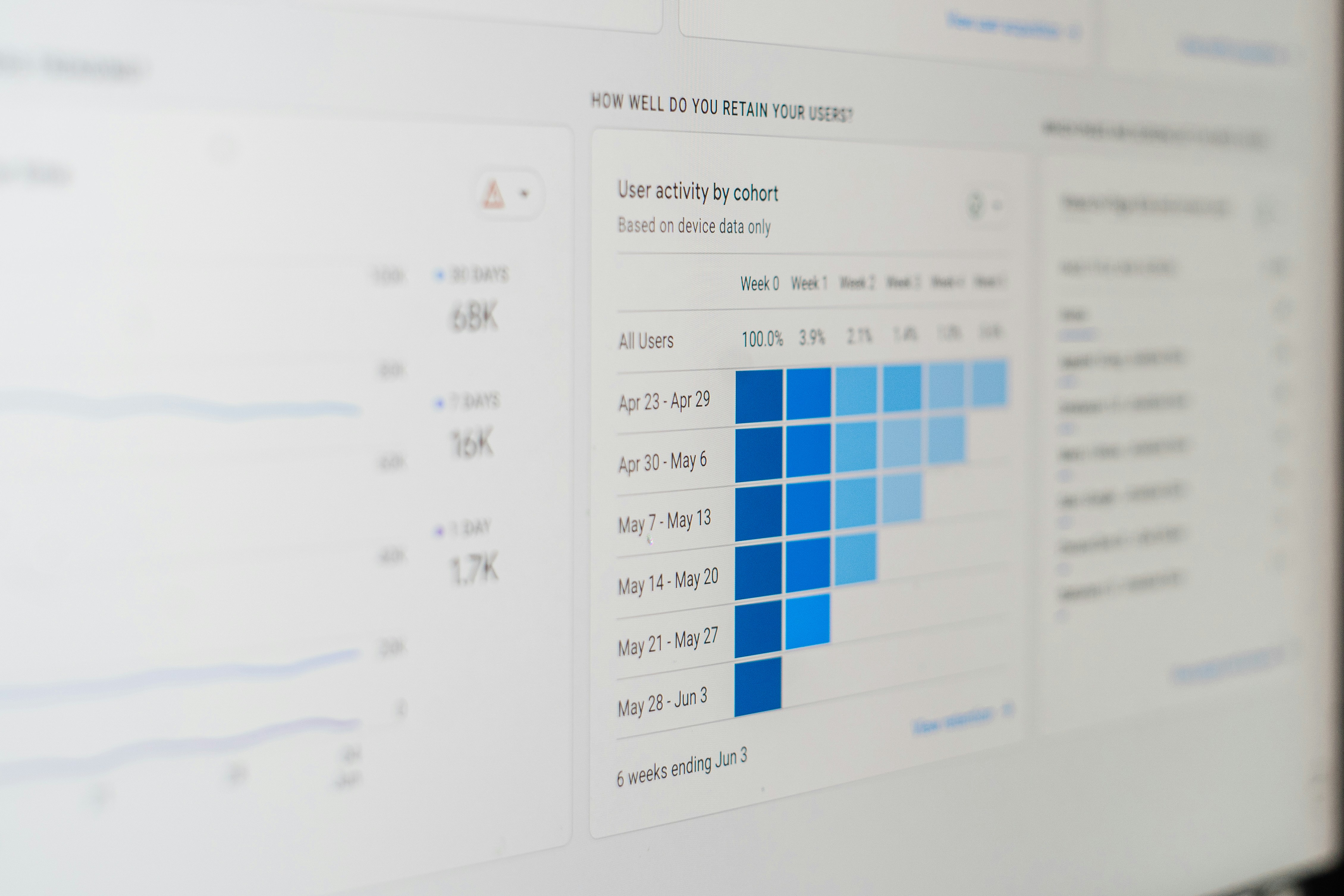
One of the primary features of Looker Studio is its ability to create interactive dashboards. These dashboards allow users to visualize complex datasets in a simplified manner, making it easier to identify trends and outliers. Each visualization can be tailored to display specific metrics or KPIs that are crucial for an organization, ensuring that stakeholders have access to relevant information at their fingertips. Additionally, Looker Studio supports a variety of visual elements, from traditional charts and graphs to more modern visualizations that support advanced analytical needs.
The importance of Looker Studio in the realm of business intelligence cannot be overstated. As companies increasingly rely on data to drive their strategic decisions, Looker Studio serves as a critical tool in the data analysis process. It fosters collaboration among teams by allowing multiple users to share dashboards and insights, thus creating a culture where data is utilized as a foundational element in organizational decision-making. Furthermore, by incorporating Looker Studio at internet delta tables, businesses can leverage the power of real-time data analysis. This combination enhances the analytical capabilities of organizations, allowing them to not only visualize their data but also to optimize their operations based on immediate insights.
The synergy of Looker Studio and delta tables ultimately leads to a more efficient data analysis workflow, showcasing the pivotal role this integration plays in modern business strategies.
What are Delta Tables?
Delta tables represent a sophisticated approach to storing and managing data, particularly in environments that require real-time analytics and seamless data integration. These tables serve as an evolution of the traditional database tables, enabling users to work with large datasets more efficiently. By utilizing a structured format, delta tables offer transactional capabilities that ensure data integrity, consistency, and reliability, which are critical for any data management strategy.
At their core, delta tables utilize a unique architecture that combines the capabilities of traditional data lakes and data warehouses, allowing organizations to manage their data more flexibly and effectively. The integration of delta tables transforms how data is stored and read, as they maintain an incremental history of changes made to the dataset. This makes it easier to audit changes, roll back to previous states, and effectively manage data evolution over time.
One of the most significant advantages of implementing delta tables, especially when paired with Looker Studio, is the enhanced performance in querying large datasets. By efficiently organizing data and handling updates and deletes as transactions, delta tables ensure that data remains consistent and up-to-date. This becomes particularly relevant in today’s fast-paced data environments where real-time decision-making is paramount. Furthermore, delta tables reduce computational overhead and enable faster processing times, which are crucial for analytics and reporting tasks performed within Looker Studio.
In addition to performance improvements, the application of delta tables also leads to greater reliability in data management. With built-in mechanisms for handling data conflicts and errors, users can trust that the information derived from Looker Studio analytics is accurate and trustworthy. Consequently, organizations that leverage delta tables can experience significant enhancements in their data workflows, ultimately leading to better business insights and outcomes.
The Benefits of Looker Studio with Delta Tables
Integrating Looker Studio with delta tables presents numerous advantages that significantly enhance data reporting, analysis, and collaboration in organizations. One of the primary benefits is the ability to access real-time data. Delta tables allow for the storage and management of large datasets, ensuring that users can query and visualize up-to-date information directly within Looker Studio. This real-time access reduces the time lag traditionally associated with data reporting and analysis, enabling teams to make informed decisions based on the most current information available.
Furthermore, delta tables provide improved version control for data. This feature allows organizations to maintain a history of changes made to the datasets over time, which is crucial for auditing and compliance purposes. When utilized in conjunction with Looker Studio, users can easily track the evolution of their data, compare different versions, and even restore previous datasets if needed. This capability not only enhances data integrity but also builds trust in the information used for reporting and analytical processes.
Enhanced collaboration among teams is another significant benefit of using Looker Studio with delta tables. By leveraging the functionalities of both tools, teams can work together more effectively, sharing insights and analyses in a cohesive environment. Looker Studio empowers users to create interactive dashboards and reports that can be easily accessed by colleagues, fostering a culture of data-driven decision-making. The integration also facilitates seamless communication between data engineers, analysts, and business users, ensuring that everyone is aligned and informed.
In conclusion, the integration of Looker Studio with delta tables offers critical advantages, such as real-time data access, improved version control, and enhanced team collaboration. By leveraging these tools together, organizations can unlock the full potential of their data for more effective reporting and analytical outcomes.
Setting Up Looker Studio for Delta Tables
To effectively set up Looker Studio for working with Delta Tables, you must first ensure that your environment meets the initial requirements. This includes having access to a Looker Studio account and the necessary permissions to create and manage data connections. Additionally, verify that the Delta Tables you wish to connect to are correctly set up in your data platform, whether it be on-premises or in the cloud.
Next, the integration process begins by establishing a connection between Looker Studio and your Delta Tables. Looker Studio provides several connection methods, including JDBC and native connectors, depending on your data source. To initiate this, log in to your Looker Studio account and navigate to the ‘Connections’ section. Here, you can select the appropriate connection type that corresponds to your Delta Tables. Once you choose the connection method, you will need to input the relevant connection details, including server URLs, authentication credentials, and any necessary parameters to ensure successful communication between the two systems.
After establishing a connection, configuration settings must be adjusted to facilitate smooth data flow. In the Looker Studio settings, you can define the options for data extraction, transformation, and loading (ETL) related to your Delta Tables. This may include setting up data refresh schedules and optimizing query performance to ensure that lookups are efficient. Moreover, pay attention to data modeling within Looker Studio to enable accurate data visualization and reporting on your Delta Tables.
By systematically following these steps, you will achieve a successful integration of Looker Studio with Delta Tables, paving the way for enhanced data analysis and insights. This setup is vital for leveraging the capabilities of both Looker Studio and Delta Tables, ensuring maximized performance and decision-making efficiency in your data initiatives.
Creating Reports in Looker Studio Using Delta Tables
Creating effective reports in Looker Studio utilizing delta tables is a structured process that leverages its robust features and functionalities. Delta tables serve as a powerful data source, efficiently managing large datasets and providing the necessary context for comprehensive reporting. To begin with, users can connect their delta tables directly to Looker Studio, ensuring that the data remains up-to-date and relevant as new transactions occur.
One of the key functionalities of Looker Studio is the ability to define custom metrics. By calculating metrics that are specific to the needs of an organization, users can derive meaningful insights that reflect the nuances of their data. For instance, users might create metrics to track performance indicators, such as sales growth or customer engagement rates, which can be directly derived from the delta tables loaded into Looker Studio.
Additionally, Looker Studio offers a variety of data filters that allow users to manipulate their dataset for more targeted analysis. These filters can be applied across reports, helping users focus on specific areas of interest, such as time periods or product categories. Such specificity can enhance the relevancy of the insights generated from the delta table data.
Visualization options in Looker Studio further augment the reporting capabilities. The platform supports an array of charts, graphs, and tables that can be customized to meet user preferences. By selecting the appropriate visualizations, analysts can present their findings in a more digestible manner, allowing stakeholders to grasp complex data trends easily.
By harnessing the customization possibilities and interactive features of Looker Studio with delta tables, organizations can create insightful reports that drive informed decision-making and strategic planning. This powerful integration enables users to transform raw data into actionable insights, reinforcing the value of using delta tables in their analytics processes.
Use Cases for Looker Studio and Delta Table Integration
Integrating Looker Studio with Delta Tables has proven to be advantageous across various business sectors, enhancing data analytics capabilities and providing actionable insights. One prominent use case can be found in the e-commerce industry, where companies leverage this integration to streamline their data reporting processes. By using Looker Studio, businesses can visualize data stored in Delta Tables, allowing for real-time tracking of sales, customer behavior, and inventory levels. This rapid access to up-to-date information empowers e-commerce firms to make data-driven decisions and optimize their operations.
Another significant application emerges in the field of finance, where organizations utilize Looker Studio to analyze large data sets from Delta Tables for reporting and compliance purposes. Financial institutions can aggregate data from various sources and create dashboards that reflect crucial metrics such as profit margins and expense overviews. The ability to seamlessly query Delta Tables within Looker Studio not only streamlines reporting workflows but also enables faster responses to regulatory requirements and market changes.
In the healthcare sector, the combination of Looker Studio and Delta Tables is utilized to manage patient records and treatment outcomes effectively. Healthcare providers can analyze data trends, monitor patient care quality, and enhance operational efficiency. By visualizing data trends through Looker Studio, these organizations can gain insights into patient demographics, treatment effectiveness, and resource allocation, ultimately leading to improved patient care.
Lastly, educational institutions have successfully integrated Looker Studio with Delta Tables to track student performance and academic outcomes. Educators can create comprehensive reports that detail student attendance, course completion rates, and overall performance metrics. The flexibility of Looker Studio allows for customized views on Delta Tables, facilitating targeted interventions and improving educational results.
These real-world examples illustrate the versatility and impact of integrating Looker Studio with Delta Tables, underscoring its significance in various industries striving for data-driven success.
Best Practices for Utilizing Looker Studio with Delta Tables
Integrating Looker Studio with Delta tables can significantly enhance data analytics and reporting capabilities. However, to maximize these benefits, it is crucial to adhere to specific best practices that ensure effective utilization. These practices encompass data governance, performance optimization, and maintaining data integrity, all fundamental for accurate reporting.
Data governance should be the cornerstone of any analytics initiative involving Looker Studio and Delta tables. Establishing a clear data governance framework ensures that data quality standards are upheld. This involves defining roles and responsibilities concerning data management, determining data ownership, and implementing policies for data access. By enforcing strict data governance measures, organizations can assure that users of Looker Studio access reliable and consistent datasets from their Delta tables.
Performance optimization is another key area for consideration when using Looker Studio with Delta tables. It is important to fine-tune the architecture to handle large volumes of data efficiently. Implementing strategies such as partitioning tables or using caching techniques can significantly enhance query performance. Additionally, leveraging Looker Studio’s built-in performance monitoring tools will help identify bottlenecks and optimize query execution times, thus providing users with timely insights.
Maintaining data integrity is paramount when working with Looker Studio and Delta tables. Regularly auditing data pipelines and validating outputs ensures that the data remains accurate throughout its lifecycle. Establishing automated data validation checks can help in promptly identifying discrepancies, thereby preserving the trustworthiness of the reports generated via Looker Studio. Furthermore, documenting changes and updates to data structures supports transparency and aids in troubleshooting any issues that arise.
In conclusion, adhering to these best practices — focusing on data governance, performance optimization, and data integrity — is critical for harnessing the full potential of Looker Studio and Delta tables for effective reporting and analytics.
Common Challenges and Solutions
Integrating Looker Studio with Delta Tables can yield significant benefits, yet challenges often arise that can hinder a smooth implementation. One prevalent issue is data latency. As Delta Tables are designed for efficient batch processing, there may be delays in real-time data availability, impacting timely decision-making. To mitigate this challenge, organizations should consider employing near-real-time data ingestion methods. For instance, using tools like Apache Kafka along with Delta Lake can facilitate a more streamlined pipeline, ensuring that Looker Studio accesses updated information quickly.
Another common challenge is version conflicts. Delta Tables maintain multiple versions of data during updates, which can lead to discrepancies when Looker Studio tries to retrieve consistent datasets. This issue can be addressed by implementing an effective version control strategy that includes defining clear data governance protocols. Establishing processes for data validation and reconciliation before ingestion into Looker Studio can significantly reduce the risk of version-related issues.
User access control is yet another critical hurdle during integration. Organizations must navigate the complexities of configuring permissions within both Looker Studio and Delta Tables to ensure that users have appropriate levels of access without compromising data security. It is advisable to establish a centralized user management system that streamlines access control policies across both platforms. Regular audits of user permissions can also contribute to identifying and rectifying any discrepancies, thereby promoting data integrity and security.
By proactively addressing these challenges through strategic initiatives, organizations can leverage the full potential of their Looker Studio at Internet Delta Table integration, facilitating better data-driven decision-making while ensuring robust performance and security measures are in place.
Further Resources and Reading
To enhance your understanding of Looker Studio and its integration with delta tables, numerous resources are available that cater to various learning preferences. Whether you’re interested in in-depth articles, hands-on tutorials, or specialized tools, these resources can significantly aid in comprehending the functionalities and advantages of using Looker Studio with delta tables.
One excellent starting point is the comprehensive guides provided by Looker itself. These guides delve into specific use cases, allowing users to understand how to maximize the efficiency of Looker Studio in analyzing and visualizing data from delta tables. Another valuable resource can be found on data analytics blogs that cover the integration of Looker Studio at internet delta table, offering insights and practical examples that can facilitate a smoother learning curve.
Tutorials available on platforms like Medium and data-focused YouTube channels also serve as exceptional learning aids. These tutorials often feature step-by-step instructions that demonstrate the integration process between Looker Studio and delta tables, making it easier to conceptualize and implement these processes in your projects. Depending on your level of expertise, you’ll find articles suitable for both beginners and advanced users alike.
Furthermore, consider exploring community forums such as Stack Overflow or Reddit, where professionals and enthusiasts discuss challenges and solutions related to Looker Studio and delta table implementations. Engaging with the community can provide real-time feedback and tips from those with firsthand experience.
For personalized assistance, do not hesitate to visit the contact pages and service offerings on the following links: Contact Us, Looker Studio Reporting, and Blogs. These resources are designed to support you in effectively utilizing Looker Studio and delta tables for your data analysis needs.