Introduction to Looker Studio
Looker Studio is an advanced data analytics and visualization platform that serves as a critical tool for organizations seeking to harness the power of their data. Designed to cater to various user needs, it allows businesses to connect disparate data sources seamlessly, facilitating comprehensive analysis and insights. This capability is integral for decision-making processes across industries, as it transforms raw data into valuable information that drives strategic initiatives.
The platform stands out due to its intuitive user interface, which enables both technical and non-technical users to navigate and create insightful visualizations effortlessly. With Looker Studio, users can compile diverse datasets, including cloud databases, spreadsheets, and other data sources, all within a unified environment. This connectivity fosters a collaborative analysis experience, empowering teams to explore data from multiple angles and derive actionable insights with ease.
Moreover, Looker Studio emphasizes the importance of data storytelling—a method of presenting data findings in a compelling narrative format. This approach enhances the ability to communicate insights effectively, ensuring that stakeholders understand the implications of the data. By integrating visual elements such as charts, graphs, and tables, Looker Studio breathes life into statistics and figures, making them more relatable and easier to grasp. Consequently, users can convey complex information clearly and succinctly, driving informed decision-making within their organizations.
Ultimately, Looker Studio represents a pivotal shift in how organizations visualize, interpret, and respond to data. Its focus on connectivity, usability, and data storytelling positions it as a comprehensive solution for businesses seeking to harness their data assets strategically and effectively. With this platform, every user can engage deeply with their data, fostering a culture of analytics that promotes growth and innovation.
Why Data Connectivity Matters
In today’s data-driven landscape, the ability to integrate various data sources is paramount for businesses seeking to make informed decisions. Data connectivity, particularly within platforms like Looker Studio, is essential for breaking down silos that often impede effective data analysis and decision-making. When organizations fail to connect disparate data sources, they encounter challenges such as incomplete insights, redundant efforts, and inaccuracies that hinder performance metrics.
Data silos occur when departments or teams within a business operate in isolation, often leading to a fragmented view of operational performance and customer behavior. This fragmentation can be detrimental, as it restricts the flow of information and knowledge-sharing across the organization. By leveraging Looker Studio to connect various data sources—be it internal databases, cloud services, or third-party tools—businesses can create a cohesive data ecosystem. This integration allows stakeholders to access a holistic view of their operational landscape, thereby optimizing analysis and improving response times to market changes.
The advantages of enhanced data connectivity in Looker Studio extend beyond mere accessibility. When data from multiple origins is unified, businesses can benefit from improved accuracy and contextual understanding of trends and metrics. Comprehensive data insights facilitate more robust decision-making, which is essential in high-stakes environments. Furthermore, this integration supports advanced analytics, such as predictive modeling and trend analysis, enabling companies to anticipate shifts in consumer behavior or operational efficiency. Ultimately, enhancing data connectivity is not just about integration; it is about empowering organizations to harness their data potential fully, leading to sustainable growth and competitive advantage.
Exploring the King and Queen Concept
The metaphorical representation of data insights as ‘King’ and ‘Queen’ encapsulates the dynamics of data analysis and reporting within Looker Studio. In this context, the ‘King’ signifies the paramount statistics that drive crucial business decisions and strategies. Often, this type of data emerges from key performance indicators (KPIs), sales figures, or other significant metrics that provide a direct link to an organization’s success. The ‘King’ data is revered for its ability to showcase trends, inform forecasts, and highlight areas requiring immediate attention. Organizations prioritize this data because it has a robust influence on overall performance and direction.
Conversely, the ‘Queen’ represents another dimension of data insights, focusing more on user engagement and behavioral analytics. While the ‘King’ data may assert authority through necessity, the ‘Queen’ reigns supreme in areas concerning interaction and user experience. Data that defines audience preferences, engagement levels, and feedback forms the foundation of this category. The insights derived from this ‘Queen’ data can be transformative, guiding businesses in optimizing their approaches to customer satisfaction and retention. Without the insights that the ‘Queen’ provides, organizations may miss critical opportunities in nurturing relationships with their clientele.
Thus, the duality of the ‘King’ and ‘Queen’ metaphor underscores the importance of utilizing diverse data insights. The ‘King’ denotes the essential benchmarks that every data-driven decision must be rooted in, while the ‘Queen’ reflects the necessary nuances of user interaction. By comprehensively understanding both facets, organizations can enhance their reporting capabilities through Looker Studio, ensuring they are making informed decisions based on both authoritative metrics and user-centric insights. Achieving a harmonious balance between these two types of data enables a holistic approach to data analysis, fostering a complete understanding of business performance and customer interaction.
Setting Up Looker Studio Connections
Establishing connections within Looker Studio is a critical step for users looking to harness the power of their data insights effectively. To begin, users must first log in to their Looker Studio account. Upon accessing the main dashboard, they can initiate the connection process by selecting the “Create” button, which provides options for various data sources.
The platform supports a range of data sources, including traditional databases like MySQL and PostgreSQL, as well as cloud services such as Google Analytics and BigQuery. To connect to a database, users need to choose the appropriate option from the list and input crucial connection details including server name, database name, username, and password. Ensuring that the necessary permissions are granted at the database level is essential to facilitate a successful connection.
For API connections, users will typically need to enter their API key and specify endpoints. Looker Studio’s intuitive interface simplifies this process, allowing users to easily manage settings and verify connections. Once the API or database connection is established, users can proceed to select the desired data tables or datasets for reporting.
Cloud services generally require similar steps but may offer pre-configured options for quick setup. After entering the required parameters, users can authenticate through OAuth protocols where applicable. Following successful authentication, Looker Studio retrieves the data, enabling users to visualize and report on their findings efficiently.
Once connections are made, it is advisable to test them to ensure reliability. Users can do this by previewing the data fetched from the respective sources. This testing phase is essential for identifying potential issues before delving into creating reports. By following these steps, users will be well-equipped to integrate various data sources into Looker Studio, enabling powerful data analysis and reporting capabilities.
Creating Engaging Reports with Looker Studio
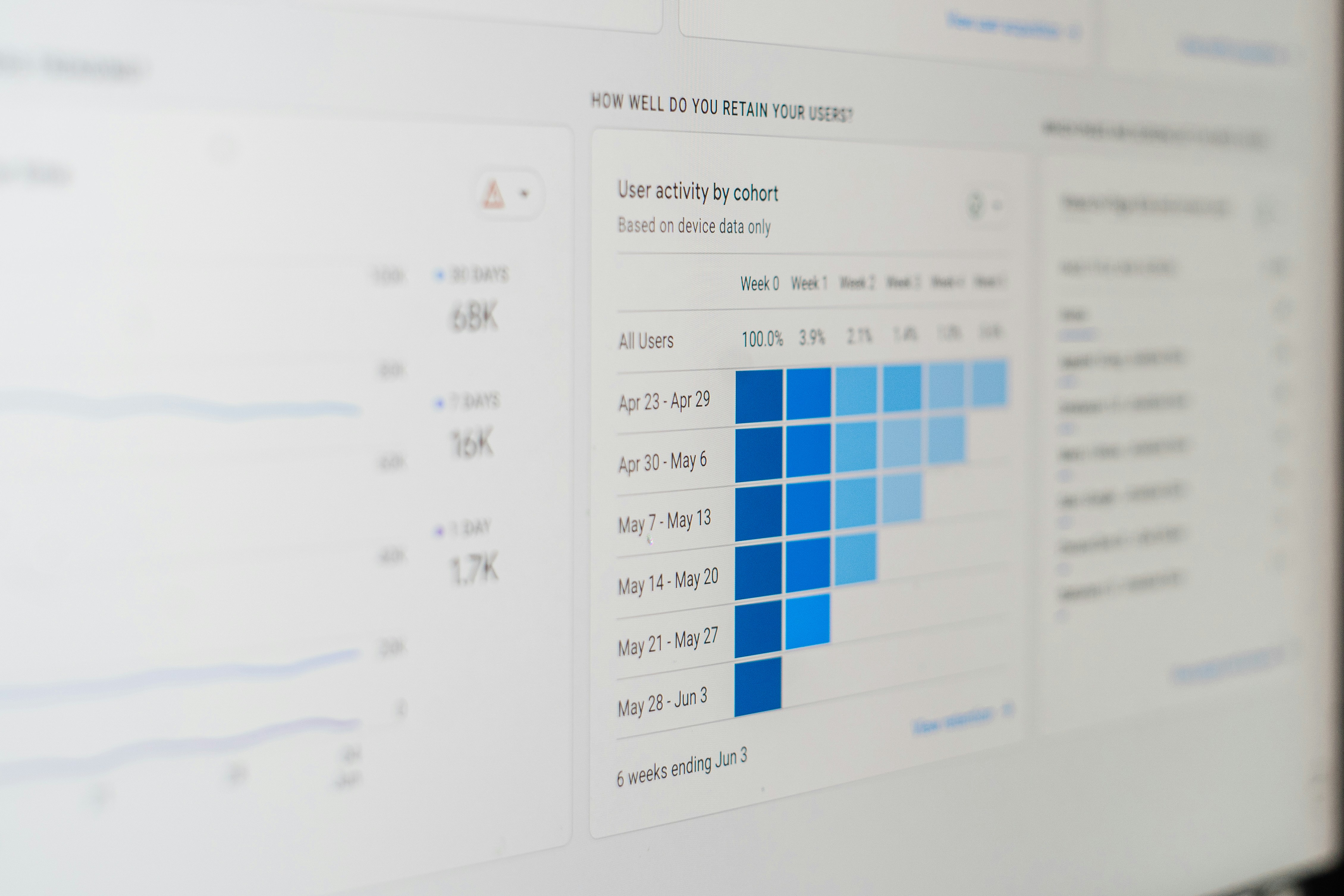
Designing engaging and informative reports in Looker Studio necessitates a strategic approach that balances aesthetics with functionality. The core of an effective report lies in selecting the appropriate visualization types. Looker Studio supports a variety of visualization tools, including bar charts, line graphs, heat maps, and pie charts, each serving different purposes. An ideal report may combine multiple visualization styles to present data insights more comprehensively and dynamically.
When creating these reports, it is essential to consider the design principles that enhance readability and user engagement. Utilizing consistent colors, fonts, and layout styles not only maintains visual coherence but also strengthens the viewer’s understanding of the data being presented. Furthermore, whitespace should not be overlooked, as it plays a vital role in avoiding clutter and allowing key insights to stand out. Keeping these design elements in harmony promotes a more intuitive experience for end-users.
Moreover, tailoring reports to meet the specific needs of diverse audiences is fundamental to delivering actionable insights. Different stakeholders often require varied information; for instance, executives may prefer high-level overviews, while data analysts might require detailed breakdowns. By understanding the audience’s preferences, one can create targeted reports that resonate effectively. Offering interactivity through features such as filters and drill-down capabilities can significantly enhance user engagement, allowing viewers to explore the data at their own pace.
Ultimately, the goal of crafting engaging reports within Looker Studio is to not only present data but also to drive informed decision-making. By thoughtfully selecting visualizations, adhering to strong design principles, and customizing content for specific audiences, one can ensure that reports are not only informative but also compelling and useful in extracting meaningful insights from King and Queen data.
Interactivity and User Engagement
The incorporation of interactivity within Looker Studio reports significantly enhances user engagement and contributes to a more dynamic data exploration experience. One of the primary features that bolster this interactivity is the use of filters. Filters enable users to refine data based on specific criteria, allowing them to focus on particular segments of the dataset. This capability ensures that users are not overwhelmed with information but can instead drill down into the aspects of interest. For instance, a sales report can be filtered by region, time frame, or product category, facilitating a more targeted analysis.
Another key feature is the drill-down options. This allows users to delve deeper into data metrics with just a click, leading to a more granular perspective on the dataset. For example, within a visualization of overall sales figures, a user might click on a segment to reveal detailed sales data for a specific product line. This capability not only makes the data more accessible but also invites users to explore and interpret the data in a manner that suits their analytical needs.
Furthermore, dashboard customization plays a crucial role in enhancing user experience. Looker Studio allows users to create dashboards that reflect their personal preferences and requirements, thus ensuring that the data presented aligns with their analytical objectives. Users can rearrange components, choose color schemes, and select pertinent visualizations that resonate with their familiarity and comfort level. This level of customization fosters a deeper connection with the data, encouraging users to engage more thoroughly with the analysis presented.
In summary, the emphasis on interactivity within Looker Studio, through features like filters, drill-down methods, and dashboard customization, transforms static data into a vibrant and engaging experience. Such tools not only empower users to extract valuable insights but also encourage ongoing exploration and interpretation of the data at hand.
Case Studies: King and Queen Data in Action
Numerous enterprises have leveraged the principles of King and Queen data analysis through Looker Studio to enhance their business outcomes significantly. One case study involves a retail company that utilized Looker Studio to analyze customer purchasing patterns. By applying King data strategies, the company identified high-value customers, or ‘Kings,’ whose purchasing behavior contributed substantially to revenue. The data analysis allowed them to tailor marketing campaigns specifically to this customer segment, leading to a 25% increase in sales over a six-month period. In this case, the effective utilization of Looker Studio’s visualization tools facilitated strategic decision-making that maximized the company’s resources.
Another compelling example comes from a healthcare organization that integrated Looker Studio into its data collection processes. By focusing on Queen data, a term representing the vast majority of data generated from routine patient interactions, the organization was able to pinpoint inefficiencies in patient care workflows. This resulted in a targeted intervention that decreased average patient wait times by 30%. The analytics capabilities of Looker Studio enabled the healthcare provider to gain insights from this extensive data and implement changes that improved patient satisfaction and operational efficiency.
Furthermore, a financial services firm adopted Looker Studio to merge King and Queen data within its risk assessment models. By analyzing major financial transactions alongside conventional customer behavior metrics, the firm not only improved risk management but also enhanced customer analytics. This dual-pronged approach led to more accurate predictive modeling, enabling them to reduce default rates by 15% while simultaneously expanding their customer base through more customized financial products.
These case studies exemplify the effectiveness of King and Queen data principles, illustrating how businesses can harness the power of Looker Studio to drive strategic decision-making and achieve exceptional outcomes.
Troubleshooting Common Connectivity Issues
When utilizing Looker Studio to connect with King and Queen Data Insights, users may encounter various connectivity challenges that can disrupt their workflow and hinder data reporting processes. Identifying and addressing these issues promptly is crucial for maintaining efficient operations and accurate analytics. Here, we outline some common pitfalls and their corresponding solutions.
One frequent issue users face is difficulty in establishing a connection between Looker Studio and their data sources. This generally stems from incorrect credentials or misconfigured data source settings. To resolve this, ensure that the credentials entered are accurate and that the data source is properly authenticated. It is also advisable to review any access permissions that might restrict data integration. In some instances, a data source may be configured to work only with specific IP ranges, which may block access from outside those ranges.
Another connectivity problem may arise due to network-related challenges. For instance, high latency or firewall restrictions could hinder the performance of data queries and reports. In such cases, users are encouraged to check their network settings, ensuring that firewall rules allow access to the necessary ports and protocols used by Looker Studio. Additionally, it can be beneficial to perform regular network speed tests to mitigate any unforeseen connectivity lags.
If connectivity issues persist, it may be time to consult the Looker Studio documentation or seek support from customer service. They can provide valuable insights and tailored solutions to address any specific connectivity challenges you might be facing. By systematically addressing these common issues, you can ensure a smooth experience while harnessing the robust capabilities of Looker Studio for your data insights.
Conclusion and Future Directions
In summary, Looker Studio represents a significant advancement in the realm of data analytics, enabling organizations to derive meaningful insights from King and Queen Data. Through its user-friendly interface and powerful connectivity capabilities, Looker Studio facilitates effective analysis that can drive strategic decision-making. The ability to connect various data sources and visualize complex information simplifies the task of interpreting data for stakeholders at all levels.
As businesses increasingly recognize the importance of data-driven strategies, the role of tools like Looker Studio will become even more critical. The demand for integrated analytics platforms that provide real-time insights continues to grow, reflecting a broader trend towards the democratization of data access within organizations. This shift is essential for fostering a data culture where information is readily available and actionable, empowering teams to make informed choices rapidly.
Looking forward, several trends are poised to influence the future of data connectivity and analytics. Artificial intelligence and machine learning are expected to play a pivotal role, providing advanced analytics capabilities that enhance predictive insights. Furthermore, the integration of real-time data streams will promote more immediate responses to market changes, thus enhancing operational agility. Companies should prepare for an evolution where analytics becomes more automated and embedded within everyday business processes.
In conclusion, embracing Looker Studio as a core component of data strategy will not only fortify an organization’s analytical capabilities but also position it favorably for the inevitable changes in the data landscape. By staying informed of emerging trends and leveraging powerful analytical tools, businesses can continue to harness the potential of their data for sustained growth and competitive advantage.