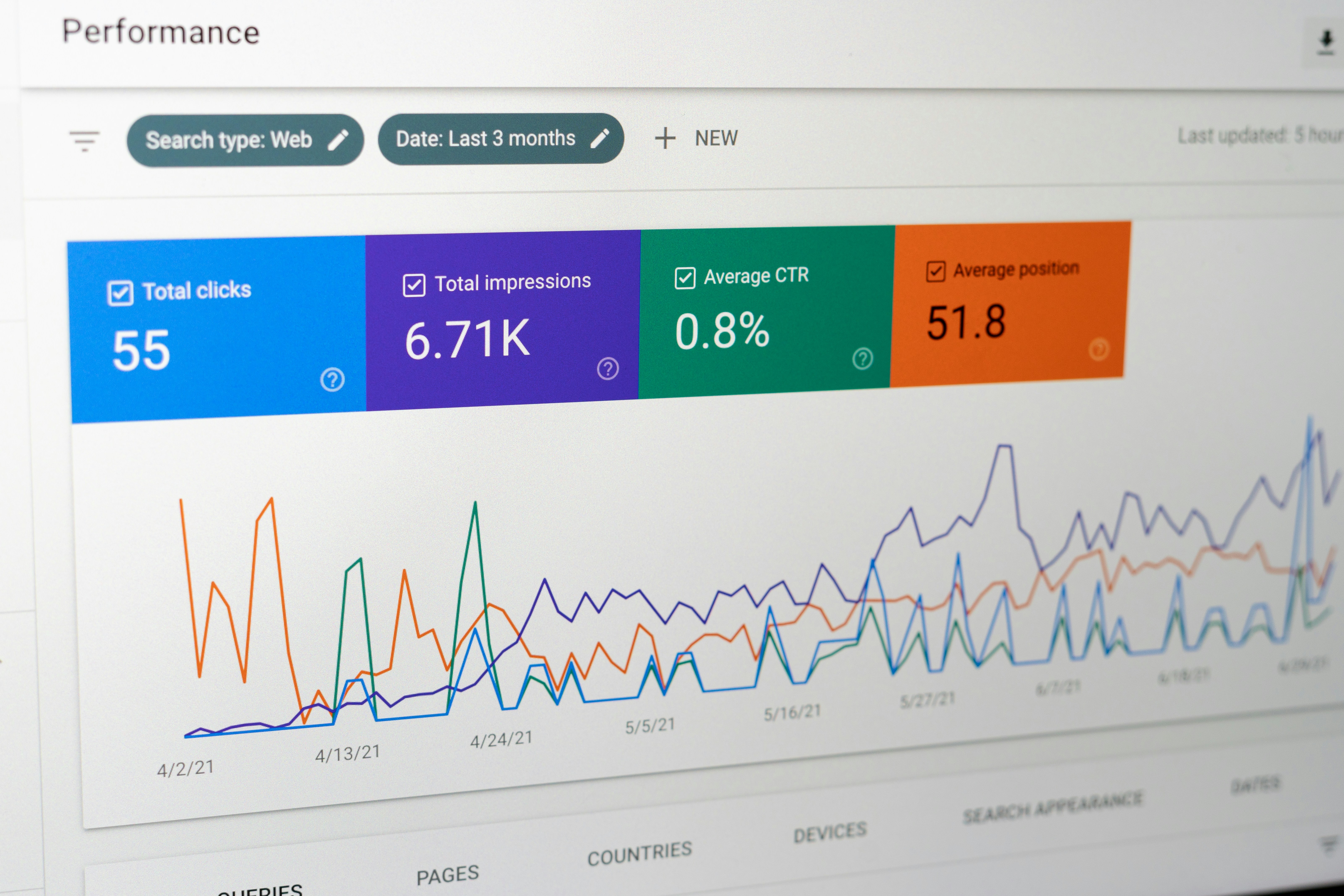
Introduction to Looker Studio Gopher
Looker Studio Gopher serves as a pivotal tool in the realm of data analytics, designed to simplify the complexities surrounding user experience and tenant management. As organizations increasingly rely on data-driven decision-making, the need for effective data visualization and analysis tools has become paramount. Looker Studio Gopher addresses this need by streamlining the process of data interaction, ensuring that users can easily navigate vast datasets and derive actionable insights.
The primary purpose of Looker Studio Gopher is to enhance the overall user experience within the Looker ecosystem. By providing a user-friendly interface and intuitive features, Gopher empowers users—regardless of technical proficiency—to explore their data comprehensively. This improved accessibility encourages a more significant engagement with analytics, facilitating enhanced data literacy across an organization.
Furthermore, Looker Studio Gopher plays a crucial role in tenant management. In today’s multi-tenant cloud environments, efficiently managing different clients and their unique data needs is paramount. Gopher streamlines this management, allowing administrators to oversee settings, permissions, and user roles seamlessly. This functionality ensures that each tenant receives a tailored experience, optimizing the value derived from data analytics.
In essence, Looker Studio Gopher stands out for its dual capability to refine user interaction with data and streamline tenant administration. By bridging the gap between raw data and informed decision-making, Gopher enhances the analytical capabilities of teams, fostering an environment where data can be leveraged more effectively. As we delve further into the features and benefits of Looker Studio Gopher, its significance in the data analytics landscape will become even more apparent.
Key Features of Looker Studio Gopher
Looker Studio Gopher is a powerful business intelligence tool designed to enhance reporting and data visualization for users and tenants. One of the most significant features of Gopher is its user-friendly interface, which simplifies navigation and enables users to access data insights with ease. This intuitive design not only lowers the barrier for non-technical users but also caters to advanced users seeking to conduct in-depth analyses swiftly.
Another key feature of Looker Studio Gopher is its robust data modeling capabilities. Gopher empowers users to build complex data models without requiring extensive programming knowledge. The tool incorporates LookML, allowing data analysts to define relationships among different data sources seamlessly. This capability ensures that tenants can derive insightful reports that accurately depict their business metrics.
Furthermore, the collaborative aspects of Looker Studio Gopher cannot be overlooked. The tool supports integration with various communication and productivity platforms, fostering teamwork among users. Reports can be shared easily, enabling real-time feedback and collaborative decision-making processes. This feature enhances the overall user experience, as teams can work together more efficiently while leveraging collective insights.
Additionally, Looker Studio Gopher includes advanced data visualization options. Users have access to a range of customizable charts, graphs, and dashboards, which facilitate the effective presentation of data findings. These visual representations help tenants uncover trends and patterns within their datasets, ultimately supporting informed business decisions.
Gopher also emphasizes security and governance, featuring role-based access controls and audit trails. Such measures ensure data integrity while allowing organizations to maintain compliance with industry standards. By prioritizing security, Gopher offers peace of mind to users and tenants when accessing and sharing sensitive data.
How Looker Studio Gopher Benefits Users
Looker Studio Gopher presents multiple advantages for individual users seeking to enhance their data analytics experience. Primarily, Gopher significantly improves data accessibility, allowing users to retrieve and manage their data efficiently. By integrating various data sources, users can seamlessly access real-time information, making it easier to analyze and visualize pertinent data without navigating through complex databases. This accessibility ensures that users can focus on deriving insights rather than spending excessive time gathering information.
In addition to improved accessibility, Looker Studio Gopher enhances reporting capabilities, empowering users to create more insightful reports tailored to their needs. The platform offers customizable templates that allow users to present data in a coherent manner, showcasing key performance indicators and trends. This level of customization is crucial for users who need to prepare presentations or share insights with stakeholders. With advanced visualization options, users can transform raw data into comprehensible charts and graphs, facilitating better understanding and communication of findings.
Furthermore, Looker Studio Gopher streamlines workflow processes, enabling users to integrate their data analysis into their daily operations effortlessly. Collaborating with team members becomes straightforward as Gopher supports sharing and collaboration features. This allows users to coordinate tasks, share findings, and receive feedback in a timely manner. As a result, workflows are optimized, minimizing unnecessary redundancies and fostering a collaborative environment that encourages data-driven decision-making.
Overall, Looker Studio Gopher offers a robust set of features that empower individual users to enhance their data management and analytical capabilities. By focusing on accessibility, reporting, and streamlined workflows, Gopher provides the necessary tools for users to make informed decisions based on reliable data insights.
Advantages for Tenants Using Looker Studio Gopher
Looker Studio Gopher offers numerous advantages for tenants seeking to optimize their data management processes. One of the primary benefits is the increased efficiency it brings to data management. By leveraging the powerful features of Looker Studio Gopher, tenants can automate routine data tasks, thereby saving time and reducing the potential for human error. The platform allows users to connect directly to various data sources, enabling real-time data analysis and decision-making that is essential for fast-paced business environments.
Another significant advantage is the customizable reporting solutions that Looker Studio Gopher provides. Tenants can create tailored reports that meet their specific needs and objectives. This flexibility ensures that users can visualize and interpret their data in a way that is most meaningful for their respective operations. With its intuitive interface, Looker Studio Gopher allows tenants to design reports without requiring advanced technical skills, thus democratizing access to data insights across teams.
Collaboration is further enhanced through Looker Studio Gopher, empowering teams to work together seamlessly. With features that support shared dashboards and collaborative project workspaces, tenants can ensure that all team members have access to the same up-to-date information. This shared approach fosters improved communication and enables teams to make informed decisions collectively. Moreover, the ability to track changes and share insights promotes accountability and transparency within teams.
Overall, tenants using Looker Studio Gopher benefit from a robust data management solution that enhances efficiency, facilitates customizable reporting, and promotes effective collaboration. These advantages make it a valuable tool for any organization aiming to leverage data for strategic decision-making and operational improvement.
Integrating Looker Studio Gopher with Existing Systems
The integration of Looker Studio Gopher with existing systems is a crucial step for users and tenants aiming to streamline their data management and analytics processes. Gopher is designed to facilitate seamless connectivity with various data sources and platforms, but effective integration requires careful planning and execution. To begin the integration process, users should first identify the systems they intend to connect with Gopher. This typically includes databases, third-party applications, and cloud services.
One of the first technical requirements to consider is the compatibility of data formats. Looker Studio Gopher supports various data formats such as JSON, CSV, and more. Ensuring that the data formats in use are compatible will help prevent potential issues during integration. Users should also assess any necessary APIs or data connectors that may need to be configured, as these are essential for establishing communication between Gopher and the other systems.
Security is another paramount concern when integrating Looker Studio Gopher. Users must ensure that secure connections are established through encryption protocols like SSL or VPNs. Configuring user permissions and access levels is essential to maintain data integrity and prevent unauthorized access. Furthermore, looking into the data-sharing agreements between your organization and any third-party providers is vital to ensure compliance with data protection regulations.
In addition, during the integration process, thorough testing should be conducted to ensure data flows smoothly between Looker Studio Gopher and existing systems. This includes validating data accuracy and consistency. Regular monitoring and updating of the integration setup will contribute to the system’s long-term effectiveness, guaranteeing that Looker Studio Gopher continues to meet evolving business needs. By taking these considerations into account, users can successfully integrate Gopher into their infrastructures, enhancing their data analytics capabilities.
Best Practices for Using Looker Studio Gopher
To harness the full potential of Looker Studio Gopher, users and tenants are encouraged to follow several best practices that promote effective data usage and collaboration. The first essential practice is to structure reports systematically. A well-structured report often involves organizing data into clear categories and ensuring that the layouts are intuitive. Utilizing consistent naming conventions and formatting not only enhances readability but also facilitates easier navigation through the data sets, making it simpler for all stakeholders to comprehend results quickly.
Another important aspect involves leveraging Gopher’s collaborative tools. Looker Studio Gopher comes equipped with features that enable real-time collaboration among users. To optimize this capability, it is advisable to establish clear communication protocols within teams. Regular meetings or check-ins can foster an environment of collaboration where team members can share insights, offer feedback, and brainstorm new ideas. This collective approach not only enriches the analytical process but also enhances the quality of the reports generated, as multiple perspectives often lead to more comprehensive analysis.
Maintaining data integrity is another vital practice. Regular auditing of data inputs and outputs helps ensure that the information being analyzed is accurate and relevant. Users should perform routine checks on their datasets to validate any historical changes or unexpected discrepancies. Furthermore, it is prudent to establish distinct data governance protocols within an organization to protect the integrity of information and prevent unauthorized changes. This way, Looker Studio Gopher can be reliably used to inform business strategy and decision-making.
Incorporating these best practices into the regular workflow will significantly enhance the effectiveness of Looker Studio Gopher, ensuring that users and tenants can maximize their analytical capabilities and derive meaningful insights from their data.
Case Studies: Successful Implementation of Looker Studio Gopher
The adoption of Looker Studio Gopher has been transformative for various organizations across different sectors. Through real-world examples, we can observe how the implementation of this robust data analytics platform has empowered businesses to address their unique challenges effectively.
One noteworthy case study involves a retail company that faced significant difficulties in managing its inventory data. The organization struggled with data silos, which resulted in delayed decision-making and missed sales opportunities. By implementing Looker Studio Gopher, the company integrated its disparate data sources into a single, coherent platform. This consolidation allowed for real-time analytics and reporting, enabling management to make informed decisions promptly. As a result, they recorded a 20% increase in sales within six months, attributed to more accurate inventory management and enhanced client insights.
Another compelling example comes from a healthcare provider that sought to improve patient care through better data insights. The institution was overwhelmed by vast amounts of patient data lacking structured analysis. By leveraging Looker Studio Gopher, they were able to create customized dashboards that visualized critical patient metrics. The accessibility of these analytics led to improved resource allocation, ultimately enhancing patient care processes. Post-implementation assessments showed a 30% decrease in patient wait times and a significant increase in patient satisfaction scores within the first year of using the platform.
Additionally, a financial services firm turned to Looker Studio Gopher to enhance its risk assessment capabilities. The firm dealt with regulatory challenges and needed to streamline compliance reporting. Through the deployment of Looker Studio Gopher, they developed an automated reporting system that ensured compliance and reduced manual errors. As a direct result, the organization realized a reduction in compliance-related costs and improved officers’ productivity.
These case studies exemplify the positive impact of Looker Studio Gopher across varying industries, showcasing how tailored solutions can effectively address specific challenges while driving measurable outcomes.
Common Challenges and Solutions
Looker Studio Gopher is an essential tool that facilitates data exploration for users and tenants alike. However, as with any data analytics platform, challenges may arise which can impede user experience. One common challenge is data integration. Users often struggle with merging data from various sources, leading to inconsistencies and difficulty in deriving actionable insights. To address this issue, it is crucial to implement a standardized data integration plan. Utilizing connectors tailored for specific databases can simplify the process and help maintain data accuracy and integrity.
Another frequent obstacle pertains to the learning curve associated with the tool. New users may find the interface and features overwhelming, particularly if they lack prior experience in data analytics. To mitigate this challenge, investing time in training and utilizing the robust documentation provided can be immensely beneficial. Participating in webinars, workshops, or community forums can also enhance knowledge and confidence in navigating Looker Studio Gopher.
Additionally, performance issues can arise when dealing with large datasets. Slow query responses can lead to frustration and hinder productivity. To improve performance, it is advisable to optimize queries by limiting the data being pulled and applying efficient filters. Furthermore, leveraging Looker Studio Gopher’s built-in caching capabilities can significantly enhance response times by reducing the load on the system during peak usage periods.
Lastly, collaboration among teams can become complicated, particularly when different stakeholders require varying levels of access to the data. To streamline this process, Looker Studio Gopher allows for customizable user permissions. By establishing clear roles and permissions, organizations can ensure that team members have the right access levels, fostering a collaborative environment while safeguarding sensitive information.
Future of Looker Studio Gopher in Data Analytics
As data analytics continues to evolve, Looker Studio Gopher is poised to play a pivotal role in shaping the way users and tenants interact with data. Emerging trends suggest that the demand for intuitive data visualization and real-time analytics will only grow, prompting updates and enhancements to the Gopher platform. This adaptability is critical as organizations increasingly seek solutions that not only simplify data access but also enhance the analytical experience.
One significant trend is the integration of artificial intelligence (AI) and machine learning (ML) into data analytics tools. Looker Studio Gopher is expected to incorporate these technologies to enable automated insights, predictive analytics, and advanced data exploration. This integration will allow users to generate more profound insights from their data without requiring extensive technical expertise. As organizations strive for data-driven decision-making, the ability to leverage AI capabilities will be central to Gopher’s future functionality.
Additionally, as remote and hybrid work environments become commonplace, there will be a growing need for data analytics platforms to prioritize collaboration and accessibility. Looker Studio Gopher is likely to evolve by enhancing its collaborative features, allowing teams to work simultaneously on data projects, share insights efficiently, and contribute to decision-making processes. These enhancements will not only foster teamwork but also lead to a more diverse range of perspectives being integrated into data analysis.
Furthermore, scalability will become increasingly important as businesses generate more data. Looker Studio Gopher is expected to adapt to handle larger volumes of data seamlessly, ensuring that users can analyze expansive datasets without compromising performance. This scalability will also extend to integrating with other tools and platforms to create a comprehensive analytics ecosystem.
In conclusion, the future of Looker Studio Gopher in data analytics is marked by a commitment to innovation, collaboration, and efficiency, responding to the evolving landscape of user and tenant needs.