Introduction to Looker Studio and Google Ads
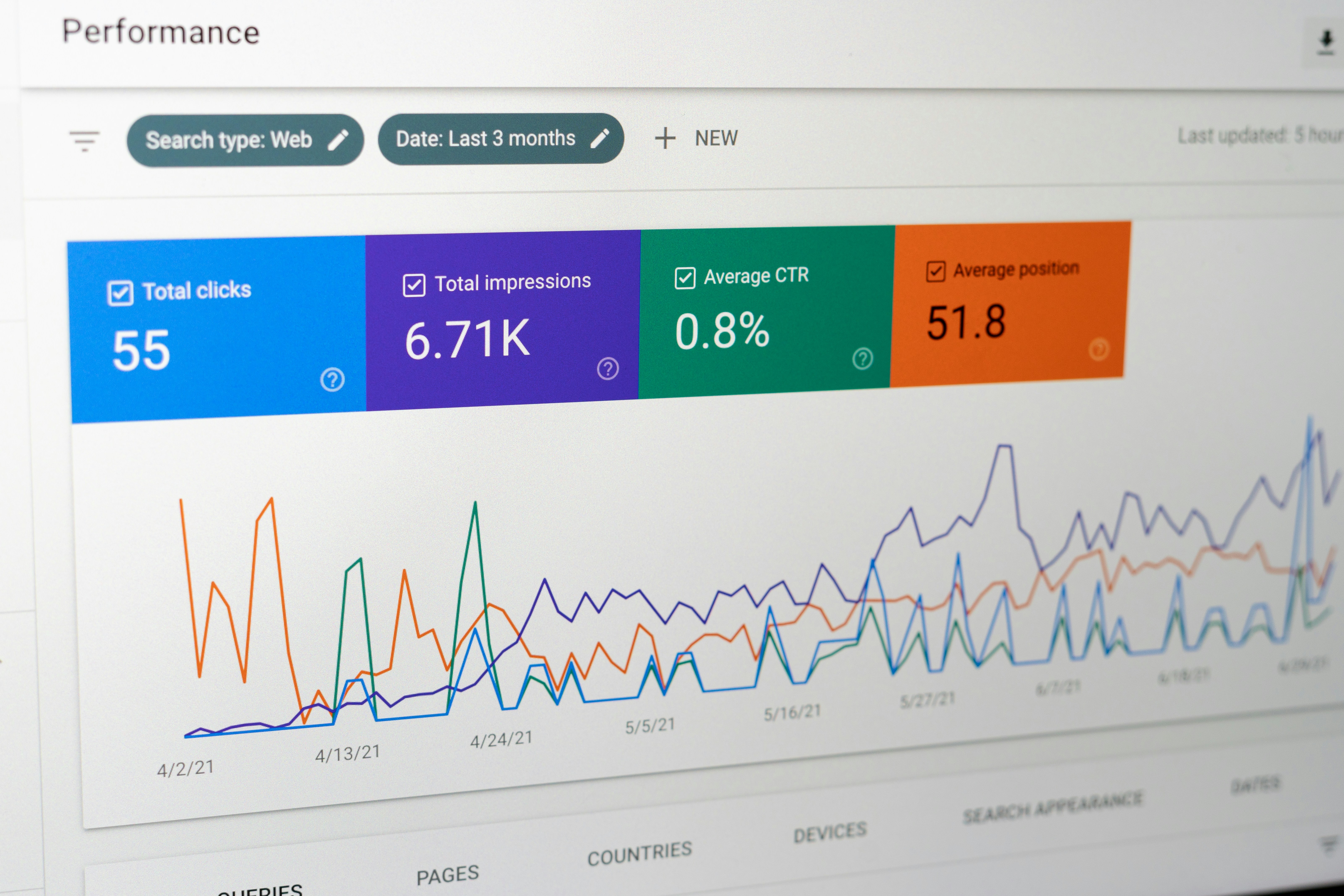
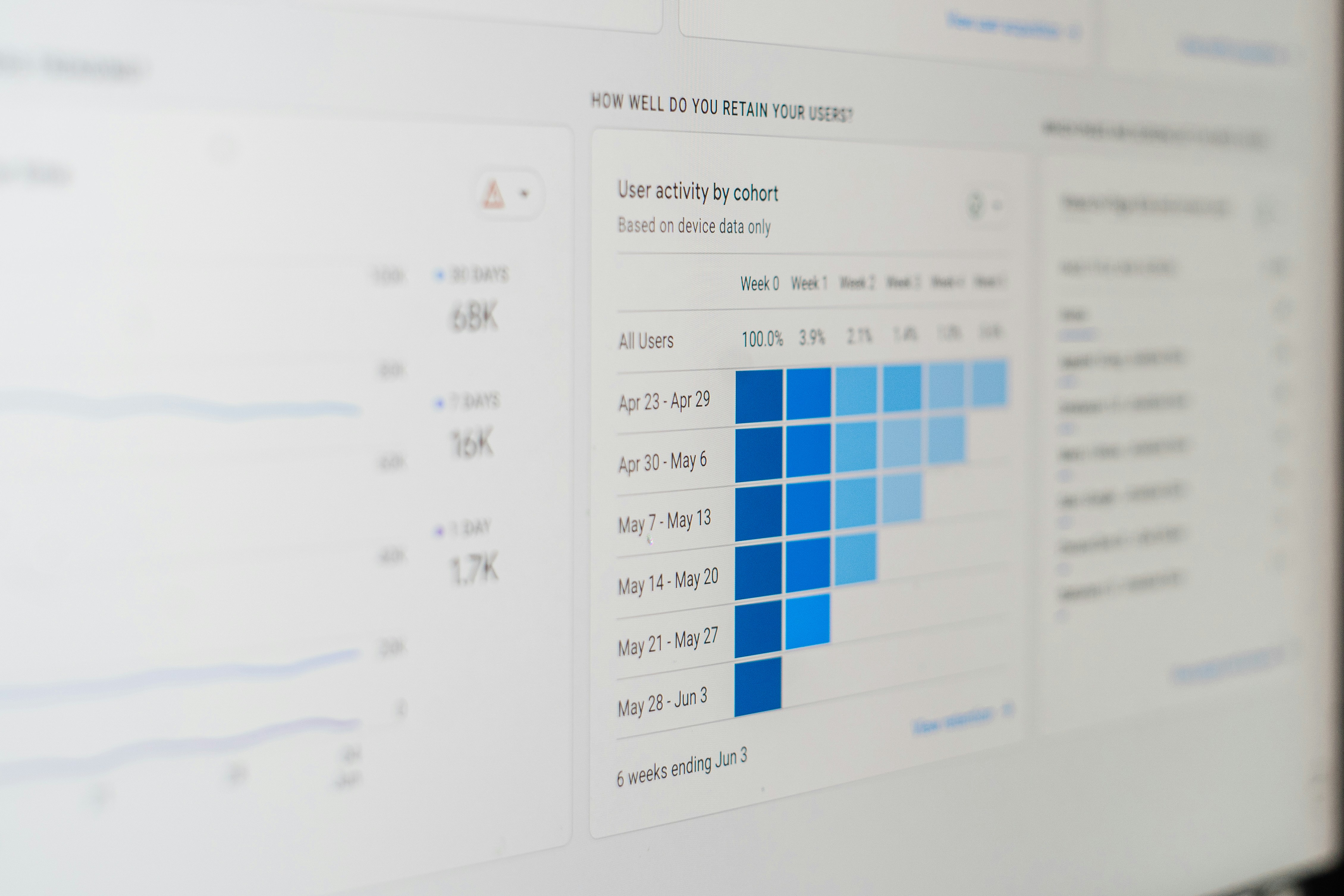
In recent years, digital marketing has undergone significant evolution, largely driven by the need for precise analytics and data-driven decision-making. This transformation has led to the development of various tools, among which Looker Studio and Google Ads stand out. Looker Studio, a powerful data analytics platform, provides businesses with comprehensive insights by allowing users to visualize their data in customized dashboards. Its robust capabilities empower organizations to make informed choices based on real-time analytics, thereby optimizing their marketing efforts.
On the other hand, Google Ads serves as an essential advertising platform that enables businesses to reach their target audience through various channels, including search engines, display networks, and video content. With its pay-per-click (PPC) model, Google Ads offers a cost-effective way to drive traffic, generate leads, and ultimately increase conversions. The integration of Looker Studio with Google Ads serves a critical function in enhancing advertising strategies. By combining the in-depth analytics offered by Looker Studio with the advertising reach of Google Ads, marketers can accurately assess their campaigns, track performance metrics, and make data-driven adjustments to their strategies.
This synergy between Looker Studio and Google Ads not only enriches the understanding of customer behavior but also facilitates the optimization of ad spend. Through this integrated approach, businesses can uncover insights regarding campaign effectiveness, audience engagement, and conversion rates, enabling them to tailor their marketing strategies to suit their specific objectives. Therefore, harnessing both Looker Studio and Google Ads effectively is essential for any organization looking to thrive in the competitive digital marketing landscape.
Understanding Google AdSense
Google AdSense is a prominent revenue-generating platform designed for website owners and content creators. By allowing publishers to display ads on their websites, it provides an opportunity to earn money through ad impressions and clicks. The fundamental purpose of AdSense is to connect advertisers with publishers in a seamless manner, optimizing the performance of ads while ensuring relevance and user engagement.
AdSense operates using a pay-per-click (PPC) model, where website owners earn a commission each time a visitor clicks on an ad displayed on their pages. Additionally, website owners can benefit from pay-per-impression (PPI) models, generating revenue based on the number of times their ads are viewed, regardless of whether they are clicked. The integration of AdSense on a website is straightforward, involving the generation of ad units that can be easily embedded into the site’s HTML code.
The types of ads served through Google AdSense vary significantly, catering to different audiences and enhancing user experience. These ads can be text-based, image-based, or even video ads, offering a mix of formats that appeal to various visitor demographics. Additionally, AdSense leverages a sophisticated algorithm that customizes ad placements based on user behavior, making the ads more relevant and likely to result in higher click-through rates.
It is also important to highlight the significance of payment methods in the AdSense ecosystem. Website owners must link their AdSense account to a valid payment method to receive earnings efficiently. Options like bank transfers, checks, and electronic payment systems are available, allowing publishers to manage their earnings effectively. By understanding how Google AdSense functions and recognizing the importance of efficient payment methods, content creators can maximize their revenue potential and create a sustainable income stream through their online platforms.
Different Payment Methods for Google Ads and AdSense
Google Ads and AdSense offer a variety of payment methods to cater to different users’ preferences and needs. Understanding these payment options is crucial for businesses and individuals looking to manage their advertising expenditures effectively.
One commonly used payment method is bank transfer, which allows users to have their payments directly withdrawn from their bank accounts. This method is generally favored for its convenience and security. However, users should be mindful of potential delays in processing times and may need to account for specific bank fees associated with transfers.
Checks are another payment method available for Google Ads and AdSense. While this traditional method may appeal to those preferring a physical record of transactions, it comes with notable drawbacks. Checks can take longer to process and deposit, creating cash flow delays. Additionally, users have to manage potential risks related to lost or stolen checks, which can complicate the payment process.
Electronic wallets, such as PayPal, are increasingly popular due to their ease of use and instant transaction capabilities. Users can quickly send and receive payments without the need for bank information to be shared. This method is not only user-friendly but also offers a level of anonymity that can be appealing. However, fees associated with electronic wallet transactions can add up, making it essential for users to be aware of these costs.
When selecting a payment method for Google Ads or AdSense, multiple factors should be considered, including transaction fees, processing times, and personal preferences. An understanding of each option will help users make informed decisions that align with their financial strategies and operational needs.
Setting Up Payment Methods in Google Ads
Setting up payment methods in Google Ads is a critical step for any business looking to advertise online. The process is designed to be user-friendly, ensuring that you can efficiently manage your campaigns. To begin, log in to your Google Ads account. Once logged in, you will find yourself at the dashboard, which serves as your central hub for managing advertisements.
Next, navigate to the “Billing” section, typically located in the upper right corner of the interface. Click on “Billing”, and then select “Payment methods” from the menu on the left. This will take you to the page where you can manage your existing payment options or add a new one.
If you’re adding a new payment method, click on the blue “+” button. You will then see several payment options, including credit and debit cards, bank account transfers, and alternative payment services. Choose the payment method that best suits your preferences. For instance, if you opt for a credit card, ensure that you enter the card number, expiration date, and CVV code accurately.
After entering your payment details, you may need to verify your account, depending on the method chosen. Google may require you to complete a verification process to ensure the security of your payment method. Follow the on-screen prompts carefully. It is essential to check if your selected payment method is supported in your region, as availability may vary.
Once your payment method has been successfully added or updated, it will be set as your primary payment option. You can manage your payment settings, such as adjusting payment thresholds or changing payment dates, from the same billing section. This streamlined method ensures that your advertising campaigns run smoothly and without disruption, allowing you to focus on growing your business.
Configuring Payment Methods in AdSense
Configuring payment methods in Google AdSense is a crucial step for publishers eager to receive their earnings. The process begins in the AdSense account, where users must navigate to the “Payments” section. Here, they will find options to add or modify payment methods, which include bank transfers and checks. Each method has its own set of requirements and processing times, making it vital for users to select the one that best fits their needs.
To add a new payment method, users must click on the “Add payment method” button. They will then be prompted to provide essential information, such as bank account details. For bank transfers, this typically includes the account number, account holder’s name, and the bank’s routing number. Once all details are entered, users should ensure the accuracy of this information to prevent payment delays. After submission, Google AdSense will conduct a verification process, which may take a few days. This verification usually includes depositing a small amount into the designated bank account, which the user must then confirm to activate the payment method.
It is also advisable for users to regularly review their payment settings, particularly if there have been changes in financial institutions or personal information. AdSense allows users to change their payment method at any time, but it is important to note that pending earnings will be paid through the existing method until the next payment cycle. Keeping an updated payment method ensures timely payments for earnings accrued through ads displayed on a website or app.
In conclusion, successfully configuring payment methods in Google AdSense involves careful attention to detail and compliance with verification procedures. By understanding the steps involved and maintaining updated information, users can facilitate a seamless payment experience. This optimization of payment processes is essential for any AdSense publisher aiming for sustained revenue generation.
Troubleshooting Common Payment Issues
When using platforms like Google Ads and AdSense, users may occasionally face various payment issues that can disrupt their advertising and monetization efforts. Common problems include payment delays, account holds, and payment method errors. Understanding these challenges is crucial for ensuring a seamless experience while managing financial transactions on these platforms.
Payment delays are among the most frequently reported issues. These delays can occur for multiple reasons, including processing times, insufficient balance in the linked account, or unexpected technical glitches. To address payment delays, users should first review their payment method settings to ensure that the linked account has enough funds. Checking the payment history section on Google Ads or AdSense can also provide insights into the status of recent payments. If necessary, users may contact customer support for assistance in tracking down the payment status.
Another common issue is an account hold, which typically arises when there is a violation of policies or when Google requires additional verification. In such cases, it is essential to carefully read the email notification received from Google that outlines the reason for the hold. Users can rectify payment holds by addressing the specific concern mentioned in the notification. This may involve providing documentation or updating account details as required.
Lastly, payment method errors can occur due to incorrect information or limitations tied to the selected payment method. For instance, credit cards may have expiry dates, or bank accounts may not support specific types of transactions. To troubleshoot payment method errors, users should ensure that their payment information is up to date and aligned with the requirements set forth by Google Ads and AdSense. Regularly checking the payment settings and ensuring all information is accurate can help mitigate these issues.
By proactively addressing these common payment challenges, users can maintain their focus on managing advertising campaigns and optimizing their revenue generation efforts without undue disruptions.
Best Practices for Managing Payments in Digital Advertising
Managing payments effectively in digital advertising is crucial for anyone involved in platforms such as Looker Studio, Google Ads, and AdSense. Implementing best practices can enhance your payment performance and optimize cash flow, ensuring a sustainable revenue stream.
One of the primary best practices is to regularly track your payment performance. Utilize available reporting tools to monitor earnings from your digital advertising efforts. This includes analyzing metrics such as click-through rates, conversion rates, and overall revenue generated from various campaigns. By closely observing these indicators, you can make informed decisions about which strategies to maintain, modify, or discontinue.
Another essential aspect is maintaining a clear and organized payment schedule. This helps in anticipating incoming cash flow and preparing for any potential shortfalls. Consider utilizing automated systems for invoicing and payment reminders, which will minimize delays and ensure smoother transactions. Such systems can also help you stay on top of different payment cycles associated with each platform.
When it comes to optimizing payment methods, selecting the best options for your needs is vital. Different platforms may offer various options such as direct bank transfers or digital wallets. Evaluate the fees, processing times, and user experiences related to each method to determine which aligns best with your cash flow requirements. Additionally, consider diversifying your payment options; this ensures that you are not heavily reliant on any one method, thus reducing risk associated with payment processing.
Lastly, regularly review and refine your financial management practices. This includes conducting audits of your payment processes to identify inefficiencies or areas for improvement. By staying proactive in these aspects, you can adapt to the ever-changing landscape of digital advertising, ensuring that your payment processes remain efficient and effective.
Resources and Support Available
Understanding payment methods and resolving associated issues can be challenging for users of Looker Studio, Google Ads, and AdSense. Thankfully, Google provides several resources and support options to assist users facing payment-related questions or difficulties. One of the primary avenues for support is the official Google Ads Help Center, which offers an extensive collection of articles, tutorials, and FAQs that cover various aspects of payment methods, billing issues, and account management. Users can easily navigate these resources to find solutions tailored to their specific concerns.
In addition to the help center, Google AdSense has its dedicated support resources. Users can visit the AdSense Help Center, where they can access detailed information regarding payments, payments timeline, and troubleshooting common payment-related problems. This centralized resource streamlines the process for users looking to resolve payment issues promptly and efficiently.
Another useful option is Google’s community help forums. These forums encourage users to engage with one another, share experiences, and provide solutions to problems related to payments and account management. Users can post their queries and receive feedback from community members, including experts and seasoned users who have navigated similar issues. This peer-to-peer support can be invaluable for gaining insights and practical tips for managing payment-related concerns.
Lastly, for users who have exhausted other resources or require specialized assistance, submitting a support request through their Google Ads or AdSense account is an option. This direct line to Google’s support team ensures personalized assistance tailored to individual account issues. By utilizing these various resources, users can address their payment-related questions and enhance their experience with Looker Studio, Google Ads, and AdSense.
Conclusion
In the rapidly evolving landscape of digital marketing, the effective management of payment methods within platforms such as Looker Studio, Google Ads, and AdSense is crucial for success. These tools not only facilitate campaign execution but also directly impact revenue generation for businesses of all scales. Understanding the various payment options available and their respective functionalities allows marketers to make informed decisions, ensuring that their strategies are financially sound and capable of achieving intended goals.
First and foremost, the payment methods for Google Ads can significantly affect campaign performance. Choosing the right payment option—whether manual or automatic payment—ensures that budget allocations align with marketing timelines and consumer behavior. Furthermore, staying updated on billing thresholds and payment schedules can prevent unwanted disruptions, thereby maintaining the flow of advertising activities.
Similarly, Looker Studio offers integration capabilities that facilitate financial analysis of marketing expenditures. Insightful reporting from this platform aids in realizing which payment methods yield the best ROI. As such, analyzing how different payment strategies influence overall performance is integral in refining marketing approaches.
Lastly, with Google AdSense, a well-managed payment method is essential for optimizing revenue from content monetization. Understanding payment cycles and optimizing ads according to visitor engagement not only increases earnings but also enhances user experience. Therefore, marketers should regularly review and update their payment information to maximize their earnings from this platform.
In conclusion, mastering payment methods across Looker Studio, Google Ads, and AdSense is a foundational component of successful digital marketing. By prioritizing financial management, marketers can leverage these platforms effectively, ensuring that their campaigns are both impactful and profitable.