Introduction to Facebook and Instagram Ads
In recent years, Facebook and Instagram have emerged as pivotal platforms for advertising, redefining how businesses connect with their target audiences. Collectively, they boast billions of active users, making them indispensable tools for marketers aiming to enhance brand visibility. Facebook ads allow businesses to reach specific demographics based on user data such as age, location, interests, and behaviors. Similarly, Instagram ads leverage visual storytelling to captivate users, making them particularly appealing for brands with strong visual content.
The popularity of Facebook and Instagram ads among businesses is evident. These platforms provide unparalleled access to a diverse range of audiences, enabling marketers to tailor their ad campaigns effectively. With tools like Looker Studio, businesses can analyze campaign performance and optimize ad spend, ensuring they attract the right customers. Furthermore, the flexibility in ad formats – from image and video ads to carousels and stories – allows companies to create engaging content that resonates with users.
As marketing continues to evolve, the challenge for businesses is to stay ahead in the crowded digital landscape. Facebook and Instagram ads provide a solution by offering advanced targeting options and analytics capabilities. Advertisers can experiment with different strategies and focus on engaging content that encourages interaction, ultimately enhancing their return on investment. By leveraging these platforms, businesses can not only increase their online presence but also drive meaningful engagement with potential customers.
The Role of Looker Studio in Advertising Analytics
Looker Studio is a powerful data analytics and visualization tool that provides marketers with the resources they need to understand the performance of their advertising campaigns on platforms like Facebook and Instagram. By integrating various data sources, Looker Studio allows users to create comprehensive, customized reports that present advertising data clearly and effectively. This capability is particularly beneficial for marketers aiming to derive actionable insights from their ad performance metrics.
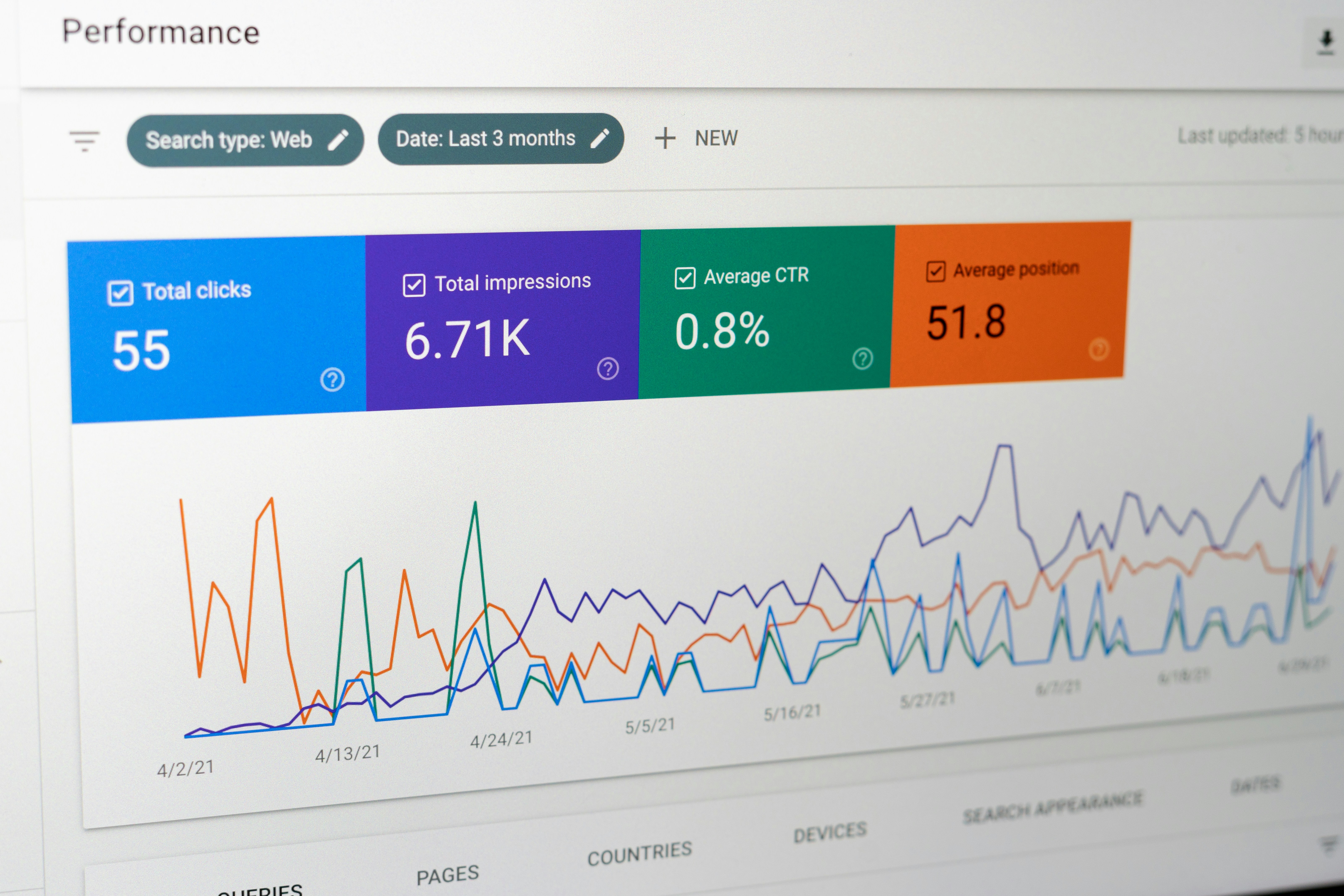
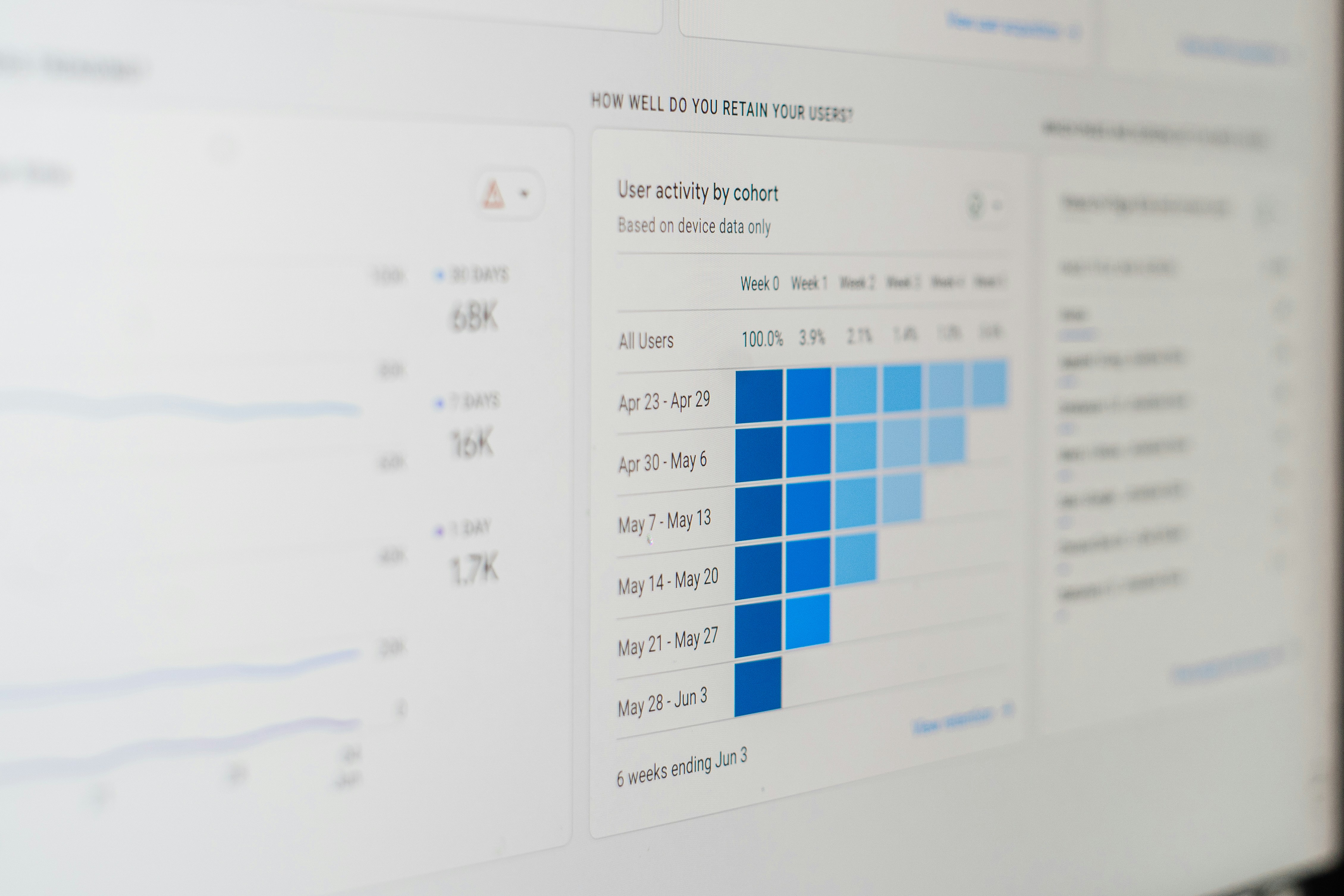
One of the primary benefits of Looker Studio is its ability to turn complex data sets into easily digestible visualizations. Marketers can utilize various charts, graphs, and dashboards to illustrate key performance indicators (KPIs) associated with their campaigns. This feature not only enhances understanding but also facilitates communication among team members and stakeholders regarding campaign performance and insights. The visualization capabilities allow for an at-a-glance view of how well ads are performing, highlighting trends and areas needing adjustment.
In addition, Looker Studio supports real-time data monitoring. This means advertisers can make informed decisions quickly, optimizing their campaigns based on the most current performance metrics. Furthermore, the ability to combine data from multiple sources enables marketers to evaluate the effectiveness of their strategies comprehensively. Whether examining conversion rates, engagement metrics, or return on investment (ROI), Looker Studio provides the tools necessary for in-depth analysis.
Ultimately, leveraging Looker Studio in ad analytics empowers marketers to not only track their advertising efforts but also to implement data-driven strategies that enhance their campaigns’ effectiveness. With its robust functionalities, Looker Studio has emerged as an essential component of modern advertising analytics, enabling informed decision-making and strategic planning for Facebook and Instagram ads.
Breakdown of Facebook Ads Costs
Understanding the costs associated with Facebook ads is crucial for businesses aiming to optimize their marketing strategies. Several factors influence the overall cost of Facebook advertising, helping marketers gauge how to allocate budgets effectively.
One primary factor is the bidding options available to advertisers. Facebook employs an auction system for ad placements, where advertisers can choose from options such as cost per click (CPC) or cost per mille (CPM). The competition among advertisers targeting similar audiences often drives up the bid prices. Thus, understanding how to navigate Facebook’s bidding process can significantly affect advertising costs.
Another vital aspect is audience targeting. Facebook offers advanced targeting capabilities, allowing advertisers to reach specific demographics, interests, behaviors, and locations. Generally, more niche and finely tuned audiences may result in higher costs. For instance, targeting users based on detailed interests may lead to increased ad rates compared to broader, less specific categories.
Ad placement also plays a crucial role in determining costs. Advertisers can select placements on Facebook, Instagram, Audience Network, and Messenger. Each platform has different cost dynamics, with Instagram placements often yielding higher engagement rates but at potentially elevated costs. Choosing the right placement can enhance overall ad performance while managing expenses effectively.
Lastly, seasonal trends can influence ad costs significantly. During high-demand periods such as holidays or key shopping seasons, competition for ad space intensifies, often leading to increased costs. Advertisers need to be aware of these trends to plan their budgets accordingly. By assessing these factors collectively, businesses can develop a clearer understanding of the average cost ranges for Facebook ads while maximizing their return on investment.
Breakdown of Instagram Ads Costs
Instagram has emerged as a powerful platform for marketers, offering a range of ad formats that can significantly influence overall advertising expenses. One of the first aspects to consider when evaluating Instagram ad costs is the variety of ad types available. They include image ads, video ads, carousels, stories, and more recently, reels. Each format caters to different marketing objectives and naturally varies in cost.
For instance, image ads may provide a cost-effective solution for brands looking to make a visual impact, typically costing between $0.70 and $1.00 per click. In contrast, video ads might command a higher price, as video content generally demands more production resources and engages audiences more effectively, resulting in costs ranging from $0.80 to $2.00 per click. Carousels allow users to swipe through multiple images, which could lead to higher engagement but often translates to increased costs.
Furthermore, Instagram’s auction-based pricing model plays a crucial role in determining overall ad costs. Advertisers bid for ad placements, leading to variability in prices depending on competition and targeting parameters. For example, more competitive niches like fashion or fitness may experience higher costs per thousand impressions (CPM), often surpassing $10 but providing valuable brand visibility.
The timing of campaigns can also impact Instagram ad costs. Running ads during peak shopping seasons or during major events can increase expenses due to high competition. However, savvy advertisers can leverage off-peak times to optimize their budget while maintaining effective reach. Additionally, understanding Instagram’s sophisticated audience targeting features can help advertisers spend their budgets more efficiently.
In conclusion, being aware of the various Instagram ad formats, the auction-based pricing model, and factors that influence costs can aid marketers in making informed decisions, thereby optimizing their advertising investments.
Understanding Cost-Per-Click (CPC) and Cost-Per-Impression (CPM)
In the realm of digital advertising, particularly on platforms like Facebook and Instagram, two prevalent pricing models stand out: Cost-Per-Click (CPC) and Cost-Per-Impression (CPM). Understanding these models is essential for advertisers aiming to optimize their campaigns effectively.
CPC refers to the amount an advertiser pays each time a user clicks on their ad. This model is particularly beneficial for campaigns designed to drive traffic to a specific website or landing page. Advertisers can allocate their budgets efficiently by focusing on click-through rates (CTR), maximizing the likelihood of engaging potential customers. Furthermore, monitoring CPC provides insights into which ads are resonating more with audiences, facilitating further refinements in targeting and messaging.
On the other hand, CPM involves paying for every 1,000 impressions an ad receives, regardless of whether users interact with it. This model is advantageous for brand awareness campaigns, where the goal is to expose a large audience to the ad content. By understanding CPM, advertisers can gauge the cost-effectiveness of reaching their target demographics and measure the overall visibility of their campaigns. Notably, CPM is influenced by factors such as the quality of the ad creative, audience targeting precision, and the competitive landscape of the advertising space.
A comprehensive understanding of both CPC and CPM empowers advertisers to select the most suitable model for their objectives. By strategically analyzing performance data and adjusting campaigns accordingly, advertisers can enhance their return on investment (ROI). The distinction between these pricing strategies is critical for leveraging Facebook and Instagram ads’ full potential in today’s competitive digital marketplace.
Utilizing Looker Studio for Cost Analysis
Effectively harnessing Looker Studio for tracking advertising costs on Facebook and Instagram is essential for marketers aiming to optimize their ad spending. Looker Studio, with its robust data visualization capabilities, allows users to create insightful dashboards that encapsulate key metrics related to advertising expenditures.
To begin, ensure that your Facebook and Instagram ad accounts are properly linked to Looker Studio. This connection is crucial for real-time data access and analysis. Once established, you can start building customized reports that reflect your specific advertising goals. Begin with a clear understanding of the metrics you wish to analyze—this may include impressions, clicks, cost per click (CPC), and overall return on investment (ROI). Identifying these key performance indicators will guide the design of your dashboard.
When creating dashboards, consider utilizing a variety of charts and graphs to visualize your advertising spend trends over time. For example, time series charts can effectively display how costs fluctuate in response to campaigns and various external factors. Incorporating filters will allow you to segment data by campaigns, ad sets, or even demographic figures, enhancing the granularity of your analysis.
Furthermore, it can be advantageous to include summary metrics at the top of your dashboard for quick insights. For example, a total cost metric can immediately highlight your ad expenditures, while average CPC and ROI metrics can offer clearer context on performance efficiency. To facilitate ongoing analysis, schedule regular updates for your reports, ensuring that stakeholders are consistently informed of ad performance.
By strategically utilizing Looker Studio, marketers can derive profound insights from their Facebook and Instagram ad data. This level of analysis empowers businesses to make informed decisions, manage budgets effectively, and ultimately drive better marketing outcomes.
Factors Affecting Advertising Costs on Both Platforms
The costs associated with advertising on Facebook and Instagram are influenced by a myriad of external factors. One of the most significant determinants is industry competition. In highly competitive sectors, businesses vie for audience attention, which can lead to increased bid prices and overall advertising costs. Advertisers need to constantly assess their competitors’ advertising strategies and adjust their bids accordingly to maintain competitiveness in the landscape.
Another key factor is audience saturation. As certain target demographics become saturated with ads, the effectiveness of ad campaigns may diminish, prompting advertisers to increase their spending to achieve previously successful engagement levels. Understanding the nuances of audience behavior and preferences can help advertisers avoid audience fatigue while ensuring their ads remain relevant and engaging.
The quality of advertisements also plays a pivotal role in determining costs. Facebook and Instagram utilize algorithms that favor high-quality, engaging ads, which can reduce overall advertising expenses. Advertisements that resonate well with the audience often achieve higher click-through rates and, as a result, better placements at lower costs. By focusing on creating high-quality content—be it through compelling visuals, clear messages, or innovative solutions—advertisers can optimize their ad spend.
In addressing rising costs, advertisers may employ several strategies. Diversifying ad placements, such as utilizing Stories and Reels alongside traditional posts, can help reach audiences effectively at potentially lower costs. Additionally, refining audience targeting through Looker Studio can lead to more efficient use of budgets, ensuring the right message reaches the right people at the right time, ultimately promoting better returns on investment.
Real-World Case Studies of Facebook and Instagram Ad Spending
To better understand the effectiveness and costs associated with Facebook and Instagram advertisements, it is beneficial to explore real-world case studies of businesses that have employed these platforms for their marketing strategies. These examples can shed light on the explicit expenses incurred, as well as the strategies that yielded favorable results or fell short of expectations.
One notable case study involves a mid-sized e-commerce retailer that specialized in organic skincare products. The company allocated a budget of $10,000 over a three-month period to promote its new line on both Facebook and Instagram. They utilized targeted ads that featured eye-catching visuals and user testimonials. This approach significantly increased their brand’s exposure, leading to over 200% return on ad spend. Their lesson learned emphasized the importance of audience segmentation and the effectiveness of engaging visuals.
Conversely, another case study highlights a local restaurant that invested $5,000 in advertisements on these social media platforms. Initially, they used broad targeting strategies, which did not resonate with their intended audience. As a result, they saw minimal engagement and only a 50% return on their investment. The key takeaway for the restaurant was the criticality of understanding their audience demographics and tailoring content to meet specific preferences.
Additionally, an automotive company noted the varying costs associated with Facebook and Instagram ads during their campaign. They found that Facebook ads generally had lower cost-per-click rates, while Instagram ads produced higher engagement rates, despite the higher expenditure. This led them to develop a mixed strategy that balanced both platforms, ensuring optimized spending based on performance metrics.
These case studies illustrate diverse experiences with Facebook and Instagram advertising costs, highlighting the significance of strategic planning, audience targeting, and content relevance in achieving successful advertising outcomes.
Conclusion: Budgeting for Facebook and Instagram Ads with Looker Studio Insights
In the digital marketing landscape, understanding the costs associated with Facebook and Instagram advertising is paramount for businesses seeking to maximize their return on investment. Utilizing Looker Studio enables marketers to gain valuable insights into advertising performance, thus aiding in informed budgeting decisions. By evaluating key metrics, brands can analyze their ad spend efficiency, optimizing future campaigns based on previous results.
When budgeting for Facebook and Instagram ads, it is essential to consider several factors. First, determine clear campaign goals, which will guide the budget allocation process. This might include objectives such as raising brand awareness, generating leads, or driving conversions. Once campaigns are defined, businesses should analyze historical data to benchmark past performance and establish realistic cost expectations.
Next, businesses must factor in the potential impact of audience targeting options available through these platforms. Looker Studio can assist in segmenting audiences and understanding which demographics yield the best results, which can further enhance budget allocation. By identifying high-value audiences, companies can prioritize funds toward reaching segments that are most likely to engage.
Moreover, it is crucial to continuously monitor ad performance. Looker Studio’s reporting capabilities allow businesses to track their advertising costs against real-time results, enabling quick adjustments to strategies as needed. This flexibility ensures that advertising budgets remain effective and aligned with current market conditions.
In conclusion, effective budgeting for Facebook and Instagram ads hinges on leveraging analytics tools like Looker Studio. Prioritizing strategic planning, audience targeting, and performance monitoring will empower businesses to not only manage costs but also achieve greater advertising efficiency and success.