Introduction to YouTube Analytics
YouTube Analytics is a vital tool for content creators and marketers seeking to optimize their video performance and enhance viewer engagement. As one of the most popular video-sharing platforms globally, YouTube attracts millions of users daily. To leverage this vast reach, understanding the mechanics of YouTube Analytics is essential. This comprehensive guide aims to shed light on its pivotal role in guiding content strategies and improving channel growth.
At its core, YouTube Analytics provides detailed insights into various metrics related to video performance, audience demographics, and viewer behavior. These metrics include watch time, views, likes, shares, and comments, which are crucial for understanding how audiences interact with content. By analyzing these data points, creators can identify which videos resonate best with their audience, enabling them to replicate successful elements in future projects.
Moreover, YouTube Analytics facilitates a deeper understanding of when and where viewers are watching videos. This information is instrumental for planning content release schedules that maximize engagement. For marketers, the data can help in gauging the effectiveness of promotional campaigns and influencer collaborations, ensuring that resources are allocated efficiently to achieve desired outcomes.
In addition to performance metrics, YouTube Analytics also highlights demographic information about the audience. Knowing the age, gender, and location of viewers can empower content creators to tailor their videos to meet specific audience needs. This personalized approach not only fosters viewer loyalty but also aids in attracting new subscribers.
In essence, YouTube Analytics serves as a valuable resource for anyone looking to enhance their channel’s performance and promote informed decision-making. By tapping into the power of analytics, creators can embark on a journey toward improved content quality and sustained growth within the ever-evolving landscape of digital media.
Key Metrics in YouTube Analytics
YouTube Analytics serves as a vital tool for content creators, providing a plethora of metrics that reveal insights into channel performance. Among the most critical metrics is watch time, which measures the total minutes spent watching a video. This metric is crucial as it not only affects your video’s ranking in search results but also influences YouTube’s algorithm, promoting content that retains viewer attention. A higher watch time indicates that the audience finds the content engaging and relevant.
Another important metric is views, which counts how many times your videos have been watched. While it is a fundamental indicator of video popularity, views alone do not provide a comprehensive understanding of performance. Instead, they should be analyzed in conjunction with other metrics to ascertain viewer behavior and preferences.
Subscribers serve as a direct measure of audience engagement and loyalty. Gaining subscribers indicates that viewers found value in your content and wish to receive updates for future videos. Viewing subscriber trends can provide insights into what content resonates best and what may require adjustments.
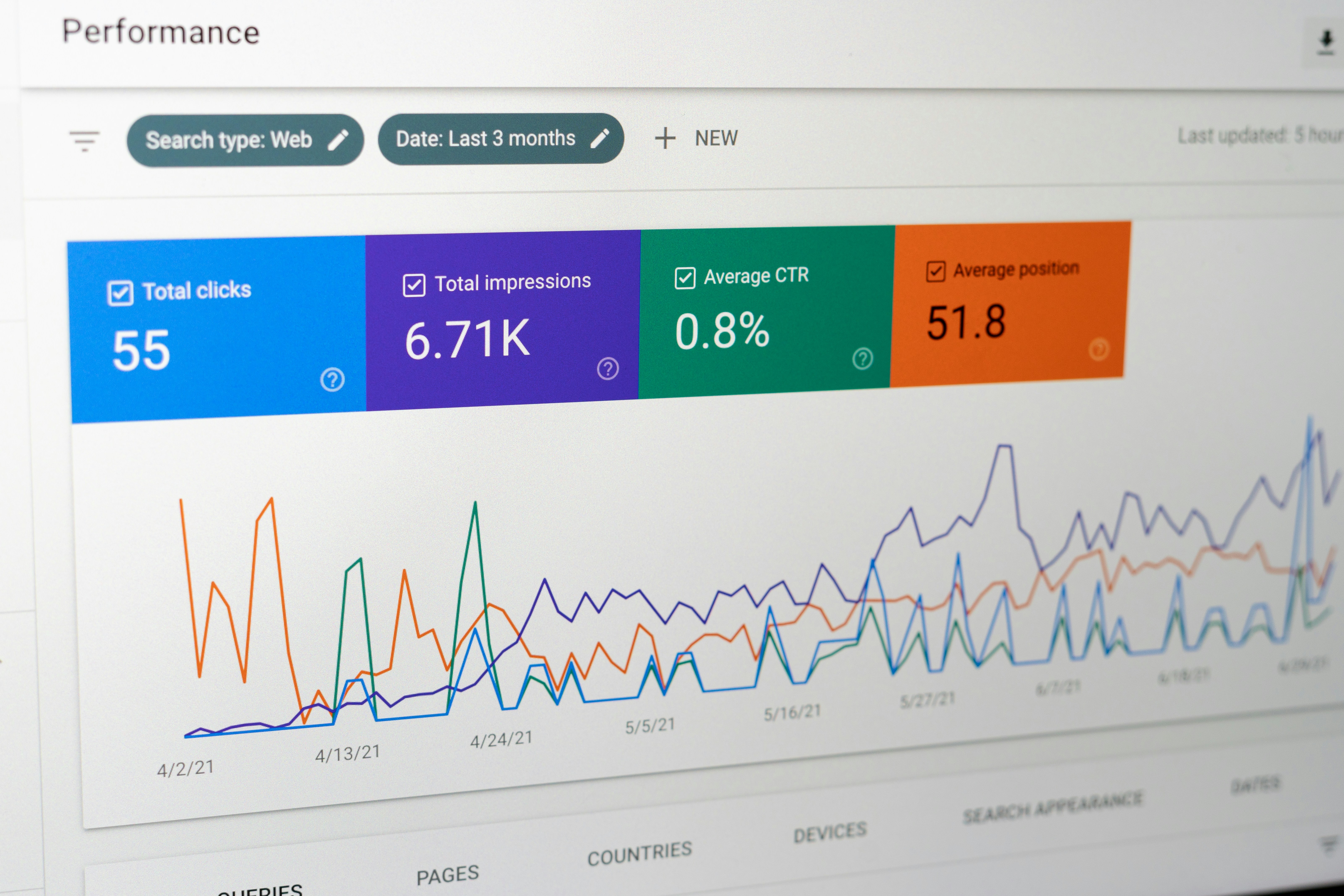
The click-through rate (CTR) is another critical metric, reflecting the percentage of users who click on your video after seeing its thumbnail and title. A high CTR suggests that your title and thumbnail are appealing and effectively attract viewers, which is essential for enhancing video visibility.
Lastly, various engagement metrics, such as likes, comments, and shares, provide valuable feedback on audience interaction. These metrics not only indicate how well a video resonates with viewers but also empower creators to tailor future content strategies to enhance viewer experience.
Navigating the YouTube Analytics Dashboard
The YouTube Analytics dashboard serves as a vital tool for content creators seeking to understand the performance of their videos. Upon accessing the dashboard, users are greeted with a user-friendly interface that displays a variety of critical metrics. Key elements of the layout include the left navigation panel, which offers a range of options like Overview, Reach, Engagement, and Audience tabs. Each tab provides distinct insights related to video performance.
In the Overview tab, users can quickly gauge overall channel performance, with essential metrics such as views, watch time, and revenue prominently displayed. These metrics are represented visually through graphs and charts, allowing users to grasp trends at a glance. Below these visual representations, additional statistics reveal detailed information such as top-performing videos, audience demographics, and real-time updates on current views.
The Reach tab focuses on how viewers discover your content, showcasing metrics like impressions, click-through rate (CTR), and traffic sources. Understanding these measurements enables creators to optimize their video promotion strategies effectively. Meanwhile, the Engagement tab illustrates how viewers interact with the content, presenting data on average view duration, likes, comments, and shares. By analyzing this engagement data, users can ascertain what resonates best with their audience.
Furthermore, the Audience tab provides insights into viewer demographics, including age, gender, and geographic location. This information is invaluable for tailoring future content to align with audience preferences. Users can also customize reports to fit their needs, selecting relevant metrics and date ranges that align with specific goals. By utilizing the filtering options, content creators are able to focus on data that matters most to their channels, ultimately enhancing their understanding of performance trends.
Understanding Audience Insights
Audience insights are a critical component of YouTube Analytics, providing valuable information that creators can utilize to enhance their content strategy. This section delves into the key aspects of audience insights, including demographic information, viewer location, and audience retention metrics.
Demographic information reveals vital statistics about your viewers, such as their age, gender, and interests. By understanding who your audience is, you can tailor your content to better meet their preferences. For instance, if the analytics indicate a predominance of viewers aged 18-24, it may be beneficial to create content that resonates with the lifestyle and interests of that specific age group. This targeted approach can foster viewer loyalty and increase engagement rates.
Viewer location is another essential aspect of audience insights. Knowing where your viewers are located can inform both the content type and the timing of your uploads. For example, if a significant portion of your audience resides in a particular country or region, you might consider incorporating cultural references or relevant topics that appeal to that demographic. Additionally, aligning your publication schedule with optimal viewing times based on viewer location can enhance visibility and engagement.
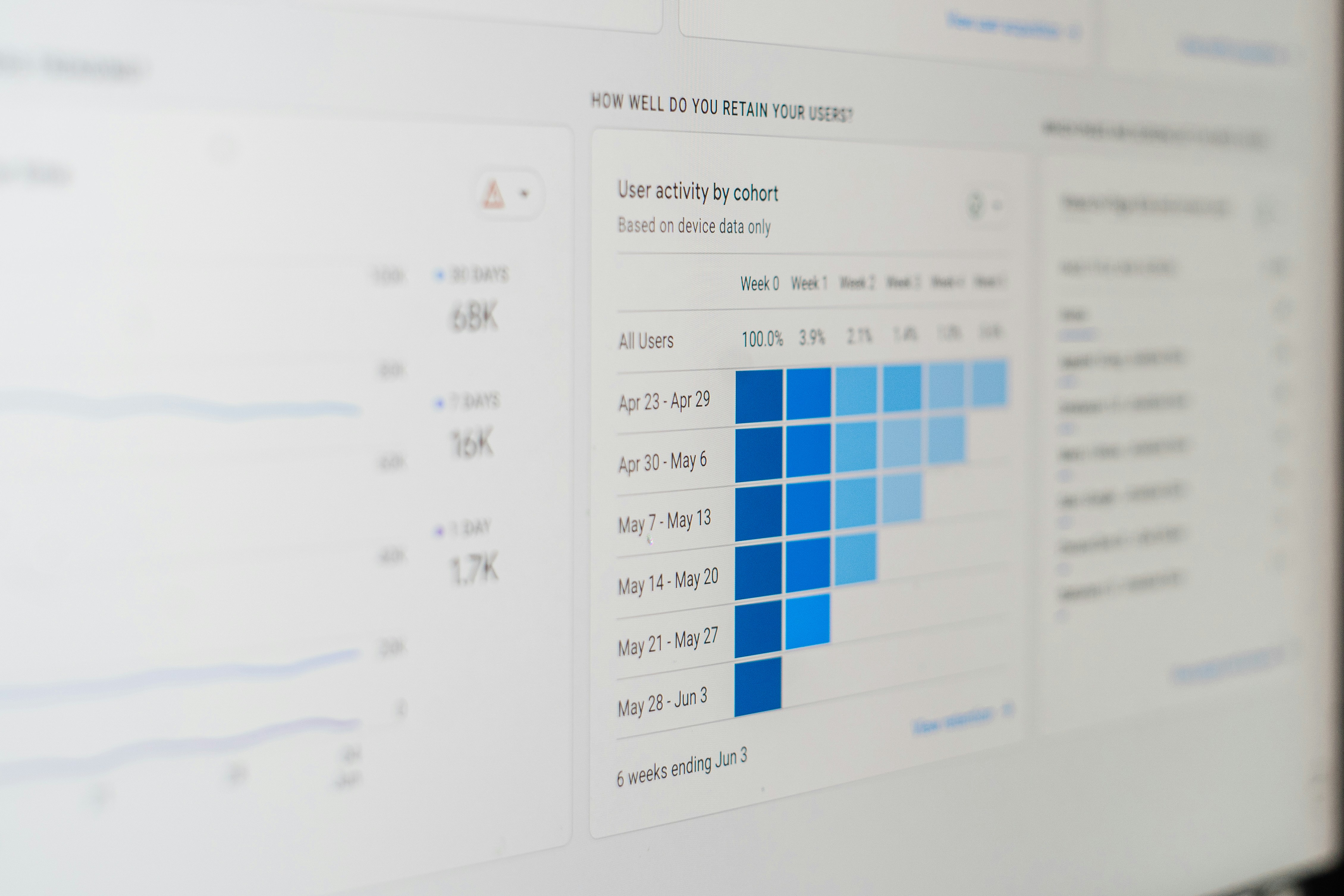
Lastly, audience retention metrics provide insight into how well your content holds viewers’ attention. Analyzing retention rates can help identify which parts of your videos are more engaging and which may cause viewers to drop off. By understanding these patterns, you can refine your video structure, optimizing for content that captivates your audience throughout the duration of the video.
In conclusion, leveraging audience insights effectively enables content creators to make data-driven decisions, ultimately enhancing the relevance and appeal of their YouTube content. By focusing on demographic details, viewer locations, and retention rates, creators can engage their audience on a deeper level, driving better results for their channels.
Tracking Video Performance Over Time
Monitoring video performance over time is a critical component of optimizing any YouTube channel. By tracking key metrics, creators can identify trends that inform their content strategy, enabling them to produce videos that resonate more effectively with their audience. Establishing benchmarks is the first step in this process, as it provides a point of reference against which current and future performance can be evaluated. Metrics such as view counts, watch time, engagement rates, and audience retention offer invaluable insights into how well a video is performing compared to previous uploads.
Furthermore, analyzing the effectiveness of different content types is essential for growth on the platform. By categorizing videos based on their themes, formats, or goals, creators can determine which categories yield the highest engagement. For instance, longitudinal studies of performance metrics can demonstrate that tutorials tend to attract a more engaged audience than vlogs in certain niches. This knowledge allows creators to tailor their future content to meet audience preferences, thereby improving overall performance.
Importantly, regularly reviewing historical performance data is crucial in adjusting content strategies. YouTube provides detailed analytics that showcase not only individual video performance but also channel-wide trends. By observing fluctuations in metrics over time, creators can pinpoint successful periods or note declines. Adjustments can then be made not just reactively, but proactively, infusing fresh ideas into the content calendar while aligning with what has previously resonated with viewers.
Ultimately, the continual process of tracking video performance, setting benchmarks, analyzing content types, and adjusting strategies based on historical data is vital for any YouTube creator aiming to enhance their impact. This data-driven approach not only fosters growth but also cultivates a deeper connection with the audience, ensuring ongoing relevance in an ever-evolving digital landscape.
Utilizing Advanced Features of YouTube Analytics
YouTube Analytics is an indispensable tool for content creators seeking to understand their channel’s performance and enhance audience engagement. Among the advanced features available, revenue reports stand out as crucial for those monetizing their content. These reports provide comprehensive insights into various revenue streams, such as ad revenue, channel memberships, super chats, and merchandise sales. By analyzing this data, creators can pinpoint which content generates the most income and strategize accordingly to maximize their earnings.
Another significant aspect of YouTube Analytics is the examination of traffic sources. Understanding where viewers are coming from helps creators tailor their promotion strategies effectively. Traffic sources can be categorized into several types: direct traffic, search, suggested videos, and external sources. By monitoring these metrics, content creators can identify which channels yield the highest viewership and engagement, allowing them to refine their marketing tactics and content distribution. Furthermore, successful identification of external sources—such as social media platforms or other websites—can facilitate targeted outreach, potentially broadening the audience base.
User interactions serve as another vital feature of YouTube Analytics, shedding light on how audiences engage with content. This encompasses metrics such as likes, shares, comments, and subscribes. By analyzing these interactions, creators can gauge viewer sentiment and interest levels, informing content creation strategies. For example, a sudden spike in interaction for specific topics can signal content that resonates well with viewers, prompting more videos in that niche. Additionally, studying audience retention rates reveals which segments of videos keep viewers engaged and which parts lead to drop-offs, guiding creators in optimizing future content for better retention.
In light of these advanced features, it is evident that using YouTube Analytics effectively can empower creators to make informed decisions regarding monetization and audience engagement strategies.
Common Mistakes in Analyzing YouTube Analytics
When it comes to analyzing YouTube Analytics, several common mistakes can hinder a creator’s ability to make informed decisions. One of the most prevalent pitfalls is over-reliance on vanity metrics. Vanity metrics, such as views and subscriber count, may provide a superficial understanding of a channel’s performance. While these numbers can be appealing, they do not always reflect genuine audience engagement or content value. Creators should focus on more meaningful metrics, such as watch time, audience retention, and engagement rates. These metrics offer deeper insights into how well content resonates with viewers.
Another frequent issue is the misinterpretation of data. YouTube Analytics contains a wealth of information, but without proper analysis, the conclusions drawn can be misleading. For instance, a spike in views may indicate a successful video, yet it could also stem from a brief trend that does not indicate long-term growth. It is crucial to consider the context surrounding these numbers, such as the source of traffic, the time frame in which the data was collected, and the overall objectives of the channel. Understanding these factors allows creators to develop a more nuanced view of their channel’s performance.
Finally, many creators fail to use analytics effectively for strategizing content revisions. Analytics should serve as a guideline for future content development, shaping both the type of videos produced and the approach taken in content creation. Regularly reviewing metrics such as audience demographics and traffic sources equips creators with the knowledge needed to tailor their content, improving relevance and engagement with their audience. By avoiding these common mistakes, creators can maximize the value of their YouTube Analytics, leveraging it to refine their strategies and enhance viewer engagement.
Integrating YouTube Analytics with Other Tools
YouTube Analytics serves as a powerful asset for content creators, offering insights into audience engagement, viewership patterns, and overall channel performance. However, to derive more substantial insights, integrating YouTube Analytics with other reporting tools like Google Analytics or Looker Studio can be highly beneficial. This integration allows creators and marketers to gain a holistic view of their digital performance across multiple platforms.
One of the primary advantages of combining YouTube Analytics with Google Analytics is the enrichment of viewer behavior data. By linking these two tools, users can track how traffic from YouTube influences actions on their websites. For instance, content creators can analyze how many viewers transition from watching a video to visiting a website, allowing them to measure the effectiveness of specific calls to action or promotional content. This comprehensive approach facilitates a better understanding of audience behavior, which can directly inform strategy adjustments.
Furthermore, Looker Studio, equipped with data visualization capabilities, can enhance the reporting of YouTube analytics data. By exporting data from YouTube into Looker Studio, users can create customized reports that reflect key performance indicators tailored to their objectives. This enables content creators to visualize trends over time, which may help them identify successful content and areas needing improvement. Additionally, combining these insights can foster the optimization of video content and marketing strategies, leading to greater overall effectiveness.
Integrating YouTube Analytics with other reporting tools ultimately empowers users to draw more comprehensive insights from their data. By leveraging combined data sources, content creators can make informed decisions that enhance their audience engagement and improve their overall channel performance, ultimately leading to the growth and success of their digital presence.
Conclusion and Best Practices
In summary, YouTube Analytics is an invaluable tool for content creators who aim to refine their video strategies and maximize audience engagement. Understanding the metrics provided by YouTube is essential for assessing the performance of your content and tailoring future videos to meet viewers’ preferences. Key takeaways include the importance of closely monitoring metrics such as watch time, viewer demographics, and traffic sources to gain insights into audience behavior. By leveraging this data, creators can effectively enhance their content strategy, leading to improved viewer retention and channel growth.
One of the best practices involves regularly reviewing the analytics dashboard to identify trends over time. By keeping an eye on how certain videos perform compared to others, creators can better understand what content resonates with their audience. Engaging with viewers through comments and feedback can also provide qualitative insights that complement the quantitative data of YouTube Analytics, creating a more holistic view of your audience’s preferences.
Additionally, it is crucial to set clear objectives for your channel. Define what success looks like for your content—be it increased subscribers, higher engagement rates, or more watch time. Once your goals are established, tailor your content strategy based on the insights gained from YouTube Analytics, ensuring that your videos align with the interests and preferences of your target audience.
Lastly, don’t overlook the power of A/B testing different video formats or topics. Use analytics to assess the performance of varied content types. By continually experimenting and adjusting your approach based on data insights, you can refine your content strategy effectively over time, ultimately fostering a stronger connection with your audience and driving substantial growth in your YouTube channel.