Introduction to YouTube Analytics
YouTube Analytics is an essential tool for content creators and marketers looking to optimize their performance on the platform. As an integral part of YouTube’s ecosystem, this analytics suite provides valuable insights into how video content is performing, offering a range of metrics that help users understand their audience and improve their overall strategy. By closely monitoring analytics, creators can track channel performance, assess audience engagement, and gauge the effectiveness of their content.
The primary purpose of YouTube Analytics is to equip creators with detailed information regarding user interactions. Metrics such as watch time, views, likes, shares, and audience retention provide a comprehensive view of how well each video resonates with viewers. Additionally, the demographics section reveals important information about the age, gender, and geographical locations of the audience, enabling marketers to tailor their content for maximum impact. By analyzing this data, users can make informed decisions aimed at enhancing viewer experience and increasing engagement.
Moreover, YouTube Analytics supports proficient content strategy development. Creators can identify trends in audience behavior and preferences, which can lead to improved content creation practices. This understanding not only assists in enhancing video quality but also helps in optimizing publishing schedules, enabling creators to post content when their audience is most active. Essentially, YouTube Analytics empowers content creators and marketers to refine their approach based on real-time data, fostering a cycle of continuous improvement.
In summary, YouTube Analytics serves as a crucial resource for those looking to succeed on the platform by informing them of their channel’s strengths and weaknesses. The insights gained through these metrics lay the foundation for refining content strategies, ultimately enhancing overall channel performance and viewer satisfaction.
Key Metrics in YouTube Analytics
YouTube Analytics offers a robust suite of metrics that are crucial for understanding the performance of a channel. Among the most significant metrics are views, watch time, audience retention, and engagement rate. Each of these metrics plays a pivotal role in determining how well content resonates with viewers and contributes to overall channel growth.
First, views are a fundamental metric indicating the total number of times videos on a channel have been viewed. This figure is essential as it reflects the popularity of specific content, although it does not provide a complete picture of viewer engagement or video quality. For instance, a video with high views might not necessarily translate to high engagement or subscriber growth if viewers do not stay for the entire duration.
Watch time measures the total minutes that users spend watching videos on the channel. This metric is vital as it directly influences the channel’s ability to rank higher in search results and recommendations. For example, a channel may have a million views, but if the total watch time is low, it indicates that viewers are not staying engaged with the content. Thus, focusing on creating captivating content can improve watch time and overall channel performance.
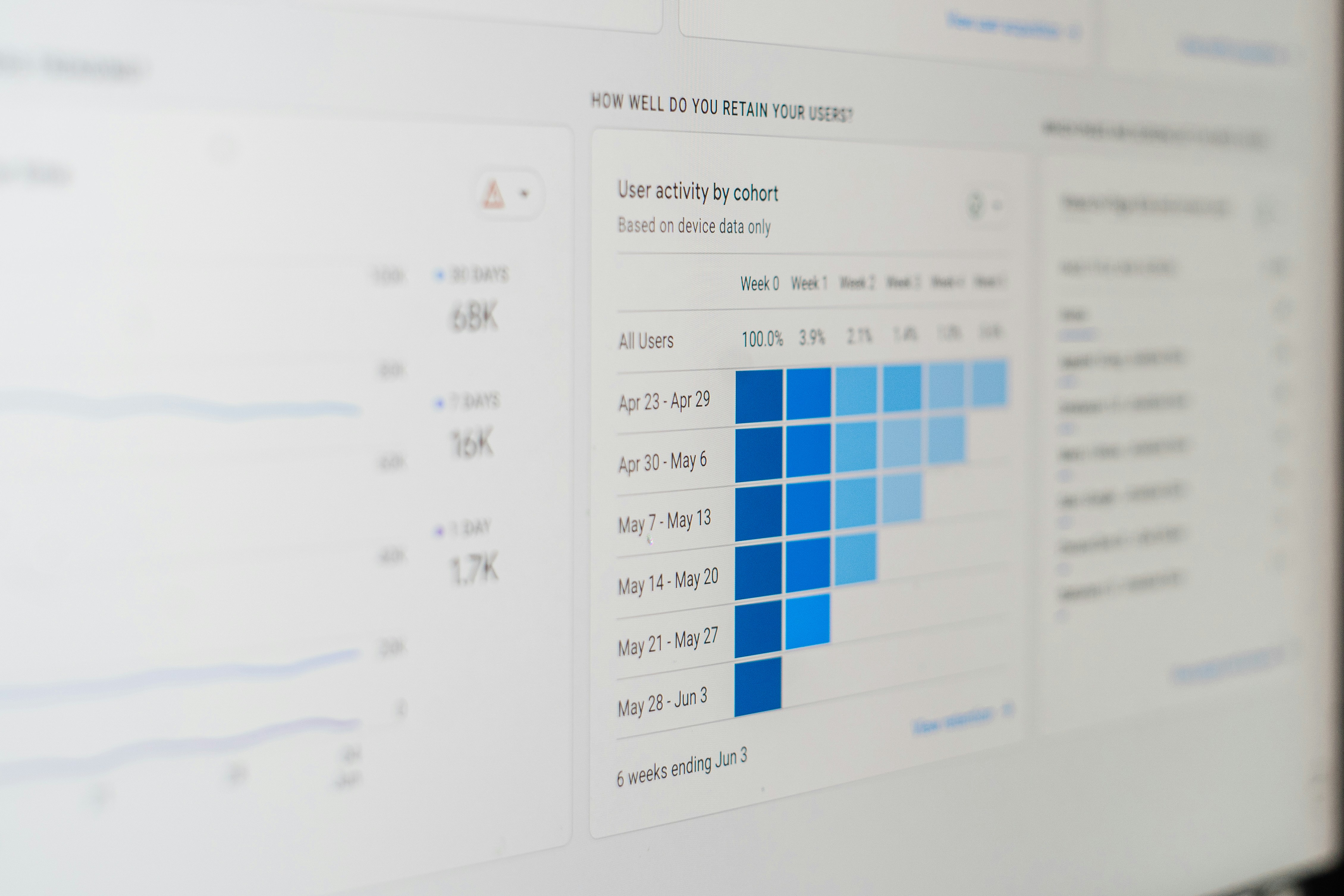
Next, audience retention is another critical metric that indicates the percentage of a video that viewers watch before leaving. This metric helps creators understand viewer behavior and identify which parts of their videos capture attention or cause drop-offs. For example, if retention drops significantly after the first few minutes, creators might want to rethink their introductions or pacing.
Lastly, the engagement rate is computed by measuring interactions such as likes, comments, and shares relative to the total views. A high engagement rate signals that content not only attracts viewers but also compels them to interact. This can create a community around the channel, encouraging further discussions and sharing. Thorough analysis and understanding of these four metrics can empower creators to refine their strategies, tailor their content, and ultimately enhance their channel’s impact on YouTube.
Navigating the YouTube Analytics Dashboard
Accessing the YouTube Analytics dashboard is the first step in understanding your channel’s performance. To get started, log into your YouTube account and click on your profile icon located in the top right corner. From the dropdown menu, select ‘YouTube Studio.’ Once inside the YouTube Studio, locate the ‘Analytics’ option in the left sidebar. This section is designed to provide you with a detailed view of your channel’s metrics.
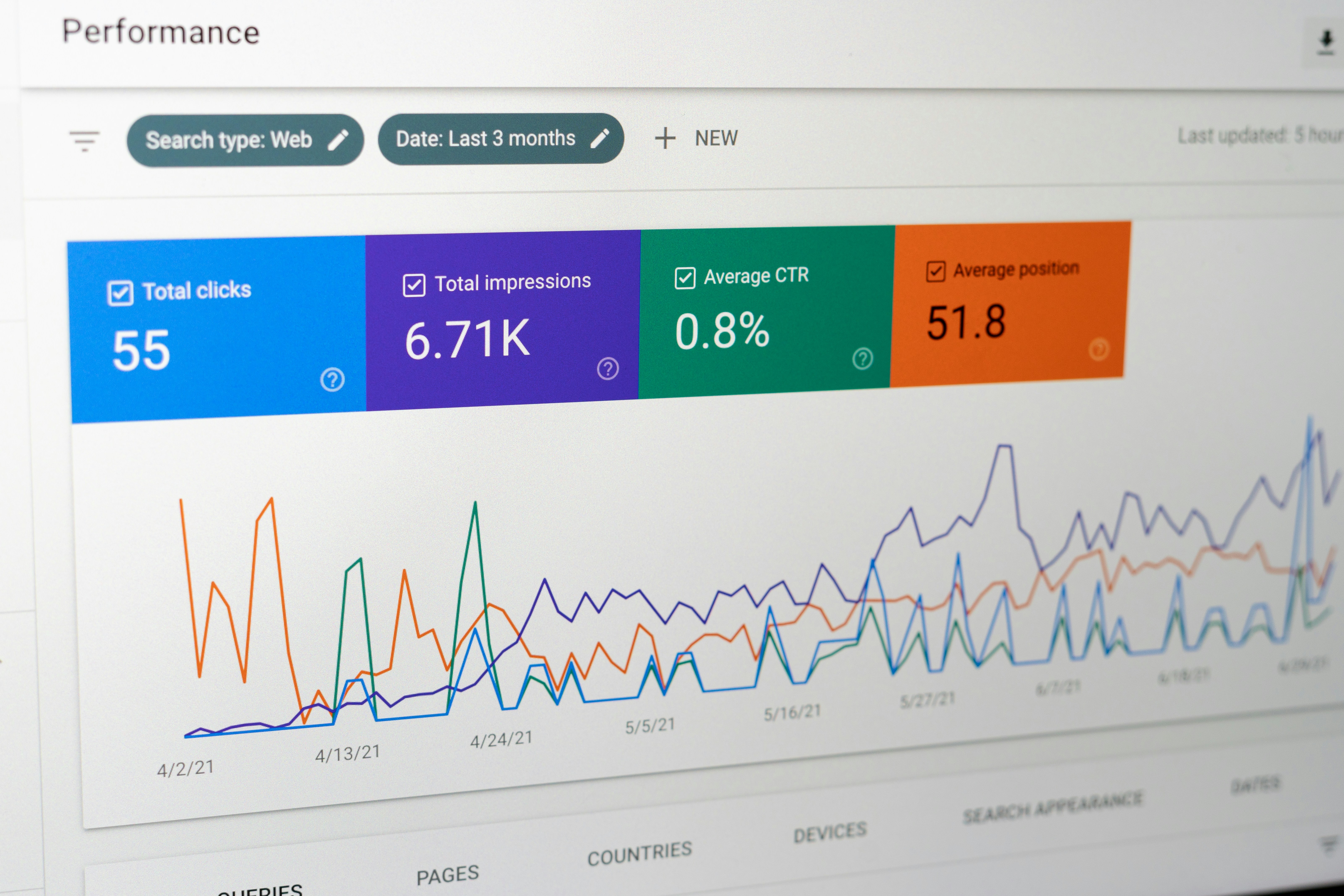
The dashboard is divided into several key tabs: Overview, Reach, Engagement, and Audience. Each tab presents unique insights that can help guide your content strategy. The ‘Overview’ tab offers a summary of your performance metrics over a selected period. Here, you can find key data such as views, watch time, and subscriber changes. This initial snapshot serves as a valuable reference point for assessing overall channel health.
Next is the ‘Reach’ tab, which focuses on how viewers find your videos. Within this section, you can analyze traffic sources, impressions, and click-through rates. It’s essential to understand these metrics as they can help you refine your promotional strategies and optimize your content for searchability.
The ‘Engagement’ tab provides insights into how viewers interact with your videos. Metrics such as watch time and average view duration are crucial for assessing content effectiveness. Finally, the ‘Audience’ tab reveals demographic information about your viewers, including age, gender, and geographic location. Understanding your audience is vital for targeting content effectively and enhancing viewer retention.
By becoming familiar with these elements of the YouTube Analytics dashboard, you can gain essential insights into your channel’s performance and develop targeted strategies for growth. As you navigate these various sections, you may also find it beneficial to utilize visual aids such as screenshots to reinforce your understanding of the data presented.
Python for YouTube Data Analysis
YouTube Analytics provides a wealth of data that can help content creators understand their audience, monitor performance, and refine their strategies. To navigate and manipulate this data efficiently, Python has emerged as a favored programming language among data analysts and developers. With its robust capabilities and comprehensive libraries, Python offers compelling advantages for analyzing large datasets sourced from YouTube Analytics.
One of the essential libraries for working with data in Python is Pandas. It supplies powerful data structures, such as DataFrames, which allow users to manipulate, filter, and analyze data seamlessly. If you’re dealing with a vast amount of video performance metrics, Pandas simplifies numerous operations including grouping, aggregating, and summarizing the data, streamlining the process of insight extraction.
Another critical tool in the Python ecosystem is NumPy, which facilitates efficient numerical computations. When working with statistics related to video views, watch time, and engagement rates, NumPy provides essential functionalities that enhance performance. The combination of NumPy and Pandas allows for a more detailed analysis, enabling users to compute complex metrics with ease.
Data visualization is another pivotal aspect of data analysis, and Matplotlib is one of the most widely used libraries for this purpose. Through visually appealing graphs and charts, content creators can convey their findings more effectively. With Matplotlib, users can create a variety of visual representations to illustrate trends over time, compare different videos or categories, and highlight critical performance indicators.
In summary, leveraging Python for YouTube data analysis equips creators with a powerful toolkit for understanding their channel’s performance. By utilizing libraries like Pandas, NumPy, and Matplotlib, users can manipulate, analyze, and visualize large sets of data effortlessly, ultimately leading to well-informed decisions that can enhance their content strategies.
Connecting to YouTube API with Python
Connecting to the YouTube Data API using Python requires several steps, beginning with the generation of API keys. This key acts as a unique identifier that allows your application to interact with YouTube services securely. To obtain your API key, start by signing in to the Google Cloud Console at console.cloud.google.com. Create a new project or select an existing one. Once within your project dashboard, navigate to the library and search for the “YouTube Data API v3.” Click on it, then enable this API for your project.
Next, go to the “Credentials” tab on the left sidebar and click on “Create credentials.” Choose “API key” from the options available. After the key is generated, make sure to copy it, as this will be essential for authenticating your API requests.
Once you have your API key, you can begin to configure your Python environment to make API calls. Ensure that you have Python installed alongside the requests library, which facilitates HTTP requests. If you haven’t installed requests yet, you can do so using pip:
pip install requestsNow that your environment is ready, you can write a simple script to test your connection. Here’s an example code snippet that demonstrates how to make a request to the YouTube API to retrieve a list of videos from a specific channel:
import requestsAPI_KEY = 'YOUR_API_KEY'CHANNEL_ID = 'YOUR_CHANNEL_ID'url = f'https://www.googleapis.com/youtube/v3/search?key={API_KEY}&channelId={CHANNEL_ID}∂=snippet,idℴ=date&maxResults=5'response = requests.get(url)data = response.json()print(data)This script constructs the request URL and retrieves the latest five videos from the specified channel, showcasing how seamlessly Python integrates with the YouTube Data API. By following these steps, you can effectively connect to the YouTube API, retrieve data, and begin analyzing it further with Python.
Example Analysis: Retrieving and Analyzing Video Metrics
In the world of content creation, understanding video metrics is essential for optimizing performance on platforms like YouTube. In this section, we will demonstrate how to access and analyze these metrics using Python programming. This practical example involves retrieving key data such as view counts, likes, and comments for a specific video on YouTube. The process begins by utilizing the YouTube Data API, which provides developers with the ability to access various metrics associated with their videos.
To start, ensure you have the necessary library installed. You can make use of the `google-api-python-client` library, which allows us to interact with YouTube’s API. After installing the library using pip, proceed to authenticate your API key. Here is a basic script to retrieve metrics for a particular video:
from googleapiclient.discovery import buildapi_key = 'YOUR_API_KEY'youtube = build('youtube', 'v3', developerKey=api_key)def get_video_metrics(video_id):request = youtube.videos().list(part='statistics', id=video_id)response = request.execute()return response['items'][0]['statistics']metrics = get_video_metrics('VIDEO_ID')print(metrics)# This will show viewCount, likeCount, and commentCountAfter obtaining the metrics, it is crucial to interpret this data effectively. This is where visualization becomes essential. Using the popular Python library, Matplotlib, we can create a visual representation of these metrics. Here’s a simple way to plot the data retrieved:
import matplotlib.pyplot as pltdef visualize_metrics(metrics):labels = ['Views', 'Likes', 'Comments']values = [int(metrics['viewCount']), int(metrics['likeCount']), int(metrics['commentCount'])]plt.bar(labels, values, color=['blue', 'green', 'orange'])plt.xlabel('Metrics')plt.ylabel('Count')plt.title('YouTube Video Metrics Visualization')plt.show()visualize_metrics(metrics)This script will produce a bar chart that effectively summarizes the key metrics of the video. By analyzing and visualizing these metrics, content creators can gain valuable insights into their audience’s engagement and preferences. Utilizing Python for such analyses simplifies the process and enhances overall understanding of performance metrics on YouTube.
Engagement and Reach Insights from Analytics
YouTube Analytics provides a wealth of data that can greatly enhance a content creator’s understanding of their audience’s behavior. By analyzing engagement and reach metrics, users can decode the dynamics of viewer interactions and tailor their content strategies accordingly. Central to this analysis are key metrics, including audience demographics, traffic sources, and user interactions.
Audience demographics give insights into who is watching your videos. This includes the age, gender, and geographical location of viewers, which can influence content creation. For instance, if a content creator discovers that a significant portion of their audience belongs to a certain age group, they can curate their videos to resonate more with this demographic. Understanding demographics also helps in making strategic decisions about collaborations, promotions, and marketing initiatives that align with the interests of a specific audience segment.
Traffic sources provide essential information regarding how viewers discover your content. By understanding whether viewers are finding videos through search results, recommendations, or external websites, creators can optimize their promotional efforts and improve their visibility. For example, if a majority of traffic comes from social media platforms, it may be beneficial to focus on enhancing social media outreach or collaborations that bolster audience engagement in those environments.
User interactions, which include likes, shares, comments, and video saves, serve as indicators of content effectiveness and viewer engagement. Monitoring these engagements allows creators to evaluate what resonates with their audience and adapt their content accordingly. A higher like-to-view ratio may suggest that the content is being well-received, while a surge in comments can indicate active viewer involvement and differing opinions, providing further content ideas. By synthesizing these insights, creators can refine their strategies, paving the way for increased engagement and reach on their YouTube channel.
Using Data to Optimize Content Strategy
Utilizing YouTube analytics presents a valuable opportunity for creators to refine their content strategies effectively. By analyzing various performance metrics, such as click-through rates, watch time, and audience retention, creators can gain insights into what resonates with their viewers. This data-driven approach aids in making informed decisions to optimize video titles, descriptions, and thumbnails.
For instance, an engaging video title is crucial for attracting potential viewers. Analytics can reveal which titles garner the highest click-through rates, allowing creators to formulate strategies based on successful examples. Experimentation with different title formats can yield insights; for example, using numbers or questions tend to generate interest. By monitoring how these adjustments impact viewership, content creators can continuously refine their approach.
Alongside titles, the description of a video can significantly impact its discoverability. An effective description should include relevant keywords naturally integrated to improve searchability without compromising readability. YouTube analytics can identify which keywords bring viewers to videos, enabling creators to adapt their descriptions accordingly. Tracking changes in traffic sources after modifications provides invaluable feedback.
Thumbnails play a pivotal role in attracting viewers’ attention amidst a sea of content. Creators should analyze which thumbnail designs correlate with higher engagement. Implementing A/B testing to experiment with different visuals can yield effective results. For instance, thumbnails that feature human faces or vibrant colors often enhance viewer engagement rates. By continuously iterating on designs based on concrete data, creators can strengthen their visual appeal.
Real-world examples abound where analytics-driven strategies lead to substantial growth. Channels that actively modify their content based on viewer trends and metrics often experience heightened engagement and subscriber growth. Through careful analysis and adjustments based on YouTube’s analytics, content creators can successfully optimize their strategies, ensuring their efforts resonate more effectively with their audience.
Conclusion: The Importance of YouTube Analytics
YouTube Analytics plays a crucial role in helping content creators and marketers understand the performance of their videos and channels. Throughout the journey of engaging with an audience, analyzing metrics such as views, watch time, and audience demographics becomes essential. The insights gathered from YouTube Analytics allow creators to identify what works, what doesn’t, and how to evolve their strategies for improved outcomes.
Utilizing YouTube Analytics not only assesses the performance of individual videos but also highlights trends over time. By examining data on viewer retention and engagement, creators can tailor their content to align more closely with audience preferences. This responsiveness is vital in fostering viewer loyalty and maximizing potential reach. Moreover, metrics related to traffic sources inform creators where their audience is coming from, facilitating targeted promotional efforts that can enhance visibility.
In addition to performance assessment, YouTube Analytics aids in goal-setting and strategy development. As creators define their objectives, such as increasing subscriber counts or enhancing community engagement, the data serves as a foundational tool for drafting actionable insights. The analytics dashboard provides metrics that help track progress against those goals, offering a clear picture of effectiveness and areas for improvement. This cycle of analysis and enhancement contributes significantly to growth and professional development within the digital space.
As we conclude this comprehensive guide on YouTube Analytics, it is evident that harnessing the power of analytics is vital for anyone seeking success on the platform. We encourage all creators, regardless of their level of experience, to delve into their own metrics. By doing so, they can actively shape their content strategies, leading to increased engagement and growth. Start analyzing your data today for a more informed and successful channel journey.