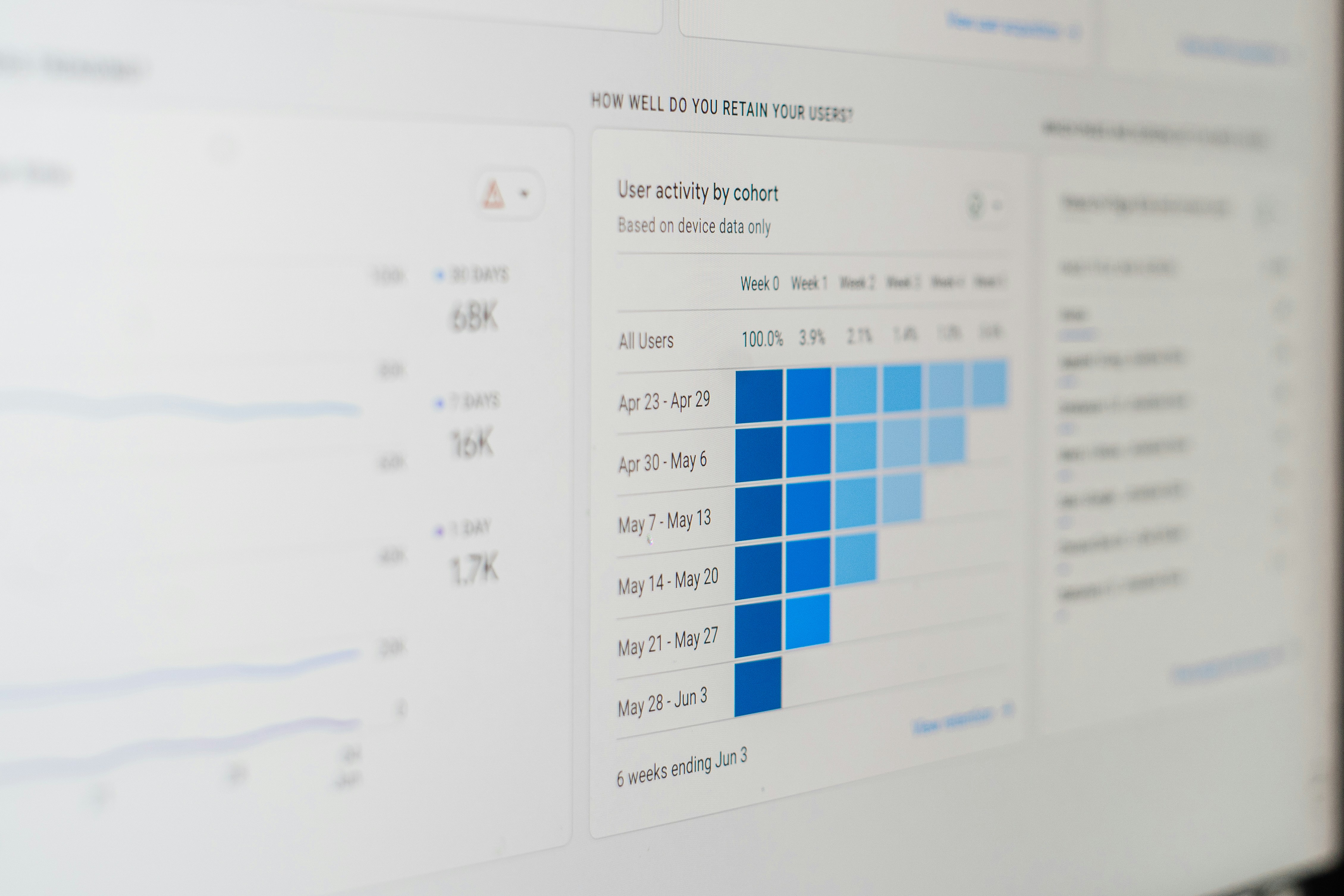
Introduction to Looker Studio
In the contemporary business landscape, data-driven decision-making has become paramount for success. Looker Studio stands out as a critical data visualization and business intelligence tool, particularly for Amazon sellers striving to enhance their operational efficiency and strategies. Leveraging the capabilities of Looker Studio enables businesses to transform complex data sets into meaningful insights, allowing for a comprehensive understanding of market dynamics and consumer behavior.
Looker Studio facilitates the visualization of data patterns and trends, empowering Amazon sellers to analyze their sales performance, inventory levels, and customer engagement in real time. Its robust reporting features help users capture essential metrics, thereby uncovering opportunities for optimization and growth. By integrating seamlessly with various data sources, Looker Studio streamlines data collection and analysis, ensuring that stakeholders have access to timely information necessary for strategic decision-making.
One of the key advantages of Looker Studio is its user-friendly interface which democratizes data access across teams. Businesses can create customized dashboards and reports tailored to their specific needs without extensive technical expertise. This user-centric design encourages collaboration by enabling cross-functional teams to engage with data insights. For Amazon sellers, this means that everyone, from marketing to supply chain management, can be aligned toward common goals and metrics, enhancing the overall efficiency of business operations.
Moreover, the platform supports a variety of data visualization options, making it easier to convey complex information in an accessible format. This is particularly valuable for Amazon sellers who need to quickly interpret data trends to make informed pricing, inventory, and marketing decisions. The significance of Looker Studio in the realm of Amazon selling exemplifies how modern businesses can utilize data intelligently to gain a competitive edge in an increasingly data-centric marketplace.
Why Looker Studio is Essential for Amazon Sellers
In the competitive landscape of Amazon selling, leveraging data effectively can distinguish successful sellers from the rest. Looker Studio serves as a powerful tool that allows Amazon sellers to harness the full potential of their data. By facilitating data-driven decision-making, Looker Studio enables sellers to gain valuable insights that inform their strategies and enhance their overall operations.
One of the standout features of Looker Studio is its capability to create customized dashboards. Sellers can tailor these dashboards to reflect key performance indicators specific to their business goals. This customization allows for a focused analysis of metrics such as sales trends, customer feedback, inventory levels, and advertising performance. By having immediate access to relevant data visualizations, Amazon sellers can swiftly identify opportunities for optimization and growth.
Furthermore, tracking performance metrics is critical for businesses to measure their effectiveness and make informed adjustments. Looker Studio simplifies this process by allowing sellers to monitor essential metrics in real time. By effectively tracking metrics such as conversion rates, return on investment in advertising, and customer acquisition costs, sellers can gain insights into profitability and identify the best strategies to enhance performance. This capability not only aids in driving immediate improvements but also supports long-term planning and sustainability.
Ultimately, the integration of Looker Studio into an Amazon seller’s toolkit supports a structured approach to managing and analyzing data. The ability to extract actionable insights from various data sources ensures that sellers remain agile in their decision-making. As marketplace dynamics evolve, Looker Studio equips sellers with the information necessary to adapt quickly, optimize operations, and foster sustainable growth in an increasingly data-driven economy.
Getting Started with Looker Studio
To embark on your journey with Looker Studio, the first step is to sign up for an account. This process is straightforward and can be completed by navigating to the official Looker Studio website. Users are typically required to provide basic information such as their email address and a secure password. Upon registration, an email confirmation may be necessary to activate your account, ensuring that your information is protected from unauthorized access.
Once your account is set up, the next vital step involves connecting Looker Studio to your data sources. For Amazon sellers, this is particularly crucial as it allows for the seamless import of relevant data from your Amazon Seller Central account. Looker Studio supports various data connectors, enabling you to easily integrate your Amazon store data. Utilize the app’s connector feature to link your Amazon account, which may require authentication to ensure that your data is secure and accessible.
After the integration of your data sources is complete, familiarizing yourself with the Looker Studio user interface is essential. The platform is designed to be intuitive, with a dashboard displaying various tools and options. Users can navigate through menus to access different features, such as report generation, data visualization, and dashboard configurations. The left sidebar typically contains options for managing data sources, while the right side presents visualization tools that allow for the customization of your reports.
Understanding the layout of Looker Studio will aid in efficiently analyzing your Amazon business metrics. Regular updates to the platform may introduce new functionalities, so staying informed about these enhancements will further optimize your usage. By mastering the initial setup and user interface, you can leverage Looker Studio to extract insightful data that drives informed decision-making for your Amazon business.
Creating Custom Reports and Dashboards
Custom reports and dashboards are integral components for Amazon sellers leveraging Looker Studio to unlock valuable business insights. The ability to create tailored visualizations enables sellers to interpret their data effectively and drive informed decision-making. Looker Studio offers a variety of visualization options, such as charts, tables, and geographical maps, which can be customized to showcase essential metrics relevant to an Amazon seller’s performance.
When creating these reports, it is crucial to select the right metrics that align with your business objectives. For instance, metrics such as sales volume, conversion rates, and customer feedback can provide comprehensive insights into product performance and market trends. Additionally, sellers should consider KPIs that reflect their specific goals, whether it is maximizing profit margins or increasing customer engagement. By focusing on these metrics, Looker Studio allows sellers to monitor their performance closely, facilitating timely adjustments to strategy as needed.
Moreover, ensuring that the reports are visually appealing and easy to understand enhances user experience and data digestion. When designing dashboards, maintain a clean layout and utilize colors, fonts, and labels strategically to convey information clearly. Group related data points and employ visualization techniques that best represent the information. For example, a line chart might be more effective than a bar chart for showing trends over time, while tables can encompass detailed breakdowns of product categories.
By leveraging Looker Studio’s features and customizing reports, Amazon sellers can transform raw data into compelling narratives that highlight opportunities and challenges in their business. The overall objective is to make data interpretation intuitive and actionable, positioning sellers to make strategic decisions with confidence and clarity.
Integrating Looker Studio with Amazon Data
Integrating Looker Studio with various Amazon data sources provides sellers with a powerful toolset to analyze their business performance comprehensively. The first step in this integration process involves connecting the necessary application programming interfaces (APIs) that Amazon provides. These APIs are essential for retrieving data regarding sales, inventory levels, and customer metrics, all of which are pertinent for informed business decisions.
Amazon offers several APIs, including the Selling Partner API (SP-API) and the Advertising API. By utilizing the Selling Partner API, sellers can import critical sales data directly into Looker Studio. This process typically requires setting up an Amazon Developer account and generating suitable credentials. Once the credentials are in place, sellers can establish a connection with Looker Studio, allowing for seamless data transfer. The integration streamlines the process of obtaining vital metrics such as revenue generated, units sold, and return rates, which are fundamental for understanding business performance.
Furthermore, inventory management is crucial for Amazon sellers, and Looker Studio allows for the integration of real-time inventory levels. By connecting to the appropriate API, sellers can monitor stock levels, track inventory turnover rates, and receive alerts for low-stock items, thus optimizing their supply chain operations. Beyond sales and inventory, customer metrics can also be pulled into Looker Studio. Metrics such as average order value, customer retention rates, and reviews can be analyzed to improve customer satisfaction and loyalty.
Overall, the integration of Looker Studio with Amazon data sources creates a comprehensive dashboard that enhances visibility into all aspects of the business. This interconnectedness enables sellers to make data-driven decisions, ultimately leading to increased efficiency and profitability.
Analyzing Data for Strategic Insights
Data analysis plays a critical role in the success of Amazon sellers looking to optimize their performance using Looker Studio. This powerful tool not only consolidates diverse data sources but also enables users to analyze their data comprehensively, leading to strategic insights that can significantly enhance decision-making. One of the primary objectives for sellers is to identify trends that can inform their marketing and sales strategies.
Within Looker Studio, various visualization tools allow sellers to examine historical sales data, revealing patterns in consumer purchasing behavior over different time frames. By leveraging these visualizations, Amazon sellers can identify peak selling periods, seasonal trends, and popular product categories. This ability to discern trends empowers sellers to align their inventory and marketing efforts with consumer demand, maximizing their sales potential.
Understanding customer behavior is equally essential. Looker Studio enables sellers to segment their audience based on metrics such as demographics, purchasing history, and engagement levels. By analyzing this data, sellers can gain insights into customer preferences, enabling them to tailor their product offerings and marketing strategies to appeal directly to their target audience. Such customization not only fosters customer loyalty but also enhances the overall shopping experience.
Forecasting sales is another crucial aspect facilitated by Looker Studio. With the capability to integrate and analyze historical sales trends alongside current market conditions, sellers can make educated predictions about future sales performance. This forecasting can guide restocking strategies, budget allocation, and promotional campaigns, all contributing to a more robust sales strategy.
Ultimately, utilizing Looker Studio for data analysis equips Amazon sellers with actionable insights. By identifying trends, comprehending customer behavior, and forecasting future sales, sellers can embark on a journey of informed decision-making, paving the way for sustained business growth.
Best Practices for Using Looker Studio
To maximize the potential of Looker Studio for Amazon sellers, it is crucial to adhere to certain best practices that enhance both data accuracy and user collaboration. One of the foundational aspects is ensuring that the data used within Looker Studio is accurate and reliable. This involves implementing rigorous data validation processes before integration into the platform. By routinely checking for discrepancies and ensuring that the underlying data remains clean, sellers can make informed decisions based on trustworthy insights.
Another essential practice is the regular updating of dashboards. Looker Studio allows users to visualize data dynamically, and keeping these visualizations current is vital for reflecting real-time trends. Setting a schedule for routine updates—whether daily, weekly, or monthly—can significantly enhance the relevance of the insights generated, ensuring they align with the fast-paced nature of the Amazon marketplace.
Collaboration is also a key element in leveraging Looker Studio effectively. Amazon sellers often work in teams, and utilizing the collaborative features of Looker Studio can foster better outcomes. Sharing dashboards and reports among team members not only promotes a unified approach to data interpretation but also allows for diverse perspectives that can lead to more comprehensive analysis. Designating roles and responsibilities regarding data management can streamline this process further.
Lastly, continually refining reporting strategies is essential to adapt to evolving business needs. Amazon sellers should regularly assess the effectiveness of their reporting frameworks within Looker Studio, incorporating feedback and exploring new functionalities that the platform offers. By remaining agile and open to change, sellers can enhance their analytical capabilities, ultimately leading to improved decision-making and business growth.
Common Challenges and Solutions
Utilizing Looker Studio with Amazon data offers various advantages for sellers, but it is not without its challenges. One of the most prevalent issues is data discrepancies. As Amazon processes vast amounts of transaction data, inconsistencies can arise, leading to potential inaccuracies in the reports generated using Looker Studio. To mitigate this issue, it is essential to establish a robust data validation process. By comparing key performance indicators (KPIs) from different sources and making necessary adjustments within Looker Studio, sellers can ensure a more accurate representation of their business metrics.
Furthermore, integration issues often pose significant obstacles for Amazon sellers looking to leverage Looker Studio. These challenges can stem from complex data structures or problems in connecting various data sources, which can hinder the effective use of the platform. To address this, it is advisable for users to familiarize themselves with Amazon’s data extraction capabilities and the Looker Studio connection settings. By thoroughly understanding the data format and ensuring a seamless connection, users can experience more efficient workflows and enhanced reporting capabilities.
Additionally, training and user adoption can present hurdles when implementing Looker Studio for Amazon data analysis. Teams may struggle to fully utilize the platform’s features if they lack proper guidance. To combat this, organizations should invest in comprehensive training resources and actively encourage collaboration among team members. This investment not only enhances each user’s proficiency with Looker Studio but also fosters an environment where data literacy can flourish.
In navigating these common challenges, Amazon sellers can unlock comprehensive insights through Looker Studio, driving informed business decisions and optimizing performance over time.
Conclusion and Further Resources
In summary, Looker Studio serves as a powerful analytical tool for Amazon sellers seeking to derive meaningful insights from their data. By harnessing the capabilities of Looker Studio, businesses can effectively visualize and analyze their sales figures, customer behaviors, and overall market trends. The integration of various data sources into Looker Studio facilitates a comprehensive view of performance metrics, allowing sellers to make informed decisions aimed at enhancing their operations. Utilizing Looker Studio for Amazon not only improves reporting efficiency but also empowers sellers with the ability to tailor analyses that cater specifically to their target audiences.
As discussed, the user-friendly interface of Looker Studio simplifies the data exploration process while encouraging collaboration among teams. This is particularly beneficial in the fast-paced environment of e-commerce, where timely insights can dictate competitive advantage. Sellers can leverage Looker Studio’s customizable dashboards to monitor performance indicators in real-time, thus ensuring that no critical information goes unnoticed.
For those interested in further exploring the capabilities of Looker Studio for their Amazon business, a plethora of resources is available. Several online tutorials and documentation can guide users through the initial setup and advanced features. Additionally, joining relevant forums and community groups can facilitate knowledge sharing and provide useful tips from seasoned veterans in the industry. Here are some resources you may find helpful:
By taking advantage of Looker Studio’s robust data capabilities, Amazon sellers can ultimately unlock valuable insights that drive profitability and business growth.