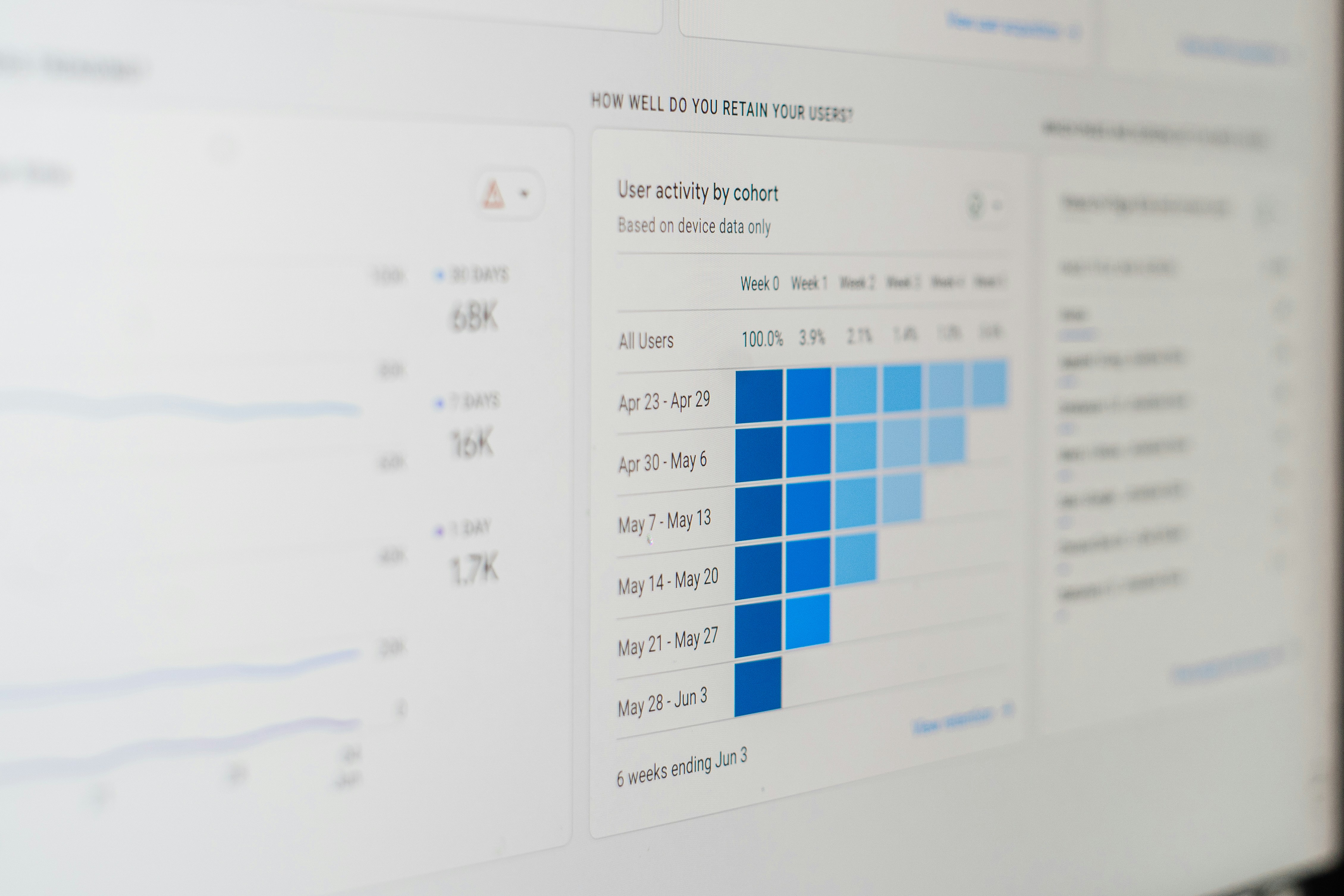
Introduction to HubSpot Looker Studio
HubSpot Looker Studio represents a powerful tool designed to enhance data visualization and reporting for businesses of all sizes. This platform enables organizations to transform raw HubSpot data into insightful visual representations that facilitate informed decision-making. As companies increasingly adopt data-driven strategies, the ability to analyze and interpret data effectively has become essential in gaining a competitive edge.
One of the primary benefits of using HubSpot Looker Studio is its user-friendly interface, which allows individuals with varying levels of technical expertise to engage with the platform effortlessly. Users can create custom dashboards and reports tailored to their specific needs, promoting a streamlined approach to data handling. Moreover, the availability of customizable templates further enhances the user experience, allowing for quick adaptation and deployment of reporting frameworks that suit varied business requirements.
Additionally, HubSpot Looker Studio’s robust integration capabilities enable seamless connectivity with other data sources and tools. This functionality ensures that businesses can compile comprehensive datasets, thus enriching their analyses. As organizations continue to leverage multiple software solutions, the ability to aggregate data into a unified visualization dashboard becomes increasingly vital.
As the importance of data-driven decision-making grows, tools like HubSpot Looker Studio provide a crucial advantage. By converting complex data into digestible visuals, businesses can identify trends, monitor performance, and make timely adjustments to their strategies. This shift towards data-centric operations emphasizes the need for reliable analytics tools, positioning HubSpot Looker Studio as an invaluable asset in the modern business landscape.
Key Features of the HubSpot Looker Studio Template
The HubSpot Looker Studio Template is designed to transform data into actionable insights, offering users a range of powerful features to enhance their reporting capabilities. One of the standout features of this template is its customizable dashboards, which allow organizations to tailor their views according to specific needs. Users can select particular metrics and data points, resulting in a visual representation that is relevant to their unique objectives. This customization ensures that stakeholders can focus on the information that matters most to them, promoting data-driven decision-making.
Another significant advantage of the HubSpot Looker Studio Template is its robust reporting capabilities. Integrating seamlessly with HubSpot’s diverse data sources, the template facilitates comprehensive analysis across various business dimensions. Organizations can generate detailed reports that encompass marketing performance, sales actions, and customer engagement metrics. These reports enable teams to identify trends, monitor key performance indicators (KPIs), and uncover insights that propel business growth.
The user-friendly drag-and-drop functionality is yet another feature that distinguishes the HubSpot Looker Studio Template. This intuitive design allows users, regardless of their technical expertise, to create and modify reports effortlessly. Users can simply pull and position elements as needed, making it accessible for team members to visualize data quickly. Such ease of use not only enhances productivity but also promotes a culture of data literacy within organizations.
In conclusion, the HubSpot Looker Studio Template is an invaluable tool for businesses seeking to optimize their data reporting processes. Its customizable dashboards, robust reporting capabilities, and user-friendly drag-and-drop interface contribute significantly to generating better insights, ultimately leading to improved business outcomes. By leveraging these features, organizations can establish a strong data-driven foundation for their strategic initiatives.
Step-by-Step Guide to Setting Up the HubSpot Looker Studio Template
Setting up the HubSpot Looker Studio template is an essential process for users aiming to leverage their HubSpot data effectively. This guide outlines the necessary prerequisites and detailed steps to ensure a seamless integration between HubSpot and Looker Studio.
First and foremost, users must generate an API key from HubSpot. To do this, log into your HubSpot account, navigate to your account settings, and proceed to the API section. Here, you will find the option to create a new key. After generating the API key, ensure that you copy it securely, as this will be required for the connection process.
With your API key ready, the next step is to establish a connection between HubSpot and Looker Studio. Open Looker Studio and select the option to create a new report. You will be prompted to choose your data source, where you should select HubSpot as your connection type. Enter your API key in the designated field when prompted. If done correctly, you should see a message confirming a successful connection.
Once connected, you can begin loading your HubSpot data into Looker Studio. Depending on your requirements, you may want to import specific datasets such as Contacts, Deals, or Marketing Email analytics. Utilize the data connector options to specify which datasets to pull into your report. This step is critical in ensuring you have relevant data for your analysis.
After loading the data, it’s time to apply the HubSpot Looker Studio template. Locate the template designed for HubSpot within the Looker Studio template gallery. You can then incorporate it into your report by following the prompts. This template serves as a framework, allowing users to visualize their data effectively without needing extensive customization.
By following these steps, users can efficiently set up the HubSpot Looker Studio template, enabling them to gain valuable insights from their HubSpot data.
Customizing Your Looker Studio Dashboard
Customizing your Looker Studio dashboard is essential for tailoring reports to your specific needs, allowing for better data interpretation and decision-making. The first step in this process is to customize Key Performance Indicators (KPIs). KPIs serve as the critical metrics that reflect the performance of your business objectives. By prioritizing which indicators are most relevant to your goals, you can enhance the dashboard’s effectiveness. Looker Studio allows you to incorporate both standard metrics and unique KPIs, providing a holistic view of your data.
Once you have determined your KPIs, the next aspect of customization involves adjusting data visualizations. Looker Studio offers various visualization options, including charts, graphs, and tables, allowing you to select the format that best conveys your message. Consider the nature of your data; for instance, time series data might be best represented through line graphs, while categorical data may thrive in bar charts. The flexibility to drag and adjust visualization components enables a dynamic approach to presenting your information, ensuring clarity in communication.
Layout customization is another vital component of building an impactful dashboard. A clean and well-organized layout improves usability, allowing users to navigate through the data easily. Consider implementing a grid structure that arranges visualizations logically and aesthetically. Positioning commonly accessed metrics in prominent areas will enhance user experience. Additionally, incorporating white space can help prevent visual clutter, making it easier for users to focus on important insights.
To maximize the effectiveness of your customized dashboard, adherence to best practices in design and usability is crucial. Always keep your target audience in mind while designing your dashboard, ensuring that the information presented is accessible and comprehensible. Regularly revisiting and updating your dashboard in response to changing business needs will maintain its relevance and impact.
Understanding Data Metrics and KPIs in HubSpot Reporting
Within the context of HubSpot reporting via Looker Studio, data metrics and Key Performance Indicators (KPIs) serve as fundamental components for evaluating business performance. Metrics offer quantifiable measures, while KPIs are specific metrics that align with strategic objectives. Having a clear understanding of these two concepts is essential for business leaders aiming to harness data effectively.
Some vital metrics routinely utilized in HubSpot reporting include website traffic, conversion rates, lead generation, and customer acquisition costs. Website traffic indicates the volume of visitors engaging with your content, which can provide insights into content efficacy and marketing strategies. High website traffic often correlates with successful marketing efforts, yet it is essential to analyze traffic sources to identify which channels drive the most engaged audiences.
Conversion rates, another crucial metric, represent the percentage of visitors completing desired actions, such as making a purchase or filling out a form. This data point is paramount for assessing the effectiveness of your marketing funnel and indicates how well your content resonates with target audiences. Improving conversion rates can lead to increased revenue without necessarily increasing traffic.
Lead generation metrics, encompassing both the quantity and quality of leads, are also integral to HubSpot reporting. Tracking these metrics ensures that business strategies are not solely about attracting visitors but effectively nurturing potential customers through the sales process.
The Customer Acquisition Cost (CAC) metric reveals the total cost associated with acquiring a new customer. Understanding this figure helps businesses gauge the sustainability of their marketing and sales strategies, as high acquisition costs might indicate a need for strategic adjustments.
By consistently monitoring these metrics and KPIs within HubSpot reporting, businesses can interpret data and make informed decisions. This analytical approach not only drives strategy but also empowers organizations to achieve long-term growth and operational efficiency.
Common Challenges and Solutions When Using HubSpot Looker Studio
Utilizing the HubSpot Looker Studio template can transform your data reporting and analytics. However, users may encounter several challenges that could impede their overall experience. Understanding these potential issues, along with their corresponding solutions, is essential for effective navigation and enhanced reporting capabilities.
One of the most common challenges faced by users is data connectivity. Problems may arise when integrating data sources, leading to incomplete reports or data discrepancies. To mitigate this, ensure that all API connections are properly configured and that necessary permissions are granted. Regularly updating connection settings can also prevent issues related to data syncing. Additionally, consulting HubSpot’s official documentation or support can provide specific guidelines for troubleshooting data connectivity problems.
Another frequent issue is the interpretation of data visualizations. Users may find it difficult to discern insights from complex charts or graphs. To address this challenge, it is advisable to simplify visualizations wherever possible. Using clear labels, legends, and tooltips can significantly enhance the user’s understanding of the data presented. Additionally, HubSpot Looker Studio offers customization features that allow users to tailor visualizations to their specific needs, catering to different audience levels.
Finally, performance issues can arise, particularly when handling large data sets. Slow loading times may hinder productivity and user experience. To enhance performance, consider optimizing data queries and limiting the volume of data queried at one time. Implementing filters can also streamline data processing times, ensuring that users can access the necessary information efficiently.
By proactively addressing these challenges and implementing the suggested solutions, users can navigate the HubSpot Looker Studio template with greater ease, ultimately improving their reporting and data analysis capabilities.
Real-World Use Cases of HubSpot Looker Studio Template
The HubSpot Looker Studio template has revolutionized the way businesses analyze data and generate insights. Its profound utility is evident through several real-world examples that illustrate how diverse organizations leverage the template to enhance their performance and decision-making processes.
One notable case is that of a mid-sized e-commerce company that utilized the HubSpot Looker Studio template to streamline its marketing analytics. By integrating their marketing data with the template, they could visualize customer behavior and track campaign performance in real-time. This data-driven approach allowed them to refine their marketing strategies, resulting in a 30% increase in conversion rates over six months. The template’s ability to present complex datasets in an easily digestible format was key to the company’s success.
Another example comes from a B2B software firm that faced challenges in understanding its sales pipeline. By adopting the HubSpot Looker Studio template, the organization created customized dashboards that visually represented sales performance metrics. This enabled their sales team to identify bottlenecks and focus on high-value opportunities. As a result, the company achieved a 15% increase in sales revenue within the first quarter of using the template. The clarity and depth of insights provided by the HubSpot Looker Studio template were instrumental in driving strategic actions.
Additionally, a healthcare organization applied the HubSpot Looker Studio template to monitor patient engagement metrics and operational efficiency. By analyzing key performance indicators through the template, they enhanced their service delivery and improved patient satisfaction scores significantly. The insights gained from the data analytics afforded them the ability to implement targeted initiatives, which led to a marked improvement in overall care quality.
These case studies underscore the versatility of the HubSpot Looker Studio template, showcasing its ability to drive impactful outcomes across various sectors. Businesses that embrace data-driven decision-making through this innovative tool find themselves better equipped to navigate challenges and capitalize on opportunities for growth.
Best Practices for Effective Reporting with Looker Studio
Utilizing the HubSpot Looker Studio template for effective reporting necessitates adherence to certain best practices that enhance clarity and impact. One of the foundational practices is the establishment of consistency in reporting formats. This involves standardizing metrics, visualizations, and overall layout across reports. By employing consistent elements, stakeholders can quickly interpret and compare data, leading to more informed decision-making. Consistent reporting also fosters trust among team members, as they become more familiar with the presentation of key performance indicators (KPIs) and other vital metrics.
Alongside consistency, a critical analysis of the metrics displayed is imperative. Rather than merely presenting data, analysts should seek to interpret the information meaningfully. This means delving into the context behind the numbers and identifying trends or anomalies. For instance, if a particular marketing campaign significantly drives traffic, it is vital to explore which aspects of the campaign contributed to this success. By doing so, businesses can leverage insights gained from Looker Studio to optimize future initiatives, thereby aligning reporting directly with business objectives.
Another essential practice is ensuring regular updates to dashboards. As business landscapes continually evolve, so too should the metrics that businesses track. By frequently revisiting and updating dashboards, organizations ensure that their data reflects the most current state of operations. This practice not only helps assess performance accurately but also allows teams to pivot strategies promptly based on emerging trends. Moreover, stakeholders are more engaged when they see that reports remain relevant and closely tied to ongoing business goals and performance indicators.
In conclusion, implementing these best practices—ensuring consistency in reporting, engaging in critical analysis of metrics, and maintaining updated dashboards—can significantly enhance the effectiveness of reports generated through the HubSpot Looker Studio template. By prioritizing these strategies, organizations can unlock the full potential of their reporting efforts, thereby fostering insightful decision-making aligned with their objectives.
Conclusion: Maximizing the Value of Your HubSpot Data
In today’s data-driven business environment, effective data visualization and reporting are crucial for enhancing strategy and decision-making processes. The ability to make informed decisions based on accurate and accessible data can significantly impact business success. As we have explored throughout this guide, utilizing the HubSpot Looker Studio template can unlock valuable insights from your HubSpot data, enabling you to better understand customer behavior and sales performance.
The HubSpot Looker Studio template offers a comprehensive approach to data visualization. By integrating various data sources, users can create intuitive dashboards that present complex data in a simplified manner. This functionality not only aids in tracking key performance indicators but also assists teams in identifying trends and anomalies in their data, which are essential for driving strategic decisions.
Furthermore, leveraging this template allows businesses to customize their reports and visual representations, aligning data presentations with their unique objectives. By presenting data through a lens that reflects organizational priorities, stakeholders can engage with the findings more effectively, fostering a culture of data-driven decision-making. Additionally, as the business landscape evolves, maintaining flexibility in reporting methods becomes increasingly important. The adaptability of the HubSpot Looker Studio template ensures that users can adjust their data visualizations to reflect new insights or strategic shifts.
Ultimately, maximizing the value of your HubSpot data hinges on utilizing tools that enhance data comprehension. By actively engaging with the HubSpot Looker Studio template, organizations can transform raw data into actionable insights. This process not only streamlines decision-making but also promotes a deeper understanding of customer insights and operational efficiencies. We encourage you to explore the HubSpot Looker Studio template further, empowering your organization to harness the full potential of your HubSpot data.