Introduction to Google Search Console
Google Search Console (GSC) is an essential tool provided by Google, designed to assist website owners in optimizing their online presence. Its primary purpose is to help users monitor, maintain, and troubleshoot their site’s presence in Google search results. The platform is invaluable for digital marketers, webmasters, and SEO professionals who aim to improve search performance and user experience.
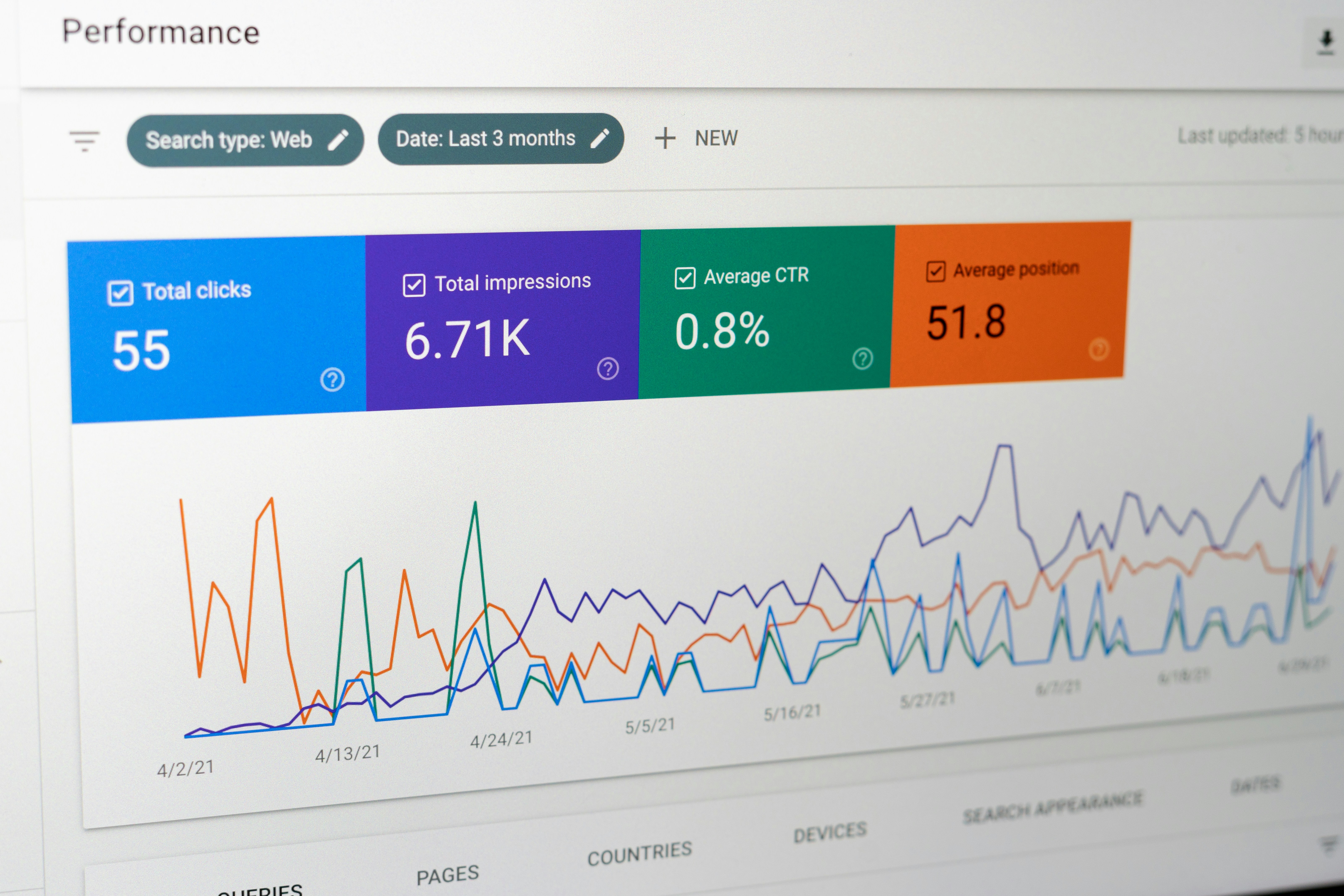
One of the key features of Google Search Console is its ability to track organic search traffic and performance metrics. Users can access data related to search queries, including impressions, clicks, and click-through rates (CTR). By analyzing this information, website owners can detect which keywords are driving traffic and identify opportunities for optimization. Additionally, the tool provides insights into which pages are performing well, helping to refine content strategies and enhance user engagement.
Another significant aspect of GSC is its role in website optimization. The platform alerts users about issues affecting their site, such as mobile usability problems, crawl errors, and security issues. This enables website owners to address these technical problems swiftly, ensuring a seamless browsing experience for visitors. Furthermore, Google Search Console offers a detailed overview of backlinks, providing users with knowledge about how external sites link to their content, which is crucial for building authority and improving search ranking.
In today’s data-driven digital landscape, utilizing tools like Google Search Console is imperative for informed decision-making. With robust analytics at their disposal, website owners can make strategic choices to enhance site performance effectively. By leveraging GSC’s insights, marketers can refine their strategies, ensuring they are aligned with user intent and search behavior, ultimately driving organic traffic and increasing visibility in search engine results pages (SERPs).
What is Looker Studio?
Looker Studio is a powerful data visualization and business intelligence tool developed by Google that allows users to transform raw data into interactive dashboards and insightful reports. Originally known as Google Data Studio, Looker Studio offers a user-friendly interface that simplifies the process of data analysis and presentation, catering to both technical and non-technical users alike.
One of the key functionalities of Looker Studio lies in its robust data connectivity options. The platform supports a wide array of data sources, including Google Analytics, Google Ads, Google Sheets, and a multitude of third-party databases. This versatility enables users to aggregate various data streams into a single cohesive report, fostering more informed decision-making through comprehensive insights.
In addition to its connectivity features, Looker Studio excels in offering customizable templates and visualization options. Users can create tailored reports that align with their organizational branding and specific analytical needs. The drag-and-drop functionality enhances the ease of customization, allowing users to choose from a vast selection of charts, graphs, and tables to represent their data effectively.
Collaboration is another standout feature of Looker Studio. The platform facilitates real-time sharing and editing capabilities, enabling multiple users to work on the same report simultaneously. This fosters teamwork and enhances productivity within organizations, as stakeholders can provide input and feedback directly within the interface.
Leveraging Looker Studio for enhanced reporting capabilities is essential in today’s data-driven landscape. With its ability to visualize complex data sets, users can derive significant insights that influence strategic decisions and drive business performance. Overall, Looker Studio stands out as a vital tool for anyone looking to enhance their data storytelling and reporting processes.
Benefits of Integrating Google Search Console with Looker Studio
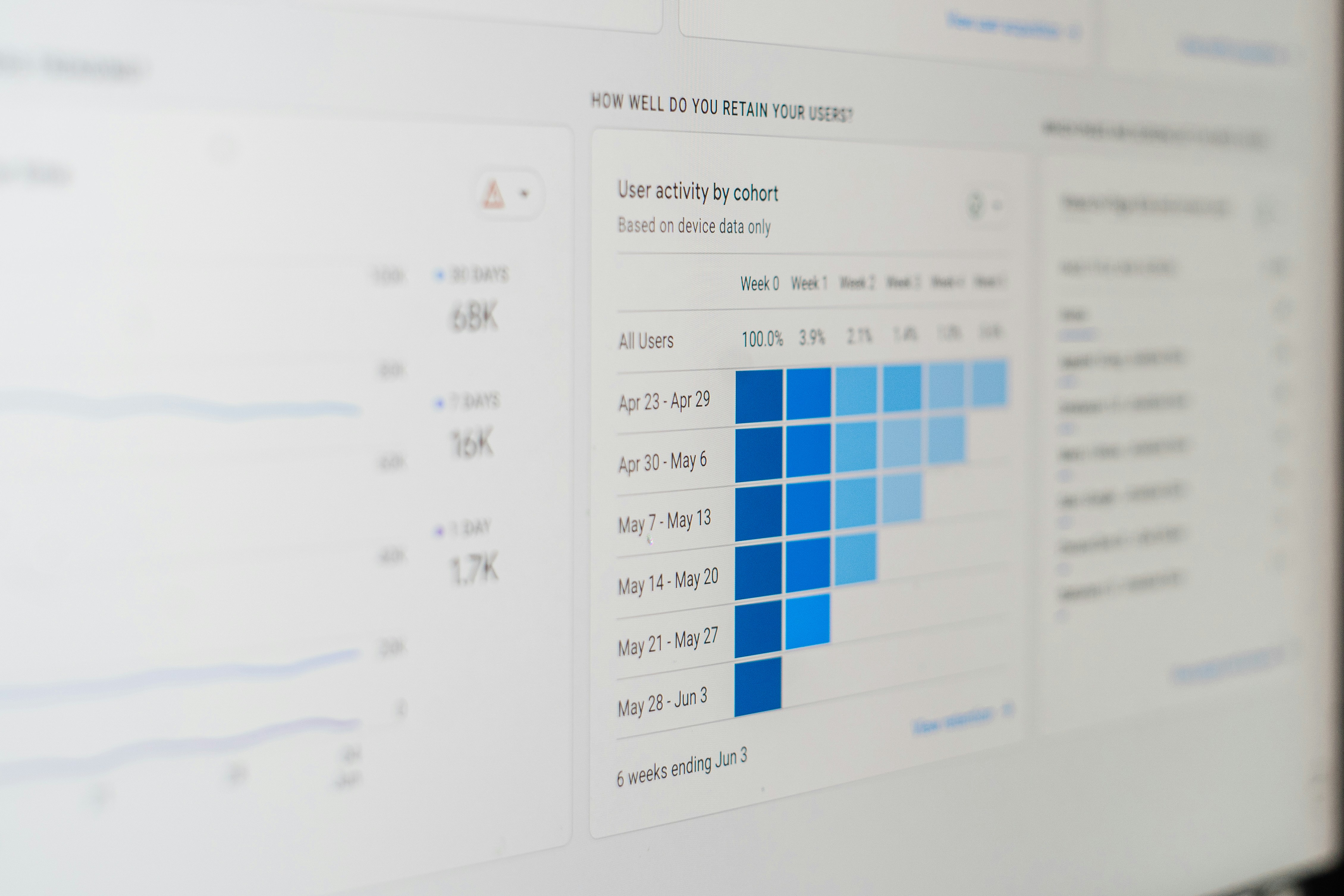
Integrating Google Search Console data with Looker Studio presents numerous advantages for marketers and analysts looking to enhance website performance insights. One significant benefit is improved data visualization. Looker Studio allows users to transform the raw data collected from Google Search Console into comprehensive, interactive dashboards that present complex information in a clear, visually appealing manner. This visual representation helps teams quickly comprehend trends and performance metrics, making it easier to draw actionable conclusions.
Another vital advantage is the facilitation of better insights into website performance. By integrating data from Google Search Console, users can analyze how different factors—such as keyword rankings, click-through rates, and organic traffic—impact overall site performance. This analytical capability empowers marketers to make informed decisions regarding their SEO strategies. Enhanced insights enable them to identify which keywords and pages are driving traffic, thus allowing for targeted optimization efforts.
Furthermore, the integration aids in spotting SEO opportunities, as it enables users to pinpoint areas of improvement. By examining user behavior, search queries, and impressions in Looker Studio, marketers can identify underperforming keywords or pages that may need further attention. This helps in formulating strategies to enhance visibility and drive more organic traffic to their websites.
Lastly, incorporating Google Search Console data into Looker Studio streamlines the reporting process for marketing teams. Time-consuming manual data collection and reporting become less burdensome, thanks to the automation capabilities of Looker Studio. This means analysts can focus more on interpreting data rather than spending excessive time on data gathering. Ultimately, the integration optimizes the entire digital marketing workflow, yielding better results in a shorter time frame.
Introducing the Free Looker Studio Template for Google Search Console
The free Looker Studio template developed for Google Search Console users is an invaluable tool for those seeking to derive actionable insights from their website’s performance data. This template is thoughtfully designed to cater to the needs of digital marketers and website owners who wish to monitor and enhance their online presence effectively. One of the standout features of this template is its pre-built metrics, which cover a wide range of essential indicators such as clicks, impressions, average position, and click-through rate. By incorporating these metrics, users can easily visualize their site’s performance over time, allowing for informed decision-making.
Customization is another key aspect of this template. Users have the flexibility to modify dashboards according to their individual requirements and specific objectives. This ensures that every user can tailor their reporting to focus on the most relevant metrics, facilitating a deeper analysis of how various SEO strategies are performing. The template’s user-friendly interface significantly reduces the learning curve, making it accessible even for those who may not have extensive experience with data analytics tools.
Accessing this free Looker Studio template is straightforward. Users simply need to have a Google account and access to Google Search Console. Once these prerequisites are fulfilled, the template can be easily imported into their Looker Studio workspace. This process ensures that data from Google Search Console can be visualized and reported with minimal effort, allowing users to concentrate on optimizing their strategies rather than on data processing tasks. With the right tools at their disposal, Google Search Console users can unlock insights that lead to improved website performance and enhanced user engagement.
How to Set Up the Template: Step-by-Step Guide
Setting up the Looker Studio template for Google Search Console can streamline your reporting process and enhance data visualization. This guide provides a detailed, step-by-step approach to ensure that you benefit fully from the insights that Google Search Console offers.
Begin by logging into your Google account and navigating to Google Looker Studio. If you haven’t accessed Looker Studio before, you may be prompted to create a new project. Once there, click on the “Create” button at the top left corner, then select “Data Source.”
Next, to connect Looker Studio with Google Search Console, select “Google Search Console” from the list of connectors. You will be required to grant Looker Studio permission to access your Search Console data. Follow the prompts provided and select the account and property you wish to work with. Once the connection is established, you’ll be presented with a window displaying various metrics.
Upon successfully connecting to Google Search Console, you should select the metrics and dimensions you want to import into Looker Studio. Common choices include total clicks, impressions, average position, and click-through rate (CTR). Click on “Add” to import these metrics into your report.
Now, with your data imported, you can customize your Looker Studio template to better reflect your specific reporting needs. This customization may involve selecting different date ranges, filtering data according to specific queries or pages, and adjusting any visual elements—such as charts and tables—to make the data more accessible and interpretable.
Finally, be sure to regularly update your reports to reflect real-time data from Google Search Console. You can automate refreshes at set intervals to keep your insights up-to-date. By following these steps, you will successfully set up your Looker Studio template, allowing you to unlock valuable insights from your Google Search Console data.
Customizing Your Report: Tips and Tricks
Customizing your Looker Studio report can significantly enhance its effectiveness and engagement, making the data more accessible and actionable for your audience. The first step in this customization process is to modify the visualizations. Looker Studio offers various options to present your data visually, including bar graphs, line charts, and pie charts. Depending on the metrics you want to highlight, selecting the appropriate visualization can make a substantial difference. For example, using a line graph might be more suitable for displaying trends over time, whereas a pie chart could effectively illustrate proportions.
Another critical aspect of tailoring your report is adding filters. Filters allow you to focus on specific audience segments or performance metrics, providing a more personalized view. By configuring filters, you can segment data based on dimensions such as date ranges, geographical locations, or device types. This segmentation can help stakeholders quickly grasp crucial insights relevant to their interests or needs, empowering informed decision-making.
Additionally, consider the metrics displayed in your report. It’s essential to align these metrics with your audience’s objectives. For instance, if your stakeholders are focused on conversion rates, ensure that this metric is highlighted and accompanied by relevant supporting data. To achieve a compelling narrative, intertwine the metrics with contextual analysis that explains their significance. This approach not only conveys the data but also tells a story that drives action.
Furthermore, don’t hesitate to incorporate your organization’s branding into the report. Adjusting colors, fonts, and logos can make the report more visually appealing and align it with corporate identity guidelines. Creating a cohesive report doesn’t just enhance aesthetics; it also fosters a stronger connection between the data and the organization’s vision.
Overall, by modifying visualizations, utilizing filters, selecting relevant metrics, and incorporating branding elements, you can create an impactful Looker Studio report that effectively communicates the insights derived from your Google Search Console data.
Common Use Cases for the Template
The Google Search Console Looker Studio template offers versatile applications across various industries, making it a valuable tool for anyone looking to enhance their online presence. One key use case is tracking organic search performance. Businesses can monitor fluctuations in their website traffic, enabling them to identify trends and adapt to changes in consumer behavior. For instance, an e-commerce company may utilize the template to analyze the performance of different product categories, assessing which are driving the most organic traffic and consequently adapting their marketing strategy to focus on high-performing products.
Another significant application is evaluating keyword effectiveness. By analyzing the keywords that generate traffic, companies can refine their content strategies. For example, a travel agency could use this template to determine which keywords attract the most visitors to specific travel packages. This in-depth analysis allows them to optimize their website content and advertising campaigns, ensuring they effectively target potential clients.
The template is also immensely beneficial for agencies that report on digital marketing efforts to their clients. Agencies can streamline their reporting process, presenting clear visualizations of organic search performance, keyword rankings, and overall website health in a professional format. For instance, a digital marketing firm might compile a monthly report for a client running a local business, showcasing improvements in website visibility and corresponding increases in inquiries or bookings.
Additionally, educational institutions can leverage this tool to monitor online engagement and visibility. By tracking how prospective students find their programs, universities can adapt their online content to better meet the needs of their audience. Overall, the Google Search Console Looker Studio template serves as an essential asset for diverse fields seeking to derive actionable insights from search data.
Troubleshooting and FAQs
When utilizing the Google Search Console Looker Studio template, users might encounter several common challenges. Understanding potential issues can help streamline the reporting process effectively. One of the most frequent problems is data not appearing as expected in the dashboard. This can often be attributed to incorrect data source connections. Ensure that your Looker Studio is correctly linked to your Google Search Console property. If discrepancies persist, verify that there are no restrictions on the permissions settings of your data sources that might prevent access to the necessary information.
Another challenge involves the interpretation of data metrics. Users may find that the metrics presented do not align with their expectations or understanding of performance. Familiarizing yourself with the definitions of common terms used in Google Search Console, such as impressions, clicks, and click-through rates, will aid users in making sense of the displayed data. It can be beneficial to reference the documentation provided by Google for a deeper understanding of each metric.
Below is a selection of frequently asked questions regarding the Google Search Console Looker Studio template:
- How do I customize the template to fit my needs? To customize the template, you can access the dashboard settings where various components can be modified, such as the date range and the specific metrics displayed.
- What should I do if I receive an error message? Error messages can typically be resolved by checking the data source connections and ensuring that the Looker Studio has the necessary permissions to access the Google Search Console data.
- Can I share my reports with others? Yes, Looker Studio allows users to share reports through links or by granting specific user access, thus facilitating collaboration.
Addressing these issues and queries will provide you with a robust foundation for utilizing the Google Search Console Looker Studio template effectively, enhancing your overall data reporting experience.
Conclusion and Further Resources
Utilizing the Looker Studio template with Google Search Console provides significant advantages for individuals and businesses seeking to enhance their data analysis and reporting capabilities. By streamlining how data is visualized, this template allows users to gain clearer insights into web performance metrics, organic search results, and audience engagement. The integration of key performance indicators within an intuitive dashboard assists in identifying trends, optimizing content strategy, and improving overall search visibility.
The Looker Studio template not only simplifies the reporting process, but also empowers users to make data-driven decisions with confidence. Enhanced visual displays facilitate easier comprehension of complex datasets, enabling a more effective analysis of web traffic patterns. Furthermore, the adaptability of the template offers flexibility to tailor reports according to specific organizational objectives, thereby enhancing understandability and relevance.
To further deepen your knowledge and skills in utilizing the Looker Studio template alongside Google Search Console, a plethora of resources are available. Comprehensive tutorials can be accessed through various online platforms, providing step-by-step guidance on setting up and optimizing the dashboard for your specific needs. Additionally, reputable blogs focusing on digital marketing and data analytics may offer valuable insights and tips to maximize your use of the template.
For those seeking personalized assistance, feel free to reach out for support. Expert contact information can be found on numerous forums and community websites, where specialists are eager to assist with any inquiries regarding the template and data integration processes. Exploring educational materials will undoubtedly enhance your proficiency with this powerful tool, allowing you to harness the full potential of Google Search Console in your data analysis endeavors.