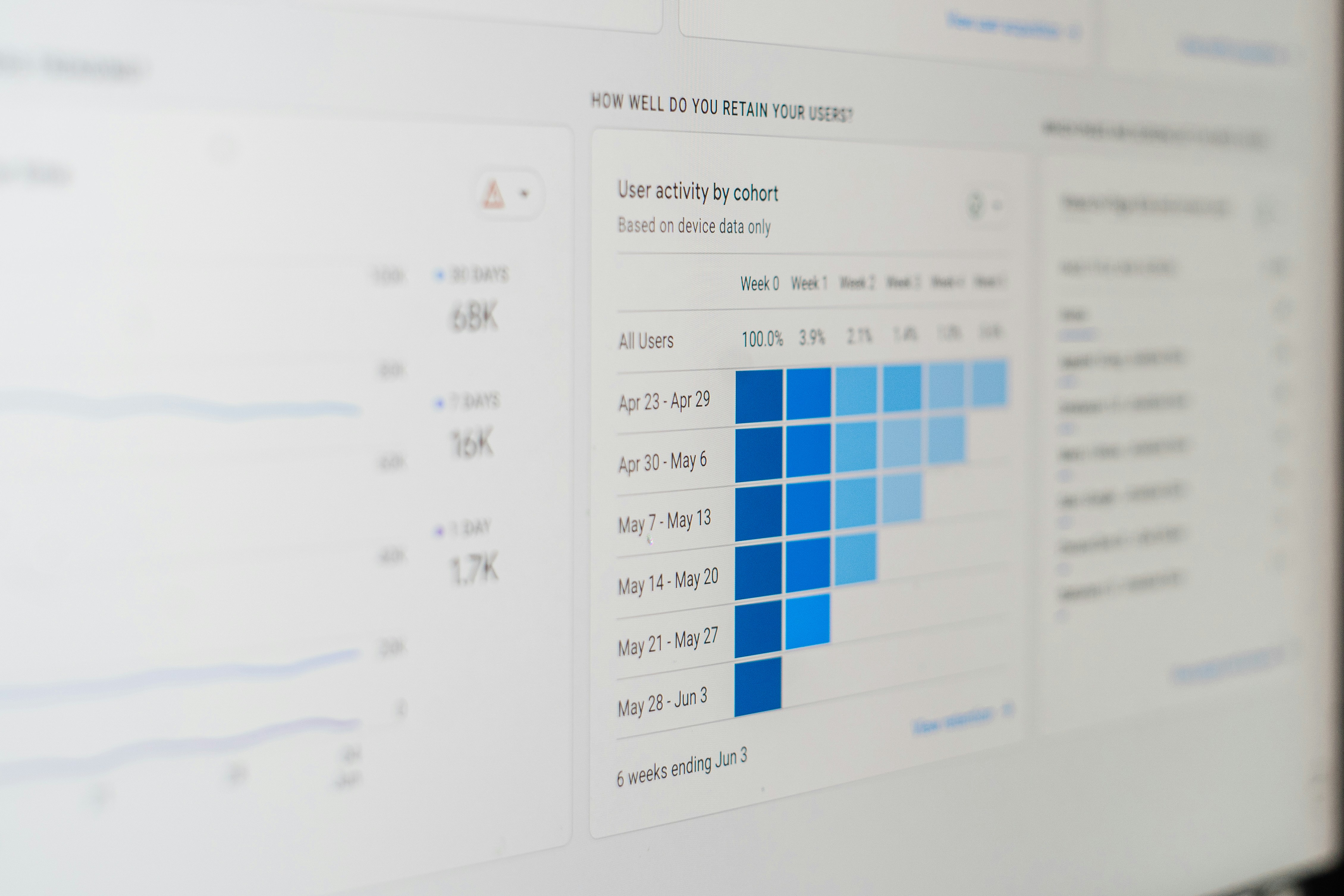
Introduction to Looker Studio and Its Capabilities
Looker Studio has emerged as a formidable tool in the realm of data analytics and visualization, designed to assist organizations in navigating the complexities of their data landscape. This platform enables users to create comprehensive reports and dashboards that not only visualize critical metrics but also facilitate in-depth analysis. Its user-friendly interface allows both technical and non-technical users to derive valuable insights from their data effortlessly.
One of the standout features of Looker Studio is its robust integration capabilities. The platform can seamlessly connect with various data sources, including traditional analytics platforms and social media data. This flexibility allows businesses to consolidate diverse datasets into a unified dashboard, empowering stakeholders to access relevant insights and make informed decisions. By merging analytics with social data, organizations can uncover relationships and trends that may have otherwise remained hidden.
This versatility extends to custom visualizations, where users can tailor reports to meet specific business needs. Looker Studio offers an extensive library of visualization options, ensuring that users can effectively communicate their findings. Furthermore, with its API capabilities, organizations can embed Looker dashboards within their applications, enhancing accessibility and usability. This functionality is particularly advantageous for teams needing real-time analytics as part of their daily operations.
The importance of data-driven decision-making cannot be overstated in today’s business environment, and Looker Studio positions itself as an essential tool in this pursuit. By leveraging its powerful analytics and social data integration capabilities, businesses can enhance their strategic planning and ultimately drive better outcomes. With the rise of big data, platforms like Looker Studio represent a critical investment for organizations focused on optimizing their analytics capabilities.
Why Data Integration is Essential for Modern Businesses
In an era characterized by rapid technological advancement and an ever-growing pool of data, businesses must prioritize data integration to remain competitive. The integration of analytics and social data plays a crucial role in forming a comprehensive understanding of market dynamics and consumer behavior. When various data streams are consolidated, organizations can derive enhanced insights that would not be available through isolated data sources.
Data integration is pivotal for developing effective marketing strategies. By bringing together data from various sources, such as social media platforms and analytics tools, businesses can obtain a holistic view of their target audience. This comprehensive perspective allows organizations to tailor their marketing efforts based on accurate customer profiles and engagement metrics. As a result, businesses can optimize their campaigns, leading to improved customer acquisition and retention rates.
Moreover, integrating analytics with social data facilitates improved operational efficiency. When data is synthesized across departments, organizations can identify and eliminate redundancies in their processes. For instance, real-time insights drawn from integrated data can inform resource allocation, allowing teams to focus on high-impact initiatives rather than engaging in trial-and-error approaches. This not only enhances productivity but also fosters a culture of data-driven decision-making.
Furthermore, seamless data integration aids in forecasting trends and predicting market shifts. Businesses that leverage an integrated approach are better equipped to make proactive decisions rather than reactive ones. This agility is essential in navigating the complexities of the modern business landscape, where consumer preferences can change rapidly and new competitors can arise unexpectedly.
Ultimately, data integration is more than just an operational necessity; it is a strategic imperative. By effectively combining analytics and social data, businesses can unlock valuable insights that drive better decision-making, fuel innovation, and maintain a competitive edge in their respective markets.
Overview of Looker Studio Features
Looker Studio is a powerful data analytics platform that streamlines the process of integrating various analytics and social data. One of the standout features of Looker Studio is its capability for real-time data access, allowing users to fetch the most current information without delays. This feature is particularly beneficial for organizations that require timely insights to make informed decisions.
User-friendly dashboards are another hallmark of Looker Studio, designed to simplify the way data is visualized. Users can easily create customized dashboards that cater to their specific needs, ensuring that critical data insights are displayed prominently. These dashboards can incorporate multiple data sources, providing a holistic view of an organization’s performance across different metrics.
Customizable reporting is a key feature that enhances Looker Studio’s functionality. Users can generate reports tailored to their requirements, including specific KPIs and metrics critical to their operations. This versatility in reporting empowers stakeholders by delivering relevant insights that facilitate better decision-making processes.
Moreover, Looker Studio supports a wide array of data sources, from cloud storage solutions to traditional databases, making it a versatile tool for organizations of all sizes. The integration capabilities eliminate the need for extensive data preparation, allowing users to connect directly to their data and start analyzing immediately.
In summary, Looker Studio offers an impressive suite of features that not only ease the process of integrating diverse analytics and social data but also present information through intuitive dashboards and customizable reporting, making it a vital resource for data-driven organizations.
Connecting Analytics Data to Looker Studio
Integrating various analytics platforms with Looker Studio is a crucial step for organizations seeking to enhance their data analysis capabilities. This process allows businesses to aggregate insights from different sources, enabling comprehensive analysis and informed decision-making. Below are the essential steps required to connect analytics data sources, such as Google Analytics and Adobe Analytics, to Looker Studio.
First and foremost, users need to ensure they have access to both the analytics platform and Looker Studio. For Google Analytics, you must have read and edit permissions for the specific account. Once you have the necessary access, log into Looker Studio and click on the ‘Create’ button, from which you can select ‘Data Source’.
Next, you will choose your analytics platform from the myriad connectors available. For Google Analytics, simply select it, and you will be prompted to authenticate your account. Select the desired account, property, and view that reflects the data you wish to analyze. If you are working with Adobe Analytics, follow a similar procedure by selecting the appropriate Adobe connector and authenticating via your Adobe credentials.
After successfully connecting your analytics data, you can create custom reports and dashboards that reflect a blend of metrics from multiple platforms. This integration supports comparative analyses, aiding businesses in recognizing trends and performance gaps. The benefit of amalgamating analytics data with Looker Studio lies in its capacity to deliver a holistic view of customer interactions and behaviors; thus, organizations can make data-driven strategies that enhance their marketing efforts and improve user experience.
In summary, connecting diverse analytics platforms to Looker Studio not only streamlines the data analysis process but also enriches the context of your insights, ultimately leading to better business outcomes.
Integrating Social Media Data
Integrating social media data into Looker Studio is a strategic process that can significantly enhance your analytics capabilities. Social media platforms such as Facebook, Twitter, and LinkedIn offer valuable insights into customer engagement and behavior. The first step in this integration involves identifying the relevant social media channels that align with your marketing goals. Understanding your audience’s preferred platforms allows you to focus your efforts where they can yield the most insightful data.
Once the channels are identified, the next step is to gather the required social media data. This can be accomplished through various means, including APIs provided by social media platforms or third-party tools designed for data extraction. For instance, Facebook’s Graph API allows you to pull in metrics such as likes, shares, and comments, while Twitter’s API offers tweet engagement data. LinkedIn also provides insights related to post interactions and audience reach through its Marketing Developer Platform.
After obtaining the data, the next phase involves preparing it for integration with Looker Studio. This may require data cleaning and transformation to ensure it aligns seamlessly with existing datasets. Utilizing tools like Google Sheets or ETL (Extract, Transform, Load) platforms can facilitate this process, ensuring that the data is usable and reliable. Once the data is prepared, it can be imported into Looker Studio through a data connector that supports social media sources.
By analyzing social media data alongside traditional analytics, businesses can achieve a comprehensive view of customer engagement. This holistic perspective allows for better decision-making and strategic marketing efforts, leveraging insights from both social networks and conventional analytics to drive targeted campaigns and understanding user behavior more thoroughly.
Creating Interactive Dashboards in Looker Studio
Looker Studio enables users to design interactive and customizable dashboards that effectively present integrated data, allowing stakeholders to derive actionable insights. To create a dashboard that meets these objectives, one must follow a structured process that promotes clarity and interactivity.
First, begin by defining the key metrics and dimensions that align with your business objectives. This involves identifying which data points you want to visualize from your integrated analytics and social data. Utilizing Looker Studio’s robust data connectors can greatly enhance this process, as they allow for a seamless amalgamation of various data sources, ensuring that your dashboard reflects a comprehensive view.
Next, consider the layout of your dashboard. A clean and organized layout is vital for user experience. Group related metrics together, and employ visual hierarchy techniques, such as contrasting colors or size variations, to guide users through the information. Additionally, utilizing a combination of charts, graphs, and tables can cater to varied user preferences and enhance data comprehension.
Interactivity should be a core principle in your design. Incorporating filters, date range selectors, and drill-down capabilities empowers users to explore the data in a personalized manner. This not only enhances engagement but also allows users to extract insights that are more relevant to their specific queries. Looker Studio provides built-in features that facilitate these interactive components, making them easy to implement.
Furthermore, apply best practices for dashboard design, such as minimizing clutter, choosing appropriate color schemes, and ensuring readability. Each visualization should convey a clear message, so avoid overloading your dashboard with excessive information. A focused approach aids users in comprehending critical insights at a glance. Regularly solicit feedback from users about the dashboard’s functionality and aesthetics, as continuous improvement is essential for creating a valuable analytics tool.
By following these guidelines, users can leverage Looker Studio to create impactful dashboards that facilitate better decision-making through integrated analytics and social data.
Case Studies: Successful Data Integration with Looker Studio
Many organizations have achieved remarkable transformations by integrating their analytics and social data through Looker Studio, driving strategic decisions and enhancing overall performance. One pertinent example is a retail company, which had been struggling to consolidate disparate data sources including sales figures, customer feedback, and online engagement metrics. By implementing Looker Studio, they created a centralized dashboard that synthesized this data into actionable insights. As a result, they witnessed a 30% improvement in their sales forecasting accuracy. This enabled the company to allocate resources more efficiently, ultimately leading to an increase in overall sales revenue and enhanced customer satisfaction.
Another noteworthy case involves a leading marketing agency that regularly leveraged social media platforms to analyze consumer behavior and client campaign effectiveness. Prior to Looker Studio’s integration, the agency faced challenges in compiling data from various analytical tools and social platforms, leading to scattered insights and delayed reporting. After adopting Looker Studio, the agency saw a dramatic enhancement in their reporting capabilities. They were able to visualize comprehensive reports that brought together engagement data from social channels with performance metrics from their campaigns. This holistic view empowered them to optimize marketing strategies in real-time, resulting in a 25% boost in customer engagement through targeted campaigns.
These cases exemplify how effective data integration using Looker Studio does not merely streamline operations but also enables organizations to derive valuable insights that can lead to improved decision-making and tangible business outcomes. By harnessing the power of analytics and social data in a unified platform, businesses can potentially enhance their performance metrics and drive growth in their respective sectors.
Tips for Effective Data Integration and Analysis
Integrating analytics and social data with Looker Studio can be a transformative approach for businesses seeking insights into their performance. To ensure a successful integration and analysis process, several practical tips should be observed. First, prioritize data quality by establishing clear data validation processes. Review your data sources to filter out irrelevant or duplicate information that could skew results. Ensuring that each data point aligns with your business objectives will enhance the relevance of the insights derived.
Another crucial tip is to adopt a structured methodology for data integration. Mapping out the integration workflow can help identify potential bottlenecks early. Utilize Looker Studio’s built-in features, such as data connectors, which can streamline the process of pulling and merging data from various sources seamlessly.
Moreover, fostering collaboration among team members across different departments can substantially enrich the integration process. By encouraging input from sales, marketing, and analytics teams, it becomes easier to align on key performance indicators (KPIs) and analyze social data that complements traditional analytics. This cross-functional synergy not only improves the overall understanding of customer behavior but also aids in more targeted decision-making.
While integrating analytics with social data, it is also essential to be aware of common pitfalls. A frequent issue is neglecting to regularly update integration protocols. As social media platforms and analytics tools evolve, so too should integration strategies to maintain data relevance. Regular audits of the integrated data can help to identify any anomalies and ensure consistency over time.
In summary, effective data integration and analysis with Looker Studio hinges on a combination of quality assurance, structured methodologies, interdepartmental collaboration, and proactive updates. By adhering to these guidelines, businesses can optimize their data strategies and unlock meaningful insights.
Conclusion and Call to Action
In the rapidly evolving landscape of data analytics, the integration of analytics and social data is crucial for businesses looking to gain a competitive edge. Throughout this blog post, we have explored the various benefits of using Looker Studio for harmonizing disparate data sources. By consolidating analytics and social media data, organizations can achieve a more holistic view of their performance and customer insights, fostering data-driven decision-making.
The essential takeaway from our discussion is the transformative potential that comes with leveraging unified data in Looker Studio. Such integration not only streamlines reporting processes but also enhances collaboration among stakeholders by providing a single source of truth. This capability allows teams to swiftly adapt to market changes and consumer behaviors, enabling more effective strategies and campaigns.
As businesses navigate through the complexities of data management, utilizing tools like Looker Studio proves invaluable. The ease of connecting to various data sources helps organizations make informed decisions based on accurate analytics combined with real-time social data. This integration ultimately guides more effective marketing strategies and improves overall business outcomes.
We encourage you to delve deeper into the functionalities of Looker Studio. Explore its capabilities further to understand how it can elevate your data analytics game. If you have any questions or need assistance in setting up or optimizing your integration process, do not hesitate to reach out. Our team is here to support you in leveraging Looker Studio to its fullest potential.
For inquiries, please contact us at support@example.com, and visit our website for additional resources and tutorials.