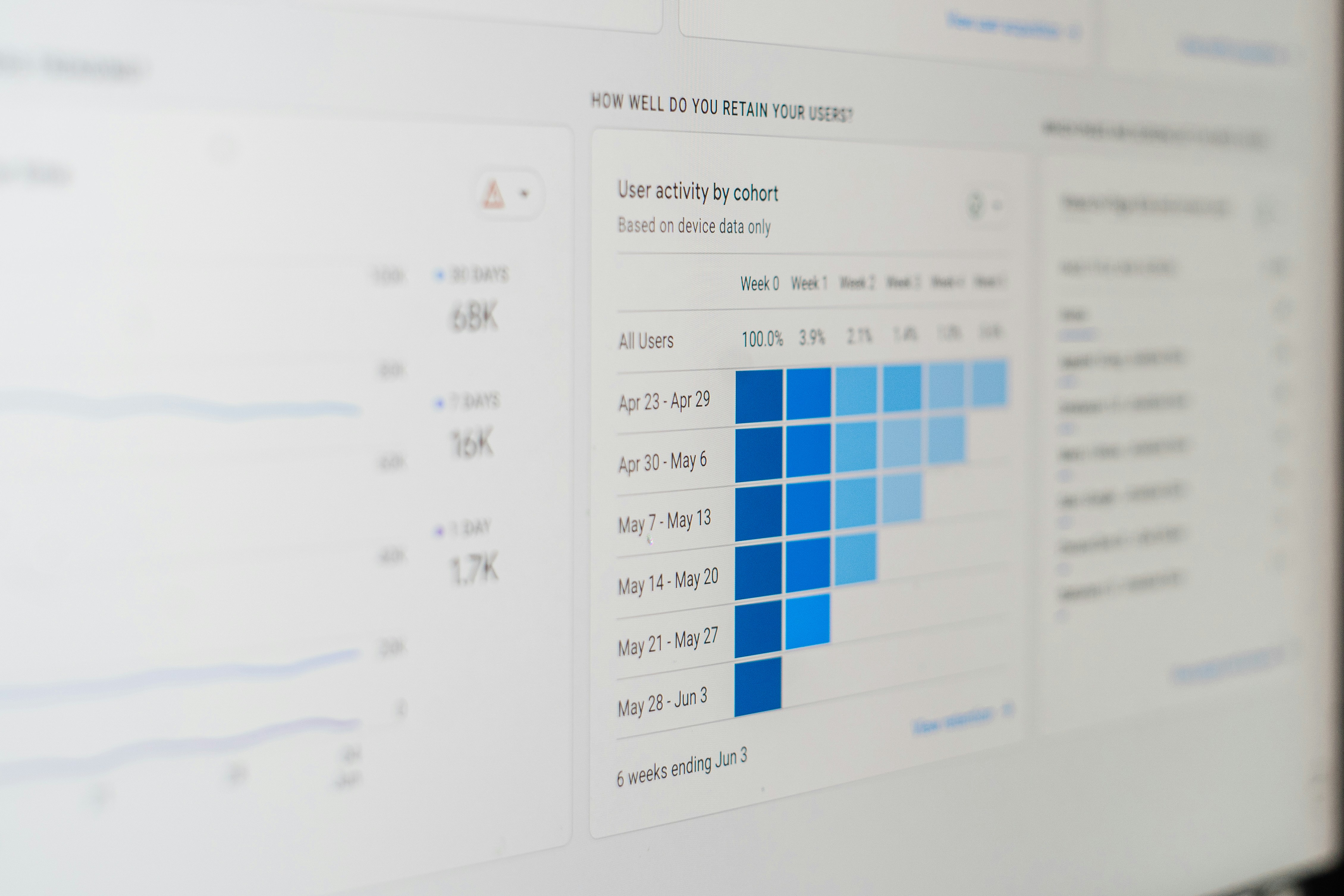
Introduction to Looker Studio and HubSpot Integration
In the era of data-driven decision-making, businesses increasingly rely on robust tools to extract insights from their marketing efforts. Looker Studio has emerged as a powerful platform for data analysis and visualization, enabling organizations to transform raw data into meaningful information. It allows users to create comprehensive reports and dashboards that present data in visually appealing formats, facilitating a deeper understanding of metrics and trends.
At its core, Looker Studio is designed to enhance analytical capabilities and empower teams to make informed decisions based on accurate data. By leveraging Looker Studio, users can seamlessly combine various data sets and visualize them in ways that reveal patterns and performance indicators. This functionality is particularly valuable in marketing contexts, where tracking campaign effectiveness and customer engagement is crucial for optimizing strategies.
One of the standout features of Looker Studio is its seamless integration with HubSpot, a leading customer relationship management (CRM) platform. This integration takes marketing analytics to a new level, providing users with enhanced reporting capabilities. By connecting Looker Studio with HubSpot, organizations can pull in customer data, campaign performance metrics, and engagement statistics, consolidating them into a single analytical framework. This unified approach not only streamlines reporting processes but also offers deeper insights into marketing efforts.
The significance of integrating Looker Studio with HubSpot cannot be overstated. It allows businesses to monitor performance in real-time, conduct historical data analysis, and adjust campaign strategies accordingly. As a result, teams can better understand customer behavior, pinpoint successful initiatives, and improve overall marketing performance. In the following sections, we will delve deeper into how this integration can be leveraged to maximize the impact of marketing strategies.
Setting Up Looker Studio with HubSpot
To begin unlocking powerful insights from your HubSpot analytics using Looker Studio, you need to start by establishing a seamless connection between these two platforms. This process involves several key steps that ensure proper integration and data flow.
First, navigate to your Looker Studio account. If you do not have an account, you will need to create one. Once logged in, look for the “Create” button located typically at the top left corner, then select “Data Source.” From the list of available connectors, locate and choose the HubSpot option. This selection allows Looker Studio to pull data directly from your HubSpot account.
The next crucial step involves authorizing the connection. You will be prompted to log into your HubSpot account, where you must provide necessary permissions to allow Looker Studio to access your HubSpot data. Ensure that you grant the required permissions, which typically include access to contacts, deals, and marketing data, as these will form the backbone of your analytics reports.
Once permission is granted, you may be directed back to Looker Studio, where you can choose specific HubSpot reports or datasets to visualize. It is recommended to select the data most relevant to your business analysis; this could include metrics related to lead generation, customer interactions, or marketing campaigns.
After selecting the appropriate dataset, you can proceed to configure the settings to tailor your analytics experience. Adjust date ranges, filter settings, and visualization options to fit your operational needs. This configuration allows for a more customized view of your HubSpot analytics within Looker Studio.
With these steps completed, your Looker Studio is now set up to gather data from HubSpot efficiently, marking the beginning of your journey toward insightful data analytics.
Navigating Looker Studio: An Overview
Looker Studio, a powerful analytics platform, offers a range of features designed to streamline data exploration and reporting. Its user-friendly interface enables users to efficiently create reports, dashboards, and visualizations, allowing for effective data analysis. Upon entering Looker Studio, users are greeted with a centralized dashboard that showcases existing reports and dashboards, providing a comprehensive view of the data landscape.
One of the main features of Looker Studio is its drag-and-drop functionality, which simplifies the process of creating custom reports. Users can easily select data fields from their connected data sources, organize them based on their analytical needs, and visualize them using various chart options, including bar graphs, pie charts, and tables. This flexibility allows users to tailor their reports to highlight critical insights effectively.
Another essential aspect of Looker Studio is its collaboration capabilities. The platform enables teams to share reports seamlessly and collaborate in real time. Users can add comments and annotations directly to the reports, enabling a streamlined feedback loop and enhancing overall project efficiency. Moreover, Looker Studio supports integration with HubSpot, making it easier to bring data from various HubSpot analytics into the platform for a unified analytical experience.
Furthermore, the platform provides extensive customization options, allowing users to personalize their dashboards based on specific metrics and KPIs important to their business objectives. With the ability to create multiple views and filters, users can drill down into specific datasets, gaining deeper insights into trends over time. The mobile-friendly design also ensures that users can access their dashboards and reports from any device, further enhancing accessibility to vital data analytics.
Overall, navigating Looker Studio equips users with the necessary tools and functionalities for effective data analysis, making it an invaluable asset for organizations looking to make informed decisions based on comprehensive insights.
Key Metrics to Monitor from HubSpot in Looker Studio
When analyzing HubSpot data through Looker Studio, it is crucial for marketers to understand which metrics and key performance indicators (KPIs) hold the greatest significance. These metrics serve as a cornerstone for assessing marketing effectiveness and driving business growth.
One of the primary metrics to monitor is the conversion rate. This metric reflects the percentage of website visitors who complete a desired action, such as filling out a form or signing up for a newsletter. By tracking conversion rates, marketers can gauge the effectiveness of their calls to action and overall user engagement. A high conversion rate often indicates that the marketing strategies employed are resonating well with the target audience.
Another vital KPI is lead generation. This metric counts the number of new leads captured through HubSpot forms, landing pages, and other marketing initiatives. Understanding lead generation trends can help marketers assess the success of campaigns and pivot strategies as needed to enhance lead capture processes.
Moreover, customer acquisition cost (CAC) is crucial in determining the cost-effectiveness of marketing efforts. This metric calculates the total cost of acquiring a new customer, encompassing all marketing and sales expenses. By keeping CAC in check, businesses can ensure sustainable growth and improve their profit margins.
Additionally, monitoring email open rates provides insights into how engaging the subject lines and content are. This metric helps in refining email marketing strategies and ensuring that communications resonate with the audience. Lastly, tracking website traffic sources enables marketers to understand where their visitors are coming from, allowing for better allocation of resources towards the most effective channels.
In conclusion, by focusing on these key metrics in Looker Studio, marketers can derive actionable insights that align marketing initiatives with business objectives, ensuring ongoing optimization and growth.
Creating Custom Reports in Looker Studio
Creating custom reports in Looker Studio enables users to tailor analytics to specific business needs, facilitating a deeper understanding of HubSpot data. The first step in this process involves determining the type of report that best conveys the desired insights. Looker Studio supports various report types, including dashboard views for at-a-glance summaries and detailed data tables that offer comprehensive breakdowns. Users can combine these types to present a holistic view of their data.
Once the report type is selected, it is essential to effectively utilize filters to focus on relevant information. Looker Studio allows users to specify dimensions such as date ranges, visitor behaviors, and campaign performance metrics. Applying appropriate filters ensures that report viewers can analyze only the data that matters most, enhancing report clarity and usefulness. For instance, if a business wants to analyze the performance of a specific marketing campaign, filters can be set to showcase only that campaign’s metrics, avoiding irrelevant information.
Visualizations play a critical role in report effectiveness. Looker Studio provides an array of visualization options, including bar graphs, pie charts, and geographic maps, which can transform raw data into visually engaging formats. Selecting the right visualization depends on the data being presented and the audience’s needs. For example, a time series chart may be ideal for displaying trends over time, while pie charts can effectively present proportions within specific categories.
To optimize data presentation, it is advisable to organize content logically. Grouping related metrics together and using descriptive headings allows readers to navigate reports more fluently. Consistency in color schemes and fonts can further enhance readability. By thoughtfully combining report types, filters, and visualizations, users can create comprehensive custom reports in Looker Studio that drive actionable insights from HubSpot data.
Utilizing Data Visualizations for Insightful Reporting
Data visualization plays a critical role in transforming complex datasets into easily digestible visual formats. Within Looker Studio, a myriad of visualization options can be employed to enhance reporting and make insights readily accessible. By incorporating graphs, charts, and tables, users can present data in a way that helps stakeholders grasp significant trends and patterns more effectively.
One of the primary advantages of utilizing data visualizations in Looker Studio is the ability to distill large volumes of data into concise representations. For instance, line charts can effectively illustrate trends over time, enabling viewers to quickly understand the changes in user engagement or sales figures. Similarly, bar charts can be employed to compare data points across categories, while pie charts can show the relative proportions of data segments. Each type of visualization serves a distinct purpose, contributing to the overall narrative the data seeks to convey.
Moreover, enhancing visual storytelling involves more than just selecting appropriate chart types; it also requires attention to the design and layout of the report. Clear labels, a smart choice of colors, and the use of whitespace can significantly improve readability. By implementing these elements, Looker Studio users can ensure that their data visualizations not only grab attention but also provide clarity. Additionally, interactive dashboards offer a level of engagement that static reports lack, allowing users to explore data from multiple angles and derive personalized insights.
To summarize, leveraging data visualizations in Looker Studio provides a powerful means of presenting information. By choosing suitable visualization types and designing reports thoughtfully, organizations can communicate insights more effectively, fostering informed decision-making across various levels of the business. This ultimately translates into a deeper understanding of performance metrics and strategic outcomes derived from HubSpot analytics.
Best Practices for Looker Studio Reporting
Effective reporting in Looker Studio is instrumental in deriving actionable insights from your data. To ensure that your reports deliver maximum value, it is essential to adhere to a set of best practices. First and foremost, maintaining data accuracy is paramount. Regularly validating the data sources and ensuring they are up-to-date helps in preserving the integrity of your reports. Use filters to eliminate any erroneously captured data and ensure that the metrics displayed represent a true picture of your performance.
Another important practice is to keep your reports relevant and cohesive. Assess the specific needs of your audience and tailor your reports accordingly. This means focusing on key performance indicators that matter most to your stakeholders and ensuring that the visualizations used—charts, graphs, tables—are intuitively designed for easy comprehension. Cohesive reports should also employ a consistent style and formatting, which not only enhances aesthetics but also aids in understanding the narrative behind the numbers.
In addition to these foundational practices, it is crucial to schedule and automate reporting. By utilizing Looker Studio’s scheduling features, you can set your reports to run automatically at defined intervals. This ensures that stakeholders receive timely updates without the need for manual intervention. Furthermore, create a sharing strategy that includes all relevant stakeholders. Use the platform’s built-in sharing tools to distribute reports effectively, which encourages ongoing engagement with the insights generated. Providing direct access to reports fosters a data-driven culture where insights can be acted upon promptly.
By adhering to these best practices—ensuring data accuracy, creating relevant reports, and optimizing the sharing process—users can leverage Looker Studio to unlock valuable insights and drive informed decision-making within their organizations.
Troubleshooting Common Issues
Integrating Looker Studio with HubSpot can significantly enhance your analytics, but users may encounter challenges during the process. By understanding common issues and their solutions, you can streamline the integration and maintain effective analytics. One of the primary issues is connection problems. If you’re unable to connect Looker Studio with HubSpot, ensure that your HubSpot API key is correctly configured. Check for any permissions issues in HubSpot, as insufficient access might prevent successful integration.
Another frequent hurdle involves data discrepancies. Users may notice that the data within Looker Studio does not align with that in HubSpot. This can arise due to discrepancies in the data sources or filters applied. It is crucial to verify that the data source settings are correct and consistent in both platforms. Additionally, ensure that the data refresh settings are appropriately configured in Looker Studio, as outdated information can lead to confusion.
Report generation errors can also plague users. When creating reports in Looker Studio, you might encounter errors that stem from incorrect metrics or dimensions. Ensure that the fields you are pulling from HubSpot are available and correctly set up. Double-check the configuration of calculated fields or pivots, as misalignments can lead to erroneous report outputs. For any persistent issues, consulting the support documentation for both Looker Studio and HubSpot can provide additional insights and troubleshooting steps.
By staying vigilant and proactive in addressing these common challenges, you can enhance your overall experience with Looker Studio and HubSpot analytics, leading to better decision-making and performance tracking.
Conclusion: Maximizing the Potential of Looker Studio and HubSpot
In conclusion, the integration of Looker Studio with HubSpot presents substantial advantages for businesses seeking to harness data analytics to drive their decision-making processes. By utilizing Looker Studio’s powerful visualization capabilities alongside HubSpot’s comprehensive marketing and sales data, organizations can gain deeper insights into customer behavior, campaign effectiveness, and market trends. This combination not only enhances the ability to analyze complex datasets but also fosters a data-driven culture within the organization.
The synergy between Looker Studio and HubSpot allows for the creation of dynamic reports and dashboards, making it easier for marketing teams to access real-time information. By simplifying the data analysis process, Looker Studio enables teams to quickly identify opportunities and threats in their marketing strategies. Furthermore, the custom reports that can be developed from this integration provide stakeholders with a clear view of performance metrics, thus facilitating informed decision-making.
Moreover, the continuous value of leveraging data cannot be overstated. As businesses encounter an ever-evolving marketplace, the ability to access and interpret data effectively becomes fundamental to achieving marketing success. With Looker Studio, companies can proactively respond to insights derived from their HubSpot analytics, adjusting strategies to optimize engagement and conversion rates. Therefore, it is imperative for businesses to implement the insights gained from this blog and explore the full capacity of Looker Studio as a pivotal tool for enhancing HubSpot analytics.
Ultimately, by adopting a proactive approach to data analysis and consistently leveraging the synergies of Looker Studio and HubSpot, businesses can unlock valuable insights that lead to improved marketing effectiveness and better overall performance.